This week, we once again bring you a carefully curated list of the ten most important articles we published on oEnergetice.cz. If you missed any of them, here is a selection of the articles that attracted the most interest from our readers. Best of luck in the week ahead!
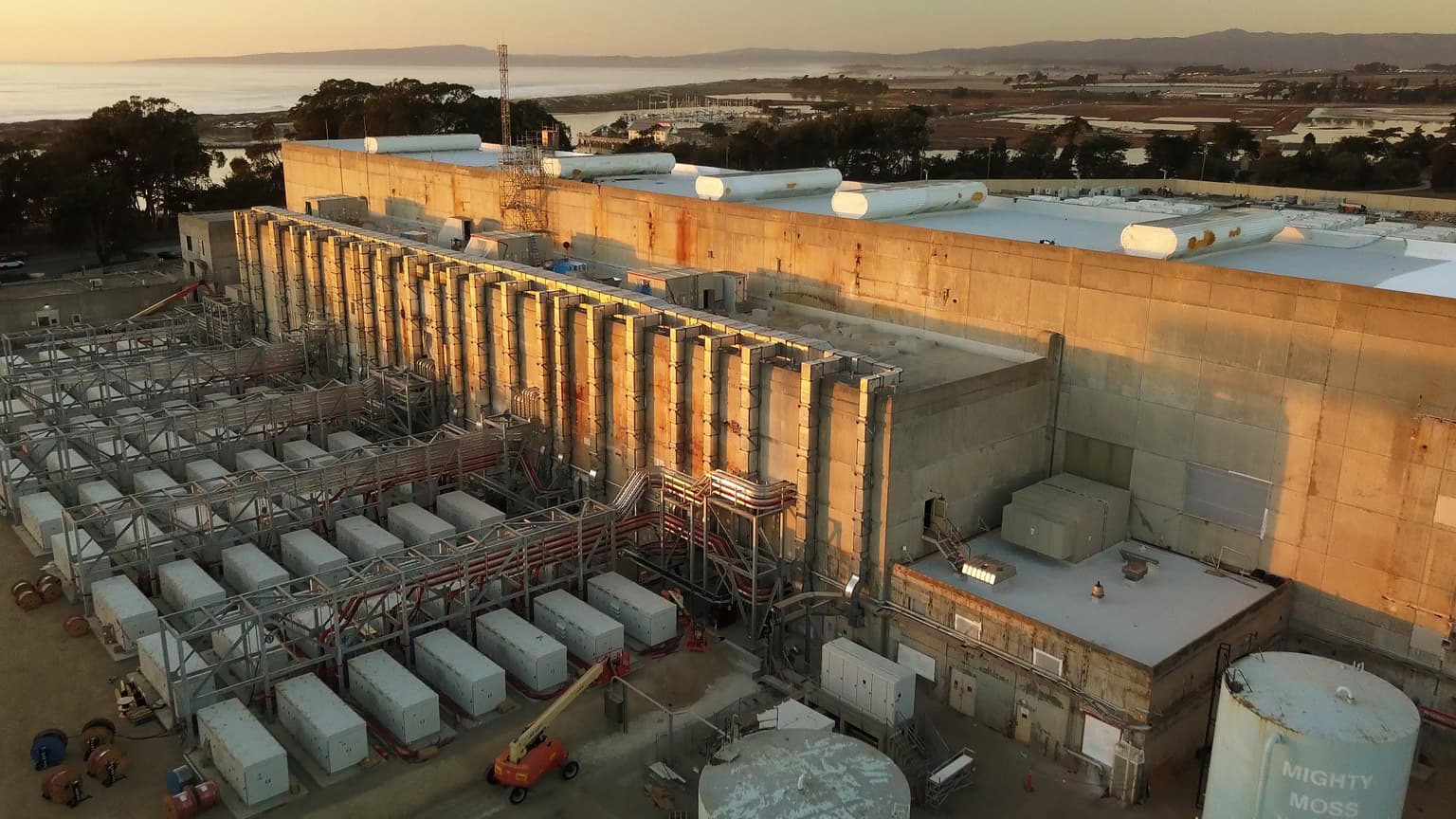
A fire broke out last week at one of the largest battery storage facilities in California. The Moss Landing facility had already run into trouble before. The recent fire, which destroyed a large part of the facility, could also lead to stricter requirements for new storage facilities and make other projects more expensive.
The battery storage sector in the United States has grown rapidly in recent years, particularly in states with a high share of intermittent renewable sources. These are primarily California and Texas, which accounted for more than 70% of the total installed capacity of such facilities in the US in the middle of last year. California, the country's clear leader in this area, is also home to the now-notorious Moss Landing facility.
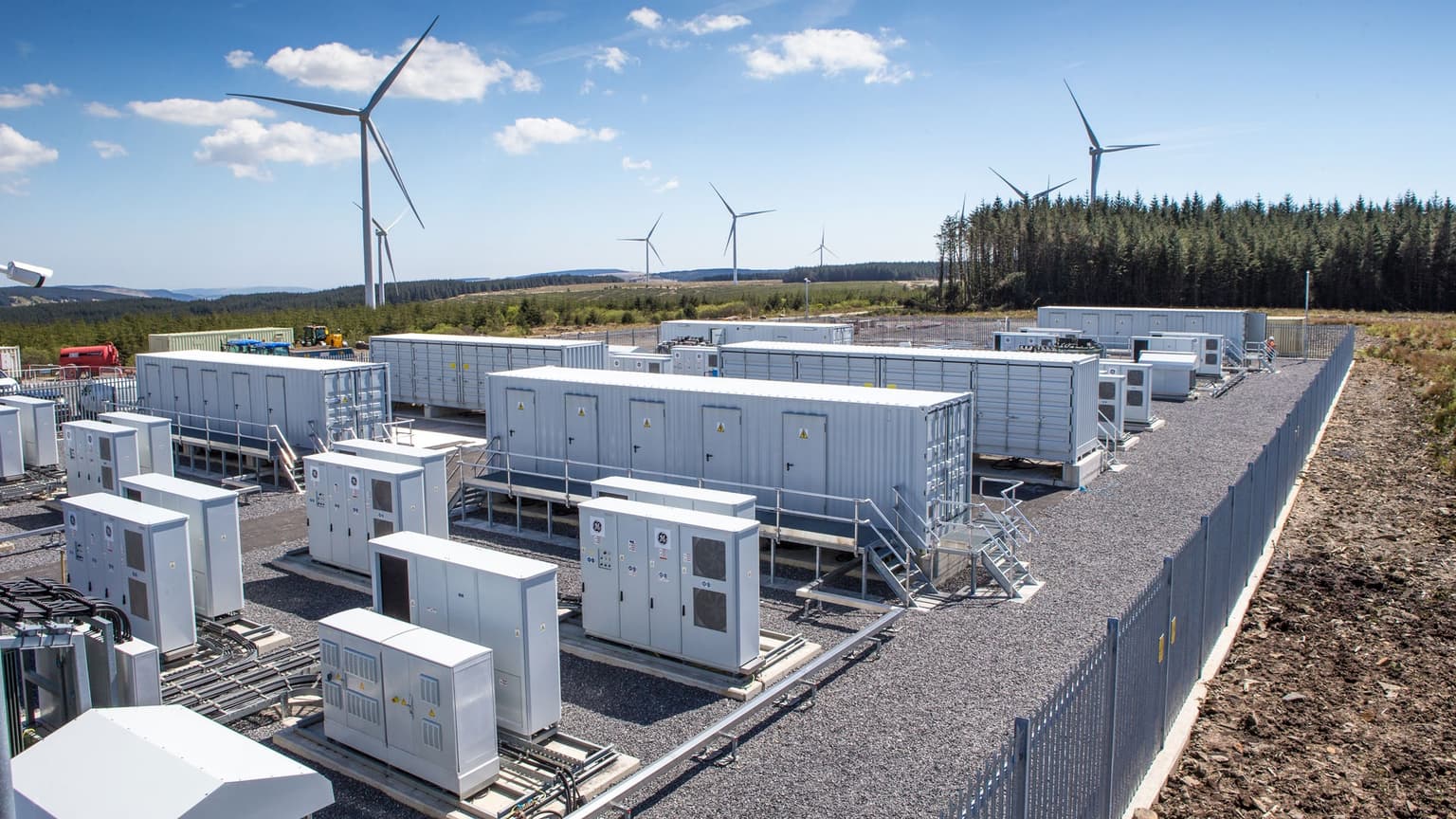
Battery storage projects with a total installed capacity of 226 GW are seeking connection to the German transmission grid. That is 130 times the capacity of operational storage facilities. At least another 100 GW of storage capacity is seeking connection to distribution grids.
By early January, German transmission system operators had received 650 applications to connect large battery storage facilities with a total installed capacity of 226 GW. This represents an increase of around 40% compared with three months earlier, when projects with an installed capacity of around 161 GW had applied.
The European Commission has appointed Catharina Sikow-Magny as coordinator of the project to synchronise the Baltic states' electricity grids with the European grid. The project, which is due to be completed this year, will eliminate a security threat to the Baltic states arising from their connection to the Russian and Belarusian grids. It will also connect a significant amount of dispatchable renewable energy capacity to the European grid.
The European Commission has appointed a new coordinator for the project to synchronise the Baltic states' electricity grids with the European grid: Catharina Sikow-Magny. The Baltic states' grids are currently interconnected and synchronised with the Russian and Belarusian grids.
According to available data, coal-fired power generation in the Czech Republic fell by 12% last year. Generation from hard-coal plants fell particularly sharply, with output of just 0.64 TWh in 2024, compared with 1.77 TWh the year before. The decline was more moderate for lignite-fired power plants, but generation still fell from 25.13 TWh to 23 TWh. Which of the major coal-fired power plants contributed most to the decline?
Electricity generation in 2024 was marked by a decline in output from lignite- and hard-coal-fired plants. For economic reasons, they found it increasingly difficult to compete in the wholesale market. This was due to relatively low electricity prices for most of the year, on the one hand, and relatively high emissions allowance prices on the other.
After a record year in 2023, heat pump sales in Germany fell sharply last year. At the same time, interest in subsidies is growing. The industry association expects the market to recover as early as 2025 if subsidy programmes continue and are promoted further.
Heat pump sales in Germany fell by 46% year on year in 2024, with approximately 193,000 units sold. According to the German Heat Pump Association (BWP), the main reasons are uncertainty surrounding municipal heating plans and a lack of public awareness of existing support programmes.
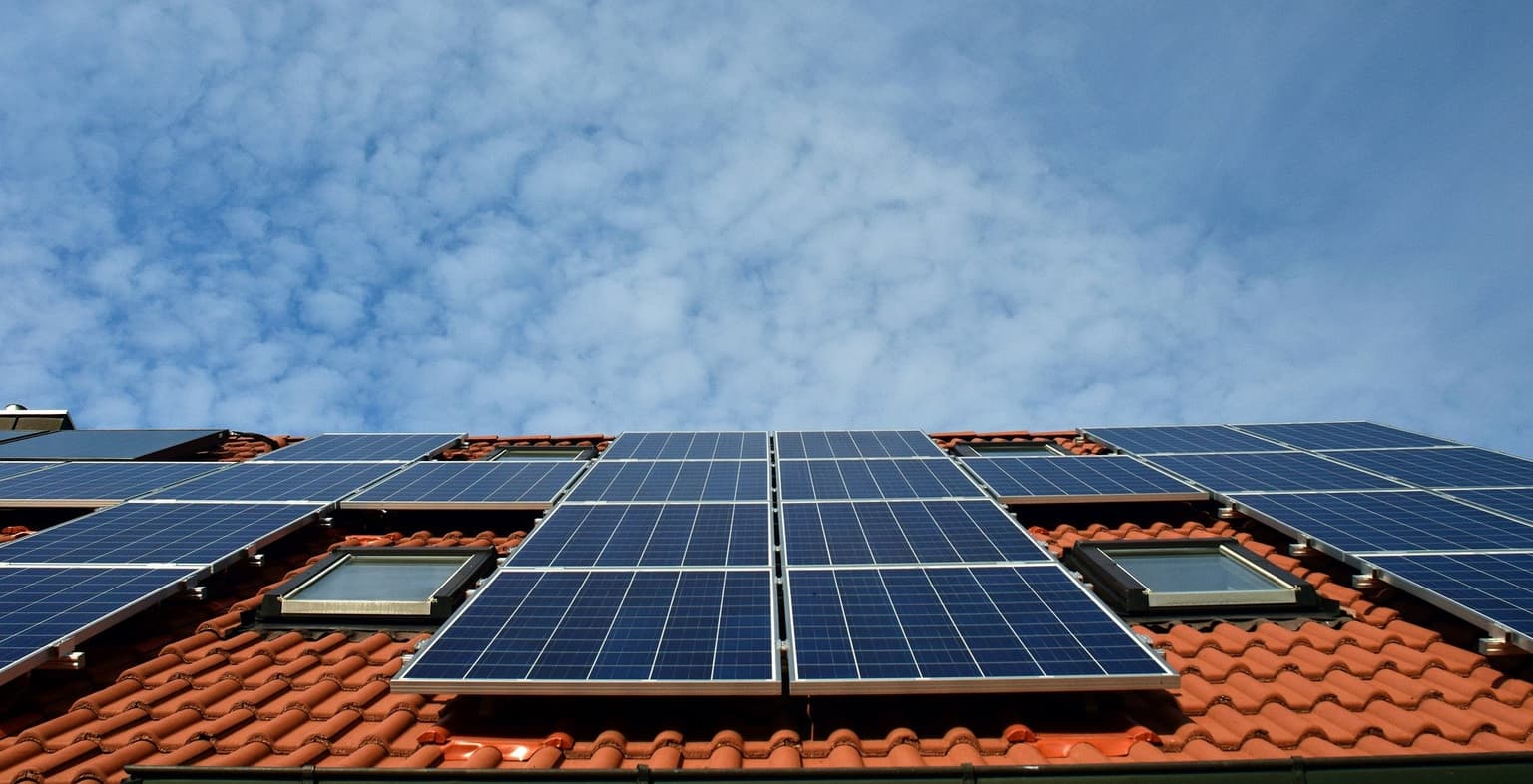
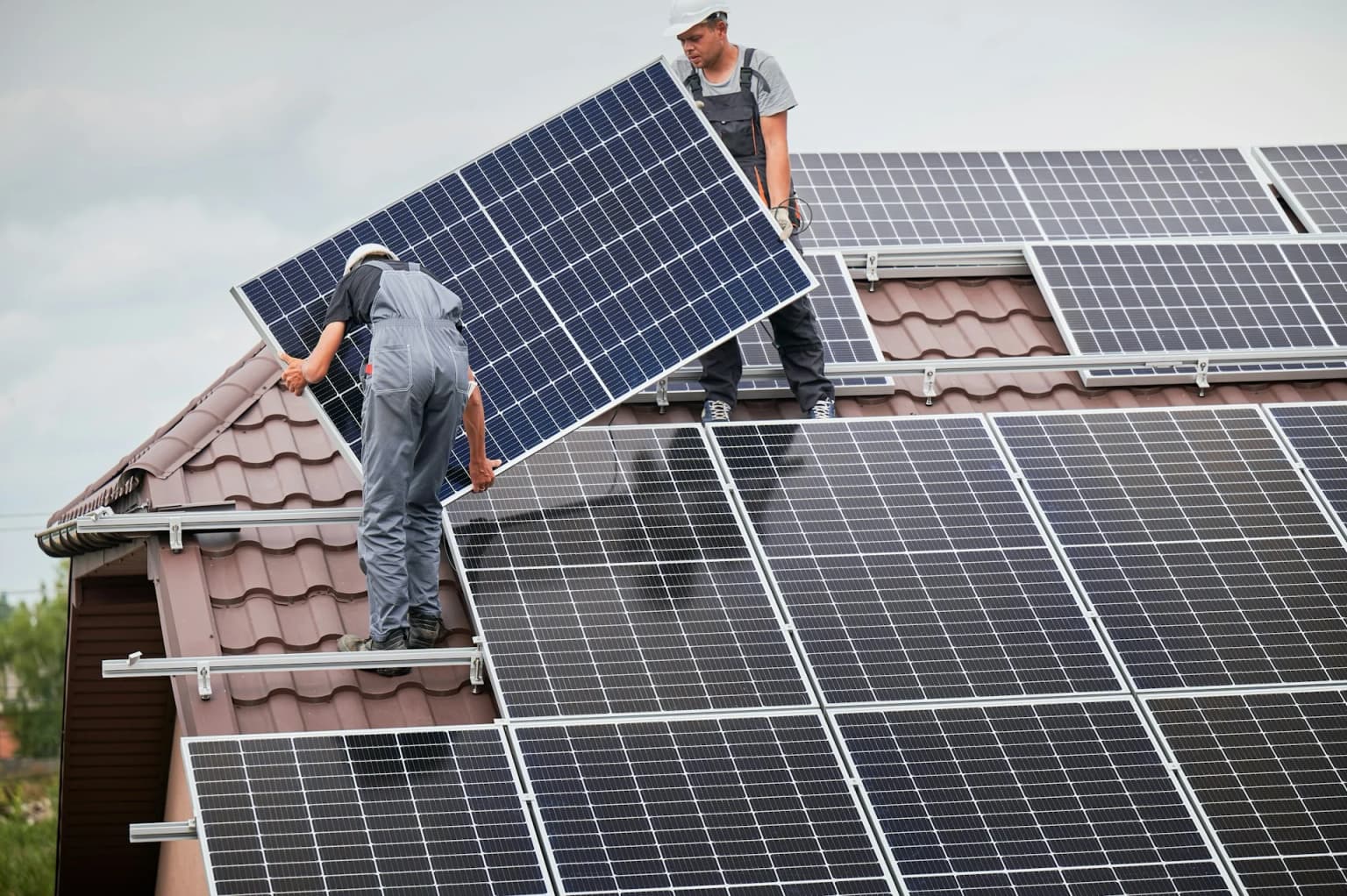
Germany's outgoing government is preparing legislation that would allow the output of small solar PV systems to be controlled remotely. The move is prompted by concerns about the stability of the country's grid, which could be threatened by uncontrolled feed-in from a large number of small generators. Grid overload could potentially lead to local supply interruptions known as brownouts. However, remotely regulating a huge number of small generators also raises questions about the possibility of foreign powers manipulating them. Germany's Federal Office for Information Security has therefore warned of a “considerable risk potential.”
As the number of solar PV systems in Germany continues to grow, so do concerns about the operational security of the country's electricity grid. Uncontrolled feed-in from a large number of small generators could cause problems for grid management in the future, according to the German Association of Energy and Water Industries (BDEW). The association's chief executive says that in critical situations, parts of the grid could even have to be disconnected if there were no way to control these generators. This could also cause brownouts in some parts of Germany.
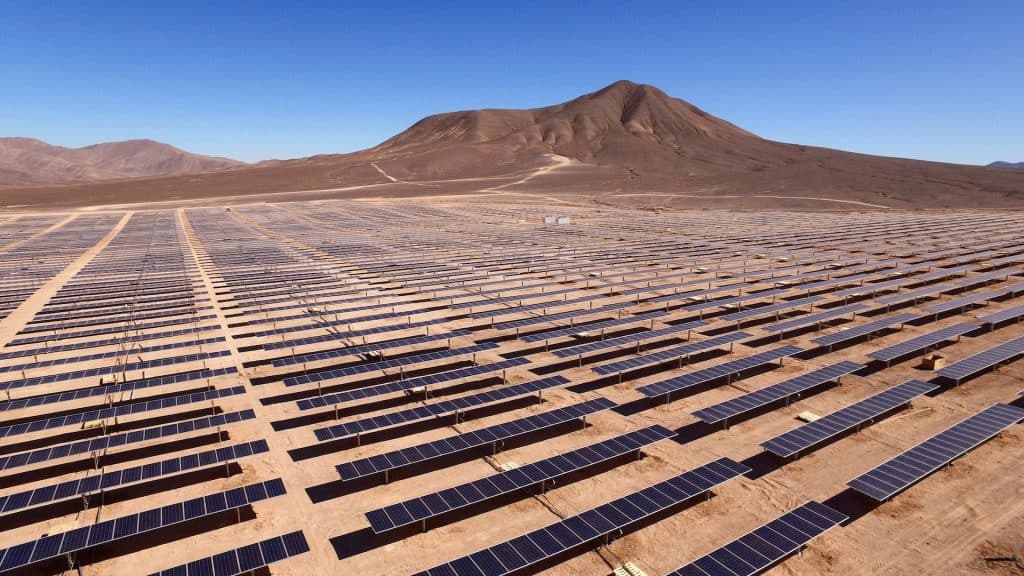
According to data from distribution system operators, nearly 41,000 new solar power plants with a maximum capacity of 967 megawatts were connected to the grid in Czechia last year. While households drove most of the growth in previous years, businesses were more active last year.
When renewable energy representatives presented the 2023 figures last January, they outlined three development scenarios for solar power plants in Czechia. Under the pessimistic scenario, solar installations with a total capacity of 1,000 megawatts were expected to be added in the country over the year. They did not even reach that figure over the past year.
In his final days as US president, Joe Biden approved funding for clean technologies, among other things, Bloomberg reported. This brought to a close the legacy of an administration that achieved unprecedented climate gains by US standards—gains that are unlikely to receive much support from the incoming administration. It is no secret that his successor, Donald Trump, is more likely to focus on natural resources.
At the last minute, the Biden administration managed to approve at least $27.6 billion in funding. This was done through the Department of Energy's Loan Programs Office (LPO), which faces the prospect of being shut down or restructured to support fossil fuels and other energy sources favoured by Republicans after Trump takes office.
German opposition leader Friedrich Merz, considered the likely next German chancellor, has pledged to build 50 gas-fired power plants. The outgoing government also recognised the need to build them, but ultimately failed to pass legislation that would establish support for these plants. Reuters reported, citing the German outlet t-online.
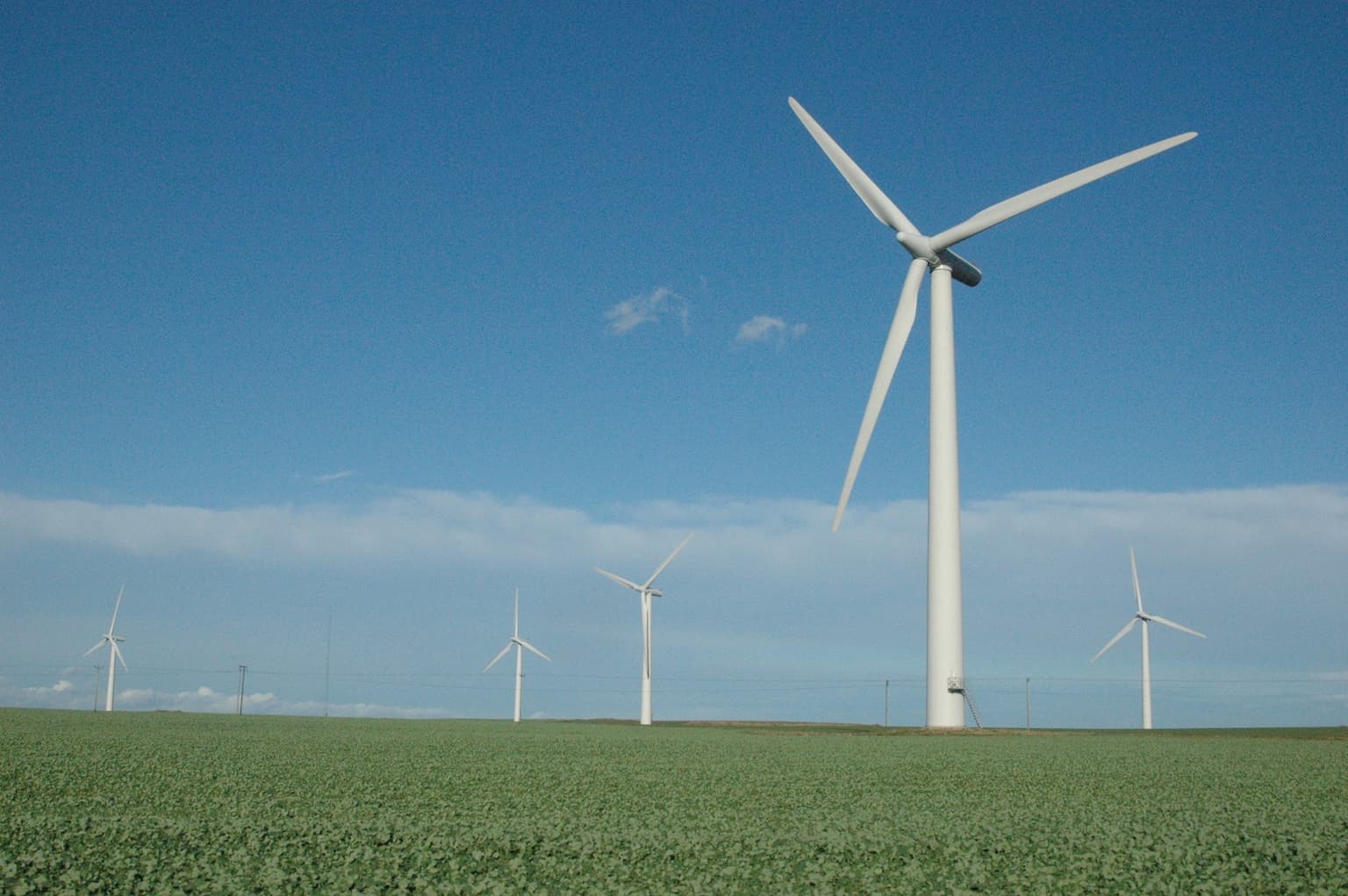
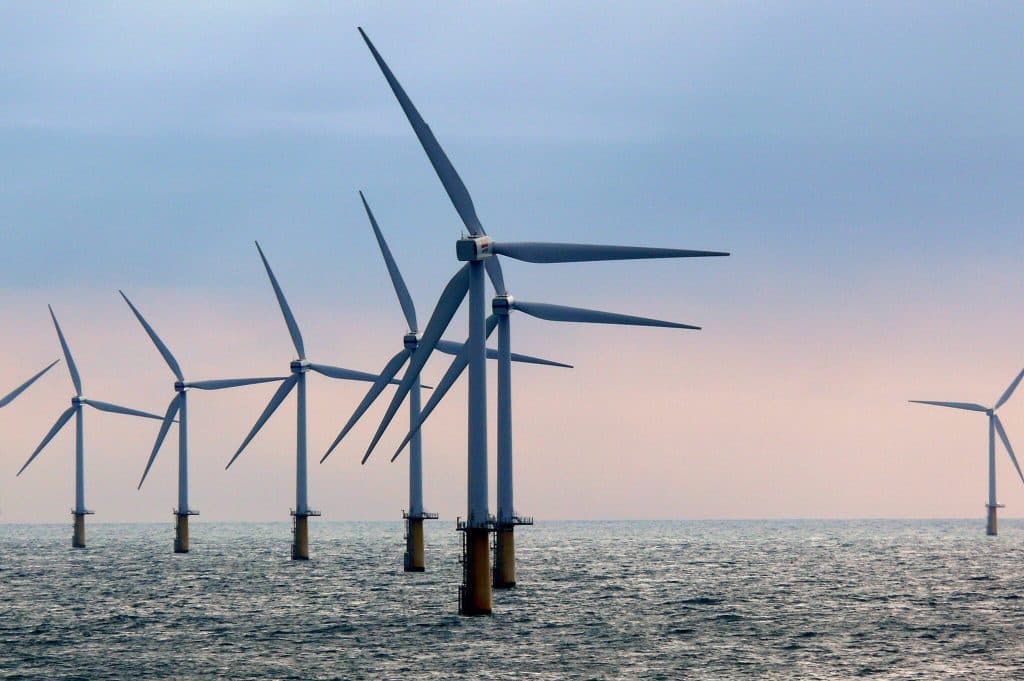
After wind power development began gathering pace in Germany 10 years ago, construction of new capacity slowed. In recent years, additions of new capacity have therefore fallen well below the record levels seen in the second half of the previous decade, mainly because of a low volume of projects caused by lengthy permitting procedures. The situation has recently begun to change, however, with the number of new projects rising sharply. This year, newly commissioned capacity could reach around 5 GW, close to the 2017 record.
Wind farms, together with solar PV, form a pillar of Germany's Energiewende, or transformation of the country's energy sector. While new solar capacity has been added at an accelerating pace in Germany in recent years, wind power development has slowed.
Although 2024 was the first year that could be described as post-crisis, it was exceptional in many respects. Last year brought a record number of hours with negative electricity prices in Czechia, increased generation from renewable energy sources, lower generation from coal-fired plants and a reduction in wholesale prices for consumers. These were not the only changes affecting the Czech energy sector. The findings are set out in an almanac full of interactive charts from oEnergetice.cz and price comparison website Ušetřeno.cz.
In collaboration with price comparison website Ušetřeno.cz, we have prepared a comprehensive report on electricity generation in 2024. At oEnergetice.cz, we provide an in-depth account of developments in the electricity sector in 2024, illustrated with interactive charts. Our colleagues at Ušetřeno.cz add an overview of developments in the retail electricity and gas supply market.
Energostat: electricity generation in the Czech Republic
Data in this chart is also available in 15-minute resolution60min15min
Energostat: electricity generation in Germany
Data in this chart is also available in 15-minute resolution60min15min
More up-to-date charts and data are available on Energostat
Translation disclaimer
This article is a machine translation of the Czech original and has not yet been fully reviewed. In case of any doubt, please refer to the Czech version.