Top 10 energy stories of the past week

This week, we once again bring you a carefully selected list of the ten most important articles published on the oEnergetice.cz website. If you missed any of them, here is a selection of the articles that attracted the most interest from our readers. Best of luck in the new week!
1. Signatories to the Paris Agreement increase their decarbonisation commitments
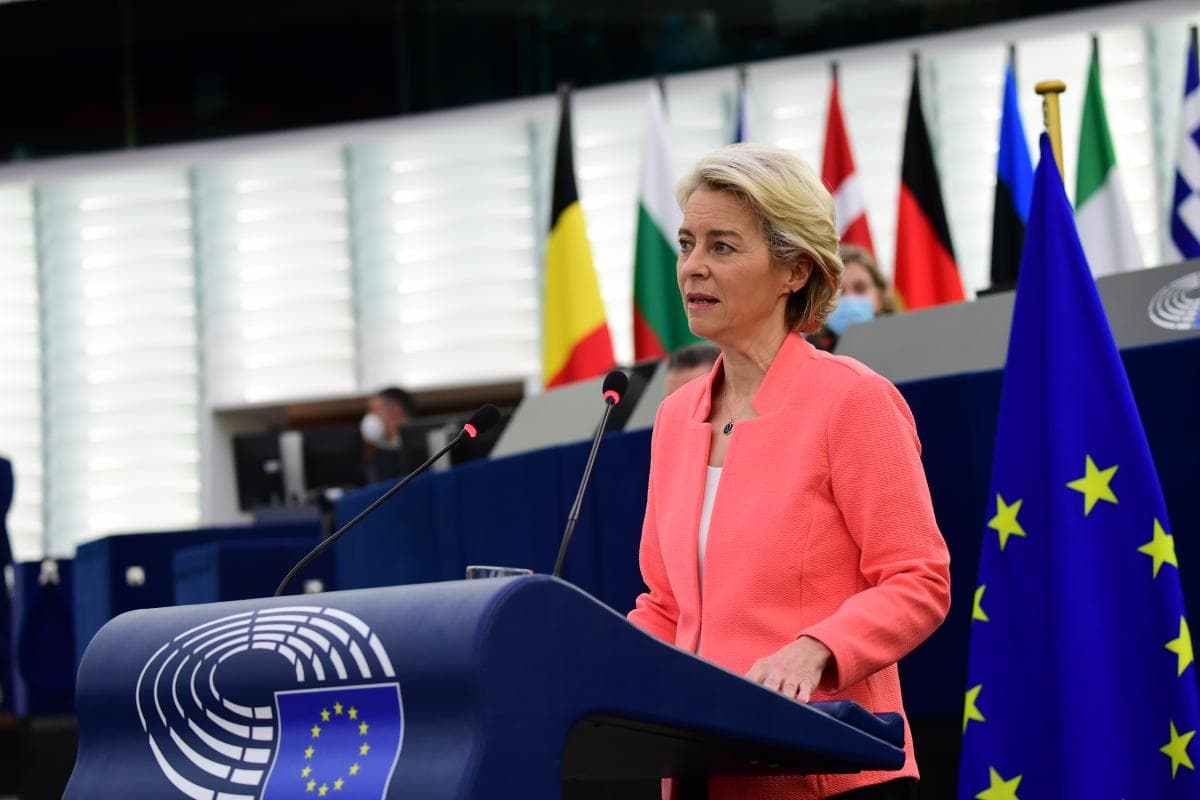
You might think that climate is out of fashion. Donald Trump withdrew from the Paris Agreement, while Andrej Babiš posted a video on his Facebook page titled “The Green Deal is a fraud and Europe must scrap it.” But the recently announced commitments by New Zealand and Switzerland, along with the European Commission’s approach, are in direct contrast with the US president’s actions and Andrej Babiš’s wishes.
Last week was full of climate-related statements. They began with European Commission President Ursula von der Leyen, who presented the European Union’s Competitiveness Compass in Davos. Following recommendations by Mario Draghi, an economist and former Italian prime minister, it sets out measures needed to boost the EU’s competitiveness on the global stage.
Read the full article HERE.
2. Dispute over the future of heating in Germany: CDU and FDP want to repeal recently passed law

Germany’s CDU and FDP parties have said ahead of the snap election that they plan to repeal a law drafted by the Green Party that aims to decarbonise heating in Germany. Economy Minister Robert Habeck of the Greens warned that repealing the law, which aims to reduce unacceptably high emissions from heating, would be “fatal.”
Germany’s Energy Performance of Buildings Act, sometimes called the Heating Act, requires heating systems installed in new buildings in newly developed residential areas to use at least 65% energy from renewable sources. New buildings outside newly developed residential areas can still install conventional heating systems during a transitional period. From 2045, it will no longer be possible to operate fossil-fuel boilers.
Read the full article HERE.
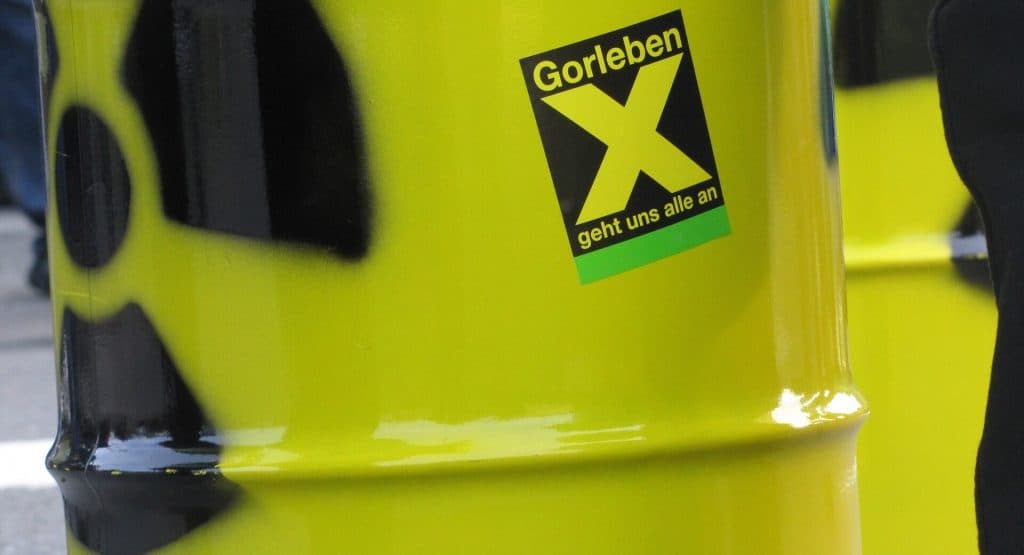
3. Russian floating nuclear power plant generates its first TWh of electricity

The Akademik Lomonosov, the first commercially operated floating nuclear power plant, is approaching the fifth anniversary of its launch. During that time, its two units, each with a capacity of 35 MW, have generated 1 TWh of electricity. The operator has already replaced the nuclear fuel in both reactors of the 21,000-tonne floating plant, allowing the units to operate for more than three years.
Russian energy company Rosatom announced that its first floating nuclear power plant, Akademik Lomonosov, had reached an important milestone. During its operation in Russia’s Chukotka region, it has generated 1 TWh of electricity. The plant has two KLT-40S reactors, with a total electrical capacity of 70 MWe and a thermal capacity of 150 MWt.
Read the full article HERE.
4. European Commission: End fossil fuel subsidies by 2030
At the end of January, the European Commission published its regular report on energy subsidies, highlighting the need to phase out fossil fuel subsidies by 2030 and redirect them towards supporting the energy transition. The 2022 energy crisis led to a temporary increase in fossil fuel subsidies, but maintaining them over the long term could jeopardise investment in clean energy and deepen dependence on fossil fuels, reports S&P Platts.
The 2024 report on energy subsidies in the EU is the Commission’s sixth annual report monitoring energy subsidies and progress towards phasing out fossil fuel subsidies in EU member states. It points to the still relatively high share of fossil fuel subsidies in the EU and highlights the need for greater transparency.
The Commission proposes adjusting the current subsidy system to level the playing field between technologies and support the development of clean energy instead of perpetuating dependence on fossil fuels.
Read the full article HERE.
5. EU energy consumption continues to decline over the long term
The European Union has published official data on energy consumption for 2023. The year saw a significant decline in both primary and final energy consumption, as well as an improvement in energy efficiency.
As the EU noted on the website of the European Environment Agency, further measures will be needed to sustain progress and meet the 2030 targets. According to official data, primary energy consumption (PEC) in the EU fell by 3.9% in 2023, while final energy consumption (FEC) declined by 3.0% compared with the previous year, 2022.
Read the full article HERE.
6. Denmark cancels offshore wind auction and revises terms after last year’s fiasco
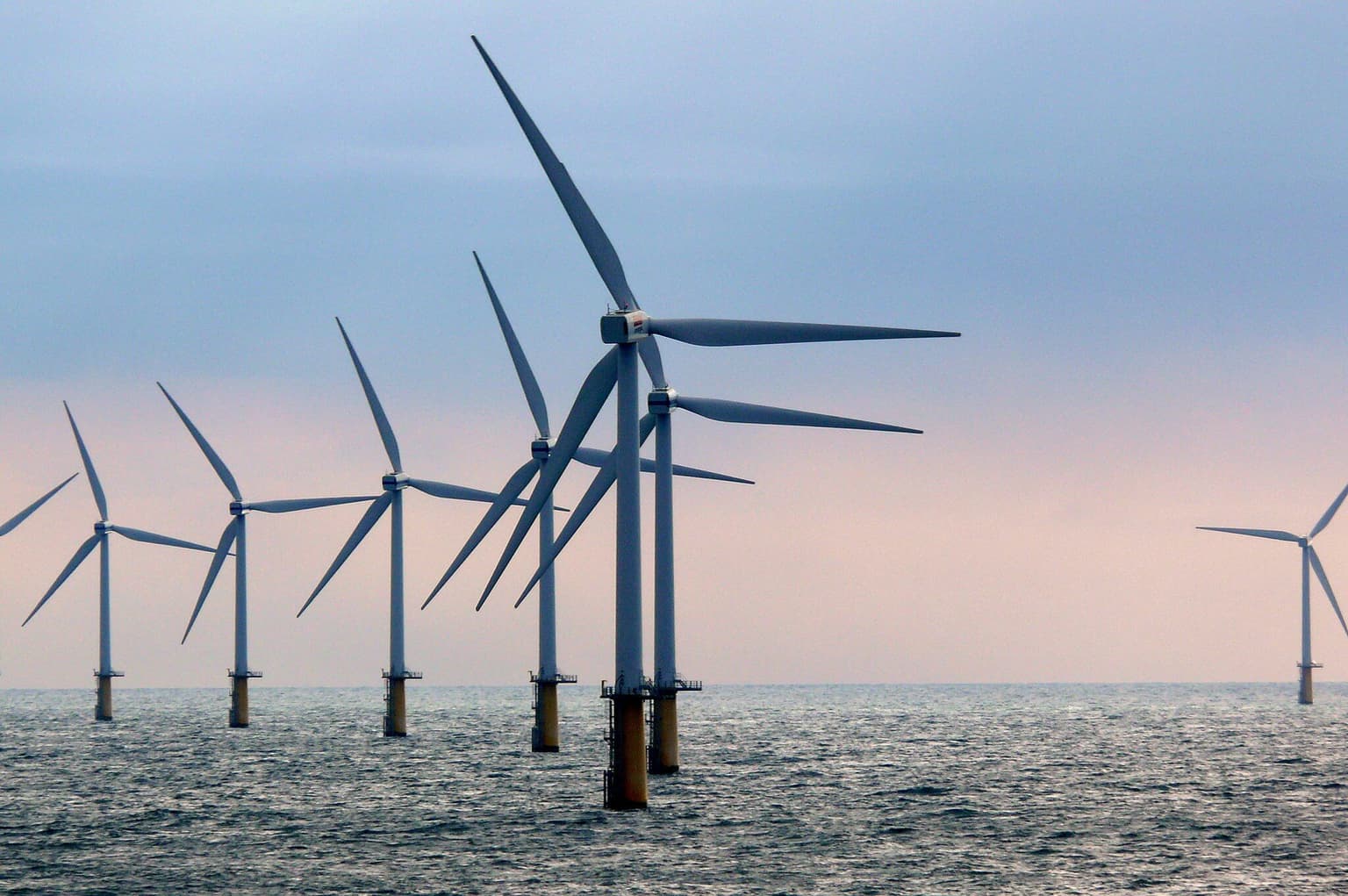
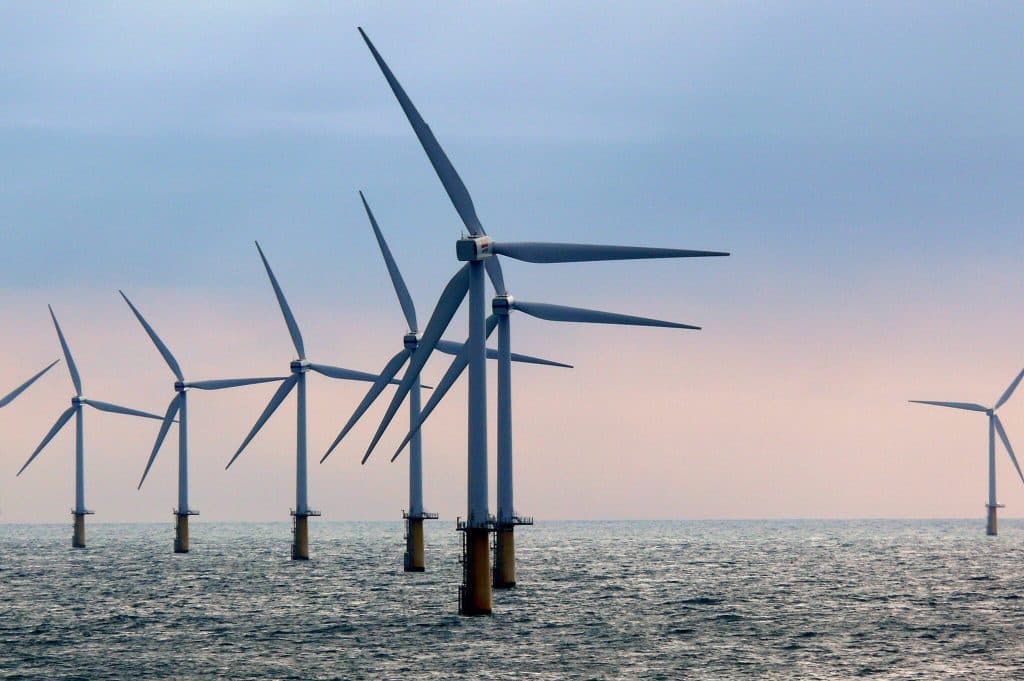
The offshore wind sector has faced a challenging situation in recent years, with projects grappling with rapidly rising costs. This has made investors reluctant to pay for sites awarded for their projects; instead, they are seeking support. The Danish government has announced that it intends to cancel the ongoing auction for 3 GW of capacity and replace it with a process offering more attractive terms.
While a few years ago offshore wind developers competed in auctions by offering to build without subsidies, the situation has now changed. The main reason is rising costs of developing offshore wind farms throughout the supply chain. Developers are now reassessing their projects, and in several cases some have even been halted.
Read the full article HERE.
7. Investors urge European Commission not to weaken sustainability rules
This month, the European Commission will publish a proposal to simplify reporting requirements under sustainability policies, whose excessive complexity some companies have complained about. Investors managing assets worth 6.6 trillion euros have urged the European Union not to weaken its sustainability rules.
The Commission is expected to present an Omnibus package on 26 February to amend key sustainable finance regulations. More than 200 financial sector organisations, including 162 asset owners and managers that collectively manage assets worth 6.6 trillion euros, have signed a joint statement urging the European Commission to “preserve the integrity and ambition” of the EU sustainable finance framework.
Read the full article HERE.
8. Nuclear power generation in France continues to recover; EDF raises targets

Nuclear power generation in France has recovered significantly over the past two years after falling below 300 TWh annually in 2022. At the end of last week, French utility EDF revised its generation targets for this year and next. These remain relatively conservative, however, compared with management’s plans to raise nuclear output to 400 TWh a year. Thanks in part to the recovery in nuclear generation, France is exporting large volumes of electricity, with exports reaching a new record last year.
France’s nuclear sector had a strong year last year, with output recovering to levels comparable to 2021. Nuclear generation in the country fell in 2021, and especially in 2022, primarily due to extensive outages related, among other things, to stress corrosion and inspections of numerous welds. In 2024, however, nuclear generation in France recovered strongly, exceeding 361 TWh. That was more than 80 TWh higher than in 2022, a figure greater than the Czech Republic’s total electricity generation.
Read the full article HERE.
9. German companies struggle to meet CBAM requirements
German companies are facing difficulties in meeting carbon emissions reporting requirements under the Carbon Border Adjustment Mechanism (CBAM), which has been in force since the third quarter of 2024. According to a recent survey by Deloittearound three-quarters of companies are unable to accurately report their suppliers’ emissions outside the EU.
A survey conducted last autumn among 200 private-sector executives found that more than half (53%) of the companies surveyed could not provide actual emissions data for their foreign suppliers. Only 6% of companies said they could do so, while 21% could provide the data only in part.
Read the full article HERE.
10. Chamber: In Czechia, only solar power is driving renewables growth; other sources lag behind
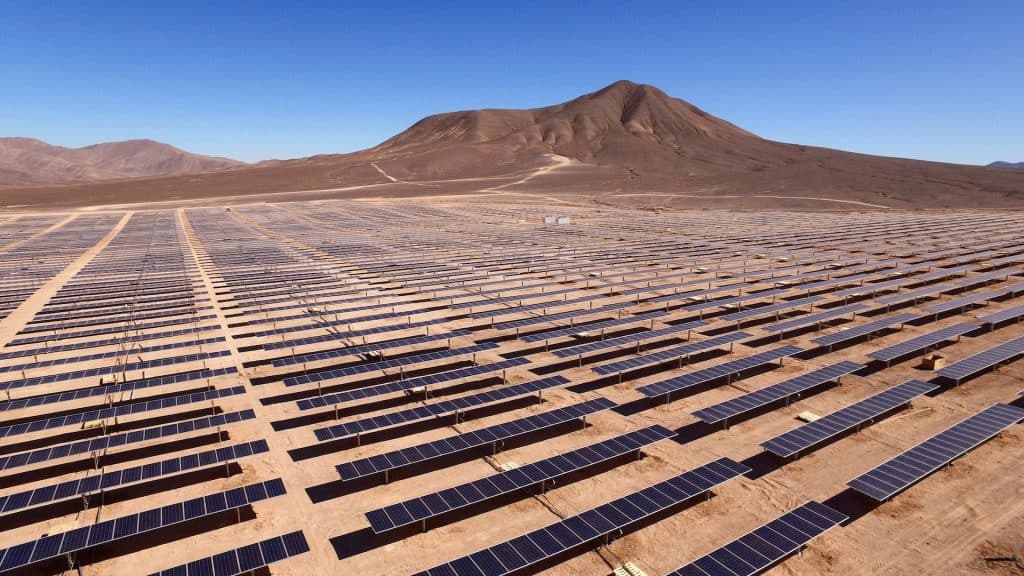
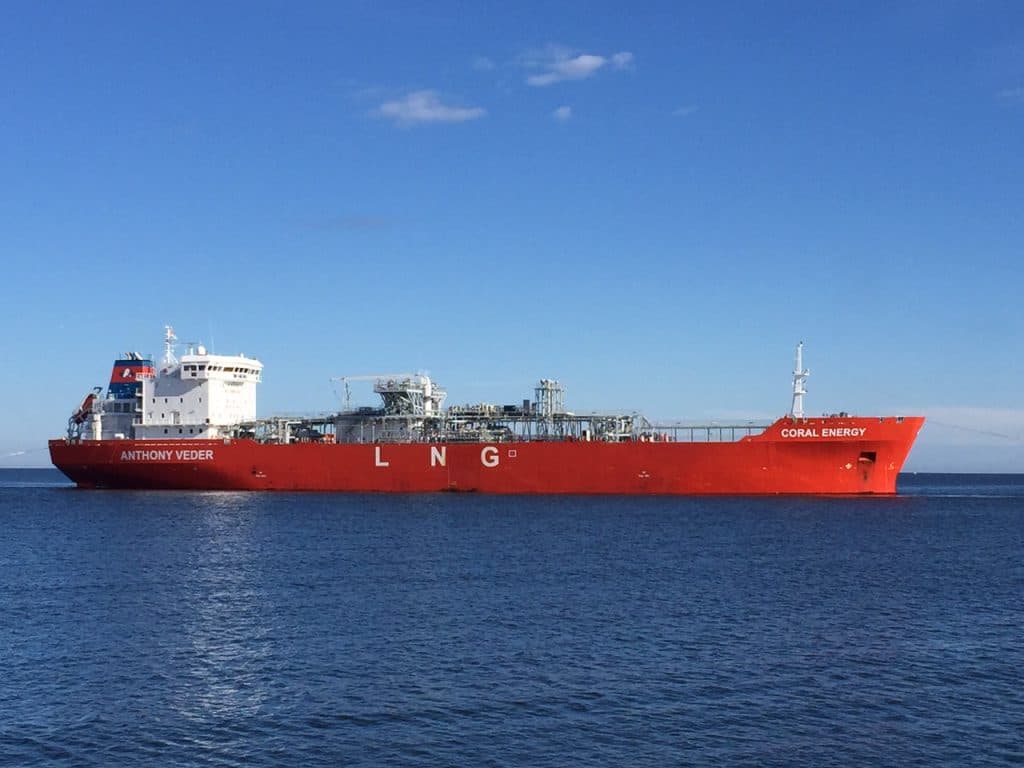
In Czechia, only solar power is driving the development of renewable energy sources, while other sources continue to lag behind. Government measures are also contributing to this. Representatives of the Czech Chamber of Renewable Energy Sources (Komora OZE) said this at a press conference today. They said the state is relying too heavily on gas in its future plans, at the expense of renewables. A small positive is the gradual development of wind power, although progress remains very slow, they noted.
“The 2022 energy crisis focused our attention on renewable energy sources and on supporting their faster development. But two or three years on, it is becoming clear that only solar power has taken off. Wind power may be at the start of a new beginning, but the rest of the renewable energy sector is still waiting for its opportunity,” said Štěpán Chalupa, chair of the Chamber of Renewable Energy Sources.Read the full article HERE.
Energostat: electricity generation in the Czech Republic
Energostat: electricity generation in Germany
Find more up-to-date charts and data on Energostat
Translation disclaimer
This article is a machine translation of the Czech original and has not yet been fully reviewed. In case of any doubt, please refer to the Czech version.