27 October 2026, 06:15
Loading...
New gas package – Part 3: Network planning, security of supply and ban on Russian gas
Veronika Jurcová
15 May 2024, 15:01

On 11 April, the European Parliament approved a package designed to facilitate the deployment of renewable and low-carbon gases. It also aims to coordinate the planning and operation of the EU energy system, introduces measures to improve energy security and allows imports of gas from Russia and Belarus to be blocked.
The gas package – key points
- Creating hydrogen infrastructure and a market
- Renewable and low-carbon gases
- Integrated network planning
- Supporting consumer engagement
- Energy security and supply
Integrated network planning
One of the package’s aims is to improve the integrated planning of electricity, gas and hydrogen networks in order to make more efficient use of the costs of developing energy infrastructure. This should help better coordinate the planning and operation of the EU’s entire energy system across different energy carriers, infrastructure and consumption sectors.
Specific measures focus on coordinating existing national plans and integrating them more effectively. National network development plans should be based on common scenarios for electricity, gas and hydrogen. These measures should be consistent with national energy and climate plans and the EU-wide ten-year network development plan (TYNDP).
Energy security
In light of recent events, such as the sharp rise in energy prices in 2021 and Russia’s invasion of Ukraine in 2022, security of supply has become a key issue requiring both immediate action and long-term strategies.
At the same time, the decarbonisation of the energy sector can succeed only if the energy security and resilience of the EU energy system are ensured. Various factors, including technical failures, natural events, cyberattacks and geopolitical conflicts, can disrupt gas transport routes, potentially threatening supplies to some European countries.
The gas package therefore amends the Regulation on the security of gas supply, extends its scope to renewable and low-carbon gases, and adapts it to new risks such as cyber threats.
The agreement includes provisions on solidarity. In the event of a crisis, a Member State may ask another Member State to provide gas supplies on market terms, even if no bilateral agreements are in place. Crisis management procedures have also been strengthened by adding safeguards for cross-border gas flows during an emergency and allowing non-essential consumption to be reduced.
Strategic reserves
The revised Regulation on the security of gas supply (SoGS) introduces several key changes. It newly defines the term “strategic reserves” and requires Member States to ensure the effective use of infrastructure and storage facilities, including by allowing cross-border exchanges. It also introduces joint risk assessments at regional level.
The new legislation allows Member States to establish a mechanism for the joint procurement of strategic reserves by transmission system operators (TSOs) as a preventive measure to ensure security of gas supply. This change will allow each TSO in the EU to decide whether or not to join the new mechanism.
Ban on Russian gas
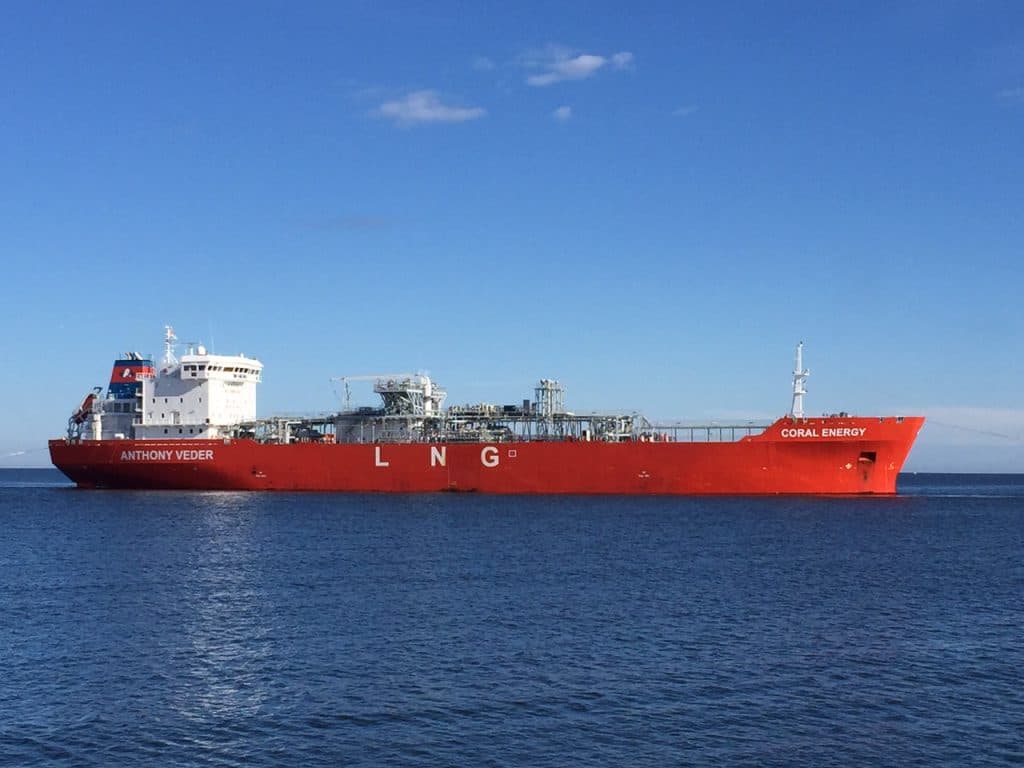
The new legislation will also allow European governments to block imports of gas from Russia and Belarus, whether by pipeline or as LNG, by preventing Russian companies from booking capacity in gas infrastructure. The European Union has thus avoided imposing sanctions on Russian gas, on which some members still rely. Gas from Russia is also imported by the Czech Republic, while heavy dependence on it also persists in Slovakia, Hungary and Austria.
The aim of the new gas policy is to create a legal route for governments to block supplies of Russian gas to their country, although no major importer has yet indicated that it will use this option.
Translation disclaimer
This article is a machine translation of the Czech original and has not yet been fully reviewed. In case of any doubt, please refer to the Czech version.
Sdílejte článek prostřednictvím:
You might also like
26 October 2026, 19:59
26 October 2026, 14:24