11 August 2026, 13:42
New EU climate targets: eighteen hours of talks, minor concessions and Czechia opposed
Vojtěch Kříž
7 November 2025, 06:28
This article is a machine translation of the Czech original and has not yet been fully reviewed. In case of any doubt, please refer to the Czech version.
After exceptionally lengthy negotiations, environment ministers agreed to weaken the 2040 climate targets and set a new climate plan for 2035. The new 2035 plan envisages a reduction in European carbon emissions of between 66.25% and 72.5% compared with 1990.
The plan is not legally binding, but is intended to set the direction of European climate policy for the next several years. According to POLITICO, its figures correspond to an informal declaration the EU presented at the climate summit in New York in September, and are intended to precede COP30 talks, which begin next week in Brazil.
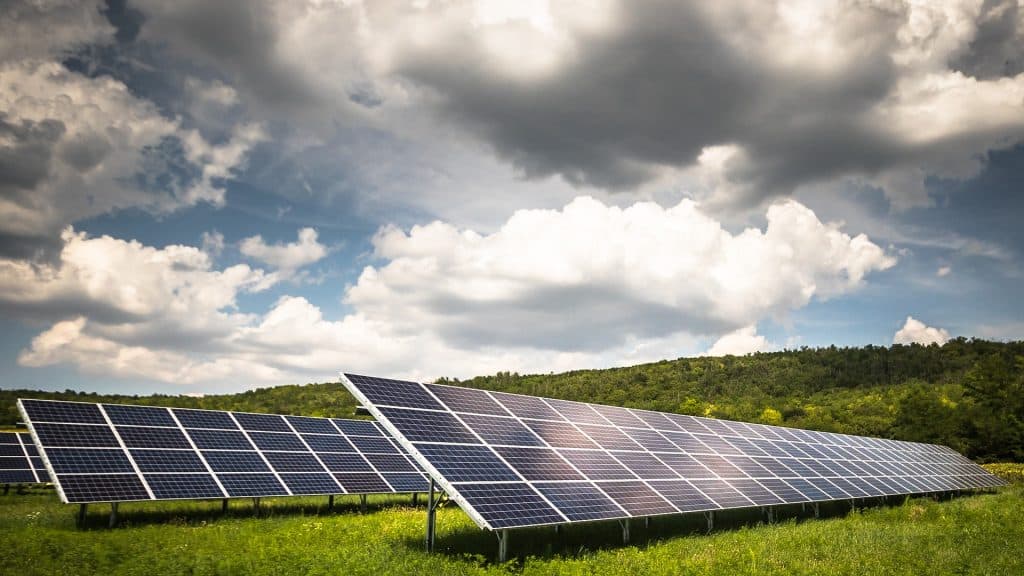
Much attention has focused on a concession by the European Commission, which allowed the 2040 targets to be reduced from the originally proposed 90% compared with 1990 to (de facto) 85%, with countries able to shift the remaining five percentage points outside their territory by purchasing international carbon “credits”. These would then fund, for example, forest planting or a transition from coal to solar power plants in the developing world. Countries can also reduce a further five percentage points from their national targets in the same way.
Another concession was the likely one-year postponement of the ETS 2 system, which introduces charges for CO2 emissions from transport and buildings, to 2028.
The agreement for 2040 is legally binding, but ministers added a clause allowing these 2040 targets to be reviewed and potentially adjusted if climate policy has a negative impact on the European economy.
Czech position
Belgium and Bulgaria abstained. Czechia, together with the other V4 members, opposed even this form of agreement, but the vote was held by qualified majority and, as the rest of the “EU-27” supported the proposal, it was adopted after eighteen hours of negotiations.
Outgoing Czech Environment Minister Petr Hladík said upon arriving at the talks that Czechia would not support the proposed targets.
He commented on the final agreement to Czech Television as follows: “Not all the requirements for the Czech Republic to vote in favour of this proposal were met.”
On his social media account, however, he presented some of the negotiated concessions as a Czech success. In particular, he highlighted the reduction in the targets, the fact that they are binding on the entire bloc rather than individual countries (unlike some previous “burden-sharing” agreements), and a more flexible approach to alternative fuels.
Expectations and reactions
Both the German and French environment ministers emphasised before the talks that it was important for European countries to arrive in Belém for the COP conference with climate targets prepared. Before the meeting, the European Commissioner for Competition said that lowering the targets would lead to wasted money and was “a sign of weakness and incoherence with economic and human consequences.”
The Danish Minister for Climate and Energy – whose country currently holds the presidency of the Council of the EU – commented as follows: “Setting a climate target is not simply about choosing a number; it is a political decision with significant consequences for the continent. That is why we worked to provide reassurance that we will achieve it in a way that preserves competitiveness, social balance and security.
International organisation Greenpeace described the outcome as “botched” and pointed out that it does not align with the recommendation of the European Scientific Advisory Board on Climate Change.
Source: International Institute for Environment and Development
COP30
The reason these negotiations took place at all is that the COP30 conference begins next week (opening talks among heads of state begin in the second half of this week) and the EU needed to have some binding targets it could present to the UN, thereby showing that it is fulfilling the Paris Agreement.
Much is expected from the conference, and it may define the near future of climate policy. Above all because the United States will not participate at a high level at all, it will nevertheless probably be one of the main topics.
Brazil has its own plan that it wants to push through, while the UN will seek fulfilment of the Paris Agreement from its signatories and to keep the multilateral approach together. The EU will also want to continue playing a leading role on climate targets, but as the outcome of these negotiations shows, even its ambitions have limits.
Sdílejte článek prostřednictvím:
You might also like
10 August 2026, 15:50
10 August 2026, 09:33