
12 October 2026, 12:20
Loading...
Is the market underestimating the oil shock? Without a political solution, prices will rise further
Vojtěch Kříž
4 May 2026, 09:56
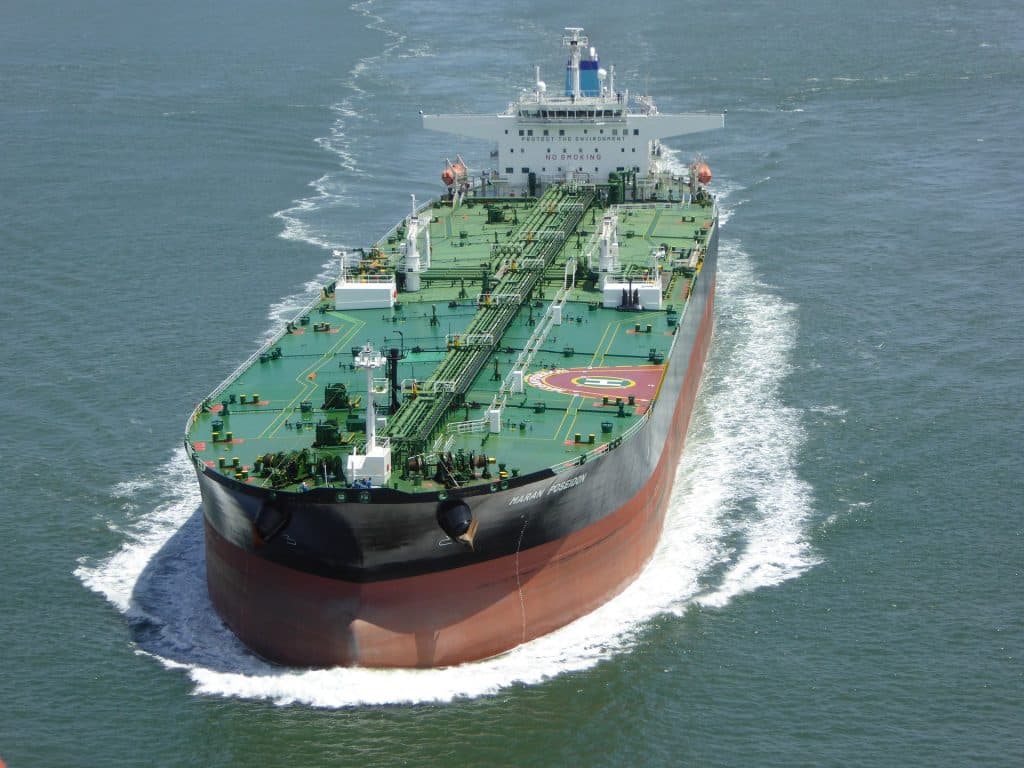
For more than two months, around 13 million barrels of oil a day have been trapped in the Strait of Hormuz. This is the largest disruption in the history of the oil market. Prices, however, have remained elevated but not catastrophic, as some had predicted. Why is that?
Many people point out that at one point during the 2008 crisis, the price of oil was almost twice as high in inflation-adjusted terms. Given the massive supply disruption, there should therefore be much greater panic and a far sharper rise in prices.
Some argue that traders are underestimating the situation; others have even speculated that the U.S. Treasury intervened in the oil markets, a claim repeatedly denied by U.S. Treasury Secretary Scott Bessent. We have, however, seen sanctions eased in an effort to temporarily bring down oil prices.
Asia on the brink
Asia is by far the largest consumer of oil, and therefore the region hardest hit by the current crisis. In many poorer countries in the region, oil reserves have already been depleted, leading to rationing, reduced refinery operations and a situation in which poorer residents are no longer buying oil products.
In April, JPMorgan estimated that demand had fallen by 4.3 million barrels a day, with Asia accounting for 80% of the reduction. If the current situation continues and the prices of products such as diesel and jet fuel rise, the effects will spread to other regions as well.
Even the region’s wealthier countries are in trouble, although they can weather the crisis better in the short term. If it lasts several months, however, they too will feel the full impact. Japan has begun buying Russian oil and releasing its national reserves. China is coping better than expected as a consumer and has even lifted its suspension of exports of oil and its products. At the same time, it is once again talking more about domestic sources and is likely preparing to ignore some U.S. sanctions.
The region is on thin ice overall. Even if the conflict ended with the Strait reopening in early May, commodity prices would remain elevated for the rest of the year. That also means higher prices for other commodities, such as fertilisers, and therefore for food. This will lead to inflation and economic problems; moreover, governments have effectively run out of policy tools to ease the burden on people or markets.
USA
The United States triggered the current situation with its military action. Although some point out that U.S. companies are making money from higher oil prices, that does not mean American consumers will escape the effects of turbulence in global markets.
If you look only at stock markets, it may seem that the crisis has been averted. The S&P 500 has recovered its losses from early March and reached new highs. This rally is being driven by technology companies and the boom in artificial intelligence and data centres. These companies are also thought to be better able to absorb shocks.
According to JPMorgan, the price of gasoline in the U.S. has risen by 42% compared with the pre-war period. Only some Asian countries have seen larger increases. According to the Financial Times, the U.S. has recorded the largest rise in gasoline prices in the G7. It should be added, however, that fuel prices in the U.S. have long been lower than elsewhere, partly because of lower taxes.
Some countries have responded by cutting taxes, introducing subsidies or taking other measures to ease the impact on consumers. The U.S. has not taken similar steps so far. Since the oil market is global, American consumers are competing for supplies with others—especially Asian buyers, who are driving prices up.
According to the Financial Times, if prices remain high, political pressure is likely to grow for restrictions on U.S. exports of oil and oil products. Trump tried to pressure oil companies to increase production, but they are resisting, as shareholders would rather receive dividends than see investment in additional production during a period of uncertainty.
Europe and the Czech Republic
The EU’s response to the energy crisis has so far avoided putting pressure on consumers to reduce consumption. Brussels has moved to allow state aid or compensation for companies, while rhetorically endorsing the ongoing transition to clean energy. Some criticise the possibility of state aid on the grounds that it will benefit wealthier countries and that the measures do not clearly define their target groups.
In the Czech Republic, a price cap was introduced and the state cut taxes on diesel. According to Industry Minister Havlíček, the government has other ways to ease energy prices, but has not yet resorted to them.
What next?
May is expected to be when reserves and supplies at various stages of transit begin to run out. Some analysts say early June could prove to be a turning point.
Frederic Lasserre, who leads research for one of the largest oil traders, expects further reductions in consumption. Amrita Sen of Energy Aspects said that if the conflict continues until the end of June, the global market could exhaust most of its available spare capacity.
The outcome of political negotiations is uncertain, and the blockade of the Strait of Hormuz may continue. Donald Trump suggested that the current situation could last for several months, which was one of the factors behind the recent rise in prices.
The question remains how the U.S. administration will respond if the effects begin to show more clearly in economic statistics and markets. A political solution still seems a long way off, as the two sides’ positions are sharply divided. Oil prices could therefore reach levels never seen before.
Translation disclaimer
This article is a machine translation of the Czech original and has not yet been fully reviewed. In case of any doubt, please refer to the Czech version.
Sdílejte článek prostřednictvím:
You might also like

12 October 2026, 10:27

12 October 2026, 07:40

11 October 2026, 20:09

11 October 2026, 08:24