Top 10 energy stories from the past week
This week, we once again bring you a carefully selected list of the ten most important articles we published on oEnergetice.cz. If you missed any of them, here is a selection of the articles that attracted the most interest from our readers. Good luck in the new week!
1. The surplus of emissions allowances on the market has grown, with more than 270 million to be withdrawn from circulation
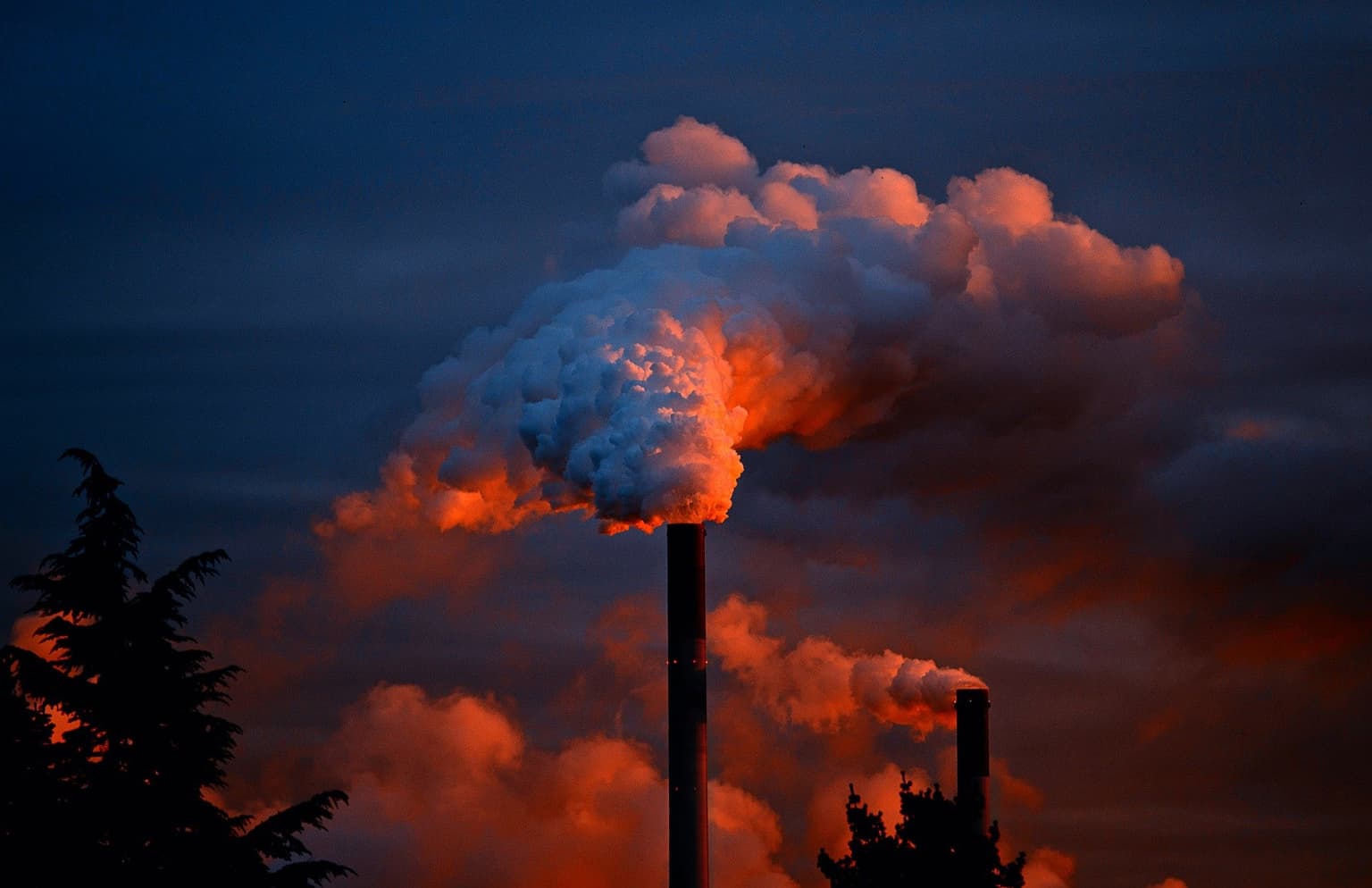
The surplus of emissions allowances on the market, equivalent to the number of allowances in circulation, rose by around 3% year on year to 1.148 billion allowances (equivalent to 1.148 billion tonnes of CO2). Under the rules of the so-called Market Stability Reserve (MSR), a further 276 million allowances will therefore be gradually withdrawn into the reserve between September 2025 and August 2026. The European Commission reported this.
The European Union decided to establish the MSR in 2015, when emissions allowance prices were well below EUR 10/t CO2 and the EU was looking for a way to bring prices to a level that would incentivise operators covered by the EU ETS to implement decarbonisation measures.
Read the full article HERE.
2. Germany’s Wendelstein 7-X breaks world record in fusion energy

The world’s largest stellarator-type fusion device, called Wendelstein 7-X, has broken the world record for a key parameter in fusion physics known as the triple product. In the latest experimental campaign, researchers from Europe and the US achieved a new maximum value for this key fusion parameter—calculated as the product of fuel density, fuel temperature and confinement time—for 43 seconds. This value now surpasses the previous tokamak records for long plasma duration.
A new pellet injector played a key role in achieving the record. It injects frozen hydrogen pellets into the plasma, enabling long plasma durations by continuously replenishing the fuel. The unique injector was developed by the US Department of Energy’s Oak Ridge National Laboratory and successfully commissioned at Wendelstein 7-X. While the device has surpassed the previous tokamak records for plasma duration, tokamaks still hold the records for short plasma durations.
Read the full article HERE.
3. Analysts disagree on whether KHNP will ultimately build at Dukovany
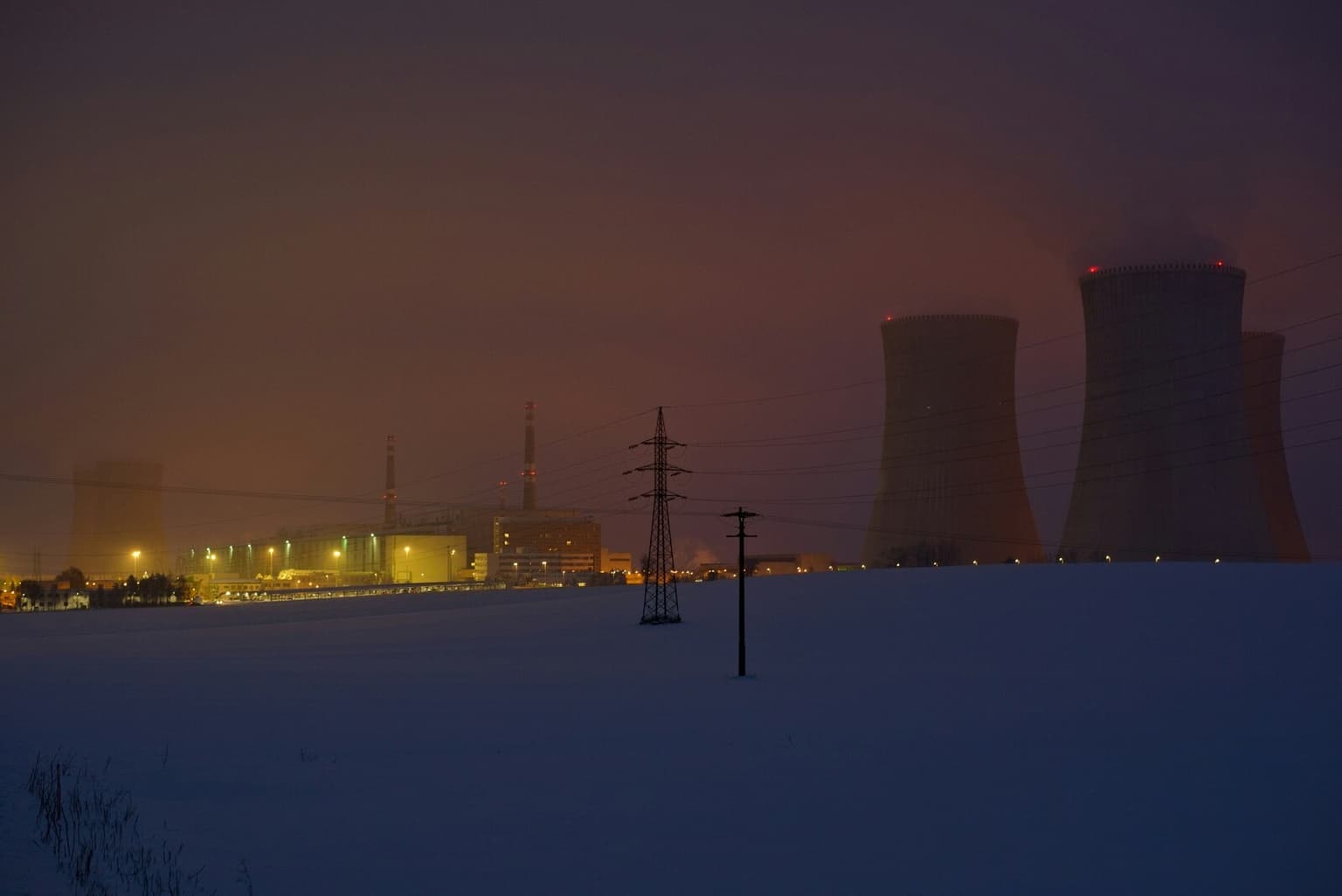
Analysts contacted by the Czech News Agency (ČTK) disagree on whether South Korea’s KHNP will ultimately build new nuclear units at Dukovany, despite the contract being signed today. Petr Bartoň, a data economist at the Datarun platform, believes there is still a significant chance the Koreans will not take part in the project after all, while Finlord analyst Boris Tomčiak considers it more likely that the contract will go ahead as agreed. Both experts told ČTK this evening.
Elektrárna Dukovany II (EDU II) signed final contracts with KHNP this afternoon for the construction of two nuclear units at Dukovany. KHNP won the nuclear tender last year, with the government preferring its bid to those submitted by EDF and Westinghouse. The first new Dukovany unit is expected to be completed in 2036.
Read the full article HERE.
4. More than 10,000 solar owners have not arranged imbalance responsibility and face fines
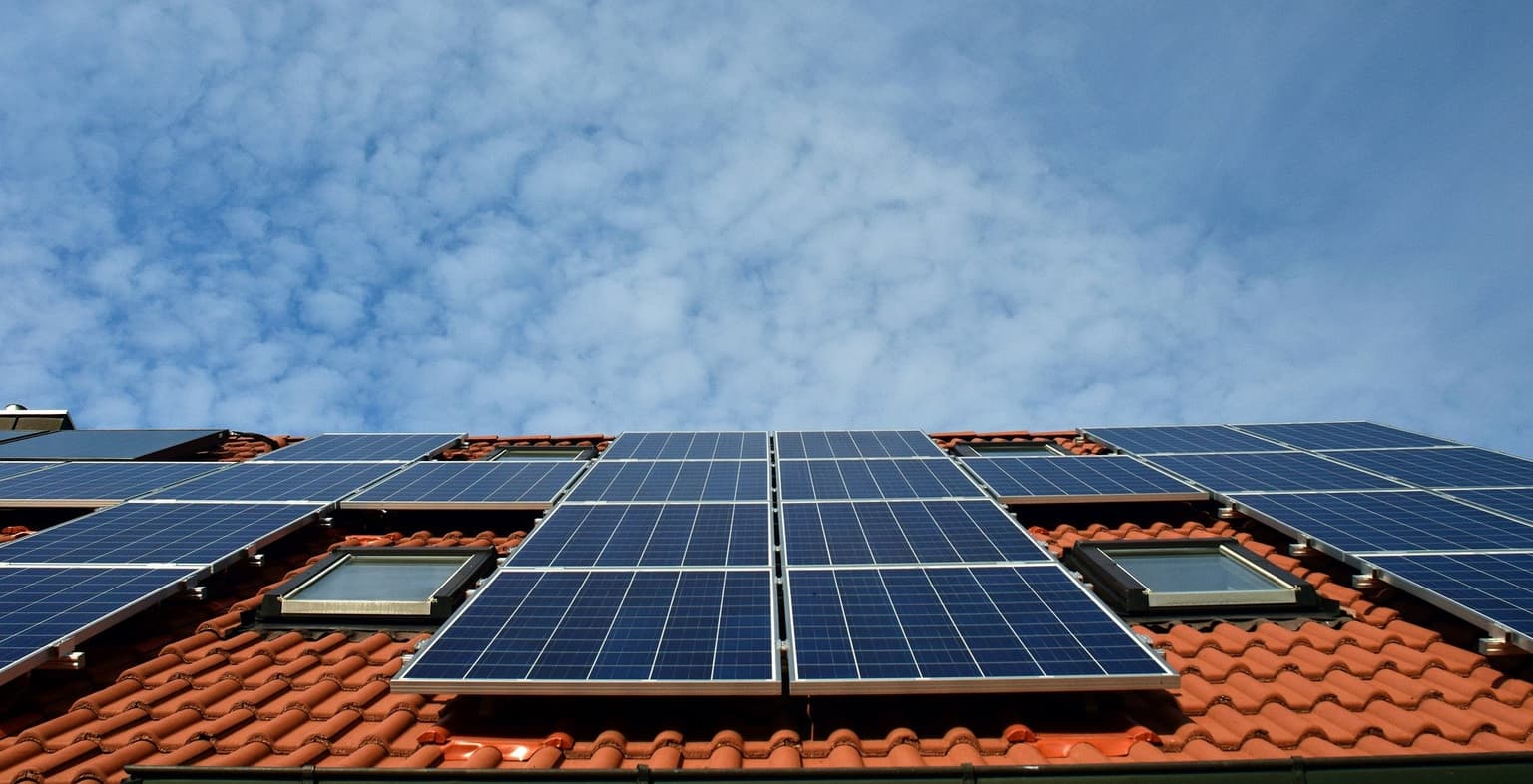
More than 10,000 owners of solar power plants have yet to arrange imbalance responsibility for their installations. From July, they face fines for unauthorised electricity fed into the grid, which could amount to hundreds of crowns a month. Many will probably fail to make the necessary arrangements in time, as the process can take several weeks, according to distributors. This is based on information provided by distributors to ČTK.
Most photovoltaic installations registered by the end of last year have a single combined EAN code, assigned free of charge by the distributor. This is a unique 18-digit code used to identify a connection point. From 1 July, however, solar installations must have two EAN codes under the legislation: one for consumption and one for generation. For the generation code, owners are also required to agree with a chosen trader that it will assume responsibility for the so-called imbalance—that is, the difference between planned and actual generation, which is subject to a charge. Without this, electricity cannot be sold or shared. The requirement also applies to operators who are not contractually authorised to feed surplus electricity into the grid.
Read the full article HERE.
5. Study: Renewables with batteries may have a larger carbon footprint than a gas-fired power plant with CCS
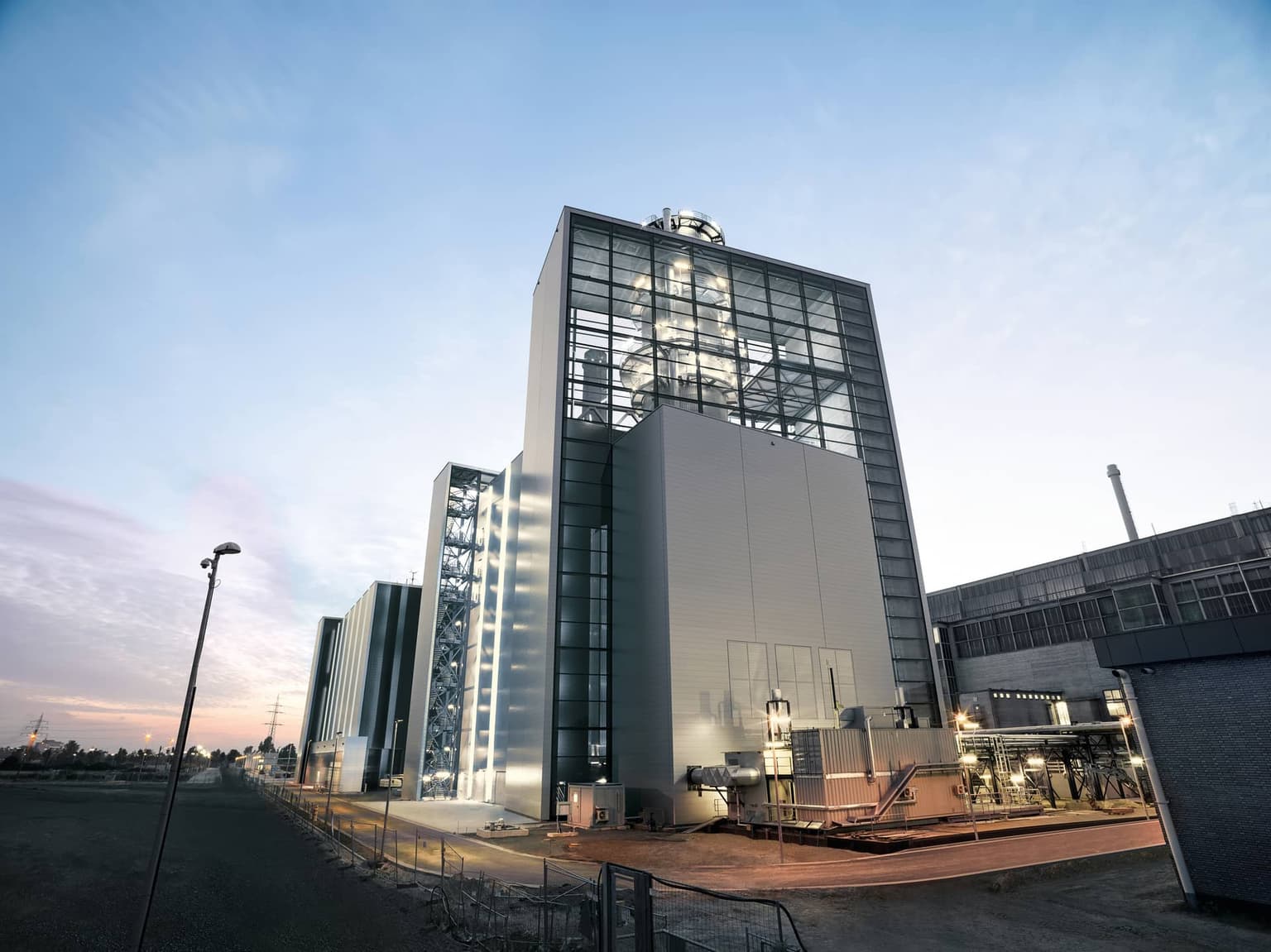
The life-cycle carbon footprint of natural gas-fired power plants equipped with CO2 capture technology may be comparable to that of solar or wind power plants. When battery storage is used to align electricity generation from wind or solar power plants with demand, these renewable sources perform even worse. This is according to a study by researchers at the Oxford Institute for Energy Studies.
Gas-fired power plants will remain an important part of electricity systems in the future because dispatchable generation is needed to meet electricity demand when renewable power generation is insufficient. However, reducing CO2 emissions will require making them “greener”, which can essentially be done in two ways. The first is switching to a low-carbon fuel, such as biomethane or renewable hydrogen. The second is using carbon capture and storage (CCS) technologies while ensuring that greenhouse gas emissions from fuel extraction and transport are kept to a minimum.
Read the full article HERE.
6. Renewables could face stricter requirements following Spain blackout
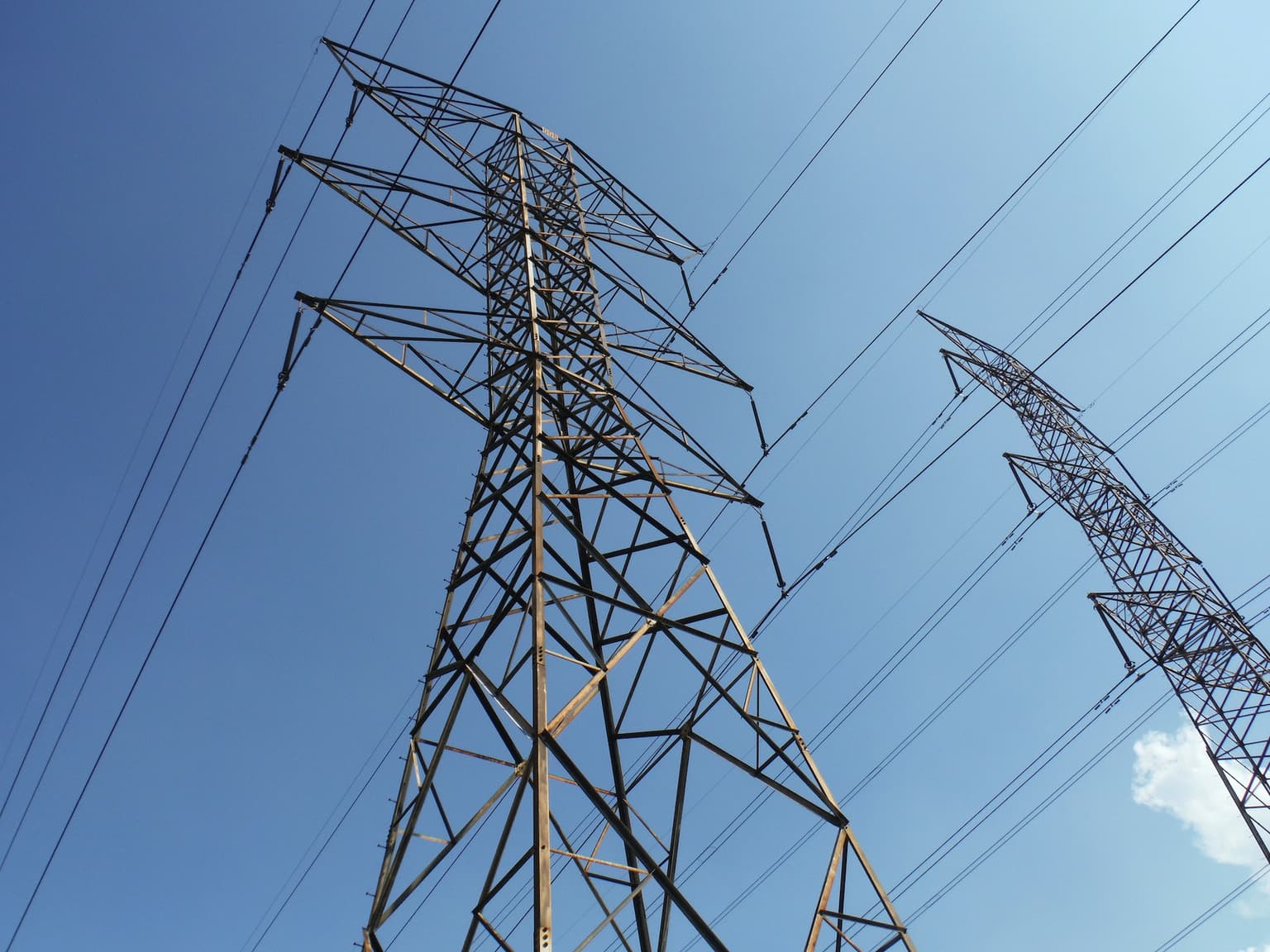
Analysts told Montel that renewable energy sources in Spain are likely to face stricter requirements to ensure the stability of the electricity system in the future. The aim is to prevent outages similar to the one at the end of April.
Spain is likely to require renewable energy developers to incorporate new computational processes into their projects and install equipment providing “synthetic inertia”, said Ana Barillas, director for the Iberian Peninsula at Aurora Energy Research.
Read the full article HERE.
7. IEA: Central and Eastern Europe is not tapping its huge renewable gas potential
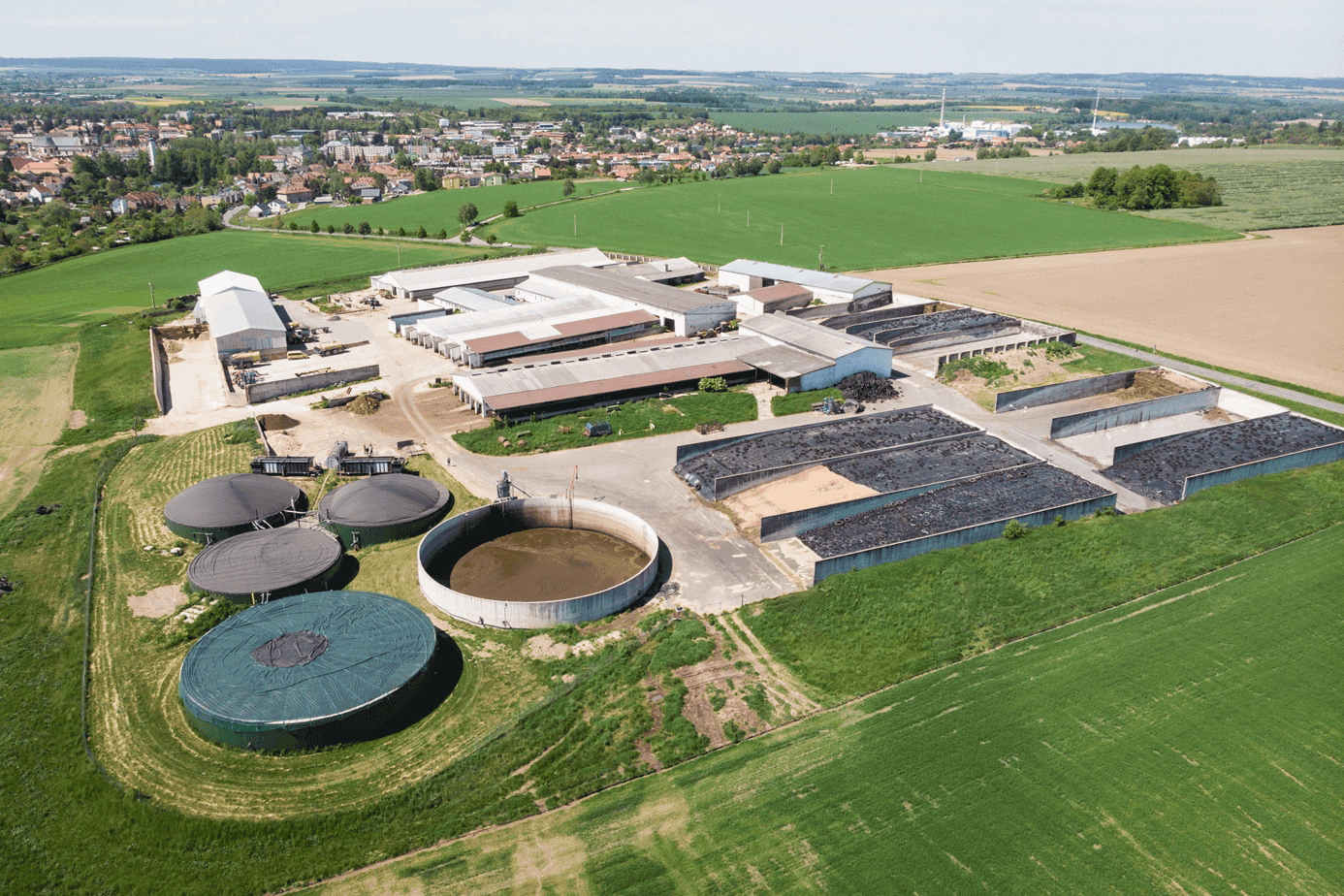
Biogas and biomethane production in Europe has grown significantly in recent years. However, a new report says it still falls far short of what available feedstocks and technological capabilities could support, particularly in Central and Eastern Europe. According to the International Energy Agency, biomethane could eventually meet up to a fifth of global gas consumption. As much as 80% of the potential for new production is in China, India and Brazil.
Europe is now one of the global leaders in biomethane and biogas production. In 2023, biogas production in Europe reached approximately 22 billion cubic metres (bcm), of which 4.9 bcm was biomethane. This is equivalent to around 8% of total gas consumption across the EU, which has stood at around 400–450 bcm in recent years.
Read the full article HERE.
8. Regional court: EDF could seek compensation if it wins nuclear tender dispute
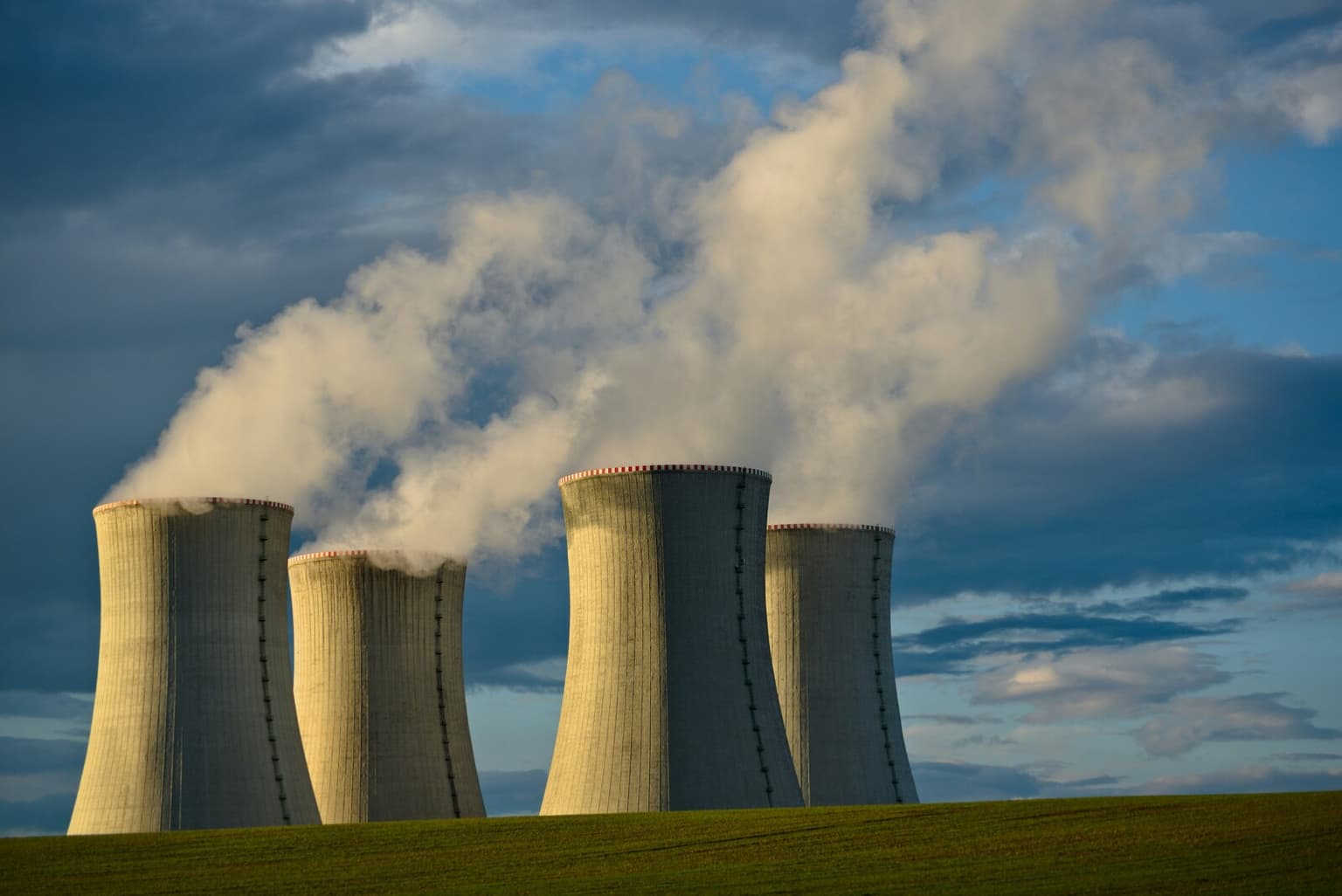
If French company EDF were to win its dispute with the Czech Office for the Protection of Competition (ÚOHS) over the Dukovany nuclear tender after a contract had been signed with the winning company, it could seek compensation from the contracting authority. Martina Charvátová, acting spokesperson for the Regional Court in Brno, said this in response to a question from ČTK. The Supreme Administrative Court today overturned a preliminary injunction issued by the regional court that had prevented the contract from being signed, and the contracting authority, EDU II, signed a contract with the winning company KHNP to build new units at Dukovany.
EDF, whose bid did not win the tender, challenged the competition authority’s decision in the Regional Court in Brno. The authority had ruled that the tender was conducted properly. The lawsuit prompted the preliminary injunction, now overturned, which had prohibited the contract from being signed.
Read the full article HERE.
9. Wind farms blind radar: UK grapples with clash between energy and national security

The United Kingdom is currently dealing with a dispute between energy companies BP and EnBW and defence contractor BAE Systems. BAE is primarily opposing plans to build two offshore wind farms, Mona and Morgan, in the Irish Sea. While the energy companies argue that the projects will support grid stability and deliver economic returns, the defence industry warns that the rotating turbines significantly disrupt radar systems and threaten national security.
BAE wants to be able to shut down the turbines if mitigation measures fail, a risk investors consider unacceptable. The dispute highlights a broader European tension between renewable energy development and defence interests. Last year, for example, this dilemma led to the sudden cancellation of 13 wind farm projects in Sweden. The UK and other countries are therefore looking for technological solutions—from stealth materials to AI—that would allow wind power and military radar technologies to coexist.
Read the full article HERE.
10. NuScale wins US approval for larger design of its small nuclear reactor

The US Nuclear Regulatory Commission (NRC) has approved a modified version of the NuScale Power Module small modular reactor, with an output of 77 MWe. The regulator had previously approved the original 50 MWe version of the SMR.
NuScale’s first application to certify a reactor that could be expanded to up to 12 modules of 50 MWe each was accepted by the NRC in March 2017. The original design was subsequently certified in January 2023, becoming the first small modular reactor to receive regulatory approval for operation in the United States.
Read the full article HERE.
Topic
Energostat: electricity generation in Czechia
Energostat: electricity generation in Germany
Find more up-to-date charts and data on Energostat
Translation disclaimer
This article is a machine translation of the Czech original and has not yet been fully reviewed. In case of any doubt, please refer to the Czech version.