
12 October 2026, 12:20
Loading...
US eases sanctions on Russian oil again
Vojtěch Kříž
20 April 2026, 13:01
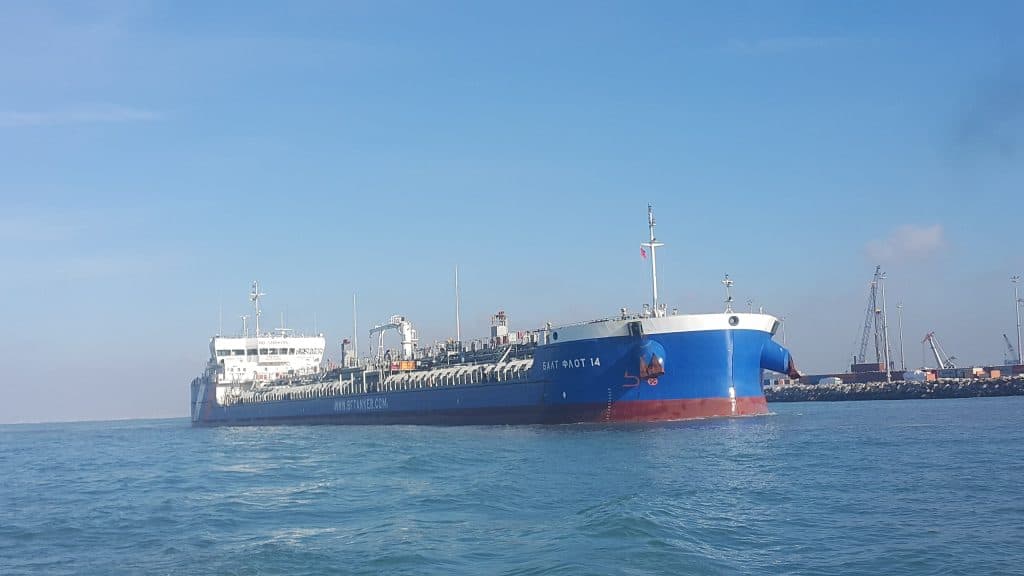
On Friday, the US administration renewed the sanctions relief it had issued a month earlier. This will allow countries to buy Russian oil without the threat of secondary sanctions. Paradoxically, just a few days ago the US said it would not renew the waiver. The sanctions relief is now in place until 16 May.
Last month, the US eased sanctions on Russia first for India, and then, a week later, more broadly. This came after oil prices rose in response to the US attack on Iran. Now the broader sanctions relief has been extended by another month.
Russian oil is bought mainly by India and China. Other countries that will certainly try to take advantage of the sanctions relief include Turkey and some Southeast Asian countries, which were among the hardest hit by shortages of oil as a result of the war. Some EU players could potentially buy it too.
Some have expressed confusion, as the US Treasury secretary said just a few days before the sanctions relief was renewed that it would not happen.
Pressure on the US?
Although oil prices fell sharply on Friday in response to news of the reopening of the Strait of Hormuz, reports circulated in the media that partners were pressuring the US to renew the waiver.
Although the EU and most European governments opposed easing the sanctions because of the war in Ukraine, some countries likely called for an extension at recent meetings of the international organizations G20, the International Monetary Fund and the World Bank, held in Washington.
An analyst at consulting firm Obsidian Risk Advisors told Reuters that, despite Friday's price drop, he remains skeptical. The war has caused major turmoil in the oil market over the past month and a half, with long-term consequences.
Even if open conflict does not resume, supply constraints are likely to become apparent in its aftermath. Moreover, if the conflict escalates, there are few remaining measures that could ease prices, such as the March release of oil reserves.
Russia's rising revenues
Russia is benefiting from the situation. According to March estimates, it likely made between three and five billion dollars from the war. In addition, Russian oil exports to India and China rose by 22 % in the first week of the war in response to the conflict.
According to Reuters, Russia could earn another 9 billion dollars in oil extraction tax from the war in April. The average price of benchmark Russian Urals crude was 77 USD per barrel, 73 % higher than the February price of 45 USD per barrel. The current Russian state budget assumes a price of around 59 USD.
Despite the increase in oil revenues, Russia still recorded a deficit of around 4.5 trillion roubles (approximately 1.22 trillion Czech crowns or just under 60 billion dollars). Ukraine is also attacking Russian energy infrastructure specifically to deprive Moscow of this valuable source of revenue.
Translation disclaimer
This article is a machine translation of the Czech original and has not yet been fully reviewed. In case of any doubt, please refer to the Czech version.
Sdílejte článek prostřednictvím:
You might also like

12 October 2026, 10:27

12 October 2026, 07:40

11 October 2026, 20:09

11 October 2026, 08:24