Germany: Renewables covered more than half of electricity consumption this year

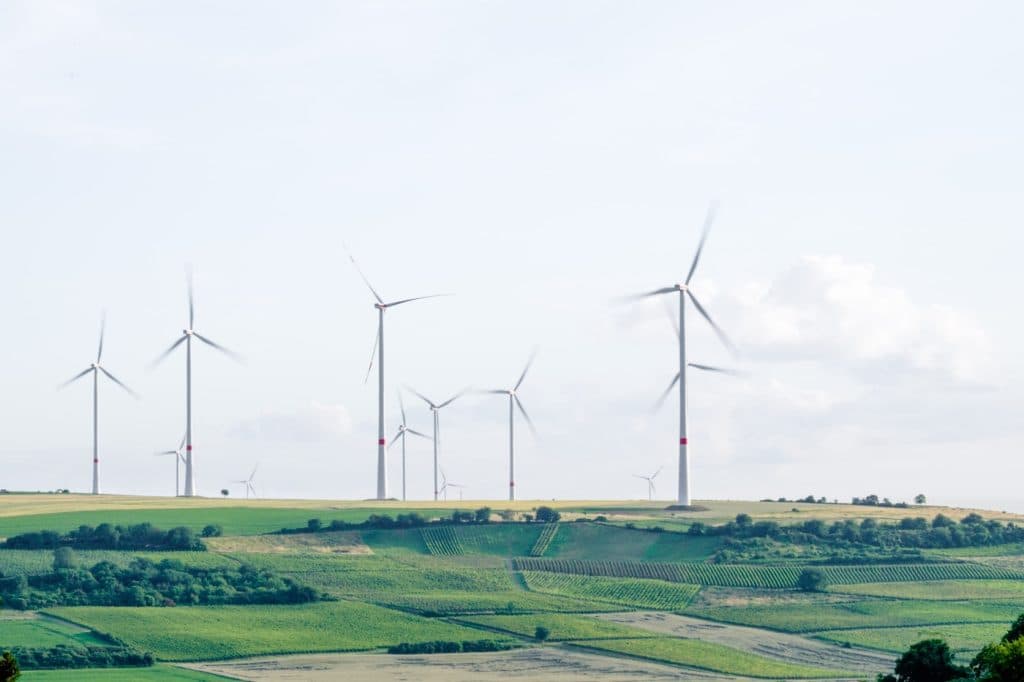
Renewable energy sources in Germany covered more than half of electricity consumption in the first three quarters of this year. This is according to data from the German Association of Energy and Water Industries (BDEW) and the Center for Solar Energy and Hydrogen Research Baden-Württemberg (ZSW).
From January to September, renewables accounted for around 52% of Germany’s gross electricity consumption, an increase of almost five percentage points compared with the same period last year. The decline in total electricity consumption in Germany also helped raise this share.
“From March to September, renewables consistently accounted for around 50% or more each month. May and July were particularly strong, with renewables accounting for 57% and 59%, respectively,” BDEW and ZSW said.
Renewable energy generation also increased by almost 4% in absolute terms, reaching 199 TWh in the first three quarters of the year. In June, electricity generation from photovoltaic plants set a new monthly record of 9.8 TWh, more than 16% higher than in the same month last year.
“These figures encourage us to address the next milestones. In particular, barriers to expanding wind power must be removed,” said BDEW chief Kerstin Andreae. She added that Germany urgently needs to install gas-fired power plants that can run on hydrogen and ensure electricity supplies in the future when there is no wind or sunshine.
Hundreds of GW of renewables and thousands of kilometers of transmission lines
Germany has set a target of covering 80% of gross electricity consumption with renewable electricity generation by 2030. The increasing electrification of sectors that still depend on other energy sources, particularly heating and transport, is also likely to increase total electricity consumption over the next few years.
The country will therefore have to accelerate the construction of wind and solar plants to increase solar and wind capacity by the planned hundreds of GW by 2030. While the pace of renewables development picked up this year, it is still not sufficient to meet requirements.
Germany will also have to ensure that construction of transmission lines, which had previously stalled and fallen several years behind schedule, keeps pace with renewables development. Transmitting electricity from the country’s windy north to industrial areas in the west and south is already a major problem, requiring transmission system operators to intervene because of bottlenecks in the grid. In 2021, measures to stabilize the transmission system cost 2.3 billion EUR.
Economy Ministry working on a power plant strategy
The Economy Ministry said it would draw up a “power plant strategy” by the summer for conventional power plants that would generate electricity when Germany’s renewables do not produce enough. Modernizing older gas-fired power plants and replacing coal-fired plants could add up to 25 GW of capacity, with some plants able to run on hydrogen from the outset and others switching to it later.
According to Economy Minister Robert Habeck’s statement in March, auctions are to be established to support gas-fired power plants. Germany already uses auctions to develop wind and solar power plants, with companies competing for operating support for electricity generation from these sources.
Translation disclaimer
This article is a machine translation of the Czech original and has not yet been fully reviewed. In case of any doubt, please refer to the Czech version.




