
23 October 2026, 14:38
Loading...
Surge in negative electricity prices could slow further solar PV development in Europe

Eduard Majling
4 December 2024, 06:25
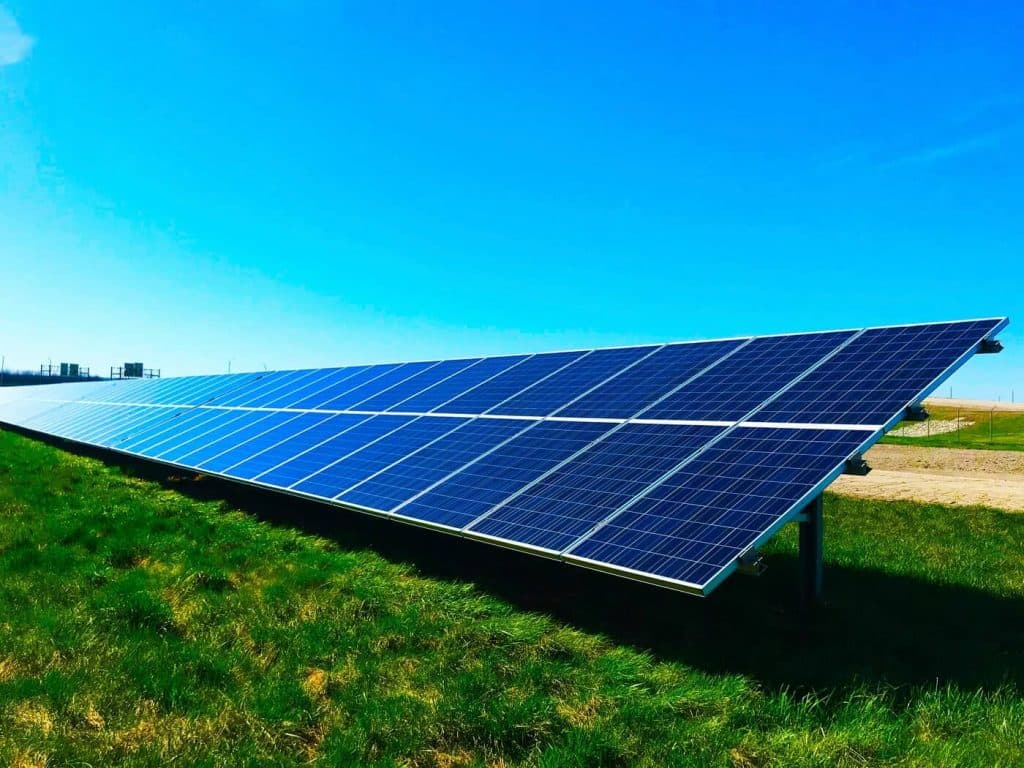
Europe has once again seen a strong boom in photovoltaic installations over the past few years, accelerated in part by the energy crisis. But as the number of solar PV installations grows, so does the number of hours when electricity prices on spot markets fall into negative territory. While some consumers can benefit from this trend, it negatively affects the returns on new power sources. According to the CEO of SolarPower Europe, the current solar boom in Europe is not sustainable, and demand for new solar PV installations will slow.
Solar PV has seen a strong boom in Europe over the past three years. According to Walburga Hemetsberger, CEO of SolarPower Europe, installations grew by 50% year on year during this period. Such a strong boom in solar PV naturally also affects wholesale electricity prices, particularly on spot markets.
"We will continue to grow, but not at the same pace—not as fast as in recent years. We face a major challenge in the form of negative prices... This year, negative prices have reached record levels across Europe, and they are becoming an increasingly serious problem as the realised sales prices for investors fall," Walburga Hemetsberger said, according to Montel.
Last year and this year, hours with zero or even negative electricity prices have occurred in many countries at several times the rate seen before. According to Hemetsberger, this is often due to strong output from solar PV during peak generation hours.
Despite the challenge posed by the high number of hours with low electricity prices, however, the trend towards greater use of solar PV will continue. In its base-case scenario, SolarPower Europe expects Europe's installed solar capacity to increase by 62 GW this year, or around 9%. The increase is then expected to reach 84 GW in 2026 and 93 GW in 2027.
Slow electrification and weak industrial demand
Demand, as well as supply, affects wholesale electricity prices. According to the association's CEO, industrial electrification has stagnated in recent years at around 22 to 23%. The indicative target for 2030 is 35%. Citing European Commission data, the CEO also said that industrial demand had fallen by 7% in recent years.
"We need to electrify every part of society... We need to ensure that electric vehicles become widespread in transport, that heat pumps and electric heating are adopted for heating, and above all, that industry is electrified," Hemetsberger added.
Another piece of the solution is greater use of battery storage, which can help reduce the number of hours with extreme prices. However, a strong expansion of battery storage could lead to cannibalisation, as has happened with renewables, thereby worsening project returns.
Translation disclaimer
This article is a machine translation of the Czech original and has not yet been fully reviewed. In case of any doubt, please refer to the Czech version.
Sdílejte článek prostřednictvím:
You might also like


23 October 2026, 11:01


23 October 2026, 06:34