Kladno without coal-fired heat: What does the plant closure mean for residents?

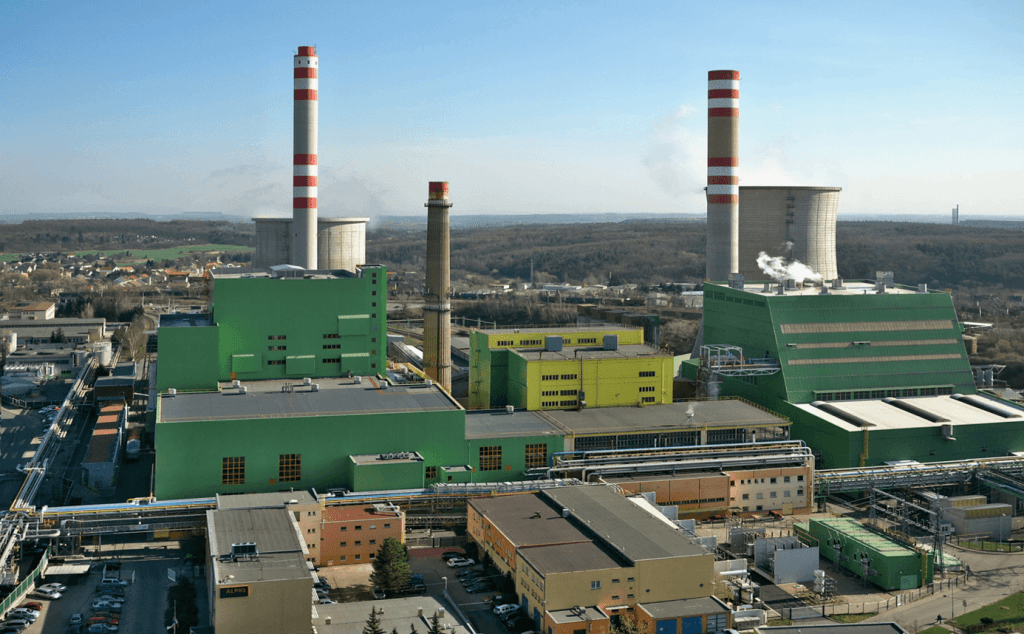
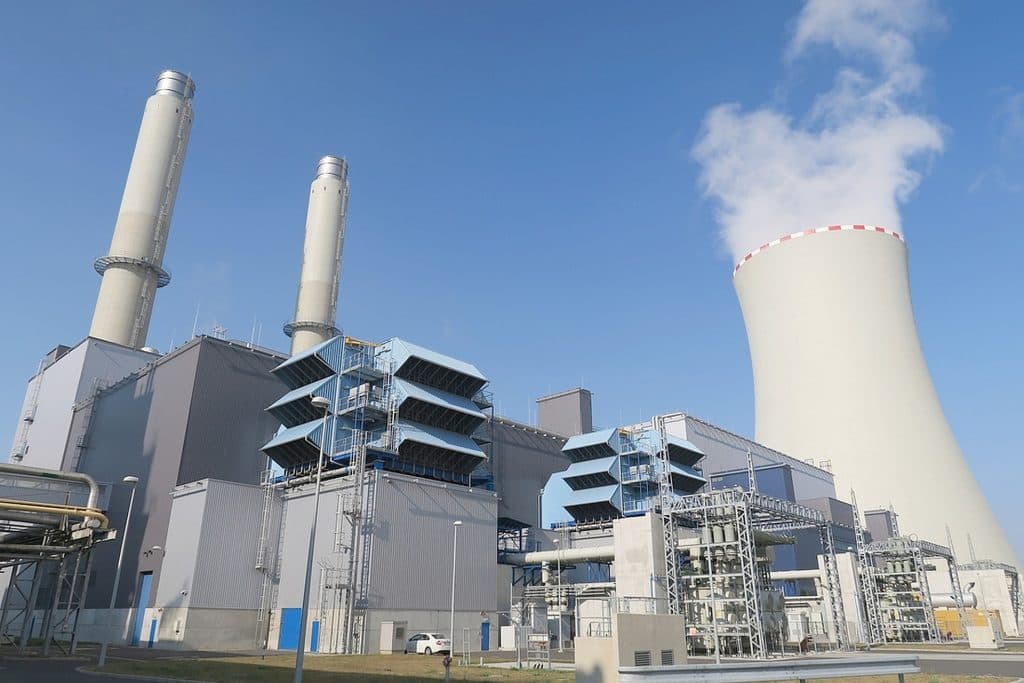
Kladno heating plant, part of the Sev.en Česká energie group, has announced that the end of electricity generation will also bring an end to heat production, which the plant supplied to customers in Kladno through TEPO. The coal-fired operation will cease no later than March 2027, with a major impact on the city’s heat supply.
According to the plant’s management, the reason is clear: operation is not economically sustainable due to rising emissions allowance prices, persistently low electricity prices and unfavourable supply contract terms.
“The long-term contract with the municipal company TEPO is unsustainable for us under the current conditions,” said company CEO Michal Hons regarding the existing heat supply contract.
The situation in Kladno is not an isolated case. The economics of coal-fired facilities are deteriorating across the Czech Republic. According to experts, if the allowance price rises to around EUR 120 per tonne, all major coal-fired plants will find themselves in a situation similar to that of the Kladno heating plant. Many heating plants are already adjusting their prices, but only some have scope to pass the costs on in heat prices.
Heat price developments in the Czech Republic also show that Kladno is more of an exception due to its low price, as Jan Vondráš notes in an interview with the Kladno daily. “The average price in 75 cities is CZK 1,056/GJ; in Kladno it is CZK 781/GJ.” The Energy Regulatory Office (ERÚ) also confirms this: supplies from the Kladno heating plant’s central heat exchange station in 2025 will be provided at CZK 387/GJ, while, for example, the price in České Budějovice is CZK 873/GJ and in Frýdek-Místek CZK 1,031/GJ.
Systems based on heat generation from natural gas are even more expensive: the average price of district heating from natural gas reaches CZK 1,120/GJ, while that from hard coal is CZK 1,156/GJ. Gas-fired heating plants also increased their prices by an average of 90% in 2022–2023, with “the price exceeding CZK 2,000/GJ in some cases”. Kladno’s switch to gas could therefore mean higher heat prices, with the risk increasing if gas prices rise on global markets.
Is heat supply for Kladno residents at risk?
The city declares that residents “will not be left without heat”, as guaranteed by the Energy Act. If the heating plant ceases operation, the Energy Regulatory Office is to designate an entity to assume the supply obligation, under the so-called obligation beyond the licence. This mechanism provides legal certainty that supplies to end customers themselves will not cease.
However, the price of supplies may be significantly affected by the new supplier. The new supplier will probably operate with different costs, which may substantially exceed current levels. Heat customers are obliged to pay the new supplier a heat price calculated under the principles of so-called cost-based price regulation.
Cost-based price regulation is a form of price regulation that does not set the final heat price, but establishes the basic principles for determining it. Put simply, the supplier may include only economically justified costs and a reasonable profit in the heat price. The supplier sets the price itself, but must demonstrate that the price complies with the rules of cost-based price regulation.
The obligations beyond the licence provided for in the Energy Act can therefore address crisis situations in district heating, but they do not resolve the issue of price. Given that current heat prices are relatively low and do not allow the heating plant to continue operating, price increases are more likely. Residents will therefore receive heat, but at a price that may be significantly higher than the one to which they have become accustomed.
The reality of switching to a new source
A solution for Kladno could be the construction of an alternative source, which the city’s leadership has announced, with the expected cost estimated at around CZK 200m. However, it is unclear whether this is merely the cost of gas boilers or what exactly it includes. This step is seen as a path towards energy self-sufficiency, but its implementation is far more complicated than political statements may suggest.
“We have decided to go our own way. We will build our own source, which will be ready within a year and a half, or two years at most, and this will secure heat at affordable prices,” Kladno Mayor Milan Volf said on the programme Události, komentáře.
Building a new heat source requires full project preparation, securing planning and construction permits, technological components and financing – a process that in reality is more likely to take several years. However, publicly available information suggests that preparations for the new source are at a very early stage and that most permitting procedures have yet to begin. Completing everything within two years therefore appears to be a highly ambitious plan.