10 August 2026, 15:50
Cyrani to head ČEZ Energy, Beneš to chair new giant's board

ČTK
24 June 2026, 10:47
This article is a machine translation of the Czech original and has not yet been fully reviewed. In case of any doubt, please refer to the Czech version.
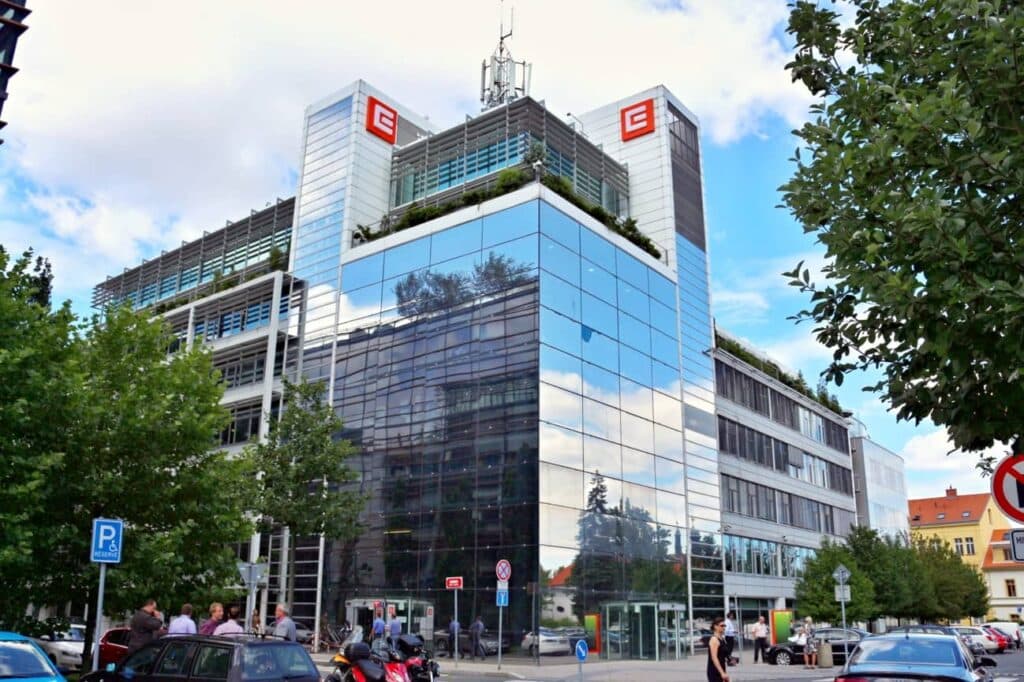
Pavel Cyrani, vice-chairman of the board and director of ČEZ's trading and strategy division, has become chief executive of ČEZ Energy, a subsidiary established by the ČEZ energy group. The board will be chaired by Daniel Beneš, ČEZ's chief executive. Martin Novák and Ondřej Landa have become board members. The company announced this today in a press release. ČEZ plans to carve out energy sales and distribution, trading and energy services into the subsidiary. The parent company would then primarily retain generation, including nuclear power plants and other sources.
According to analysts, carving out the non-generation part of the business into a new company is a key step towards the planned nationalisation of the company. "At the same time, other processes related to the approved optimisation of the ownership structure and management are under way," said ČEZ spokesman Ladislav Kříž. These include preparations for valuing the individual subsidiaries and for talks with rating agencies on rating assessments of both ČEZ Energy and ČEZ.
In April, ČEZ's management proposed establishing a new subsidiary into which it plans to carve out companies from the current structure, including ČEZ Prodej, ČEZ Distribuce, GasNet, ČEZ ESCO, trading companies and telecommunications company Telco Pro Services. The company will retain at least a 51 percent stake in the new subsidiary, offering the remainder to investors. The proposal was approved by the company's general meeting in June.
ČEZ will now begin, through audits, the process of valuing the individual parts it plans to transfer to the new company. It will then move these parts into ČEZ Energy, most likely starting by the end of the year. The transfers will be gradual, rather than involving the entire package of companies at once. The valuation and transfer of the trading business is expected to take the longest. ČEZ aims to complete the entire process by the end of the first quarter of next year at the latest.
Once the carve-out of the non-generation business into the new company has been completed, ČEZ's management will begin seeking investors for ČEZ Energy. However, no decision has yet been made on how to sell the minority stake in the new company. "There are two basic scenarios. At this point, our only certainty is that we will act in a way that extracts the maximum possible value for ČEZ, a. s. If we conclude that this maximum will be achieved through an IPO, or listing the new security on the stock exchange, we will take that route. If we conclude that the best option is to offer it to global infrastructure players, we will take that route," ČEZ chief Beneš told iROZHLAS.cz on Tuesday.
According to some analysts, the stake ČEZ plans to offer investors could be worth 150 billion crowns, possibly more. This should make it easier for the company to later buy out the existing minority shareholders in the parent company as a whole.
According to analysts, carving out the non-generation part of the business into a new company is a key step towards the planned nationalisation of the company. However, a group of energy experts and economists opposed these steps today in an open letter addressed to Prime Minister Andrej Babiš (ANO), including former ČEZ chief Jaroslav Míl, former prime minister and former governor of the Czech National Bank (ČNB) Jiří Rusnok, and another former ČNB governor, Zdeněk Tůma.
According to them, ČEZ is currently operating well and there is no reason to intervene. They also argue that the current structure, with minority shareholder involvement, increases the transparency of the company's management. The group says buying out minority shareholders would instead be an unnecessary expenditure of money that the company could otherwise use for investment. If the entire carve-out process continues, a partial compromise could be an assurance that the 49 percent stake in the new company will be placed on the capital market.
The state currently holds around 70 percent of ČEZ shares, with minority shareholders owning the rest. Last year, ČEZ earned 27,4 billion crowns, with the company's net profit down 1,7 billion crowns year on year. The company's operating profit and revenues also declined year on year.
In recent months, Babiš has indicated that the cabinet wants to complete the process of taking full control of ČEZ by the end of the current electoral term in 2029 at the latest. The opposition warned of risks to investment and minority shareholders, and after ČEZ's April announcement of the proposal to carve out a new subsidiary, called on the government to present a clear plan.
Sdílejte článek prostřednictvím:
You might also like

10 August 2026, 09:33

9 August 2026, 14:38