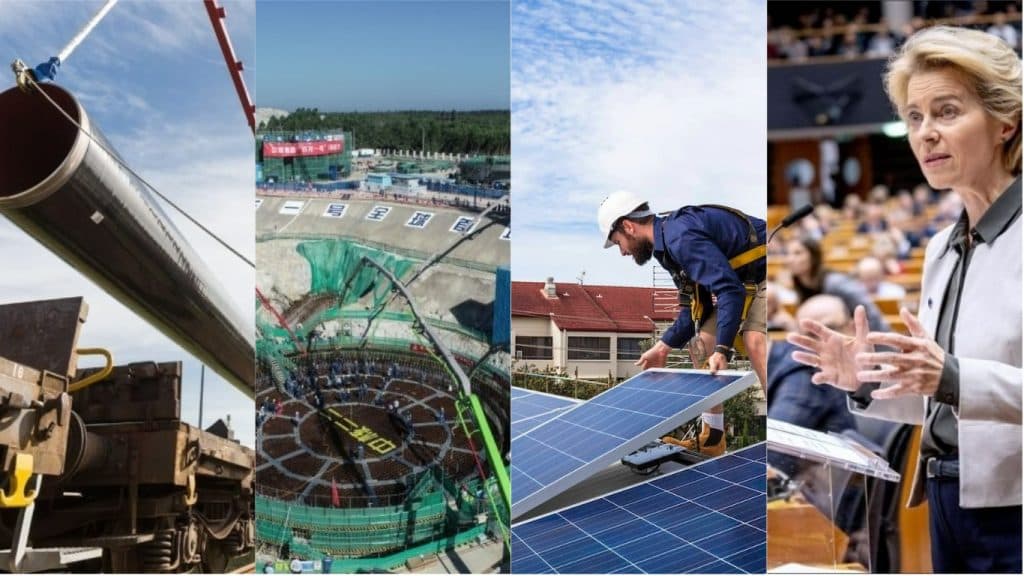
This week, we once again bring you a carefully selected list of the ten most important articles we published on oEnergetice.cz. If you missed any of them, here is a selection of the articles that attracted the most interest from our readers. Good luck in the new week!
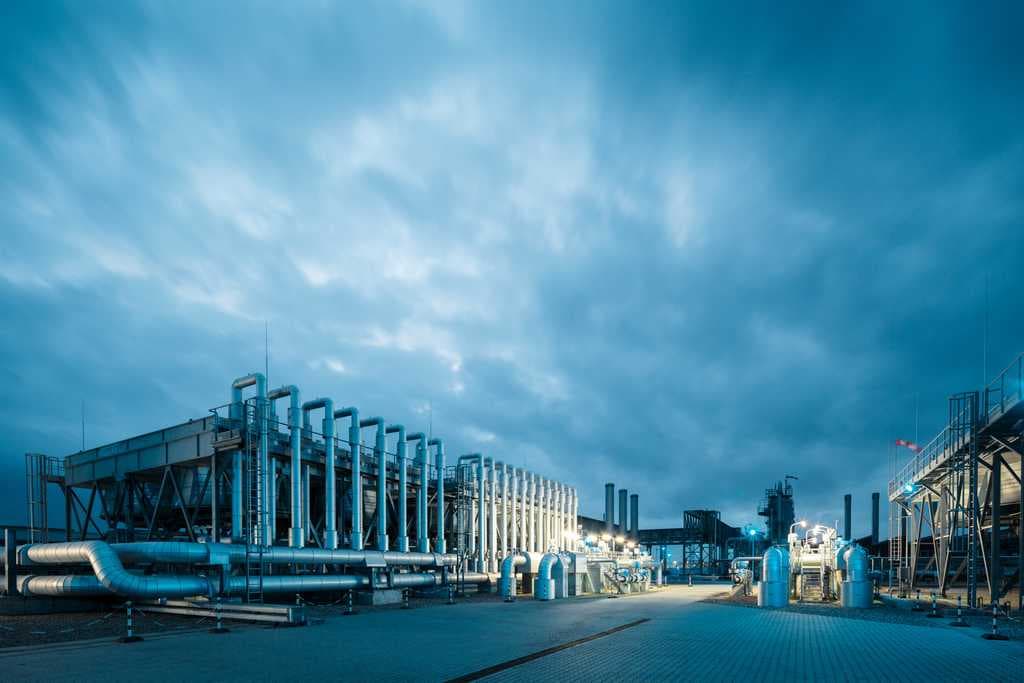
The world’s largest compressed-air energy storage facility has started operating in central China. Bloomberg reported. This marks another major step by the government to expand energy storage capacity. Similar projects are also being developed in Australia and the United States.
With the share of intermittent renewable energy sources in its electricity mix on the rise, China is focusing on developing flexibility. Last autumn, the government unveiled a plan to double the installed capacity of energy storage facilities by 2027, from the current 100 gigawatts (GW) to 180 GW. In addition to investing in the development of battery systems, it is also betting on compressed-air energy storage.
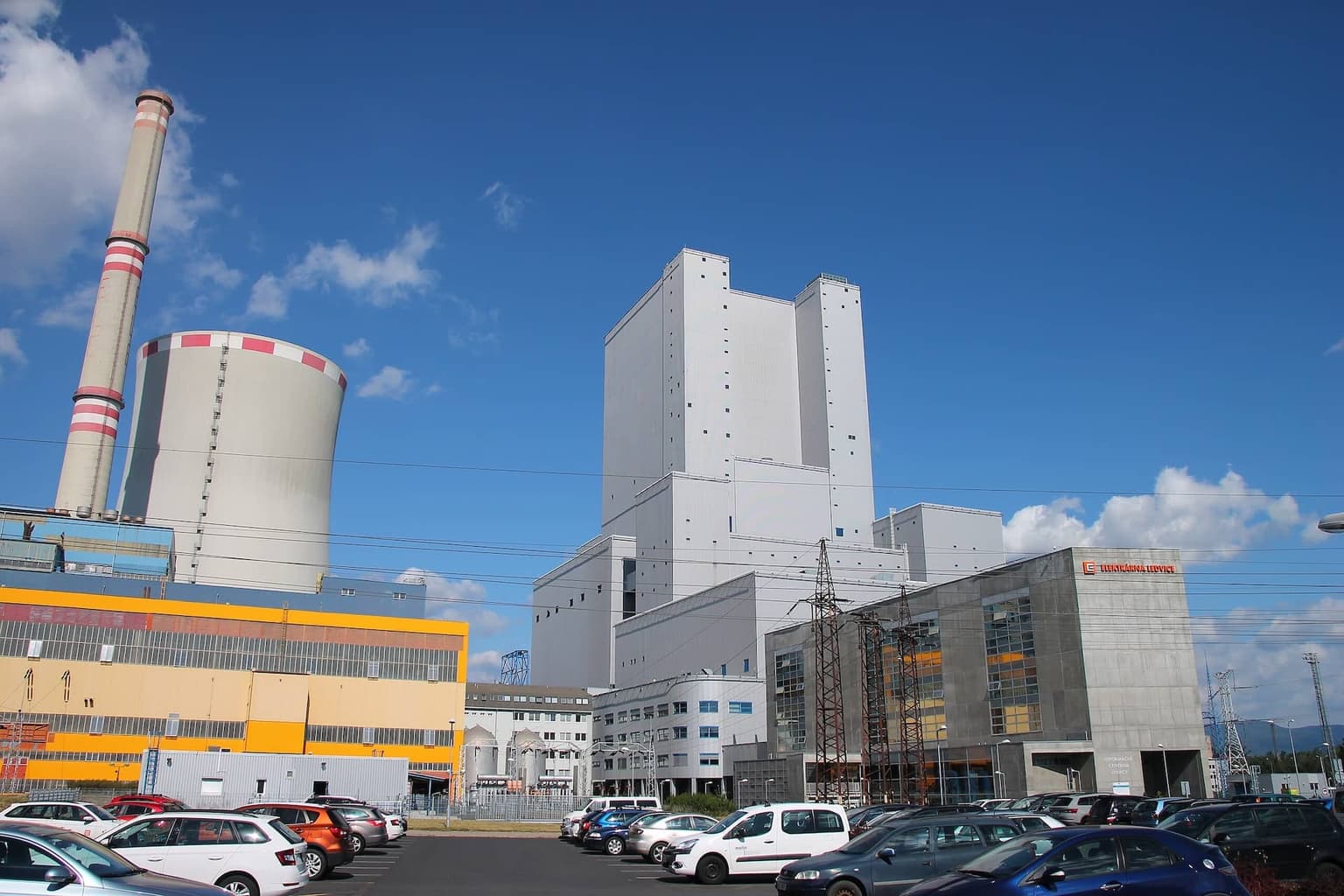
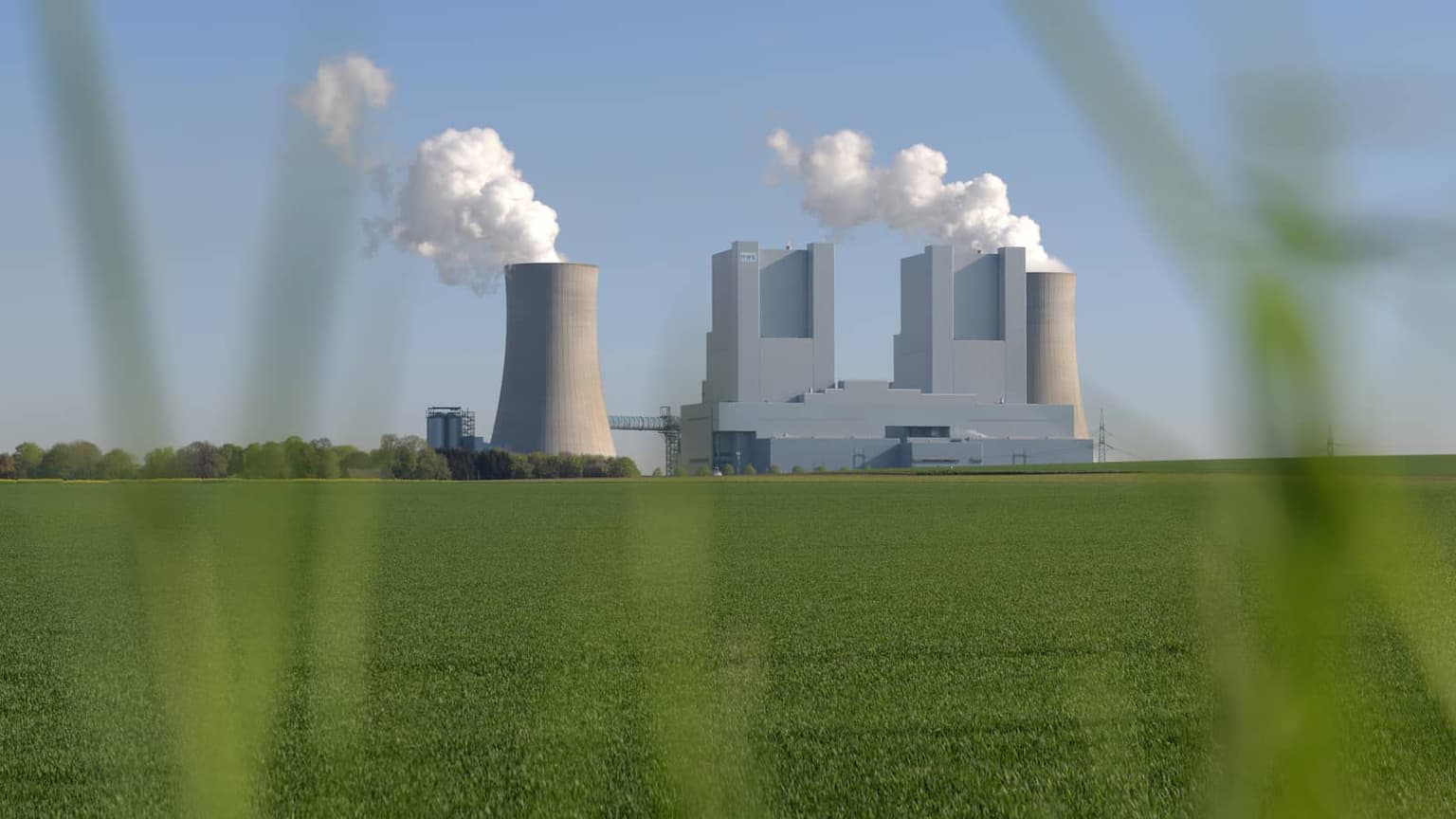
Energy company ČEZ currently expects to operate its coal-fired power plants until 2030. However, their electricity output will gradually decline. The company is also working to configure its power plants and mines so that they operate mainly during the winter months, when they are needed. They will instead be shut down in summer. ČEZ Vice-Chairman Pavel Cyrani told reporters today. He cautioned that the situation regarding coal-fired generation could change at any time.
Energy group Sev.en, owned by billionaire Pavel Tykač, plans to begin closing coal-fired power plants around the turn of this year and next. The group has announced plans to shut down the Počerady and Chvaletice power plants, as well as the coal-fired part of the Kladno power and heating plant. The state-owned transmission system operator ČEPS subsequently recommended that two of the four units at the Chvaletice coal-fired power plant remain in operation temporarily to ensure reliable grid operation. The Energy Regulatory Office will decide on the conditions for the continued operation of these units in the coming months.
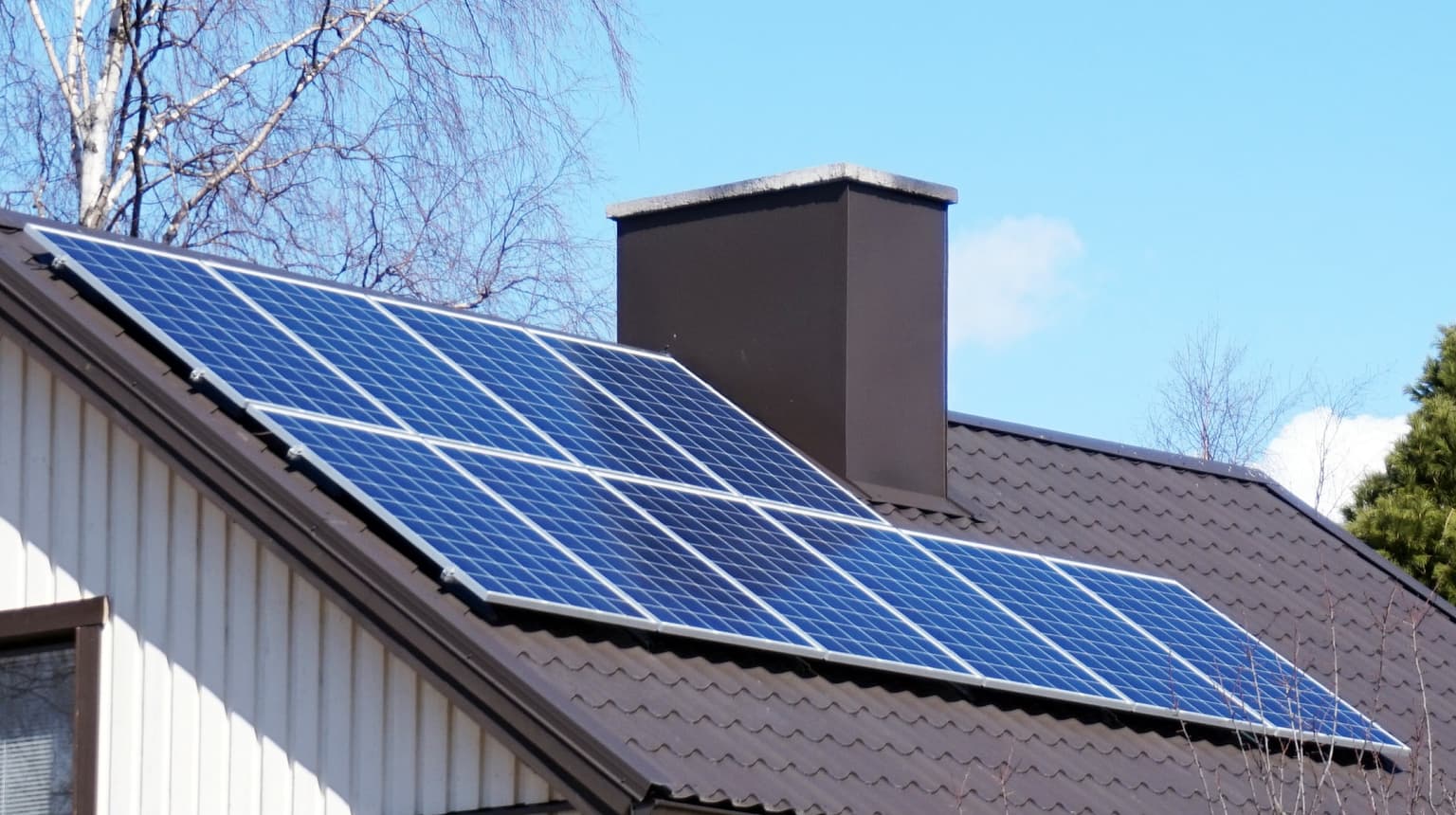
After several decades, Germany may end operating support for new small rooftop solar installations. Households would lose their entitlement to feed-in tariffs, which have long been a key tool for supporting new generation capacity. According to the German Ministry for Economic Affairs, taxpayers are supporting profitable energy sources, but industry associations see the move as an attack on renewables.
Germany has long been known for the active development of renewable energy sources, particularly solar and wind power plants. Around the turn of 2024 and 2025, the country reached 100 GW of installed solar capacity, and this figure rose again last year.
Coal has become a marginal source of electricity in the European Union. It accounts for less than ten percent of electricity generation, according to a recent report by international think tank Ember.
At every party, a few people are always the last to leave the pub, staying until the staff chase them out with a broom. Imagine, for a moment, a coal party attended by every European country. One by one, they stop generating electricity from coal—they get up from their chairs and head home. Ten EU countries have already left the party. Nine more have one foot out the door. Czechia will very likely leave just before closing time, although it is also running out of energy for coal-fuelled revelry.
While January’s freezing temperatures pushed electricity consumption in the Czech Republic to a nine-year high, warmer weather in February brought things back down. Electricity consumption fell by more than 1 TWh compared with January, to 5.5 TWh—0.2 TWh below the average for February over the past 10 years. The warmer weather also significantly slowed withdrawals from European and Czech gas storage facilities. This is according to statistics published on Energostat.
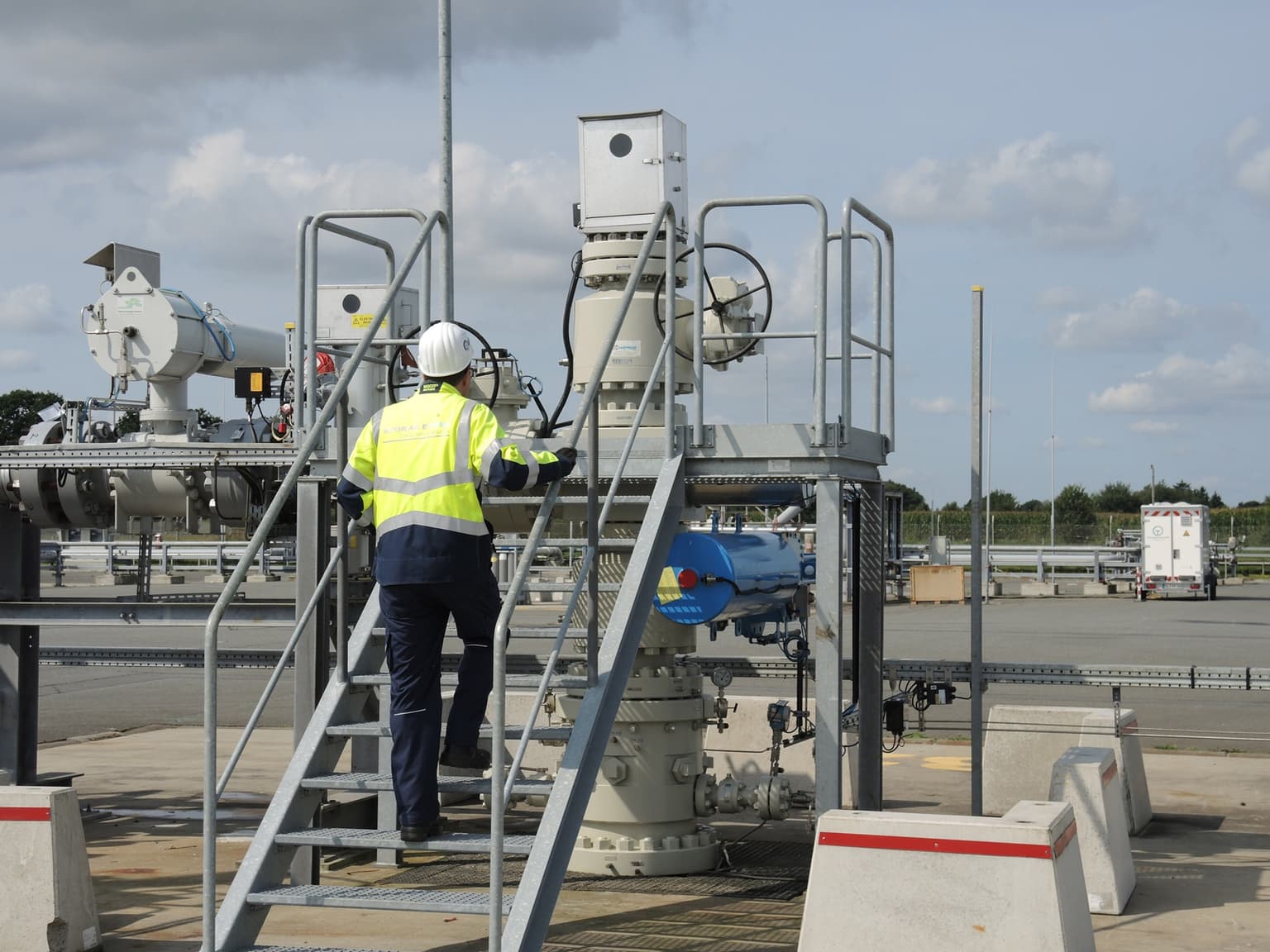
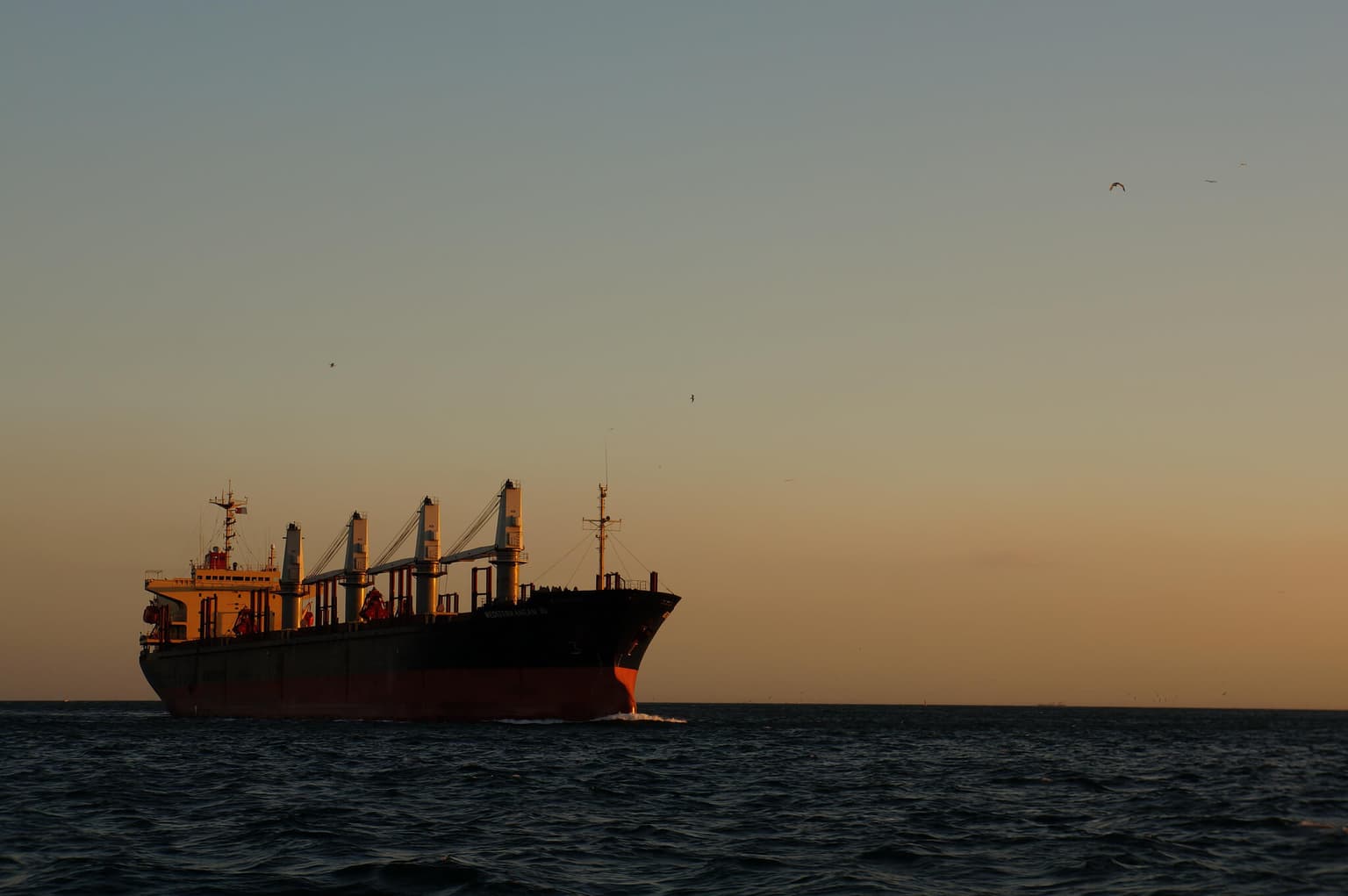
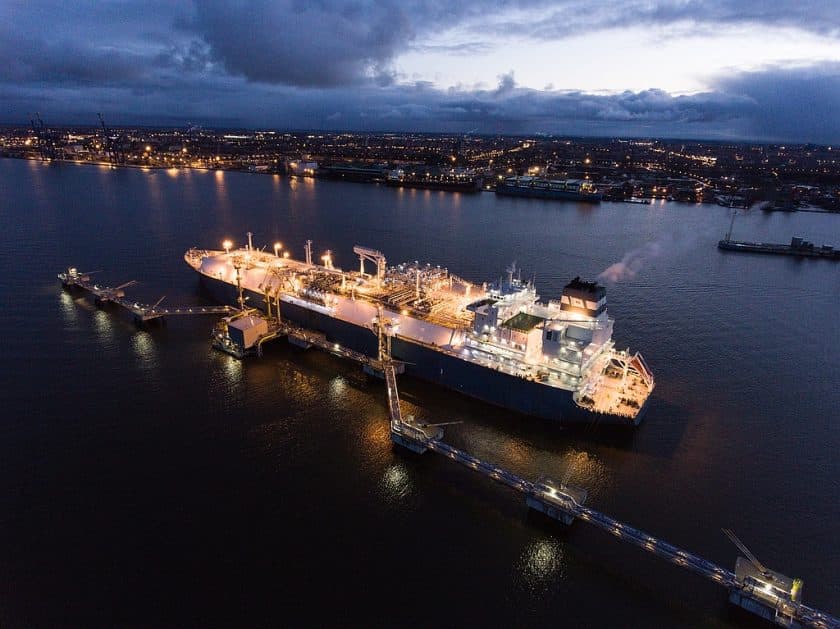
As the war with Iran continues, oil prices are climbing steeply. One of the most significant factors is undoubtedly the severe disruption to traffic through the Strait of Hormuz, which Iran has been blocking in retaliation since 28 February, when the United States and Israel launched their attacks. Nothing so far suggests that traffic will resume anytime soon. Pipelines in Saudi Arabia and the United Arab Emirates therefore offer partial relief, allowing oil to bypass the strategic chokepoint in the Persian Gulf.
Disruption to stability at this geopolitical flashpoint would undoubtedly be felt across the rest of the world in the form of a massive rise in oil prices. What was only speculation two years ago is now reality. Oil prices are approaching the 100-dollar-per-barrel mark, and instead of the nearly eighty tankers that used to pass through the strait each day, you can now count them on one hand. Iran’s newly installed leader, Mojtaba Khamenei, has also threatened to close the strait completely.
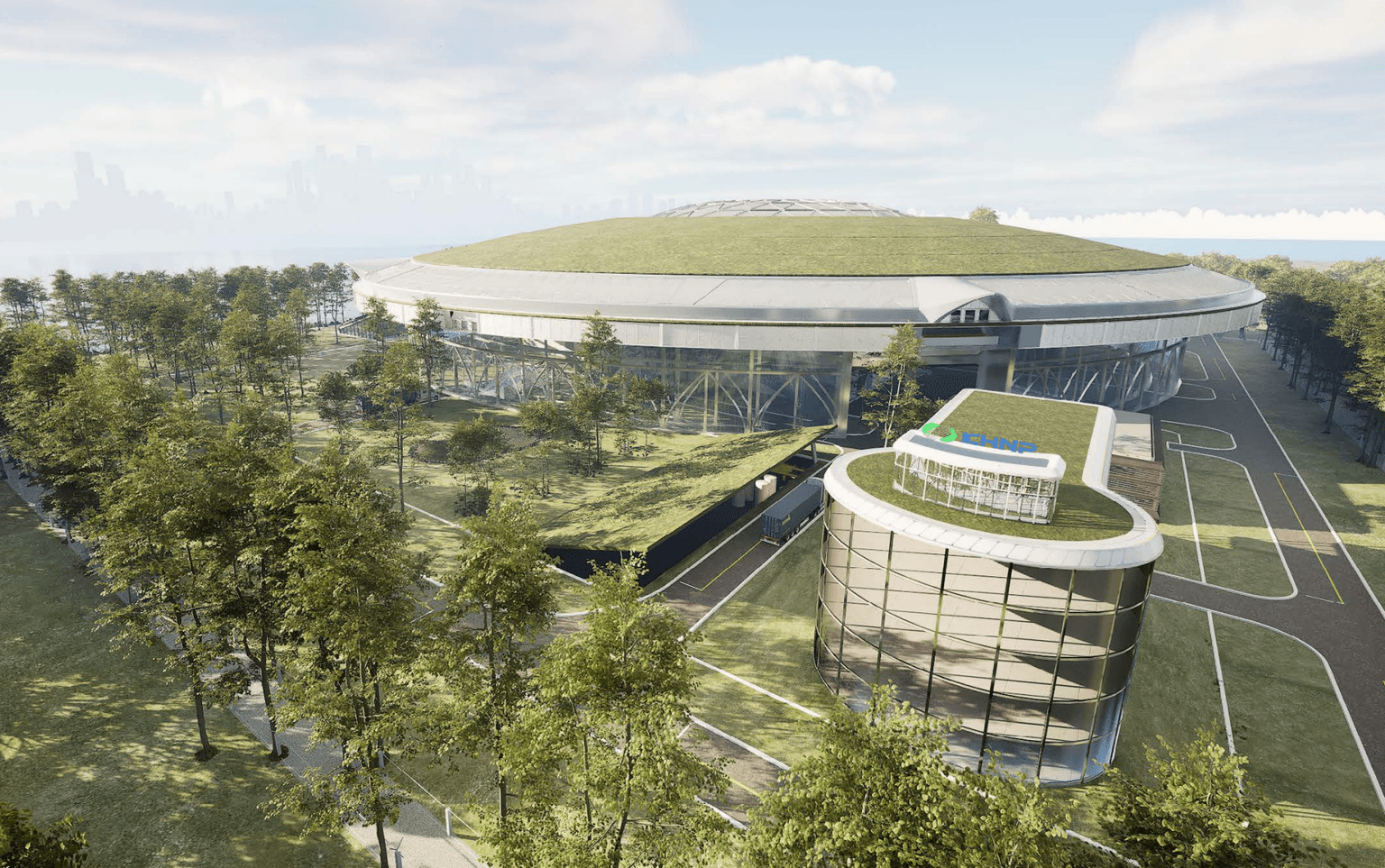
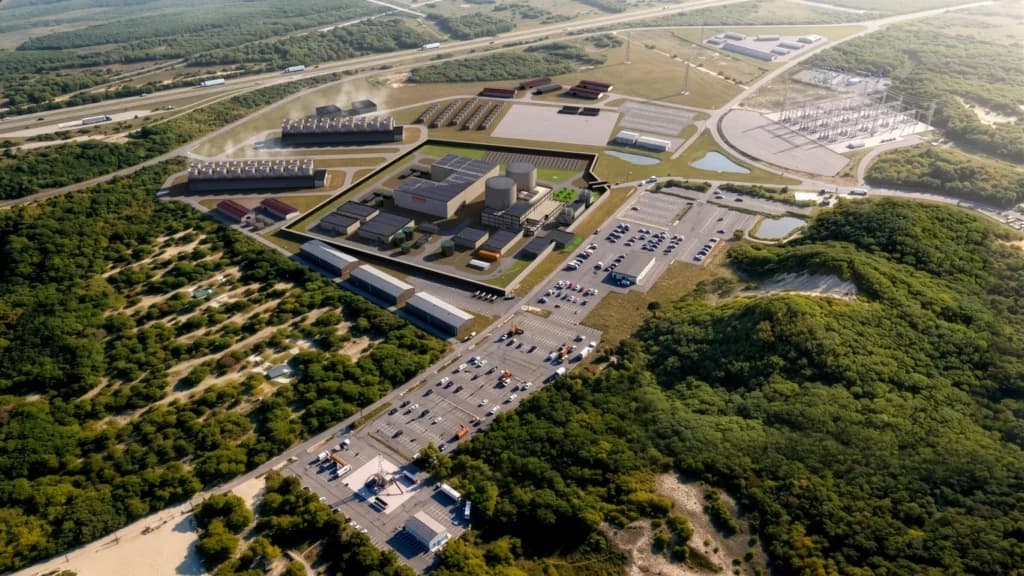
South Korea’s Nuclear Safety and Security Commission (NSSC) has received an application to approve the reference design for the Innovative Small Modular Reactor (i-SMR). The application was submitted by the i-SMR Technology Development Project Group, the consortium developing the technology.
The i-SMR is being developed by a consortium led by Korea Hydro & Nuclear Power (KHNP) and the Korea Atomic Energy Research Institute (KAERI). It is an integral pressurized water reactor with an electrical output of 170 MW, designed for use in South Korea as well as for export to overseas markets.
EU member states have committed to reducing greenhouse gas emissions by 90% by 2040 compared with 1990 levels. The Commission must now prepare a detailed policy review to deliver on this target.
The amount of biomethane injected into the gas networks of European Union member states rose by more than 5 TWh last gas year, reaching 43.2 TWh. France remained the leading country, with 13.1 TWh. The Czech Republic saw a significant year-on-year increase, with the amount of biomethane injected last gas year nearly quadrupling. This is according to a report by the European Network of Transmission System Operators for Gas (ENTSOG).
Renewable gases such as biomethane and green hydrogen are an indispensable part of the ongoing decarbonization of Europe’s energy sector and industry. One advantage is that they can already be injected into existing gas networks (hydrogen for now only in limited quantities), helping to reduce consumption and therefore imports of natural gas.
The government today abolished the Standing Committee for the Construction of New Nuclear Sources. It will be replaced with a new operational management model intended to better reflect the current project phase of building new units at Dukovany. Industry and Trade Minister Karel Havlíček (ANO) said this at a press conference following today’s cabinet meeting.
The Standing Committee was an advisory body to the government, and its main purpose was to coordinate preparations for new nuclear units in the Czech Republic. It served as a platform for cooperation between the state, energy company ČEZ, and experts. Its members included government ministers and representatives of key ministries, ČEZ, and energy experts.
Energostat: electricity generation in the Czech Republic
Data in this chart is also available in 15-minute resolution60min15min
Energostat: electricity generation in Germany
Data in this chart is also available in 15-minute resolution60min15min
Find more up-to-date charts and data on Energostat
Translation disclaimer
This article is a machine translation of the Czech original and has not yet been fully reviewed. In case of any doubt, please refer to the Czech version.