
1 November 2026, 21:20
Loading...
Top 10 energy events of the past week
oEnergetice.cz
25 February 2024, 20:33
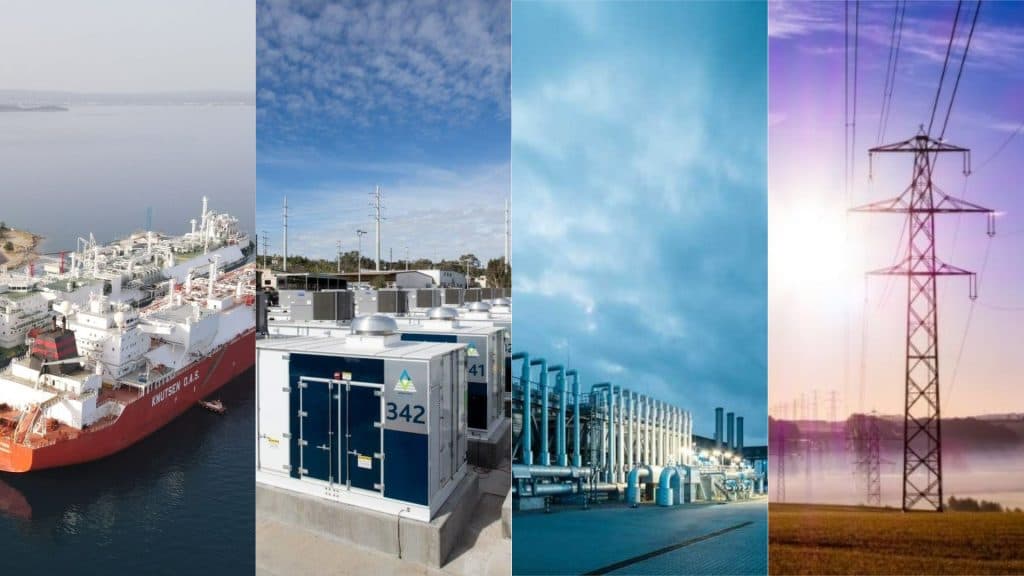
1. The Netherlands expects 400 to 1,000 hours of negative electricity prices this year due to solar
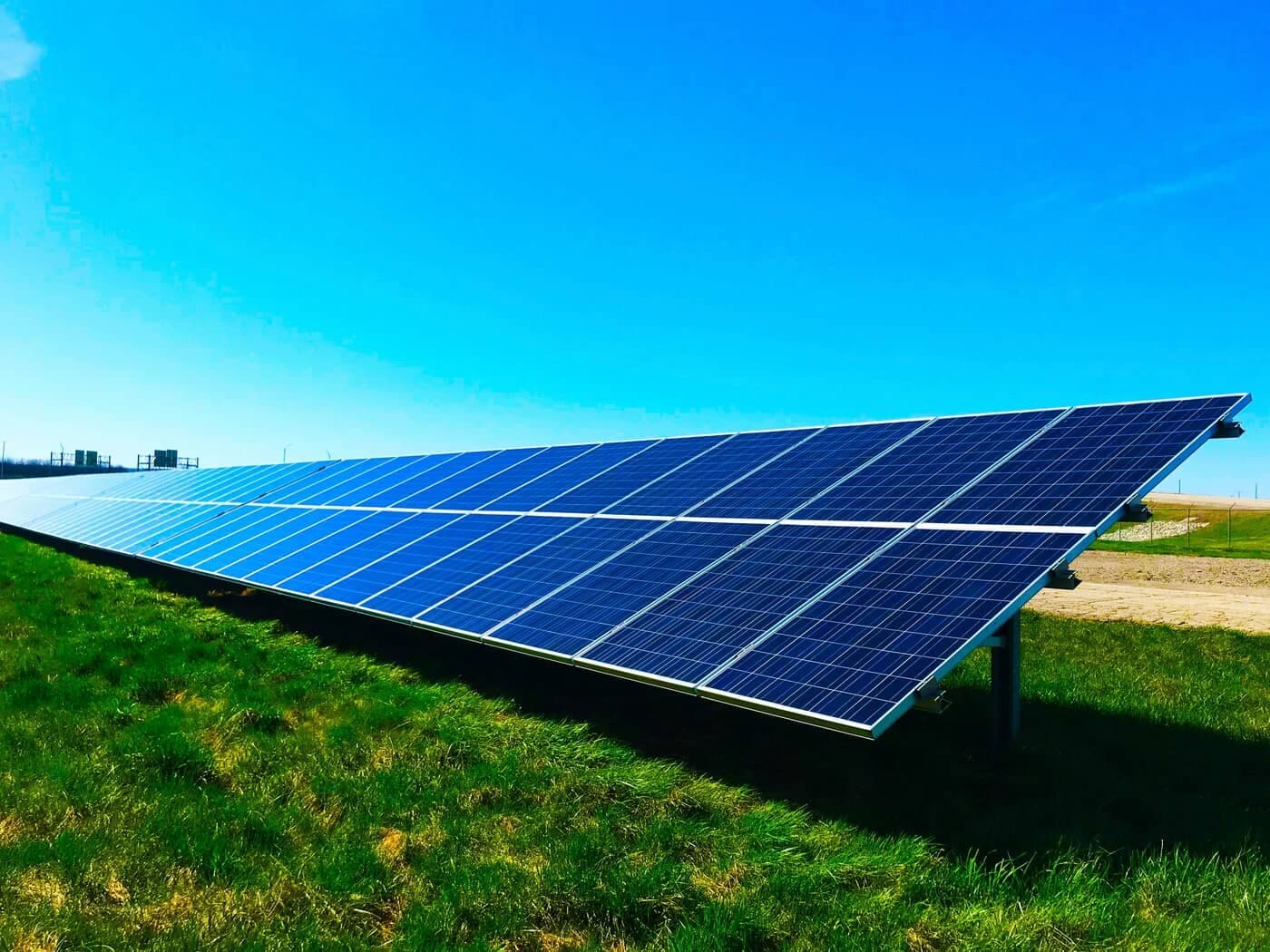
The Netherlands expects an increase in the number of hours with negative electricity prices after the Senate voted against abolishing so-called net metering. Households will therefore continue to be incentivised to feed electricity from their solar installations into the grid even during periods of surplus. The international news outlet Montel reported.
The upper house of the Dutch parliament voted against a measure that would have encouraged households to limit the electricity they feed into the grid from their solar installations when there is a surplus. Ultimately, according to Jean-Paul Harreman, director of EnAppSys, this will lead to an increase in the number of hours with negative electricity prices.
2. Germany will extend the SuedWestLink HVDC line into Bavaria
Germany plans to extend one of its main transmission lines into Bavaria. So far, two HVDC lines, SuedLink and SuedOstLink, were planned to connect northern Germany with Bavaria. A third major energy link has been under discussion for some time, and plans have now been drawn up to extend the SuedWestLink line.
The planned high-voltage HVDC line SuedWestLink, which is intended to carry electricity from the country's windy north to industrial centres in the south, will have a direct connection to Bavaria, the Bavarian Ministry of Economic Affairs said.
3. The EU launches its first medium-term joint natural gas purchase
The European Commission has launched its first medium-term joint natural gas purchase through the AggregateEU platform. Buyers will be able to use it to secure natural gas for several six-month periods, from April 2024 to October 2029. The Commission said in a press release.
The first medium-term joint natural gas purchase follows four joint purchasing rounds held last year, which aimed to secure sufficient natural gas for the EU for the winter of 2023/2024. The joint purchases ultimately secured 42 billion m3 (nearly 450 TWh) of natural gas, equivalent to around one-eighth of last year's natural gas demand in EU countries.
4. Finns to share their nuclear expertise with Poland's nuclear programme
A consortium of Finnish companies Fortum and TVO will share its nuclear energy knowledge and experience with Poland. The two sides have agreed to provide at least two years of support during the licensing and design phases of Poland's first nuclear power plant in Pomerania. Poland is looking to nuclear power to replace its coal-fired power plants and is targeting 2033 for its first reactor to enter operation.
Polish company Polskie Elektrownie Jądrowe (PEJ), which is responsible for building the country's first nuclear power plant, announced that it had signed an agreement with a consortium of Finnish companies Fortum and TVO Nuclear Services. The two-year contract covers the sharing of experience in building and operating nuclear units.
5. Solar and batteries to account for most new capacity in the US this year

As in recent years, renewables are expected to make up most of the new generating capacity brought online in the US this year. Battery storage capacity is also growing ever faster, helping, among other things, to balance renewable generation. Solar is expected to account for more than half of the new capacity installed at large-scale facilities, with battery storage making up a quarter.
According to projections by the US government agency U.S. Energy Information Administration (EIA), developers will bring a record amount of capacity online this year. For the full year, the agency expects 62.8 GW of total installed capacity from large-scale power plants and storage facilities to be commissioned. This figure covers so-called utility-scale facilities, meaning power plants and storage installations with a capacity of at least one megawatt. For both solar and batteries, however, further growth in total capacity is being driven by installations at homes and businesses.
6. SEFE plans to convert some gas pipelines and storage facilities for hydrogen
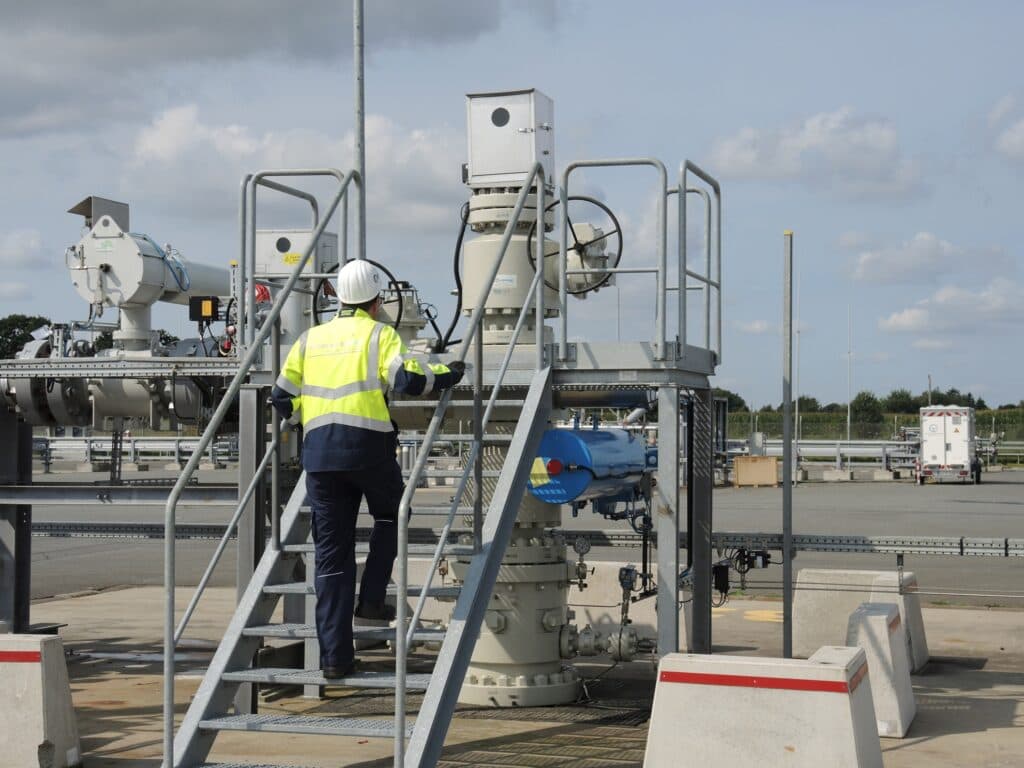
German state-owned gas trader Securing Energy for Europe (SEFE) is considering converting some of its underground storage facilities and gas pipelines. It wants to use them for clean hydrogen instead of natural gas, the company's chief executive Egbert Läge told Reuters in an interview.
“We do not yet have an exact estimate of the investment,” Läge said.
7. Vattenfall: Swedish government will have to share the risks of building new nuclear units
Like many other countries in Europe and around the world, Sweden is exploring options for building new nuclear units. One important aspect of nuclear projects is how risk is shared among the parties involved. According to a preliminary study by state-owned Vattenfall, government support is essential to encourage new investment.
Swedish company Vattenfall, which is wholly owned by the government, has been exploring options for building new nuclear units since last year. Preliminary findings according to Montel suggest that Sweden could build three to five small modular reactors or one large reactor. In total, around 1.5 GW of capacity would be built near the existing Ringhals nuclear power plant.
8. Czech industry association: The country must step up hydrogen use or face billions in fines

The Czech Republic must focus more strongly on the use of hydrogen in industry and transport, the Confederation of Industry and Transport of the Czech Republic said. It warned that without developing a hydrogen economy, Czech companies could face billions in fines after 2030 for failing to comply with EU directives, as well as higher emissions allowance costs. The Confederation also expects an impact on GDP, employment and the inflow of new investment. The findings come from a PwC study for the Confederation of Industry and Transport of the Czech Republic.
In the coming years, EU strategic plans envisage hydrogen as an important alternative transport fuel, while it is also expected to play a role in decarbonising industry as a whole. According to the Confederation, EU rules call for hydrogen refuelling stations to be deployed along major routes and at urban hubs after 2030, as well as a significant increase in the share of so-called green hydrogen in industry and transport. It is produced using renewable energy sources.
9. Tender for new Kozloduy NPP units: Hyundai E&C emerges as frontrunner
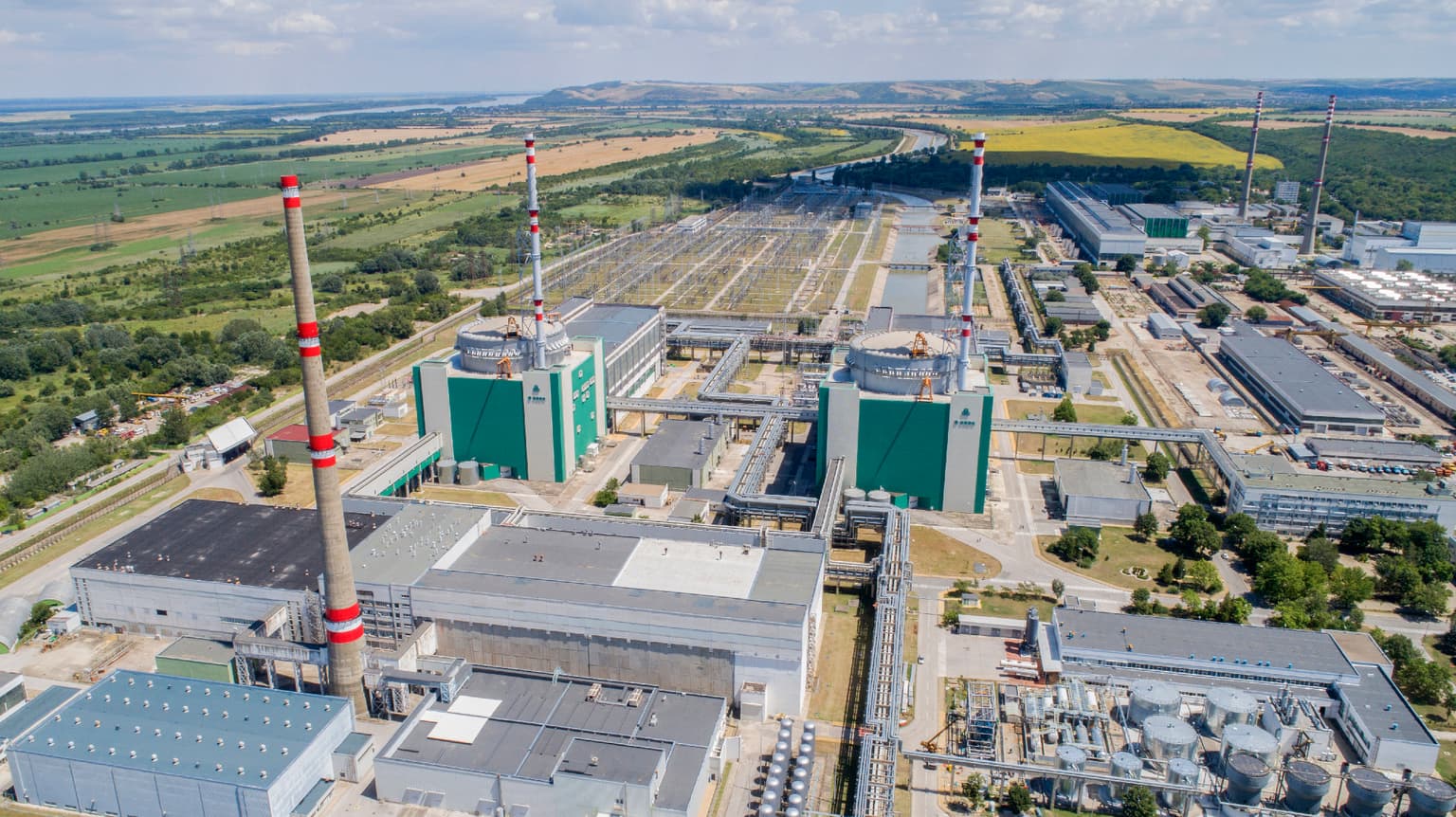
In recent years, Bulgaria's energy sector has been on the cusp of a major transformation. One of the country's largest energy projects is the modernisation and expansion of the Kozloduy nuclear power plant. The current tender for the construction of two new reactors using Westinghouse AP1000 technology is a step forward. The main focus is now on the frontrunner in the process—the South Korean company Hyundai Engineering & Construction.
Hyundai Engineering & Construction appears to be the leading candidate among the five companies that expressed interest in building two new AP1000 reactors at the Kozloduy nuclear power plant. Besides Hyundai E&C, the original list of interested parties also included Fluor BV, Bechtel Nuclear Power Company Limited, a consortium led by China National Nuclear Corporation, and China Energy Engineering Corporation Limited. The selection committee, representing the project company Kozloduy NPP – New Builds Plc, has now selected Hyundai E&C as the only candidate meeting all the requirements to proceed to the next stage.
10. Deep-sea mineral mining is inevitable, says ISA
Deep-sea mining of minerals from the seabed is inevitable, according to the secretary-general of the International Seabed Authority (ISA). He cited the enormous global interest in these critical materials, undoubtedly reopening a controversial debate, particularly as the ISA prepares for its 29th Assembly in March. Activists argue that large-scale mining could have unpredictable and irreversible consequences. On the other hand, demand for these materials is growing as the energy sector transforms.
Although no large-scale commercial mining is currently taking place, the possibility has been discussed for a long time. Supporters see it as a way to produce large quantities of minerals at costs similar to or even lower than those achievable on land. The minerals and metals in question include mainly cobalt, nickel, copper and manganese. The enormous potential of mining was also highlighted by Secretary-General Michael Lodge.
Opinion
Fusion today: records at JET and other tokamaks
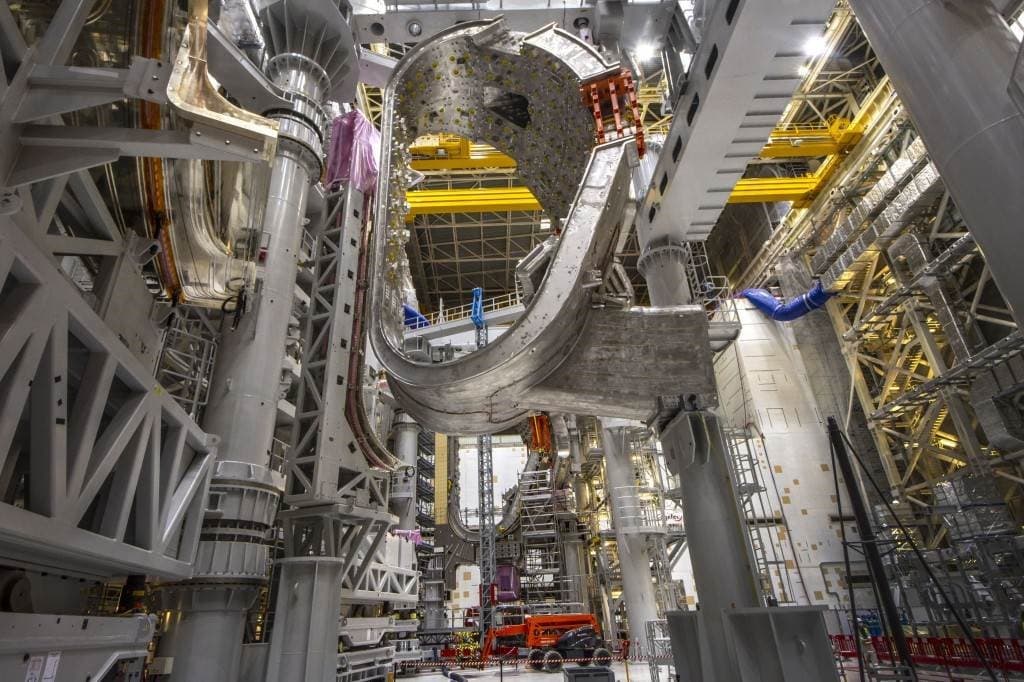
At the end of 2023, Europe's largest tokamak, JET, concluded its successful research programme. It was one of the few tokamaks to operate with tritium, enabling it to study not only plasma behaviour but also fusion reactions. It holds a number of fusion records. At the same time, a number of new tokamaks have started operating and are also setting records. Here we look back at JET's results and at the current state of fusion devices using magnetic confinement.
Europe's largest tokamak, JET (Joint European Torus), located at Culham near Oxford, ended its successful 40-year run. Its final pulse took place on 18 December 2023 and was numbered 105,929. The foundation stone for its construction was laid in 1979. It was a European project involving eleven countries from the outset. Scientists from as many as 28 countries are currently involved in its work. This is an opportunity to review progress towards a fusion reactor using magnetic plasma confinement, including achievements by tokamaks and stellarators.
Energostat: electricity generation in the Czech Republic
Energostat: electricity generation in Germany
Translation disclaimer
This article is a machine translation of the Czech original and has not yet been fully reviewed. In case of any doubt, please refer to the Czech version.
Sdílejte článek prostřednictvím:
Topics:Energy Weekly
You might also like

1 November 2026, 16:09
1 November 2026, 07:59

31 October 2026, 12:55

31 October 2026, 08:21