
25 October 2026, 08:20
Loading...
Top 10 energy stories of the past week
oEnergetice.cz
23 June 2024, 21:03

1. Bavaria plans to expropriate Uniper hydropower plants against the German government’s wishes
Bavaria is legally entitled to expropriate hydropower plants owned by energy group Uniper and located in the state. The Free State plans to exercise this right in 2030, against the wishes of both Uniper and the German government. The move would affect more than 85 plants.
Bavaria wants to expropriate hydropower plants belonging to energy group Uniper in the medium to long term. Minister-President Markus Söder announced in Munich that the Free State would exercise its right to take over Uniper’s hydropower plants on Bavarian rivers from 2030. Söder stressed that this could happen against the wishes of both the company and its owner, the federal government.
2. Batteries face the risk of profit cannibalization in the future, much like renewables
According to some experts, Spain’s electricity storage market could face cannibalization in the future, much like the renewable energy sector. As the power and capacity of storage facilities connected to the grid grow, competition will intensify rapidly, affecting their profitability. The storage market is still in its early stages, but the situation is likely to change dramatically by the end of the next decade.
Renewable energy sources, particularly solar and wind power plants, have recently been experiencing another strong boom. However, the rapid growth in installed solar capacity also has a downside, as it is putting pressure on the profitability of these sources. The simultaneous peak in generation is particularly pronounced for solar power plants across Europe. On sunny days, this pushes prices around midday towards zero, or even into negative territory, in many markets.
3. Construction begins on a commercial sodium-cooled reactor in the US
TerraPower, a nuclear innovation company, celebrated the start of construction on its Natrium1 reactor demonstration project. It is the first advanced reactor project in the North Atlantic region to move from the design phase to construction. The company is notable for being founded by Bill Gates, who has a personal interest in building the sodium-cooled reactor.
“This groundbreaking marks the beginning of a new era in nuclear energy. The Natrium reactor is more than a design; it is a power plant that will drive the clean energy transition and support our historic energy communities,”said Chris Levesque, president and CEO of TerraPower.
4. Europe must learn from Germany’s Energiewende mistakes when building its grids
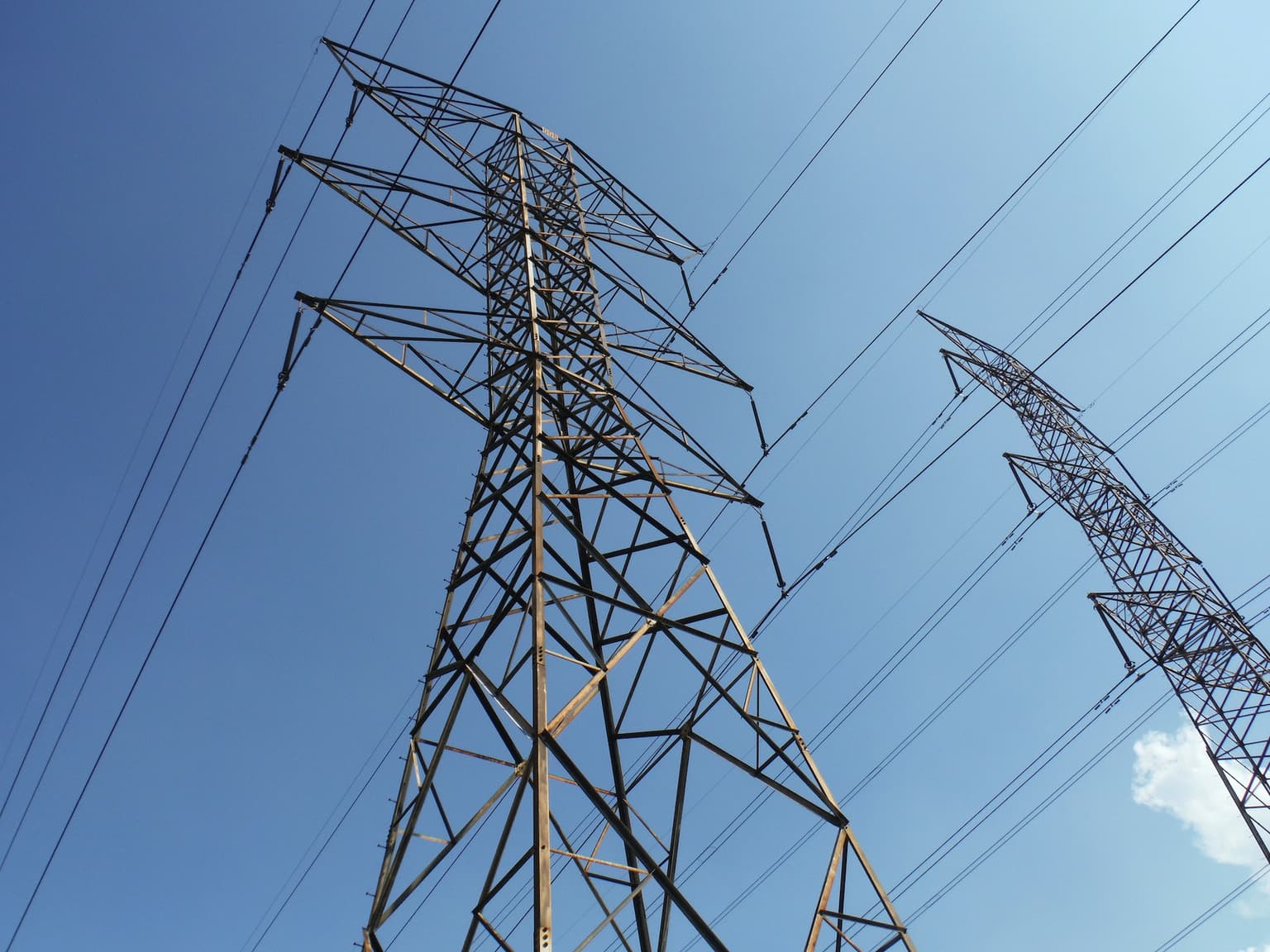
Europe needs better coordination in developing its electricity grid as it decarbonizes its energy sector. Other countries should learn from Germany’s mistakes, the head of TransnetBW said.
The development of electricity grids is a weak point in Germany’s energy transition and also plays a significant role at the European level. European countries should avoid the mistake of focusing first on expanding renewable energy and then struggling with lagging grid development, as Germany has, says Michael Jesberger, head of TransnetBW.
5. Planned nuclear power plant in Kenya raises environmental and technical concerns

Kenya is considering building its first nuclear power plant since 2009, with construction tentatively scheduled to begin in 2027 and commissioning possible no earlier than 2034. However, there is strong opposition to the project, with critics pointing to both environmental impacts and technical and economic problems, The Guardian reported.
The Kenyan nuclear power plant is planned for the coastal Kilifi region, where there is ample ocean water for cooling the reactor. If built, Kenya will become the third African country to operate or build a nuclear power plant. The first is in operation in South Africa, where two 970 MW reactors are running; the second is currently under construction in Egypt, where four units rated at 1200 MW each are being built.
6. Solar panels are coming to vineyards and raspberry fields. Agrivoltaics arrive in Czechia

Solar panels could soon appear above vineyards, hop fields and orchards. Agrivoltaics could help reduce costs or, for some crops, provide protection from direct sunlight.
At the end of May, senators approved an amendment to the Act on the Protection of the Agricultural Land Fund, which will allow electricity generation to be combined with crop cultivation, a practice known as agrivoltaics. This could get underway as soon as July, provided the relevant ministries prepare the necessary regulations. The approach is already being used to generate electricity in the US, China and other EU countries.
7. Czechia was among Europe’s leading battery storage markets in 2023
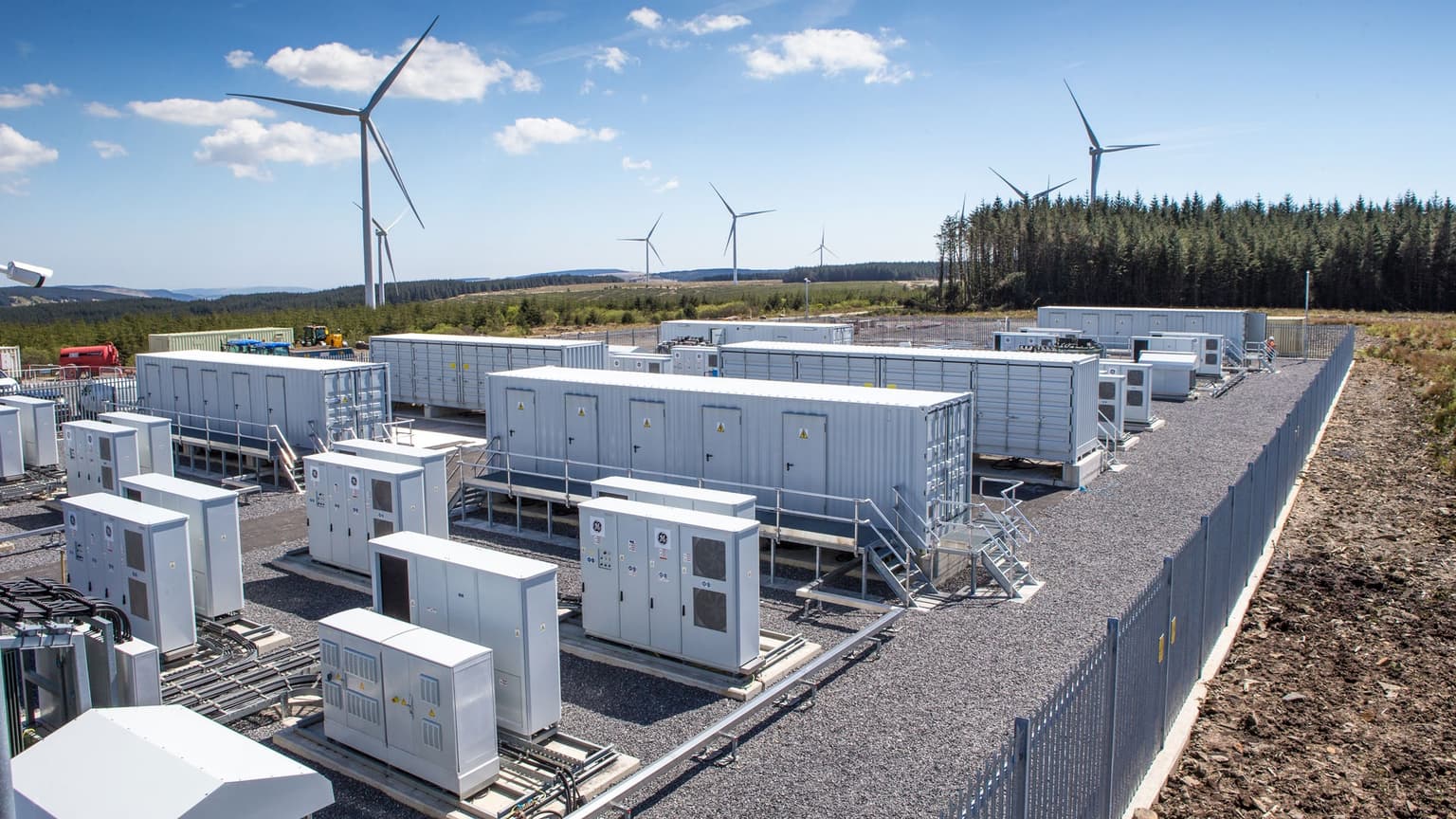
According to an analysis by SolarPower Europe, Europe installed a total of 17.2 GWh of new battery systems in 2023, a 94% increase compared with 2022. This was the third consecutive year in which the annual market volume doubled. Neighbouring Germany once again contributed the largest volumes to growth. This year, however, Czechia also made it into the top five markets, leading in the volume of residential solar systems installed alongside battery storage.
Battery markets have been experiencing an exceptional boom, particularly over the past three years. The growth has been driven mainly by the expansion of renewables, technological progress and policy support. The growth trend of recent years was confirmed by a newly published report from SolarPower Europe, an association representing more than 300 companies across the industry.
8. Bloomberg: India plans its most new coal-fired power plants in a decade this year
India is set to add more new coal-fired power plants this year than at any time in nearly a decade. The country needs to rapidly increase electricity generation to meet growing demand. Coal-fired power capacity is expected to rise by 15.4 gigawatts (GW) in the fiscal year ending in March 2025, the largest increase in nine years. The Bloomberg news agency reported this today, citing informed sources.
India has ambitious clean energy targets, but rapid economic growth has prolonged the country’s reliance on coal, considered the dirtiest fossil fuel. The situation is being exacerbated by intensifying heatwaves, which push electricity consumption to new records each year. Coal currently accounts for three-quarters of the country’s electricity generation, and the government expects it to remain the main fuel for at least another decade.
9. Canada prepares for an LNG boom as its first terminal nears launch
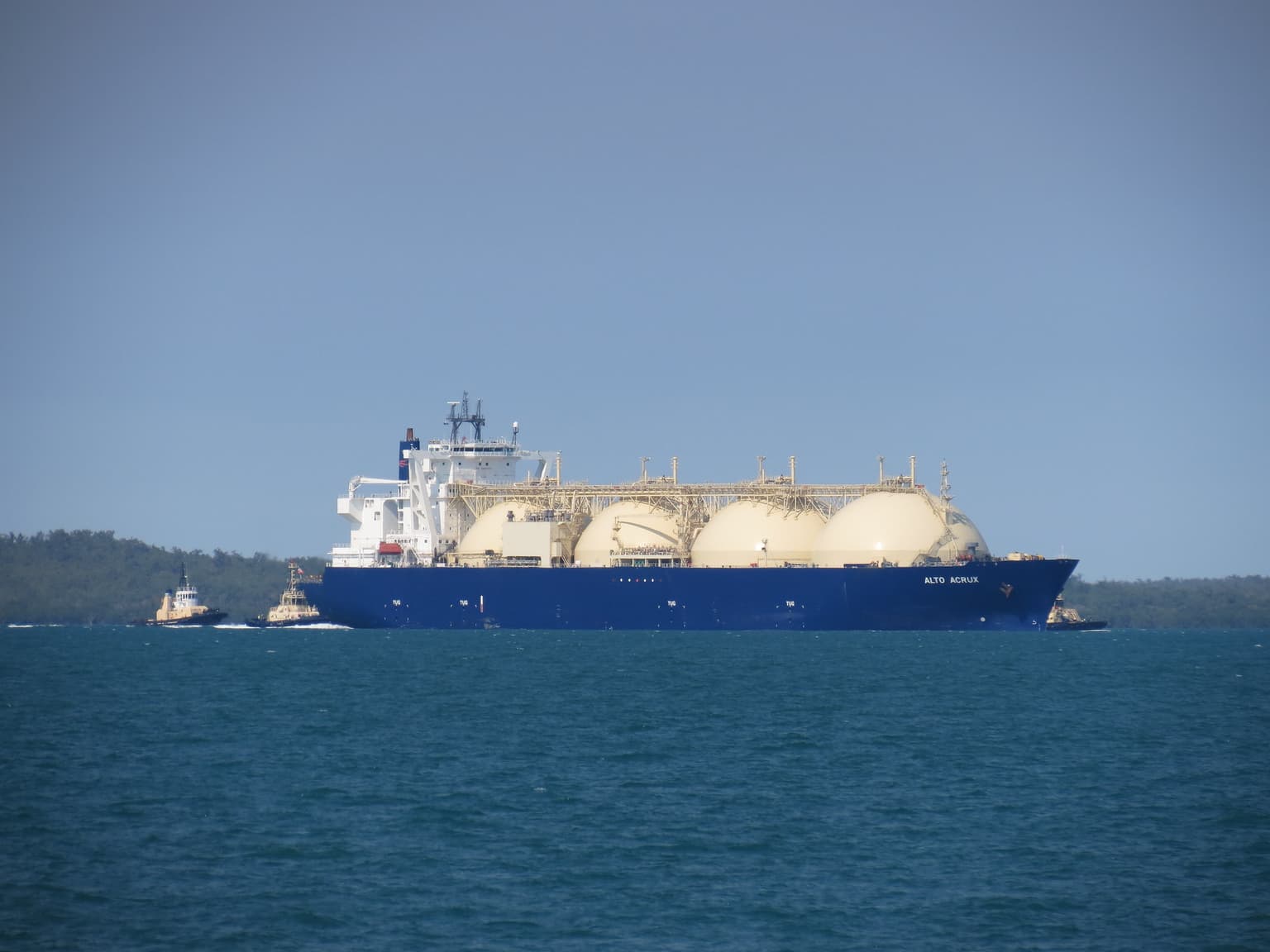
Canada’s west coast could eventually become home to several liquefied natural gas (LNG) export terminals. Work on the first major export terminal is continuing, and it could begin its first deliveries around the middle of next year. A total of five different terminals are in development, most of them smaller in scale.
By the end of this decade, Canada could become one of the leading exporters of liquefied natural gas. Several projects are in development, with the LNG Canada terminal in British Columbia at the most advanced stage. Once completed, it is expected to have a total annual capacity of 12 million tonnes of LNG, equivalent to approximately 16 billion cubic metres of gas.
10. European energy industry representatives criticize new EU energy rules
European energy industry representatives have raised objections to new European Commission rules on electrical transformers. They are also criticizing the EU’s broader regulatory approach to the energy sector.
One of the key pillars of the current European Commission’s programme is decarbonizing the EU economy, including through regulations promoting greener materials. One of the latest proposals in this area is now facing criticism from energy industry representatives, as reported by Euractiv.
Energostat: electricity generation in Czechia
Energostat: electricity generation in Germany
Translation disclaimer
This article is a machine translation of the Czech original and has not yet been fully reviewed. In case of any doubt, please refer to the Czech version.
Sdílejte článek prostřednictvím:
Topics:Energy Weekly
You might also like

23 October 2026, 14:38