
25 October 2026, 08:20
Loading...
Top 10 energy stories of the past week
oEnergetice.cz
14 July 2024, 21:08
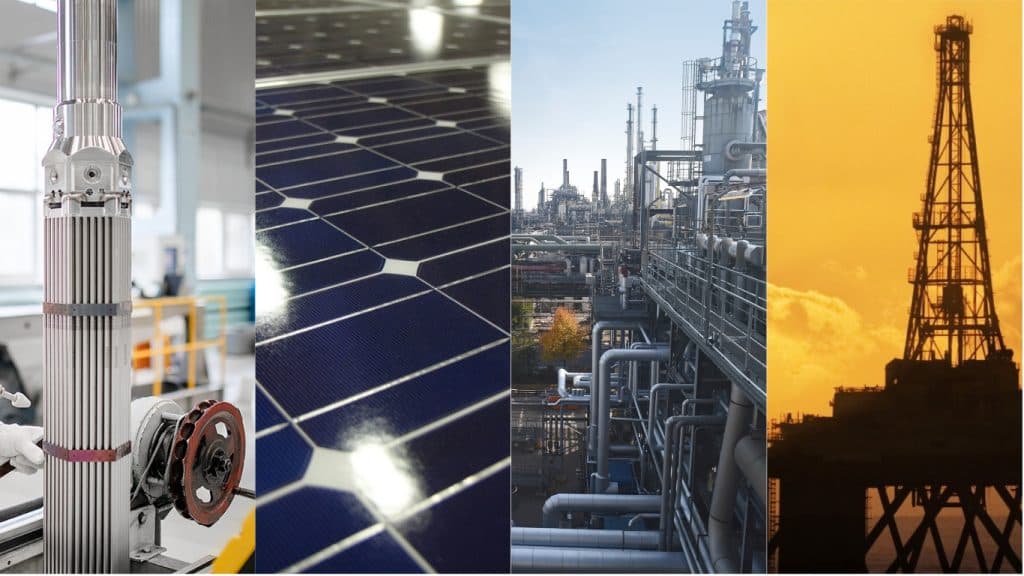
1. Sokolovská uhelná is having a turbine at Tisová Power Plant repaired for CZK 100 million
Sokolovská uhelná is having a 60-year-old steam turbine at Tisová Power Plant in the Sokolov region repaired. The plant’s management wants to ensure the facility can continue operating safely and without problems; among other things, it supplies heat to part of the Sokolov region. The repair is being carried out by Doosan Škoda Power, the turbine’s manufacturer. The estimated repair cost is over CZK 100 million, Sokolovská uhelná said in a press release today.
The turbine’s last extensive overhaul took place in 2011. Work on the current repair began in June this year. The turbine has been taken offline for the work; first, all the parts requiring repair or replacement must be dismantled. “Some will need to be transported to the manufacturing plant in Plzeň. It is also important to carry out acceptance tests before and after the turbine repair to verify that the contractor has completed the work to the required quality and in accordance with the quality assurance programme. The delivery also includes inspection reports and technical documentation for the repair. The turbogenerator is expected to be synchronized with the grid and brought into operation at the end of September. The work is scheduled to be handed over on 15 October,” said Marcel Friml, chairman of the board of Tisová Power Plant and vice-chairman of the board of Sokolovská uhelná. The repair should extend the turbine’s service life by another ten years.
2. Solar power plants are the third-largest source of electricity in Czechia. They have generated over 2 TWh this year

Solar power plants in the Czech Republic have generated a total of more than 2 TWh of electricity so far this year. Their generation over the same period this year is substantially higher than last year’s solar power generation. According to publicly available data, generation over the comparable period last year reached 1.3 TWh. Solar power plants have also become the third-largest source of electricity in the Czech Republic.
After many years of stagnation, solar power plants are beginning to play an increasingly important role in electricity generation in the Czech Republic. Following that stagnant period, positive news is now also coming from the sector. The first arrived at the beginning of this year, when positive statistics were published showing a substantial increase in installed solar capacity in 2023.
3. EDF withdraws from competition for UK small nuclear reactors

While the other participating companies submitted their proposals to build a small modular reactor (SMR), EDF has decided to withdraw its Nuward design from the Great British Nuclear (GBN) competition. In June, the deadline for bids was extended by two weeks.
The new deadline, 8 July, fell four days after the UK general election, which brought a change of government from Conservative to Labour. The deadline was reportedly extended at the request of one of the bidders, not because of the election.
4. EU imports of energy commodities continue to decline
In the first quarter of this year, the European Union imported energy commodities worth EUR 95.5 billion, with a total volume of 183.8 million tonnes. Compared with the same period in 2023, this represents a decrease of 26.4% in value and 10.4% in volume. The European statistical office Eurostat reported.
Both the value and volume of energy commodity imports into the European Union continue to fall. The largest declines in the first quarter of this year were recorded for natural gas: the value of imported pipeline gas fell by 56.8% year on year (volume by 11.7%), while the value of imported liquefied natural gas (LNG) fell by 54.1% (volume by 11.4%).
5. DECCI launches hybrid energy facility with the largest battery storage system in Czechia

Decci Group is commissioning a hybrid energy facility in the village of Vraňany in the Mělník region, featuring the largest battery storage system in Czechia: Energy nest, with a total capacity of 30 MW.The facility combines innovative technologies with a custom-developed control system that enables it to stabilize the transmission grid. The modern energy facility can respond flexibly to surpluses or shortages in the grid and, when not providing an activated service, remains on standby with zero emissions and without inefficient fuel use. Energy nest is therefore not only a flexible and innovative energy source, but also an environmentally friendly one.
Changes to the energy mix, the planned shift away from conventional energy sources and the growing share of energy from renewable sources will contribute to instability and fluctuations in the electricity grid. New sources of ancillary services (SVR) that ensure the stability and security of the electricity grid are therefore being sought. The hybrid Energy nest facility, with a total installed capacity of 52.4 MW, is one such source and opens up a range of potential solutions for providing ancillary services.
6. Negative emissions allowances will not save industry, experts say

European industry should not rely on negative emissions to compensate for the end of new allowances under the EU Emissions Trading System (EU ETS) from 2039. At least, that is the view of experts contacted by Euractiv, who say that industrial companies should instead reduce their emissions.
Under the EU ETS, around 10,000 power plants, heat plants and large industrial facilities are required to buy CO2 emissions allowances for the emissions they release into the atmosphere. Companies can either buy the allowances at auction or receive them for free. This applies to economic sectors at risk of relocating production to countries where greenhouse gas emissions are not restricted.
7. European Commission approves completion of two Romanian nuclear units
Two nuclear units under construction at Romania’s Cernavodă power plant have received the European Commission’s approval for completion. Completing the units, whose construction began in the first half of the 1980s, would increase the country’s generating capacity by around 1,300 MW. The operator expects to bring the CANDU-6 units online around the turn of 2030 and 2031.
Romanian energy company Nuclearelectrica announced that it had received a positive opinion from the European Commission on completing the two units under construction at Cernavodă power plant. Nuclearelectrica subsidiary Energonuclear submitted information on the completion of Units 3 and 4 in May last year. According to the Commission, its positive opinion follows an analysis of information provided by Romania, site visits to the power plant and 13 months of technical discussions.
8. Connection to the Dukovany heat pipeline will free up boiler house space in Brno districts

Nine gas boiler houses in Brno’s municipal districts are expected to be replaced by a connection to the heat pipeline that Teplárny Brno plans to bring to the city from Dukovany Nuclear Power Plant by 2031. The district heating company has held talks with mayors not only from the districts that could connect to the pipeline in the future, but also from five other districts where excavation work will be necessary during construction. Teplárny Brno said in a press release.
“We have kept the mayors of the municipal districts informed about developments and updates on the project. We discussed in detail how construction of the heat pipeline will affect their districts and what benefits and restrictions they should expect. We will continue working with them and discuss all the key developments in the project, so that we cause as little disruption to residents’ lives as possible,” said Petr Fajmon, chief executive of the municipal district heating company.
9. Germany to hold first auctions for hydrogen-ready gas power plants
Last week, the German government approved a power plant strategy as part of its economic growth package. This implements an agreement reached with coalition leaders in February this year and coordinated with the European Commission. Germany will launch auctions for a total of 12.5 GW of installed power plant capacity and 500 MW of storage facilities.
The tenders will take place in two separate rounds. According to the Federal Ministry for Economic Affairs and Climate Action (BMWK), the first round is expected to take place at the end of this year or the beginning of next year.
June 2024: the 13th record-warm month in a row

June has never been this hot. It was the 13th record-warm month in a row, making a new record for the hottest year on record highly likely. Last year currently holds the top spot. The information was reported by the European Union’s Copernicus Climate Change Service (C3S) which monitors climate change.
According to C3S meteorological data, this June’s global temperature was 0.67 °C above the June average for 1991–2020. With an average temperature of 16.66 °C, it also exceeded last year’s first month of summer by 0.14 °C. The difference is even more striking in a historical comparison with the pre-industrial reference period, based on the estimated June temperature for 1850–1900: 1.5 °C.
Feature
Intersolar: AIKO panels dominate, microinverters gain ground and building-integrated photovoltaics

While agrivoltaics has been the hot photovoltaic topic in Czechia in recent days, entirely different issues were in the spotlight in Munich. But what was happening across the exhibition grounds—which were perhaps full for the first time—including halls A1 to C6 and the outdoor area?
Halls A1, A2 and A3 were home to module manufacturers. The usual contest for the most powerful panel, in production or pre-production versions, was underway. Practically all module manufacturers showcased the largest possible TopCon or HJT (heterojunction) modules. They competed to offer the highest efficiency (up to 24%) and reduce the expected loss of output as panels age.
Germany plans radical changes to its renewable energy support scheme
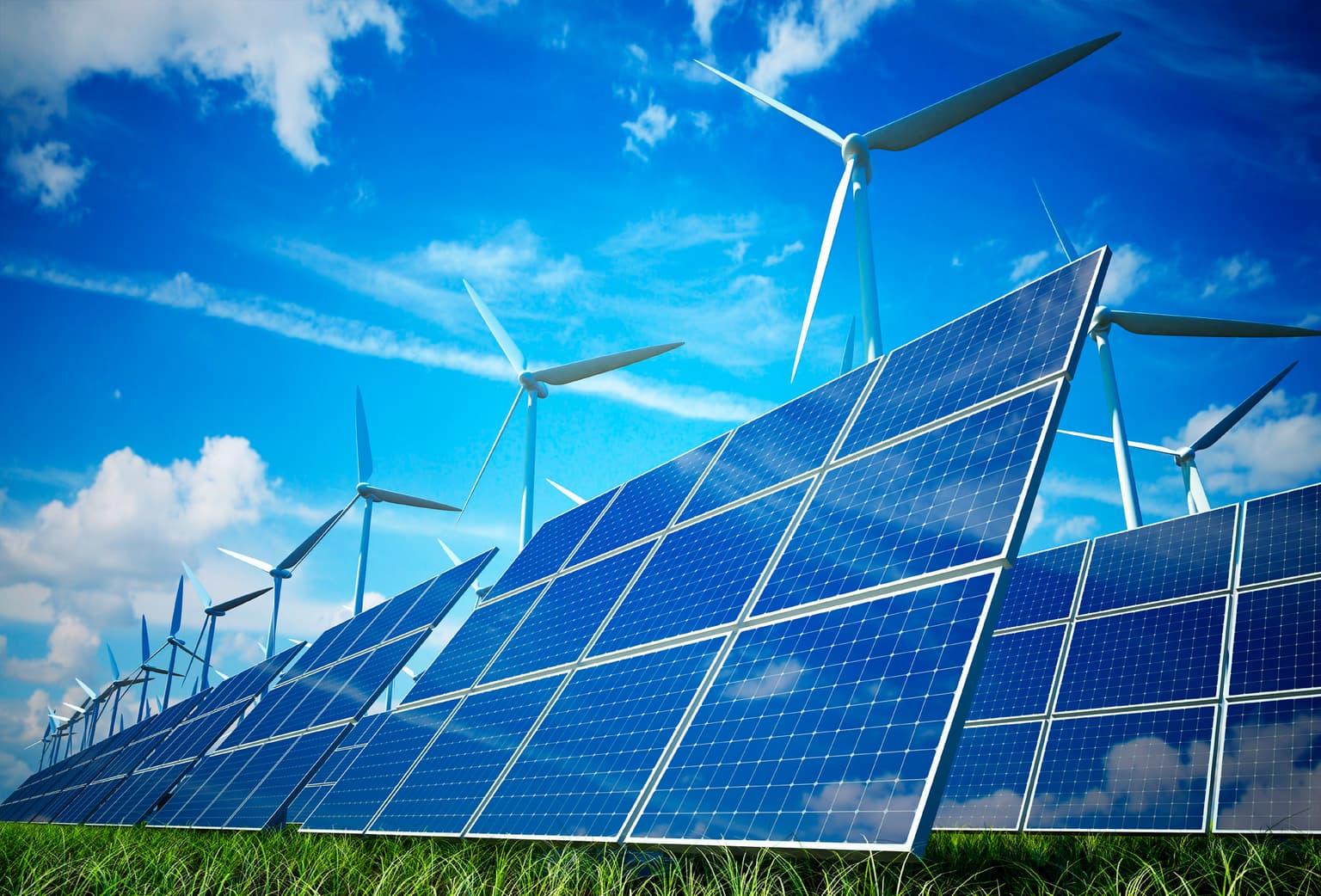
The German government has agreed to make radical changes to the country’s support scheme for renewable energy sources. Changes to support for conventional power plants, specifically those fired by natural gas, have also been approved. These plants are and will be needed to balance the supply side of the market in view of the variable output and generation of renewable energy sources.
Energiewende
Germany’s Renewable Energy Sources Act dates back to the late 1990s. It guarantees solar and wind power plant operators operating support for 20 years after a new facility comes online. The law helped Germany become a pioneer in the renewable energy market. The support scheme is now set to change, however. Government representatives made the information public on 5 July.
Energostat: electricity generation in Czechia
Energostat: electricity generation in Germany
Translation disclaimer
This article is a machine translation of the Czech original and has not yet been fully reviewed. In case of any doubt, please refer to the Czech version.
Sdílejte článek prostřednictvím:
Topics:Energy Weekly
You might also like

23 October 2026, 14:38