25 October 2026, 08:20
Loading...
Top 10 energy stories of the past week
oEnergetice.cz
13 October 2024, 20:14
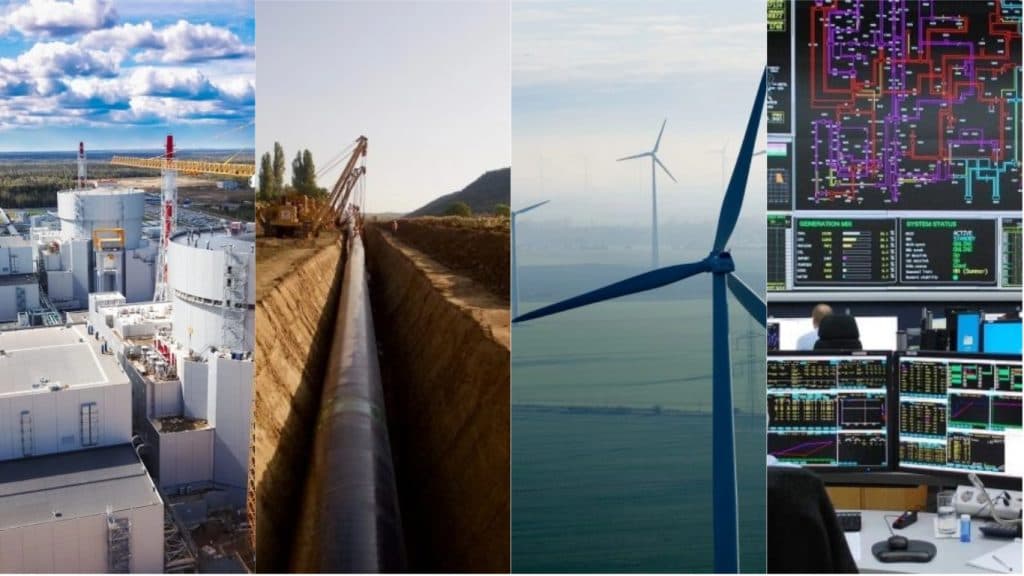
This week, we once again bring you a carefully selected list of the ten most important articles we published on oEnergetice.cz. If you missed any of them, here is a selection of the stories that caught our readers’ attention the most. Have a great week ahead!
1. Czechia is falling behind on energy legislation. The European Commission has issued an ultimatum

The European Commission has called on Czechia for a second time to transpose European Directive 2019/944 on common rules for the internal market for electricity. The deadline for transposition expired at the end of 2020. This is the second warning Czechia has received from the European Commission on the matter. Czechia now has two months to take corrective action. If it fails to do so, the European Commission may refer the matter to the Court of Justice of the European Union.
The Czech Republic is behind on transposing key energy legislation, specifically Directive 2019/944 on common rules for the internal market for electricity. The directive is a cornerstone of the design of the electricity market in the European Union. The Czech Republic has had time to transpose it since June 2019, when it was adopted, but in the European Commission’s view, it has still not been correctly transposed. The directive should have been fully incorporated into Czech law by the end of 2020.
Read the full article HERE.
2. Moltex reactor can burn used nuclear fuel
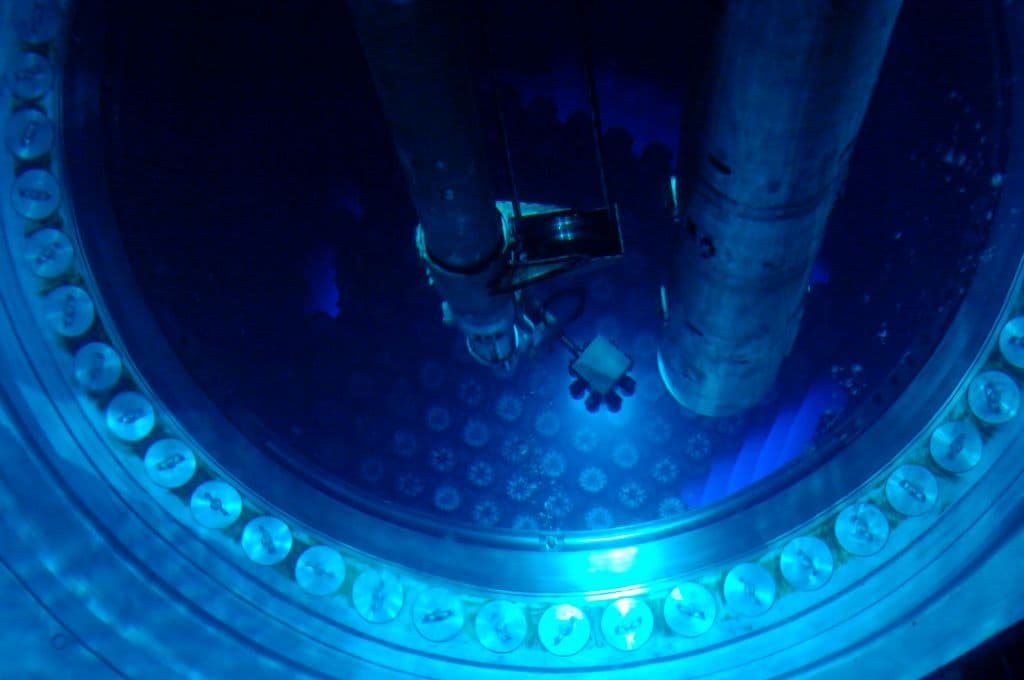
Moltex Energy Canada has announced that the results of new research confirm its stable salt reactor Wasteburner (SSR-W) has a “unique ability” to dispose of spent nuclear fuel. The research supports the development of a reactor that can “significantly reduce the amount of nuclear waste while producing clean energy”.
A peer-reviewed scientific paper “demonstrates the SSR-W’s ability to consume most of the transuranic (TRU) elements present in used fuel bundles from Canadian Candu reactors”. The reactor is being developed in collaboration with teams from New Brunswick, Ontario, the United Kingdom and the United States.
Read the full article HERE.
3. When there is too much electricity: France’s grid under pressure
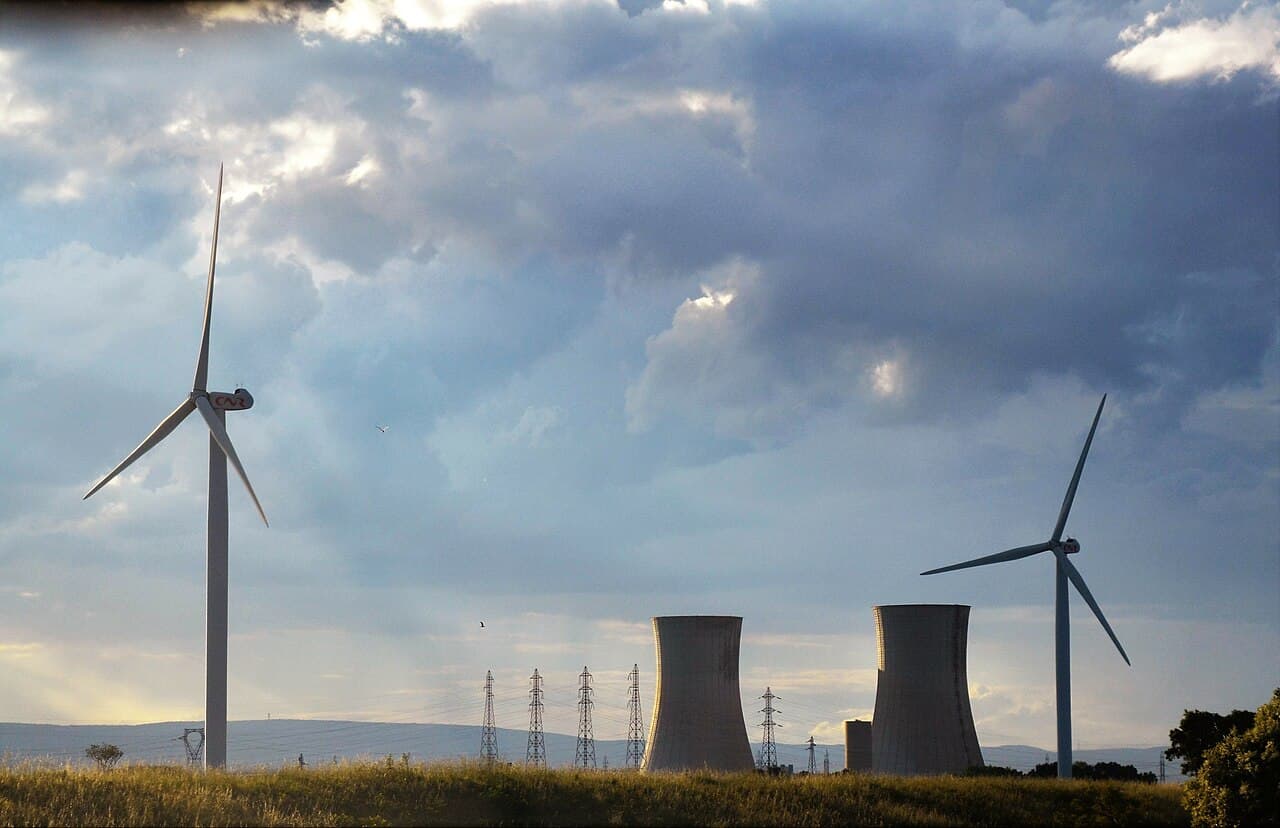
France is facing a problem with excess electricity on its grid. The transmission system operator is now urging renewable energy operators to adjust the output of their facilities to meet the grid’s needs, Montel reports. France’s energy mix is characterised by a high share of nuclear generation, which in most cases has limited flexibility.
This summer, French transmission system operator RTE was forced for the first time in its history to fully or partially curtail generation at some wind and solar power plants to prevent a grid collapse. This happened during a period of high nuclear generation and a sharp increase in renewable energy generation, combined with weak demand. Generation was curtailed at several offshore wind farms and one solar park on three days in July and September.
Read the full article HERE.
4. German agency says emissions trading system should be reformed, calls for stronger enforcement
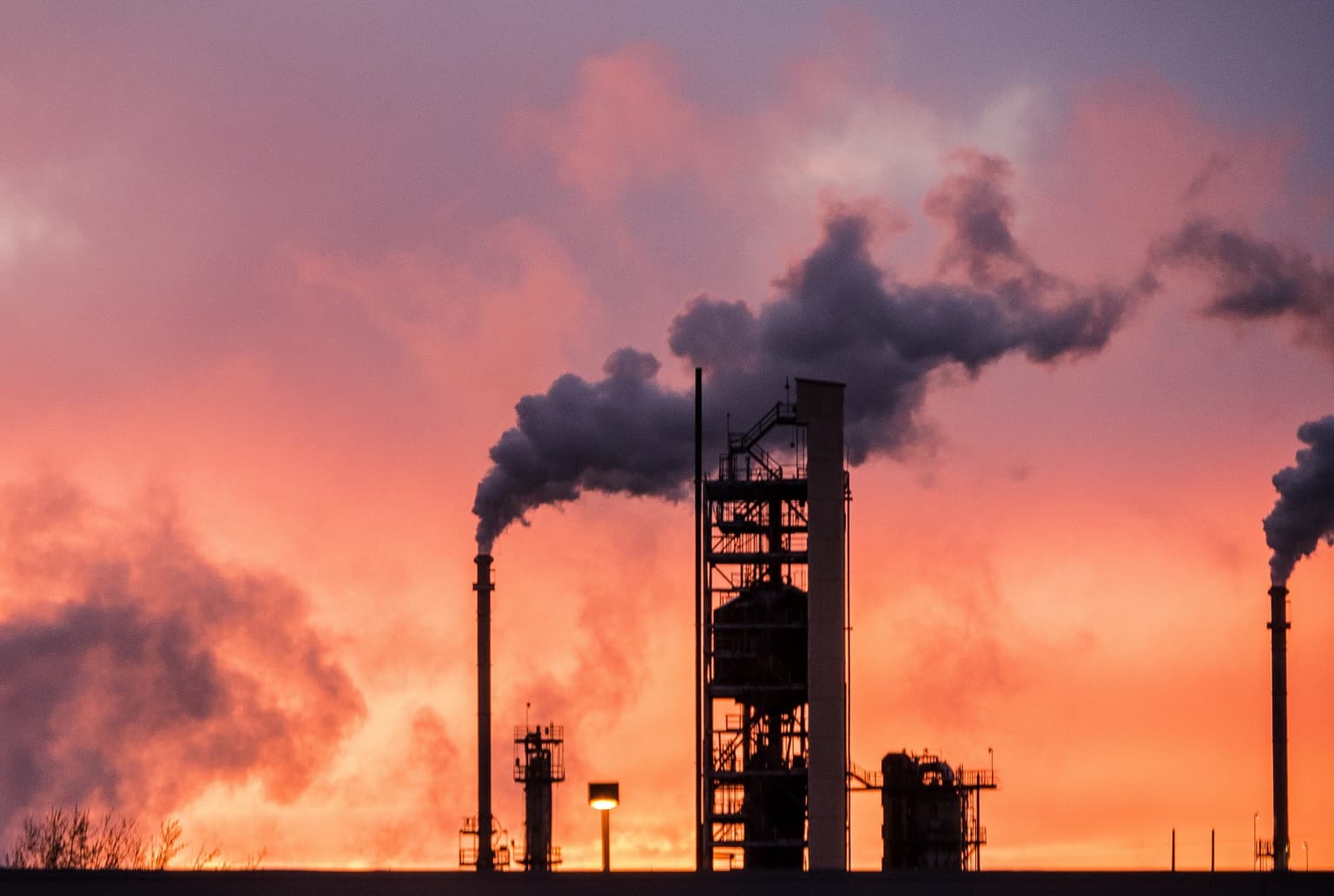
The European Union Emissions Trading System (EU ETS) is one of the EU’s primary tools for reducing carbon emissions. However, a new analysis by the German Federal Environment Agency (UBA) says it should be reformed to make it more resilient to crises. The agency says the reform should primarily ensure that the obligation to surrender allowances is consistently enforced. This is key to achieving the emissions targets of individual European Union member states.
The emissions trading system was introduced in Europe nearly two decades ago as the primary tool for reducing emissions. Under the system, selected emitters, primarily in industry and energy but also in aviation, must purchase and surrender allowances each year for emissions directly generated by their activities. The gradual reduction in the number of available allowances puts upward pressure on their price, helping to promote low-emission alternatives.
Read the full article HERE.
5. ČEPS commissions upgraded V403/803 line
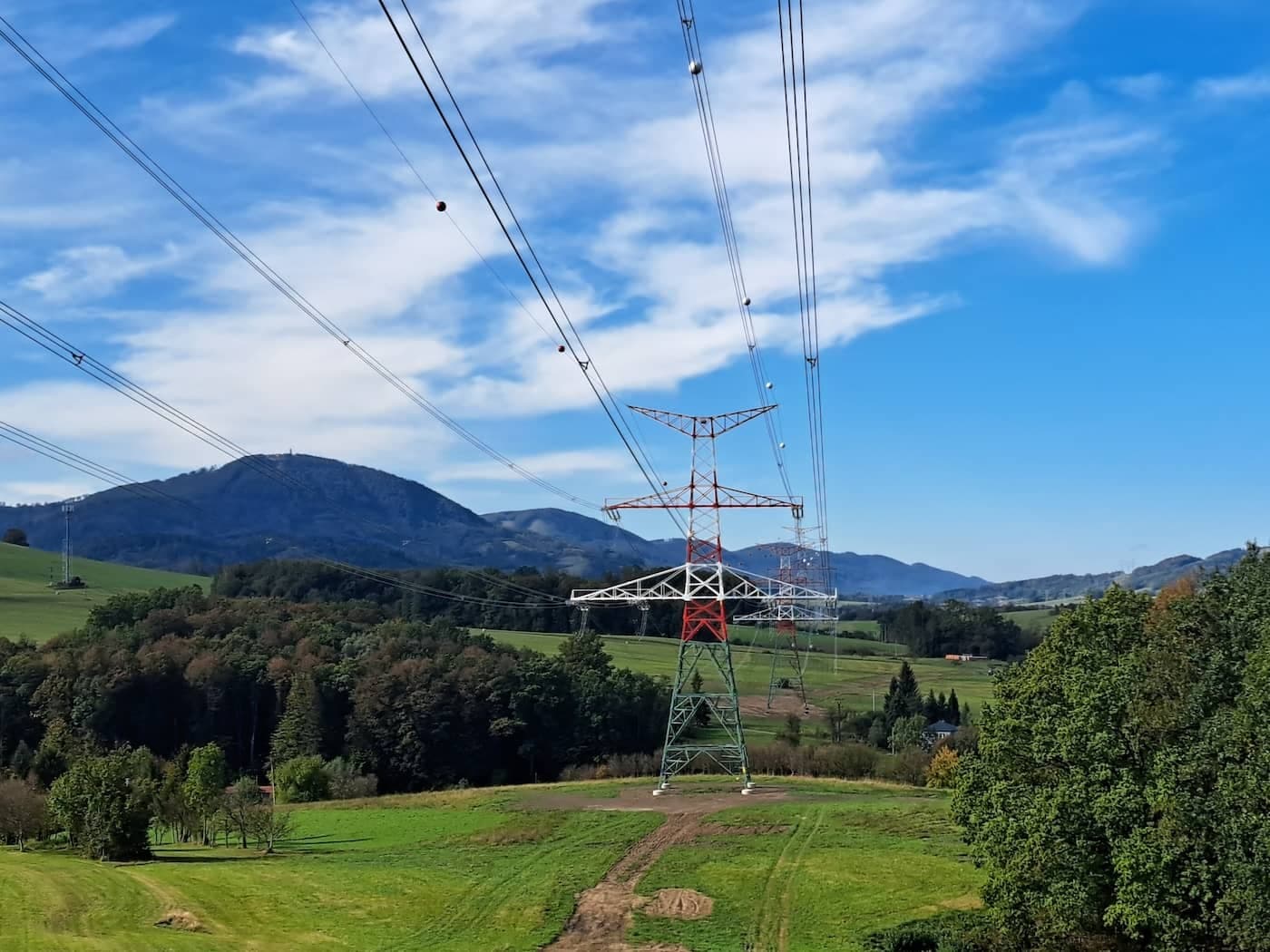
ČEPS has completed the investment project to upgrade the V403/803 line, which runs through the Olomouc, Zlín and Moravian-Silesian regions. The project aimed to increase the line’s transmission capacity and strengthen the security and reliability of electricity supplies in these regions.
The “V403/803 – line upgrade” project was carried out along the section between the Prosenice substation in the Olomouc Region and the Nošovice substation in the Moravian-Silesian Region. The new 400kV line is largely located along the route of the original line and is 79.5 km long. The total cost of the project is approximately three billion Kč.
Read the full article HERE.
6. Gas lobby versus science: Howarth study sparks debate over LNG’s emissions footprint
A report by Robert W. Howarth of Cornell University, which draws attention to the emissions footprint of US liquefied natural gas (LNG), has been peer-reviewed and published in the journal Energy Science & Engineering. Its conclusions remain practically unchanged, much to the displeasure of the US gas lobby. The British newspaper The Guardian reported the publication.
Robert Warren Howarth is an American biogeochemist and environmental scientist at the prestigious Cornell University. He is a respected expert in his field and has written extensively on climate pollution. For example, in 2011 he published one of the most controversial studies, titled Methane and the Greenhouse Gas Footprint of Natural Gas from Shale Formations, which led Time magazine to include him in its list of “people who matter”.
Read the full article HERE.
7. Is Germany building more LNG terminals that nobody needs?
Two more floating terminals for importing liquefied natural gas (LNG) are expected to come online in Germany before winter. The company has not specified the expected commissioning date, which is already several months behind the original schedule. Data on the use of Germany’s existing LNG terminals raise the question of whether the country needs any more terminals at all.
Work is underway on two floating terminals in Wilhelmshaven and Stade, both on the coast of the state of Lower Saxony. Both terminals are expected to come online before winter, the state-owned operator Deutsche Energy Terminal (DET) said, according to German news agency dpa.
Read the full article HERE.
8. China officially starts construction of another Hualong One nuclear unit
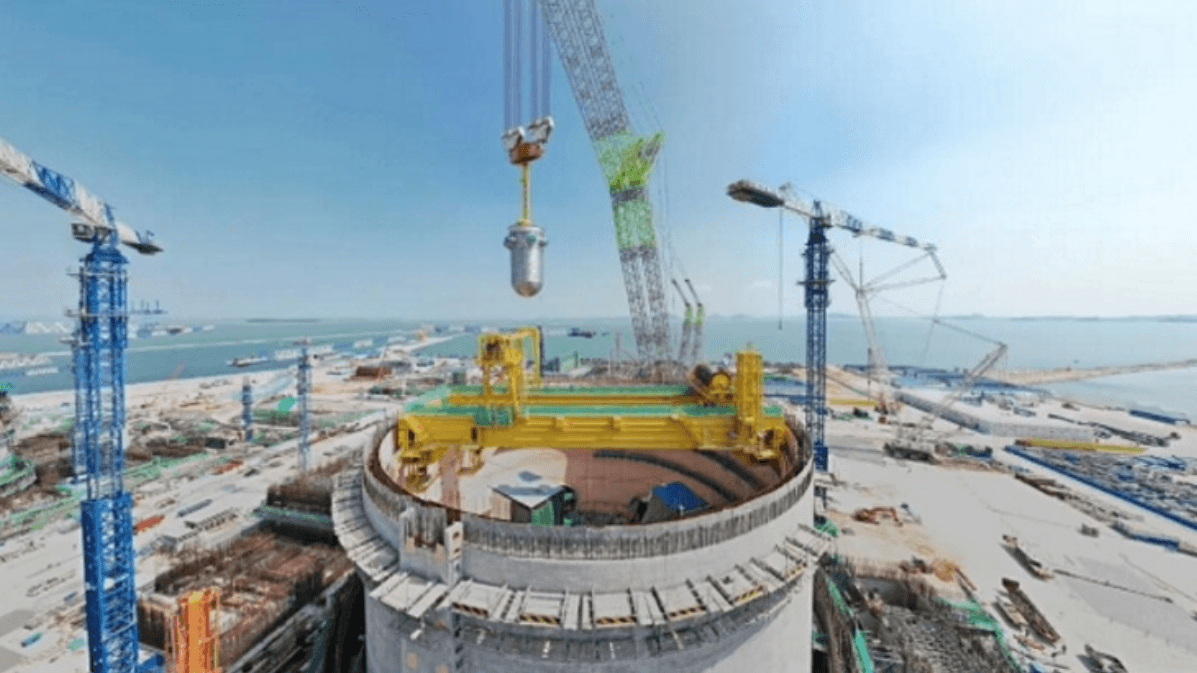
Technicians in China have started construction of the fourth unit at the Zhangzhou nuclear power plant by pouring the first concrete. The new plant will have a total of six Hualong One nuclear reactors, with combined capacity of more than 7 GW. The first pair of units will enter commercial operation next year, while the second pair, construction of which began this year, is expected to be commissioned within 5 years. The country is working intensively on preparations for a third phase, with another pair of units.
China National Nuclear Corporation (CNNC) announced that it had officially started construction of the Zhangzhou 4 nuclear unit in Fujian province. On 27 September, technicians began pouring concrete for the nuclear island of the Hualong One (HPR1000) unit, which has an installed capacity of approximately 1200 MW.
Read the full article HERE.
9. Gazprom signs deal with Hungary on possible increase in gas sales
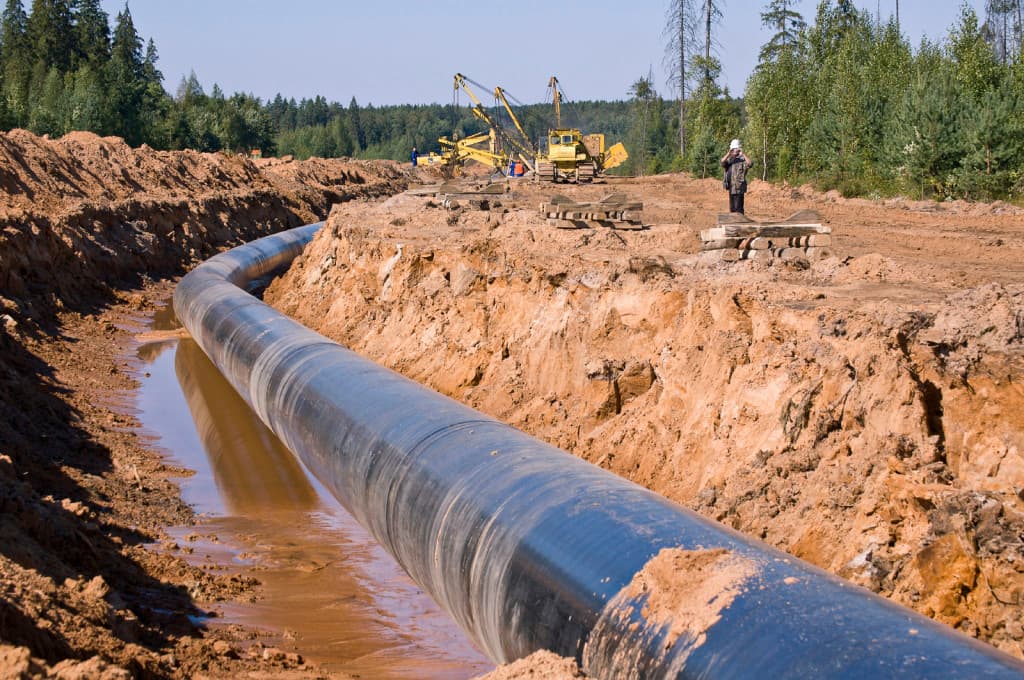
Russian gas giant Gazprom has signed a memorandum with Hungary on a possible increase in gas sales. Reuters reported the news, citing a company statement. Hungarian Foreign Minister Péter Szijjártó spoke today at a Russian energy forum in St Petersburg, despite the war in Ukraine and Western sanctions. Hungary currently holds the presidency of the Council of the European Union.
Szijjártó said, according to Russian news agencies, that he was not concerned about pressure from the EU over his visits to Russia. “Foreign policy is part of our sovereignty, and we will not allow anyone to restrict it,” the Hungarian minister said. Speaking at the St Petersburg International Gas Forum, he advocated maintaining cooperation with Moscow on oil, gas and nuclear energy. He stressed that while decision-makers in Brussels view energy as an “ideological” issue, Hungary sees energy supplies as a “physical reality” that also depends on supply infrastructure.
Read the full article HERE.
10. Net4Gas investment could pay for itself within ten years, Prime Minister Fiala says
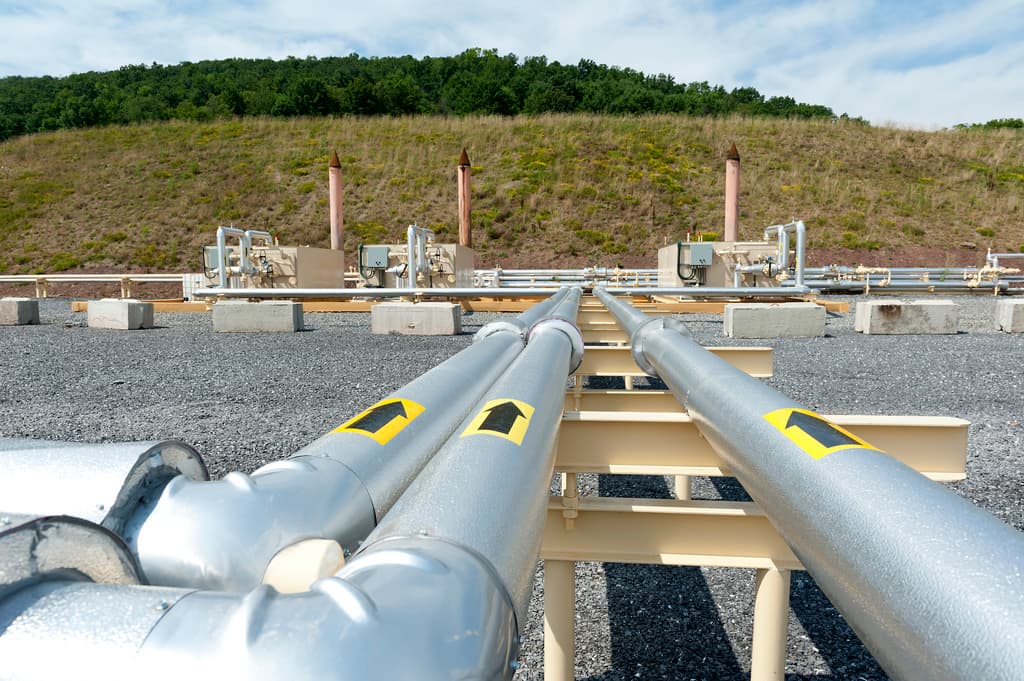
According to Prime Minister Petr Fiala (ODS), the state’s investment in Net4Gas could pay for itself within ten years. In his response to a written parliamentary question from Marek Novák (ANO), the prime minister said the company’s purchase made economic sense. He also pointed to its strategic importance. State-owned ČEPS bought the indebted company Net4Gas last year. As Novák was not satisfied with the response, the matter will now be discussed by the full Chamber of Deputies.
In his question, submitted in mid-August, Novák wrote that “the investment could have a fatal impact on Czech citizens”. He said Net4Gas’s pipelines were barely being used due to a lack of interest in gas transit through the Czech Republic, and that the company was in financial difficulty.
Read the full article HERE.
Topic
René Neděla: We are fully aware of the challenges of phasing out coal in the Czech Republic

Recently, media reports have been discussing an early phase-out of coal in the Czech Republic. The original expectation was to end coal use around 2033, but 2028 is now being discussed. The main reason is simply that coal is no longer profitable for operators. This could raise concerns about the security of heat and electricity supplies.
At oenergetice.cz, we would like to present views on this issue from across the spectrum. In the coming weeks, we will publish a series of exclusive interviews in which representatives of different viewpoints will answer a similar set of questions about the end of coal in the Czech Republic.Read the full article HERE.
Opinion
Hydrogen according to the Global Hydrogen Review 2023
Hydrogen is attracting worldwide attention as a key low-carbon energy carrier for the future, with the potential to decarbonise transport, energy, heating and energy-intensive industries such as chemicals and steel. Most of the data in this article comes from this extensive report.
Direct emissions from producing hydrogen from natural gas are around 9 kg of CO2 equivalent per kg of hydrogen (CO2 eq/kg H2). Additional emissions also arise from the production, processing and transport of natural gas, including methane emissions from venting or leaks, and CO2 emissions from burning methane at gas fields or from the energy used to produce and transport natural gas. These additional emissions amount to 2.4 kg CO2-eq/kg H2, bringing total emissions from natural gas to 10-13 kg CO2-eq/kg H2.
Read the full article HERE.
Energostat: electricity generation in Czechia
Data in this chart is also available in 15-minute resolution60min15min
Energostat: electricity generation in Germany
Data in this chart is also available in 15-minute resolution60min15min
Find more up-to-date charts and data on Energostat
Translation disclaimer
This article is a machine translation of the Czech original and has not yet been fully reviewed. In case of any doubt, please refer to the Czech version.
Sdílejte článek prostřednictvím:
Topics:Energy Weekly
You might also like

23 October 2026, 14:38