
25 October 2026, 08:20
Loading...
Top 10 energy stories of the past week
oEnergetice.cz
3 November 2024, 20:26

This week, we once again bring you a carefully selected list of the ten most important articles published on oEnergetice.cz. If you missed any of them, here is a selection of the stories that attracted the most interest from our readers. Good luck in the new week!
1. Outage in Norway: European gas prices hit their highest level this year
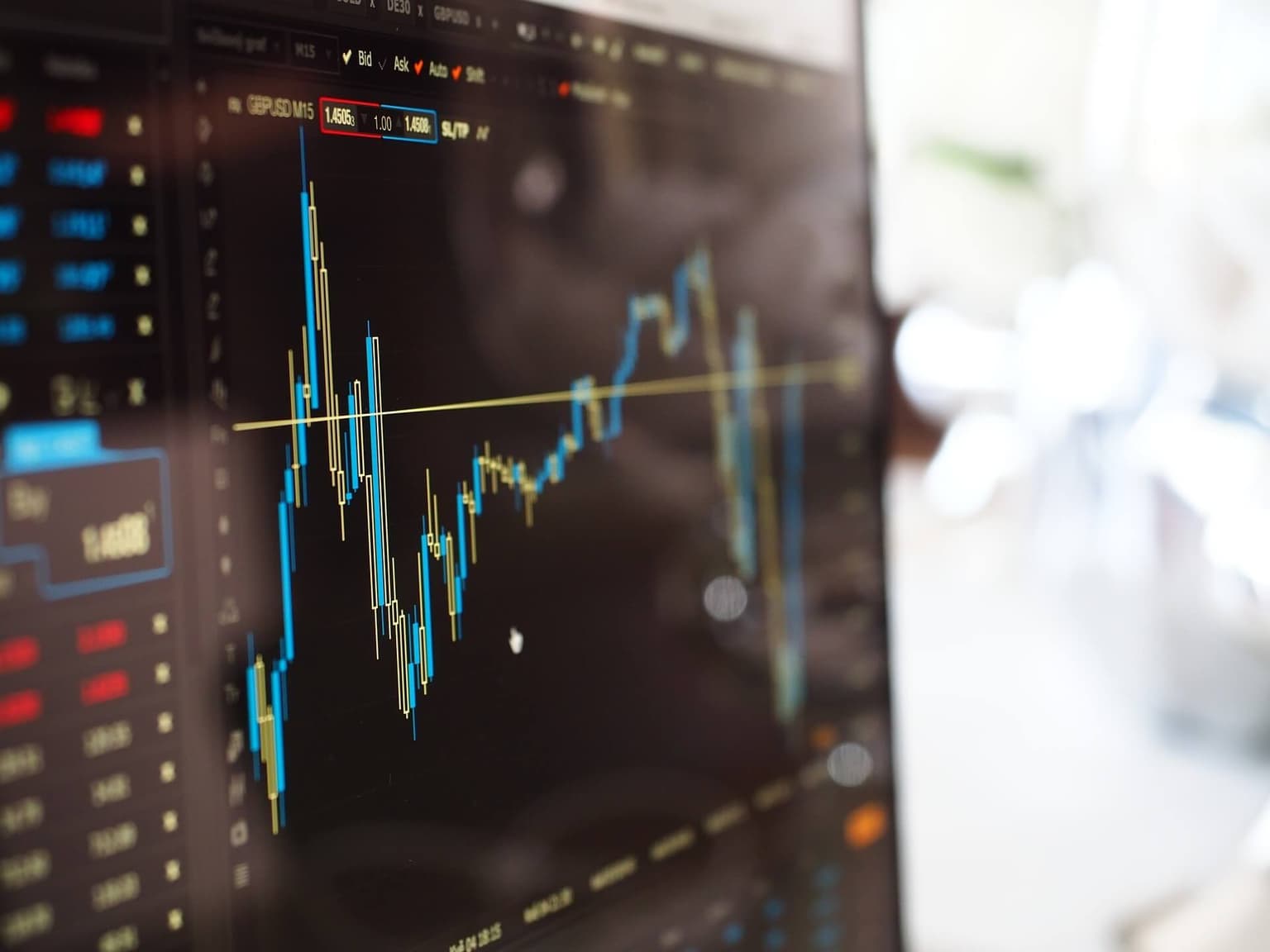
European gas prices have climbed to their highest level of the year due to an outage at a key supplier, Norway's Equinor. Prices are also being pushed up by concerns over tensions in the Middle East and rising demand for LNG in Asia, which is intensifying competition between Asian and European markets, the Financial Times reports.
The European benchmark for natural gas, the price at the Title Transfer Facility (TTF) trading hub, rose by as much as 3.6% to €43.68 per MWh, its highest level since December last year. The increase came despite EU gas storage levels being exceptionally high. According to the latest data from Gas Infrastructure Europe, European storage facilities were 95.31% full as of 22 October.
Read the full article HERE.
2. Germany: Bidirectional EV charging could be available as soon as next year

Germany is preparing to enable bidirectional charging of electric vehicles from 1 January. EV owners will be able both to draw electricity from the grid and feed it back. The measure is an important step towards increasing grid flexibility.
Legislation often prevents electricity from being fed back into the grid. As the Clean Energy Wire news service reports, this is set to change in Germany next year. After a long period of preparation, the conditions will be in place at the start of 2025 for electric vehicles to feed electricity back into the grid. This should allow users to help stabilize the power system and receive financial compensation for doing so.
Read the full article HERE.
3. German grid operators swamped with battery connection requests
Germany's transmission system operators have reported a sharp increase in applications to connect battery storage facilities over the past two years. In addition to providing ancillary services to stabilize the grid, battery storage can also help stabilize electricity prices in short-term markets. This year, German day-ahead electricity prices have fallen to zero or even below zero on hundreds of occasions.
The market for battery storage in Germany is still in its infancy, particularly when it comes to large-scale battery storage facilities. According to data from RWTH Aachen University, their currently installed capacity is just 1.4 GW, the Montel news service reported. The volume of connection applications currently on record is enormous, at 161 GW.
Read the full article HERE.
4. Oil paradox: Western countries and Turkey's "repackaging" of Russian oil
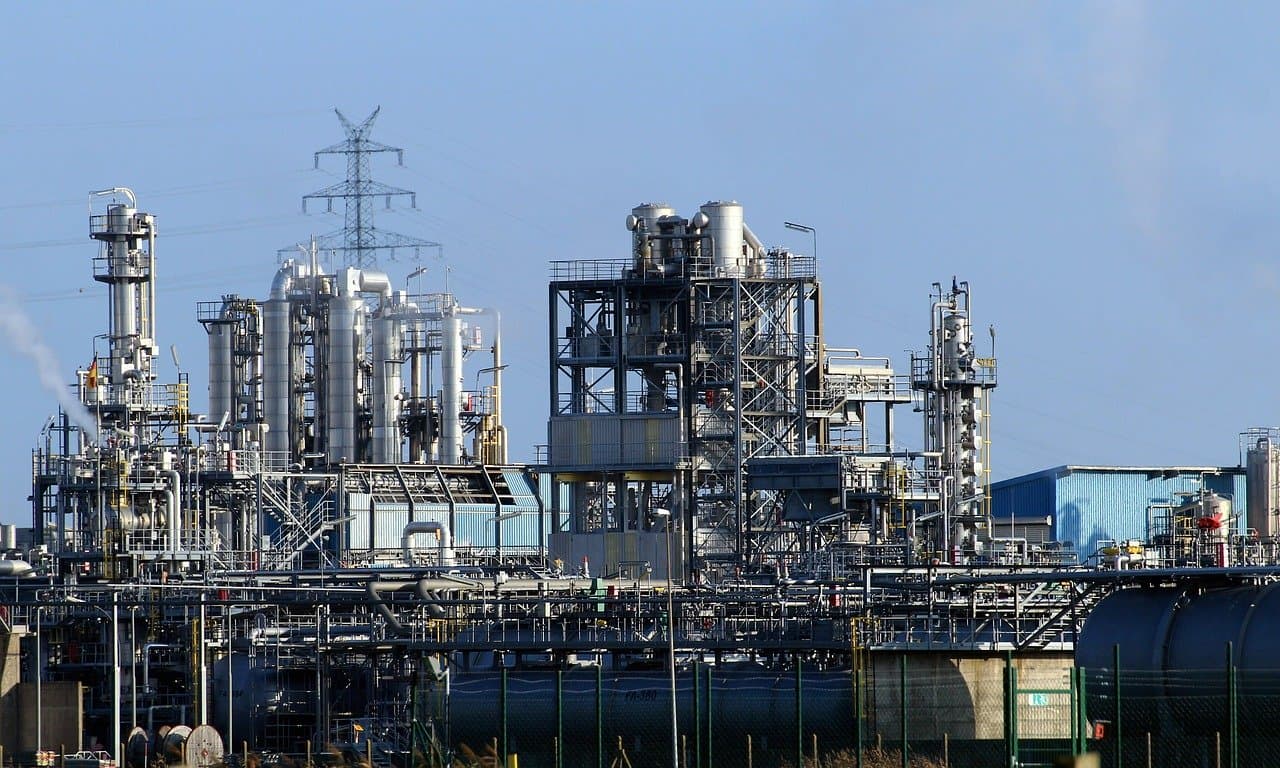
While Hungary faces criticism for its dependence on Russian energy sources, the chief operating officer of MOL has drawn attention to the hypocrisy of Western countries, which circumvent their own sanctions by importing Russian-origin oil products via Turkey. This is also confirmed by a study from CREA (Centre for Research on Energy and Clean Air). The director's comments were reported by the Financial Times.
György Bacsa, a senior executive at Hungary's leading oil company MOL, told the newspaper that Western allies were buying only "repackaged" Russian fuels from Turkey, with no one objecting and their role continuing to grow. Hungary, by contrast, is "only" using the exemption granted by the EU to landlocked countries such as the Czech Republic to give them more time to switch to alternative supplies.
Read the full article HERE.
5. Czechs develop modular reactor for combined heat and power
Czech developers have created their own version of a small modular nuclear reactor. The DAVID SMR project, developed with the involvement of Czech nuclear scientists, focuses on combined electricity and heat production. It could be used in selected industrial sectors, for seawater desalination, to ensure electricity supplies, or to provide cooling for data centers. The Czech News Agency reported the news, citing Czechatom, the system's main supplier.
Work on the project began in 2018, and this summer its developers completed the first phase of pre-licensing assessment with technical support from Ukraine's regulator, SSTC NRS. The project focuses on minimizing emissions in district heating in the former Eastern Bloc and Scandinavia. Globally, its developers say, it could be used in selected industrial sectors, but it does not directly compete with the technologies of major manufacturers, which are primarily focused on electricity generation.
Read the full article HERE.
6. Gazprom swings to a loss over nine months under Russian accounting standards
Russian gas giant Gazprom reported a loss of 309 billion rubles (CZK 74.1 billion) for the first nine months of this year, compared with a profit of 446 billion rubles in the same period last year. The company did not explain the loss, Reuters reported. The results are based on Russian accounting standards, which exclude subsidiaries.
Revenue rose by eight percent to 4.3 trillion rubles. Gross profit fell by nine percent to 838 billion rubles. In the third quarter alone, however, the company reported a profit of 171.53 billion rubles. The previous two quarters were loss-making.
Read the full article HERE.
7. From one extreme to another: Negative and zero electricity prices hurt investment

Electricity prices have gradually stabilized since the energy crisis. However, spot market prices are frequently falling into negative territory across Europe. In some EU member states, electricity has been free or even sold at a negative price in one out of every ten hours this year. Low prices benefit consumers, but pose a major problem for investors in new generation capacity.
The energy sector has been on a roller coaster over the past three years. The sharp rise in electricity prices that began in the second half of 2021 was followed by a similarly rapid decline. This decline is most evident in spot electricity prices, which have spent a record amount of time at zero or even in negative territory across Europe this year.
Read the full article HERE.
8. Analysis: Europe could become almost self-sufficient in green hydrogen

Much of Europe's expected demand for green hydrogen could be met by domestic production. This is according to an analysis by researchers at Germany's Fraunhofer CINES institute, who assessed the outlook for 2030 and 2050 under different demand scenarios.
According to the published findings, demand for green hydrogen could reach around 700 TWh in 2050 under the low-demand scenario and as much as 2,800 TWh under the high-demand scenario. For comparison, EU natural gas consumption in 2023 was just over 3,500 TWh.
Read the full article HERE.
9. Analysts: Negative electricity prices in France to persist at least until the end of the decade
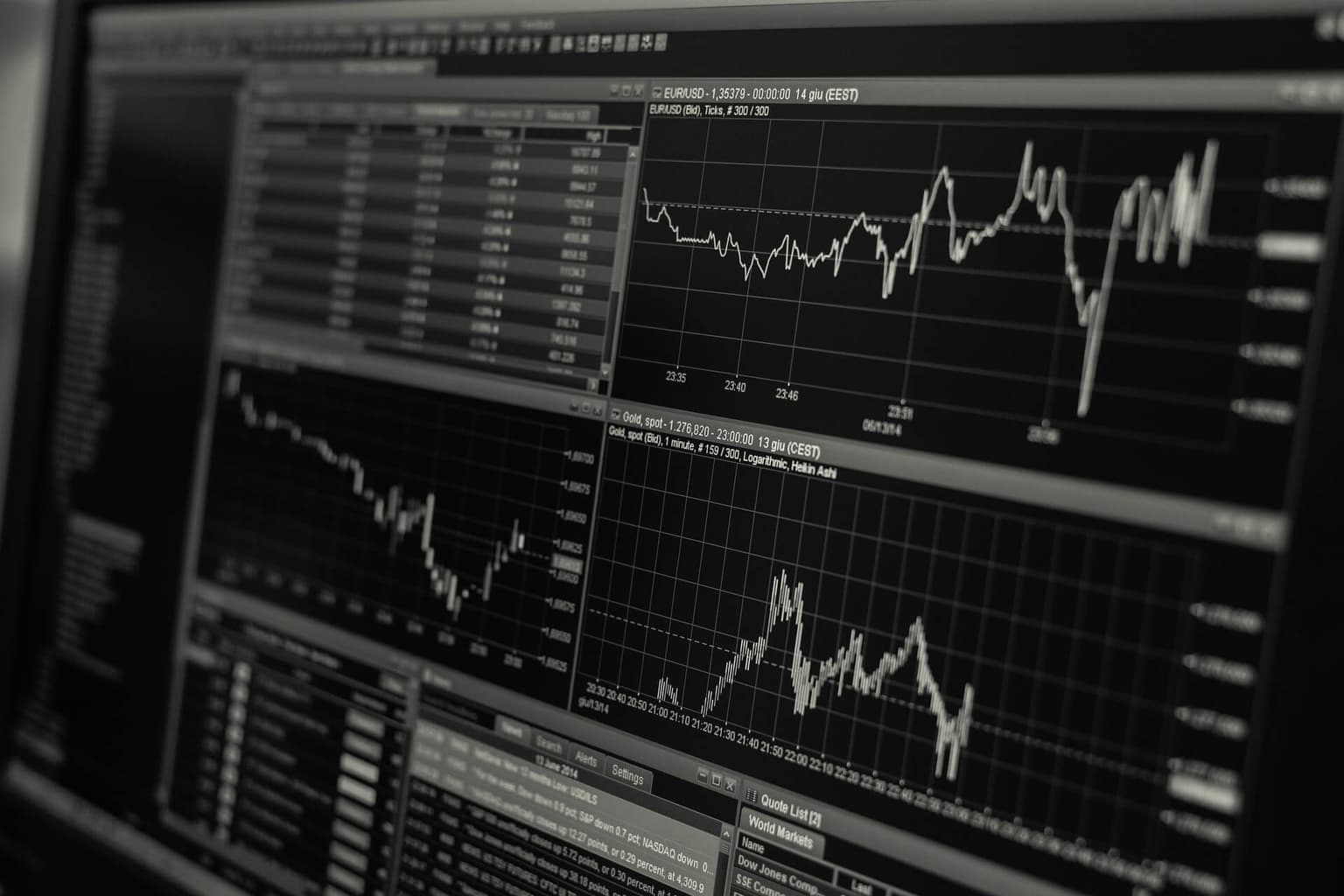
France has seen a significant increase this year in the number of hours when electricity prices fall below zero. Analysts expect this trend to continue at least until the end of the current decade, or even beyond. Some even anticipate a further increase in the frequency of periods with negative electricity prices. They say tighter regulation, particularly of subsidies for renewable energy sources, could limit the occurrence of negative prices.
France's short-term electricity market has seen an increase this year in the number of hours when prices fall to zero or below. While this happened for 184 hours last year, the figure has reached a record 543 hours so far this year, with the year not yet over. Analysts surveyed by the Montel news service expect the trend to continue as the use of renewable energy sources expands.
Read the full article HERE.
10. Slovenia's U-turn: Referendum on new nuclear plant called off
Slovenia has cancelled a referendum on a new nuclear power plant less than a month before it was due to take place. In recent years, the country has been actively preparing a project to build a new nuclear unit at the Krško power plant. The government is still expected to decide on construction in 2028, but it is unclear whether a replacement referendum will be held before then. Slovenia currently operates one 730 MW nuclear unit together with neighbouring Croatia.
Slovenian lawmakers decided to cancel the referendum on a new nuclear unit at the Krško nuclear power plant (JEK2), which was due to be held on 24 November. The same lawmakers had decided to hold it only a few days before cancelling it. Voters were to answer the question: "Do you support the implementation of the JEK 2 project, which, together with other low-carbon sources, will ensure a stable electricity supply?"
Read the full article HERE.
Energostat: electricity generation in Czechia
Data in this chart is also available in 15-minute resolution60min15min
Energostat: electricity generation in Germany
Data in this chart is also available in 15-minute resolution60min15min
Find more up-to-date charts and data on Energostat
Translation disclaimer
This article is a machine translation of the Czech original and has not yet been fully reviewed. In case of any doubt, please refer to the Czech version.
Sdílejte článek prostřednictvím:
Topics:Energy Weekly
You might also like

23 October 2026, 14:38