Solar generation and electric mobility in the EU hit records in 2025


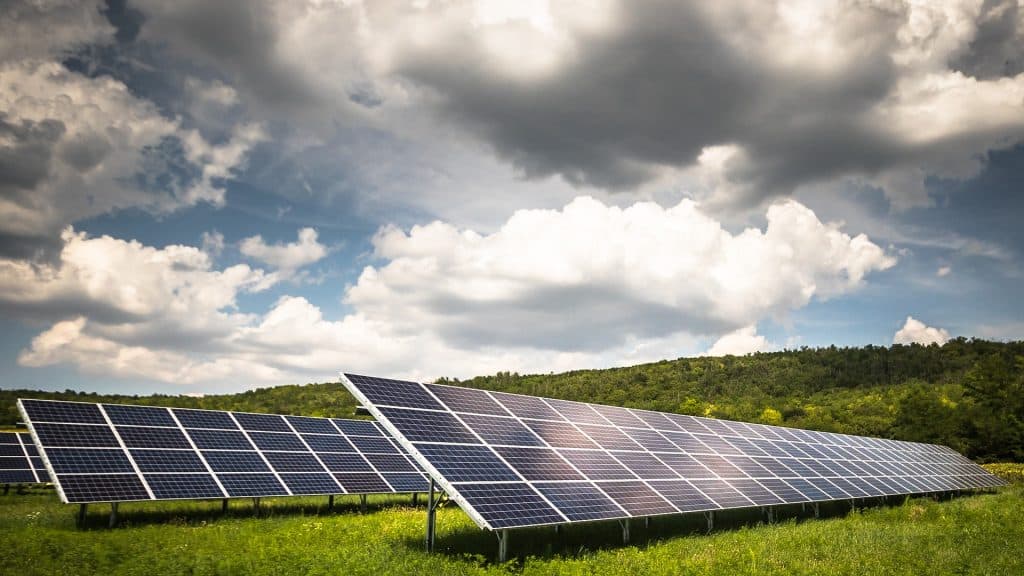
The European Commission has published new quarterly reports (Q3 and Q4) on the electricity and gas markets, providing an overall picture of Europe's energy sector in 2025. The reports confirm the continued growth of renewable electricity generation, with solar energy showing the strongest momentum. Electricity generation from solar sources in the EU reached a record 275 TWh in 2025, representing an 18% year-on-year increase. Generation from offshore wind farms increased by 4%, or approximately 3 TWh.
Growth was also reflected in new installations. Additions of renewable energy capacity remained at record levels in 2025, approaching 70 GW. The largest share came from photovoltaics, which added 56 GW of new installed capacity. Wind farms, including both onshore and offshore projects, added a further 13 GW of installed capacity. The European Commission thus confirms that solar energy remains the main driver of new renewables in the EU.
Electric mobility also had a record year. A total of 2.89 million new electric vehicles were sold in the EU in 2025, representing a 31% year-on-year increase. Compared with 2019, annual EV sales nearly tripled. In the fourth quarter of 2025, electric vehicles accounted for 22% of new vehicle sales in the EU, more than twice the share recorded in the United States, where it stood at 7%, according to the Commission.
Alongside the growth of low-emission technologies, however, the reports also point to persistent price disparities in the European energy market. The European benchmark for wholesale electricity prices averaged 85 EUR/MWh in 2025. This was 9% higher than in 2024, but still 14% lower than in 2023. Significant differences existed between member states: average annual prices ranged from 41 EUR/MWh in Finland to 116 EUR/MWh in Italy.
EU electricity consumption rose by 1% year on year, mainly due to a colder winter. Nevertheless, it remained 2% below the 2019-2022 average, which, according to the Commission, indicates that the recovery in demand following the 2022 energy crisis is progressing only gradually. In the gas market, consumption reached 339 billion m³, 2% more than in 2024. The average wholesale gas price was 36 EUR/MWh, representing a modest 5% year-on-year increase, but also a 22% decline compared with 2021.
The published data thus paint a two-sided picture of Europe's energy sector. On the one hand, solar energy and electric mobility continue to expand rapidly, reaching new records in 2025. On the other hand, European electricity and gas markets still bear the aftermath of the energy crisis, whether in the form of lower demand compared with pre-crisis years or significant price disparities between member states.