Amper: summer heat increased grid consumption by 5.8 percent

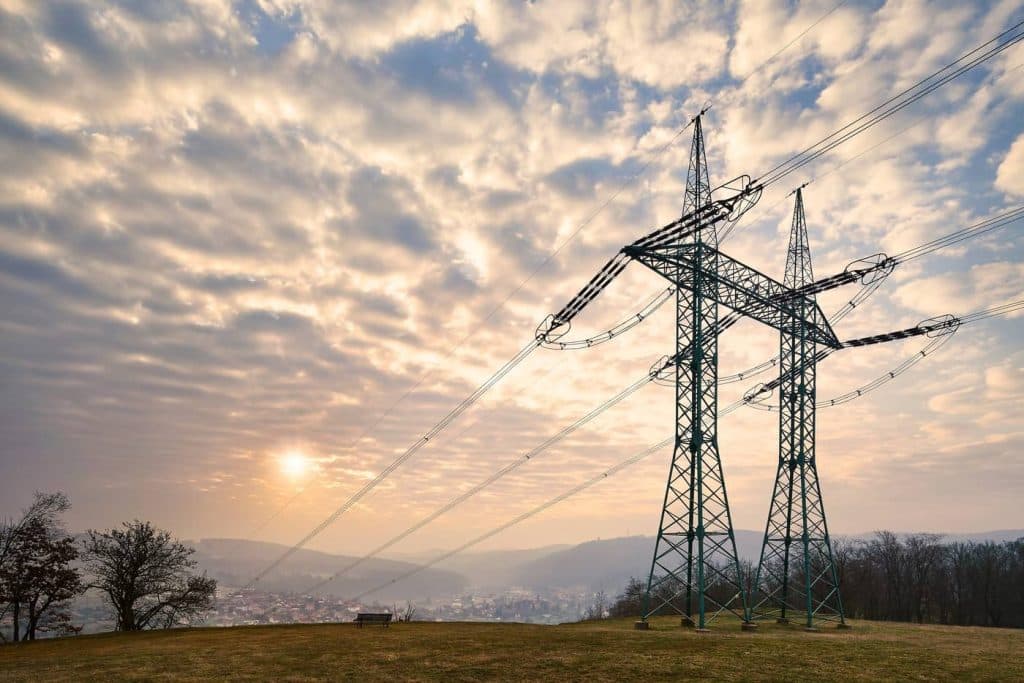
Extreme heat means significantly higher electricity consumption. Comparing consumption on Thursday, 25 June, with 10 June, when it was 15 degrees cooler, grid consumption rose by 5.8 percent, or roughly ten GWh. Actual consumption was even higher, however, as many air-conditioning units are powered by electricity from their own solar PV systems, according to an analysis by energy company Amper Meteo for ČTK.
The company also notes that solar PV cannot generate the maximum possible amount of energy on these days, as efficiency declines by ten to 15 percent at temperatures of around 30 degrees Celsius. In recent years, high summer temperatures have resulted in generation losses of roughly 3.5 percent compared with the theoretical maximum.
The first half of June was cooler this year, and people only began using air conditioning on a large scale from the second half of the month. "Demand is rising significantly these days," the company said. Higher demand is one, but not the only, reason for higher spot prices in recent days. The long-term median price has hovered around 110 euros (roughly 2670 Kč) per MWh in recent weeks. During the day, when solar power plants generate at full output, it fell to zero and even into negative territory. On Wednesday evening, however, it rose as high as 700 euros, while the average daily price was 200 euros.
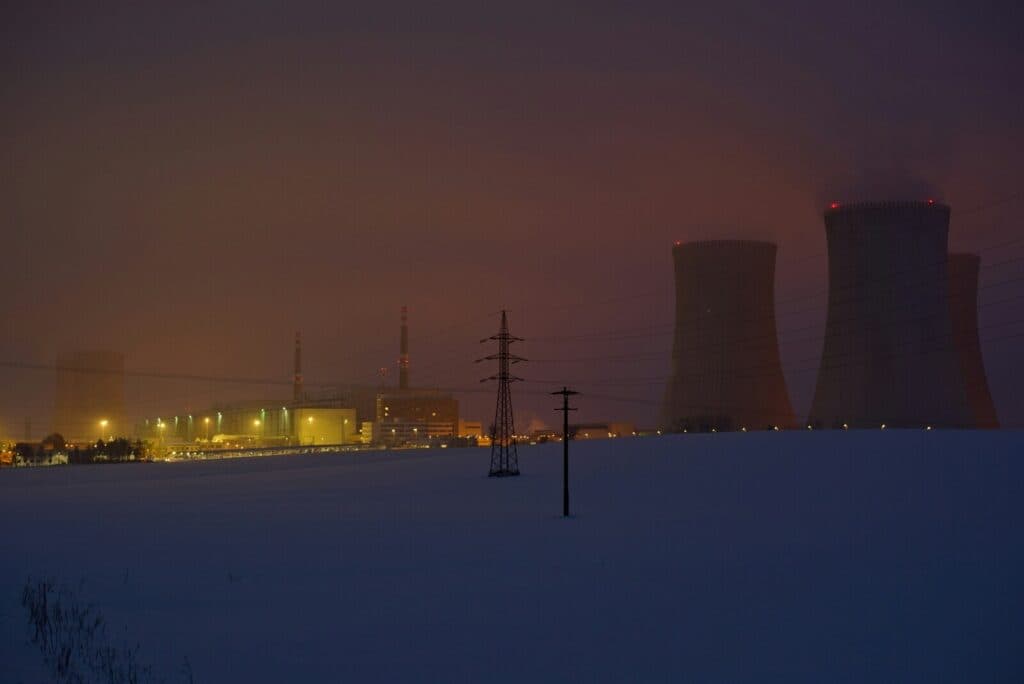
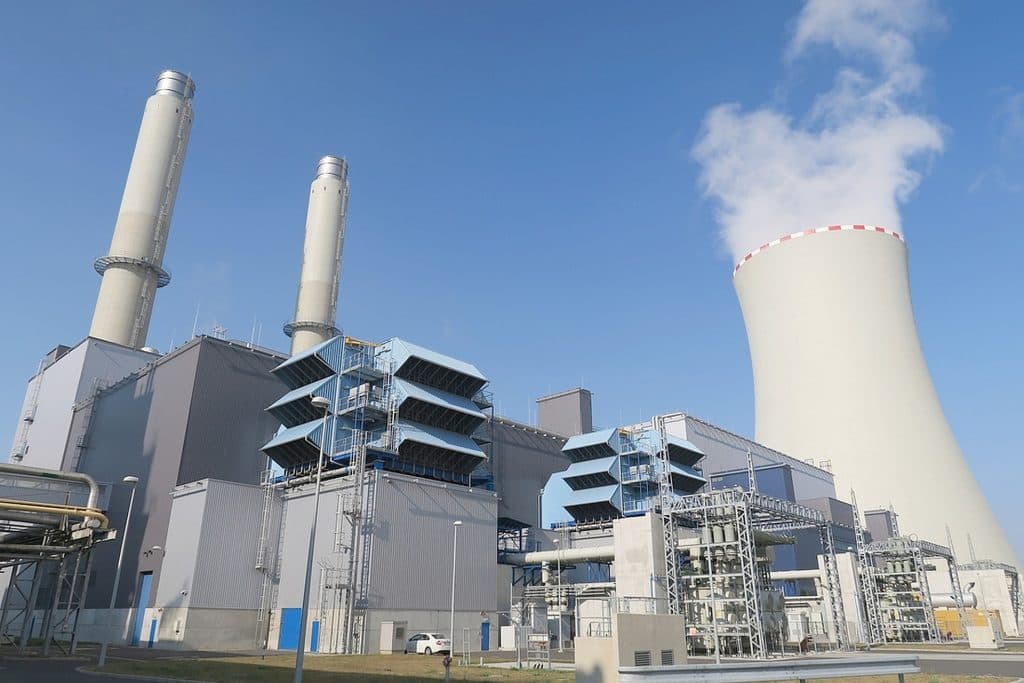
Another reason for higher prices, particularly when solar PV is not generating, i.e. in the evening and at night, is the lack of wind, which means German wind power plants are not generating electricity. Demand must therefore be met by dispatchable sources, the company said. These include coal-fired, combined-cycle gas-fired and nuclear power plants. Some of them cannot operate at full capacity because they do not have enough water for cooling.
Hydropower generation has also been very weak for a prolonged period this year due to a lack of water. For example, during the second half of May and the first half of June, these sources in the Czech Republic generated only two-thirds of the long-term average for this period.
The company bases its calculations and analyses on publicly available data. It draws electricity consumption data from ČEPS. It also works with data from the Energy Regulatory Office (ERÚ).