11 August 2026, 13:42
Dispute over ETS 2 intensifies: Czechia and other states seek changes to new emissions charge

ČTK
15 July 2026, 12:00
This article is a machine translation of the Czech original and has not yet been fully reviewed. In case of any doubt, please refer to the Czech version.
Ten countries, including Italy and Poland, have called on the European Union to reconsider a new carbon emissions charge on transport fuels. This should happen as part of a separate review of the EU Emissions Trading System (ETS), according to a joint statement seen by ČTK today. The opposition of these countries to the new charge could complicate plans to amend the EU's main climate instrument and pit them against supporters of the new measure, including Germany and Sweden.
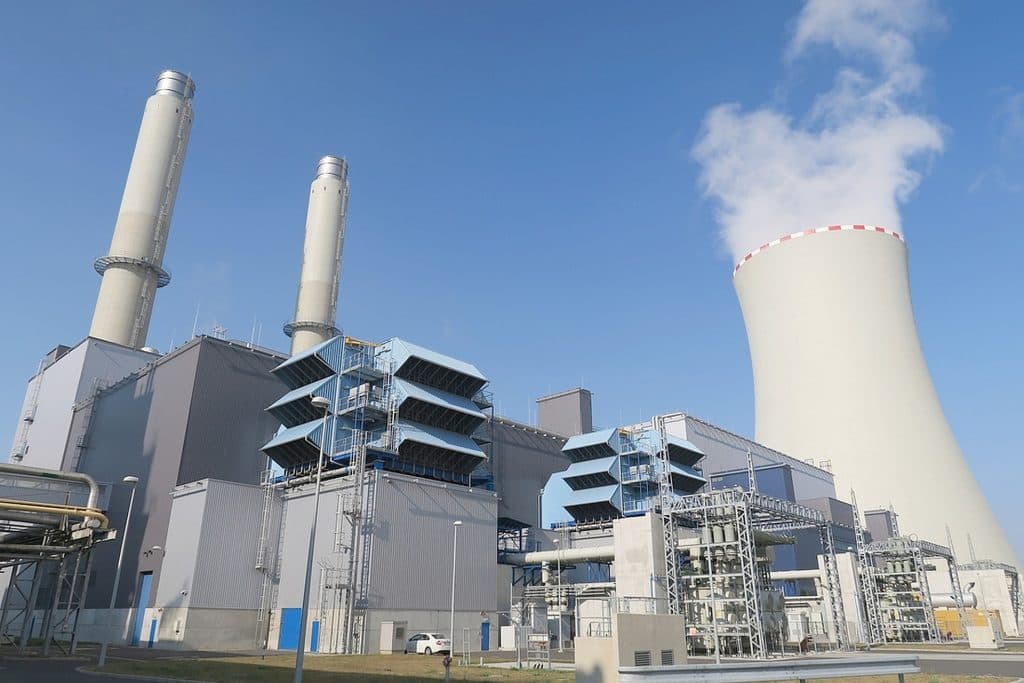
On Friday, the European Commission will propose a review of the Emissions Trading System, which requires power plants, factories, airlines and shipping companies to pay for carbon dioxide emissions.
In the statement submitted to the European Commission (EC) by the ten countries on Tuesday, the states call on the EC to also reconsider the new carbon dioxide (CO2) pricing system known as ETS 2 as part of the review. The European Union plans to introduce it from 2028 for transport fuels and fuels used for heating.
"European citizens should not face new climate taxes under the current economic and geopolitical circumstances. ETS 2 should therefore be a direct part of the review and should be carefully reassessed," the statement says. It was signed by representatives of Italy, Poland, Bulgaria, Cyprus, Czechia, Estonia, Greece, Hungary, Romania and Slovakia.
The states are also calling for changes to the current ETS 1 system. For example, they want the European Union to provide industrial companies with more free emissions allowances without broader conditions. The European Commission has indicated, however, that it wants to allocate more free allowances only to companies that commit to investing in decarbonisation in Europe.
The prime ministers of Sweden and Finland have called on the European Commission not to weaken the ETS 1 Emissions Trading System. In a letter to EC President Ursula von der Leyen, they wrote that Europe needs a stable, ambitious and predictable ETS system with a clearly defined and predictable development of allowance prices. Weakening the system would send a very bad signal, they said.
Brussels has already postponed the introduction of the new fuel pricing system by one year because of opposition from some governments concerned about higher costs for consumers.
Supporters of the system argue that it is necessary to accelerate the transition to cleaner cars and more environmentally friendly heating systems. Revenue from CO2 emissions charges will be returned to people through support for the transition to clean technologies, mitigating the impact on households, Reuters reports.
The European Commission said it does not want to make further changes to the rules before the system is launched, so that businesses have sufficient time to prepare.
However, further changes, including adjustments to ETS 2, may be added to the proposal during negotiations between member states and the European Parliament on the final form of the ETS review. The ten countries that signed the statement have enough votes in the EU decision-making system to block changes they do not support.
The EU introduced the ETS 1 Emissions Trading System in 2005. It applies primarily to the energy sector, energy-intensive industry and aviation. It sets an overall cap on carbon dioxide emissions, with companies required to surrender a corresponding allowance for every tonne of carbon dioxide emitted. The planned ETS 2 system envisages an extension to additional sectors, primarily road transport and building heating. Its launch is scheduled for 2028.
Sdílejte článek prostřednictvím:
You might also like
10 August 2026, 15:50
10 August 2026, 09:33