Nuclear unit construction in Czech Republic to speed up. Permits cannot be appealed; associations must go to court

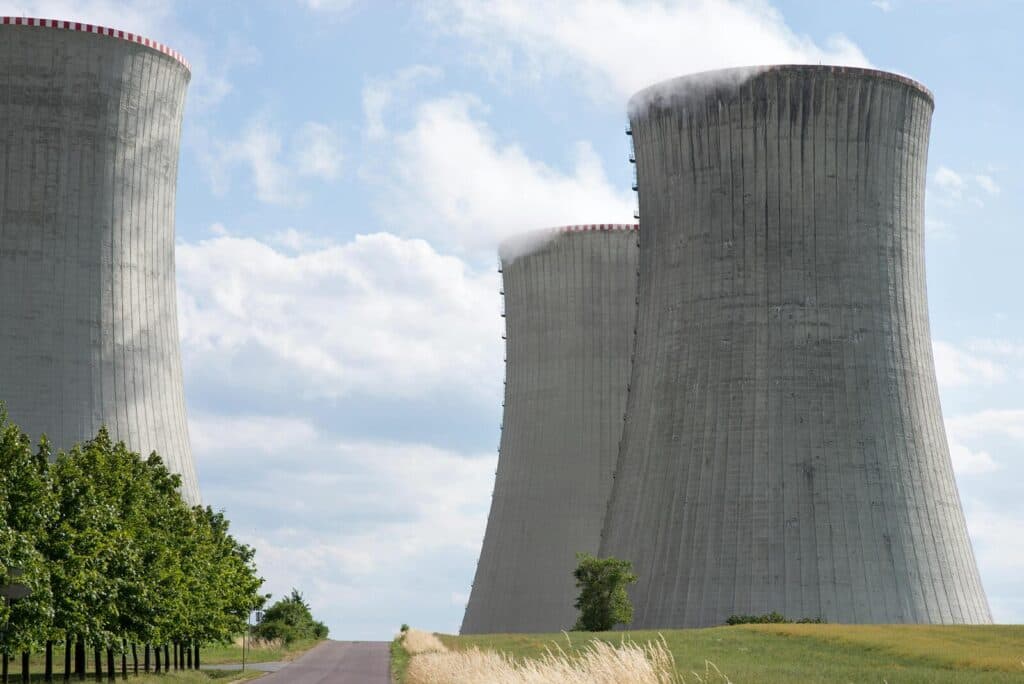
An amendment to the so-called Linear Infrastructure Act, approved by the Senate of the Czech Republic, is set to substantially limit the rights of parties to proceedings to seek review of permits issued for so-called energy security projects. Such projects include nuclear power plants and related construction, including, for example, roads and power lines connected with the construction of a nuclear facility.
On Wednesday, the Parliament of the Czech Republic approved an amendment to the so-called Linear Infrastructure Act. This applies to the construction of infrastructure projects that are significant from a national perspective (the law currently applies not only to energy infrastructure, but also to transport infrastructure and electronic communications infrastructure). However, if the amendment in question is also signed by the Czech president and subsequently enters into force, the scope of the Linear Infrastructure Act will expand significantly. The expansion of the law will also affect so-called energy security projects.
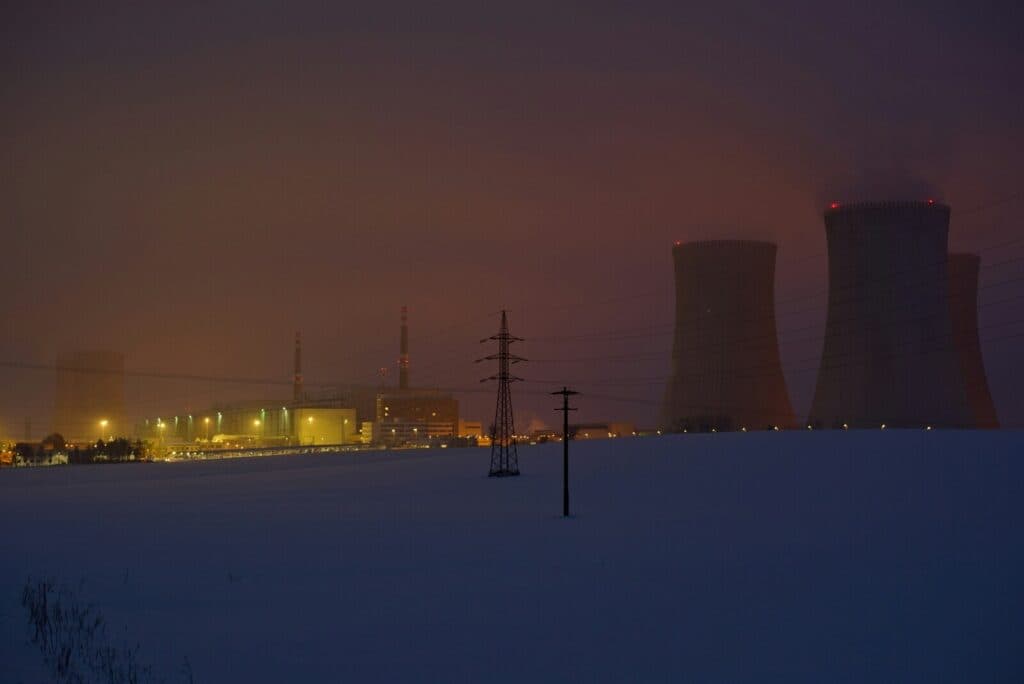
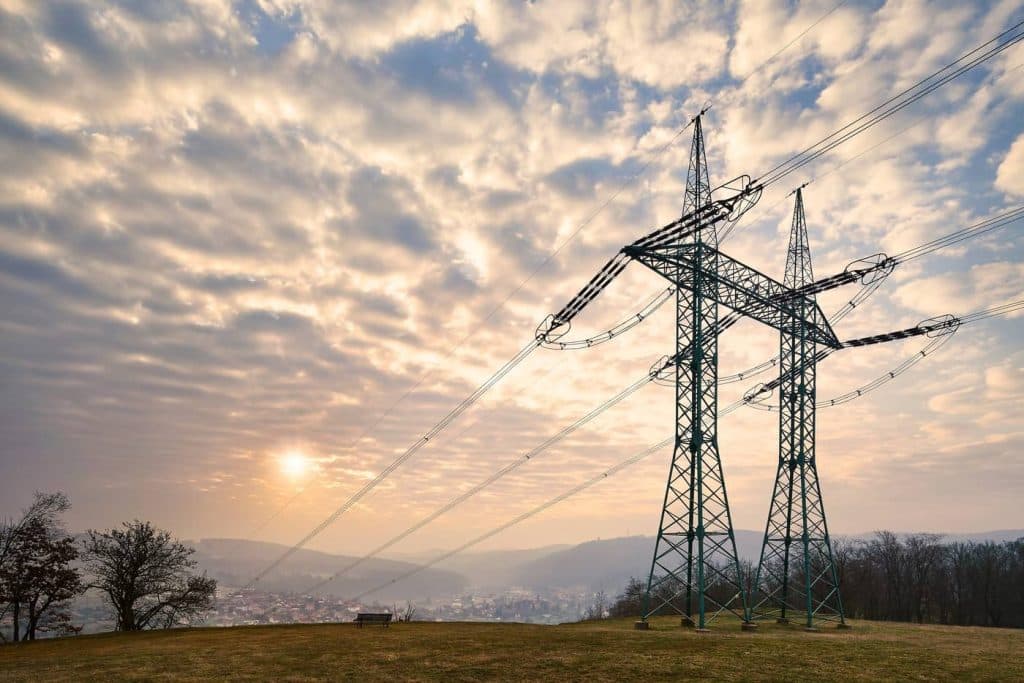
An energy security project is to be, put simply, the construction of a nuclear unit as well as projects related to it. These may include, for example, construction needed to connect a new nuclear power plant to the transmission system, related high-voltage lines or road construction.
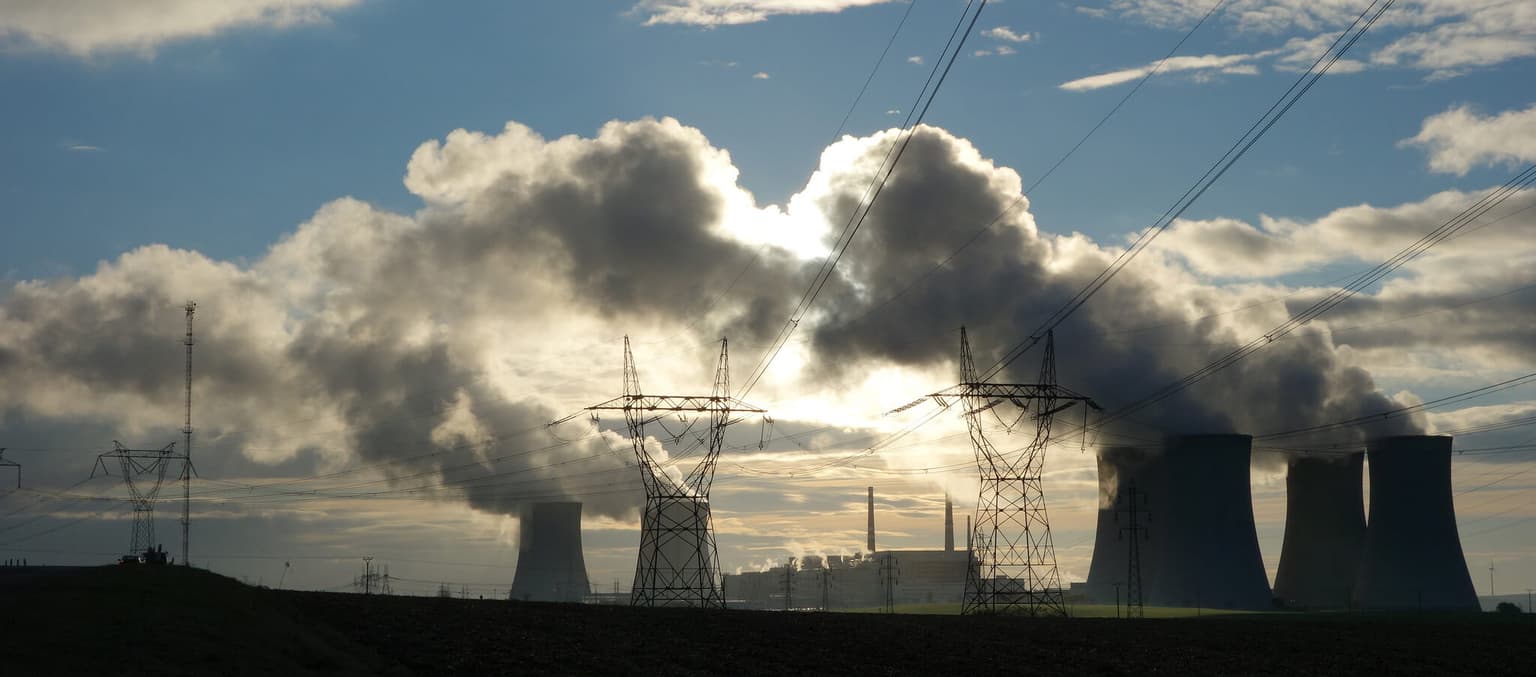
It does not matter whether the related project is located within the nuclear facility site or outside it. Thus, necessary upgrades to nearby roads or even lines required to evacuate power from a new nuclear source may qualify as energy security projects. If doubts arise as to whether a particular project is an energy security project, the newly established Transport and Energy Construction Authority, which under the new Construction Act is responsible for permitting transport and energy projects in the Czech Republic, will decide.
Limited rights of parties to proceedings are intended to speed up permitting
Permitting proceedings are expected to be accelerated mainly by limiting the rights of parties to proceedings to file appeals and seek review. For example, it will not be possible to appeal against a decision authorising an energy security project. Complainants often use this option to correct errors in permits or to achieve a different outcome (for example, seeking rejection of a project rather than its approval).
It will still be possible to challenge permits for energy security projects by filing an administrative lawsuit. In this case, however, a shorter time limit will apply: instead of two months, only one month will be available for filing it.
In the case of such important projects, it can be expected that they will not escape the attention of people whose aim will be to prevent, or make more difficult, the permitting of projects because they disagree with their implementation. The amendment is intended to prevent this to some extent.
The change is also important for ČEZ, which has concluded two contracts with the Ministry of Industry and Trade for preparations to construct a nuclear unit at the Dukovany power plant site. Should any of the permits for the nuclear unit be revoked, it is entitled to a corresponding extension of the schedule or an increase in the budget. From this perspective, it is therefore in the state's interest for permitting proceedings to be as swift as possible and free of unnecessary delays.