Story of South Bohemian company C-energy: From heat generation to flexibility aggregation

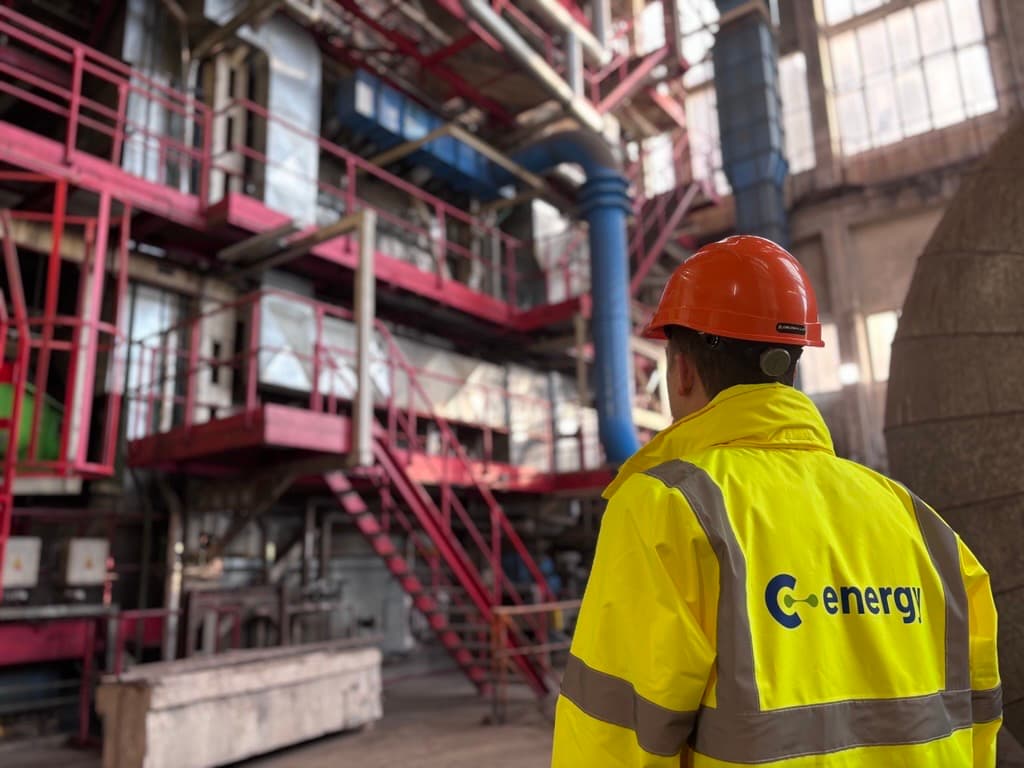
Energy company C-energy operates biomass boilers, battery storage systems, cogeneration units and several other supplementary energy sources in Planá nad Lužnicí. It is now entering a new era aimed at developing opportunities for aggregating electricity generation in the flexibility market. Among other things, the company also plans to support the Tábor region through a planned waste-to-energy facility, which is intended to help the city and surrounding municipalities manage the waste they produce efficiently.
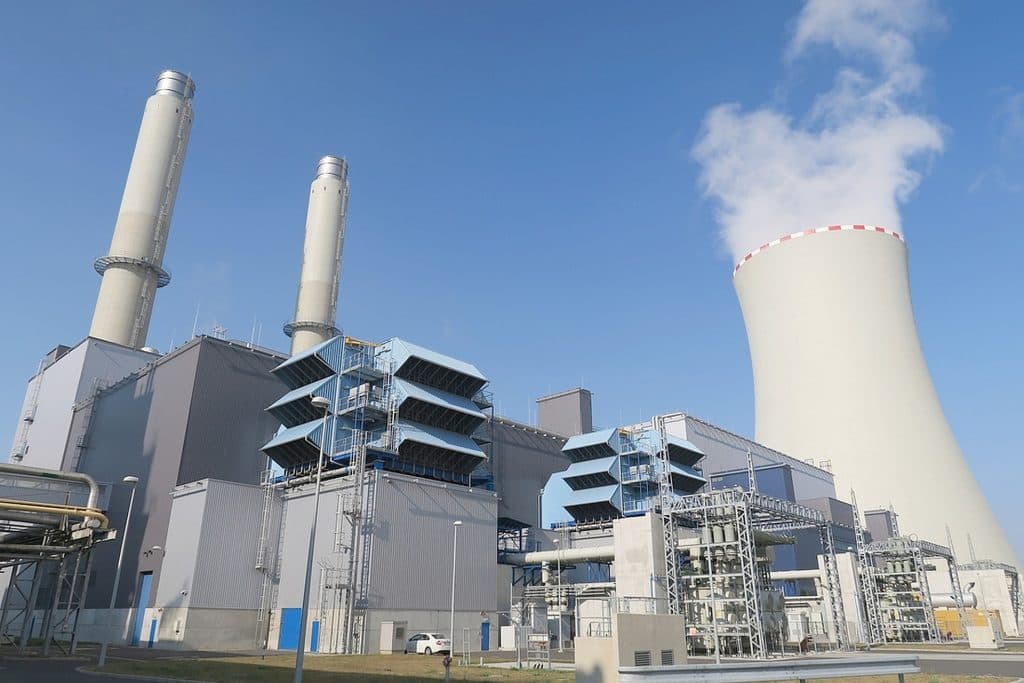
The company focuses on the long-term sustainable generation of electricity and heat using modern technologies that minimise environmental impacts while ensuring the stability of the energy system in the Tábor region. Energy facilities such as cogeneration units, biomass boilers, battery storage systems and the planned waste-to-energy facility combine several types of energy generation and, at the time of their construction, ranked among the most technologically advanced facilities of their kind in the Czech Republic.
One of the most important steps in the area of social responsibility was the transformation of a coal-fired heating plant into a modern facility using renewable and low-emission energy sources. The original pulverised lignite boilers were converted around 2014 into fluidised-bed boilers burning lignite. These units were then converted between 2021 and 2022 into fluidised-bed boilers burning wood chips. An overview of all major sources at C-energy can be found at this link.
Fluidised-bed boilers for biomass represent a significant technological advance over traditional grate-fired boilers, primarily reflected in a more efficient and stable combustion process. Thanks to intensive mixing of the fuel in the fluidised bed, temperatures are distributed evenly and the fuel is almost completely burned out, which also significantly reduces NOx and CO emissions. Fluidised-bed technology can also handle a much wider range of fuels – from conventional woody biomass to agricultural biomass with higher moisture or ash content, which is often problematic for grate-fired boilers.
Lower temperatures in the fluidised layer minimise the risk of slagging (the formation and deposition of molten or fused mineral residues created during combustion), which is a frequent cause of outages in grate-fired boilers. Combined with greater operational stability and better output control, fluidised-bed boilers are therefore becoming the preferred choice for modern energy facilities focused on the flexible and environmentally friendly use of biomass.
In 2023, the company succeeded in completely ending the use of lignite in its boilers and replacing it with biomass. This step significantly reduced harmful local emissions while eliminating the need to purchase emission allowances, which represent a significant financial burden for larger energy companies supplying cities with heat.
The foundation is not creating demand for waste generation
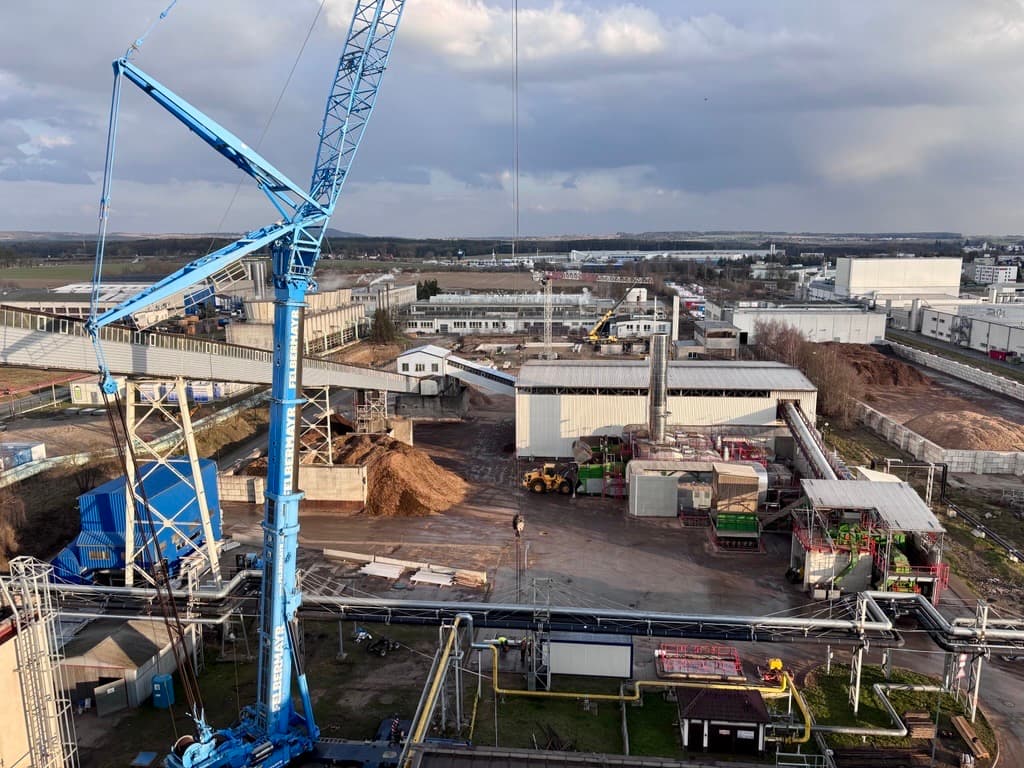
Another major investment by the company is the construction of a waste-to-energy facility, which will use waste as fuel to generate heat and electricity. This new multi-fuel boiler will be able to recover energy from municipal waste from the Tábor region that would otherwise end up in landfills. The project thus responds to planned legislative changes under which it will no longer be possible to landfill most municipal waste after 2030. The main idea of the power plant's management is to work with municipalities in the region to manage waste more environmentally responsibly, as it currently ends up primarily in landfills.
"Our main mission is to lend a helping hand to the Tábor region and support its transformation into a cleaner and healthier place to live," said strategy director Josef Havlík.
He added that the power plant is planning waste collection only within a radius of approximately 50 kilometres. The reason is not only the intention to support a region that was affected by lignite combustion in the past, but also the motivation to avoid creating artificial demand for waste and reduce the environmental burden of long-distance transport of municipal waste from more distant locations. The power plant will also carefully assess the quality of waste it receives.
The facility should also contribute significantly to the region's energy self-sufficiency, as the heat produced will be fully used in the district heating system for the towns of Tábor, Sezimovo Ústí and Planá nad Lužnicí. According to plans, the new source could cover up to two-thirds of annual household heat consumption in this agglomeration.
Unique cogeneration units
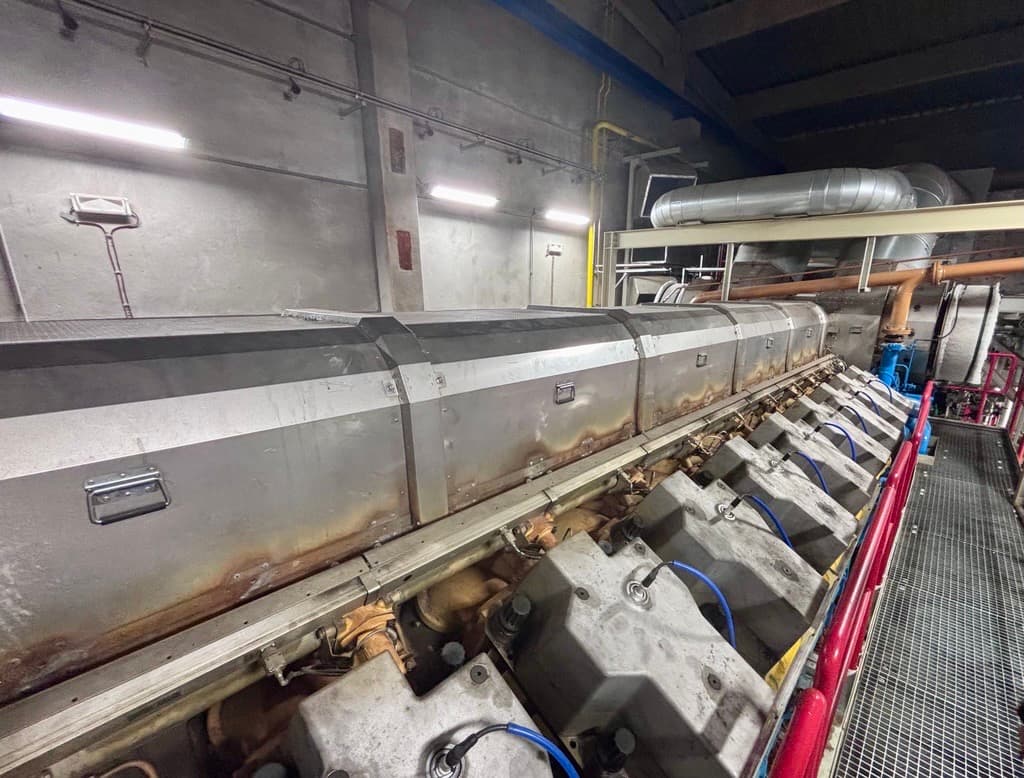
The technological core of C-energy's energy facility is six gas-fired cogeneration units, which enable combined electricity and heat generation at very high efficiency. The first four units were commissioned in 2014, each with an electrical capacity of approximately 9.25 MW. In 2020, two further, more modern units with a capacity of 11.5 MW were installed.
At the time of installation, these two unique engine-generator sets ranked among the largest units of their type in the world, and their commissioning marked the first-ever installation of a new generation of technology from Rolls-Royce (now Bergen Engines). The efficiency of electricity generation alone exceeds 47%, while total efficiency in combined heat and power generation reaches more than 84%. The cogeneration units also offer high flexibility, which is useful for balancing fluctuations in the grid. They can reach full output from zero within a few minutes.
Pioneers in battery storage
Energy storage systems are undoubtedly an important part of the transition to modern energy. In 2019, C-energy therefore built a battery storage facility with a capacity of 4 MW and approximately 2.5 MWh. At the time, this storage facility was the largest of its kind in the country. Its primary purpose is to balance the power plant's operation and stabilise generation, for example during operation of the biomass boiler or changes in the output of cogeneration units. The battery also enables the provision of balancing services for the electricity system and increases the security of energy supplies for customers connected to the local distribution system.
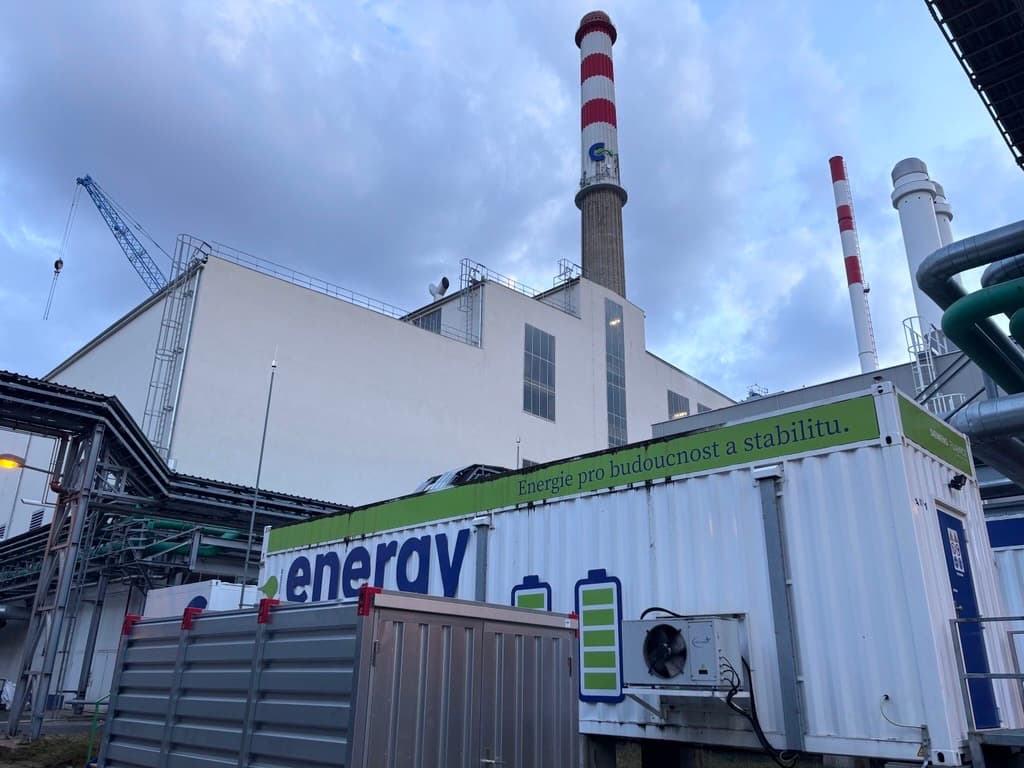
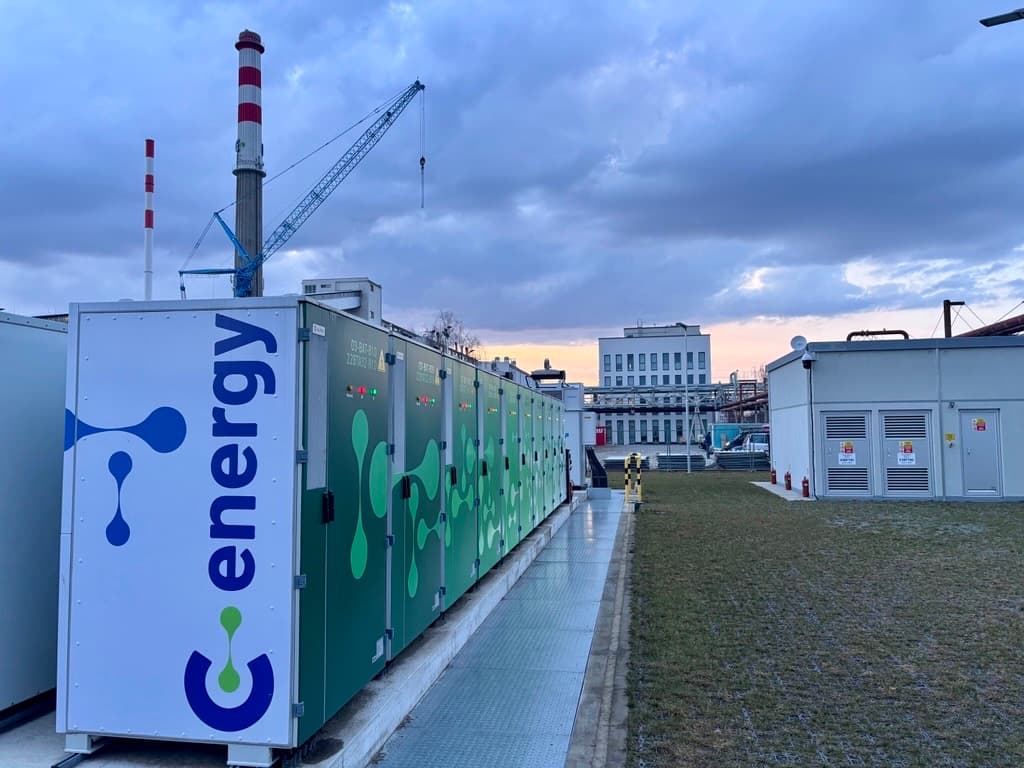
In 2024, C-energy followed up on its first battery by constructing a second, significantly larger battery storage facility. The new system has almost ten times the capacity of the original, namely 22 MWh.
During its first year of operation, the new facility was able to store and subsequently supply more than 8 500 MWh of electricity to the grid. Large-scale batteries are therefore an important element in balancing fluctuations in the electricity system, as they enable flexible management of electricity generation and consumption while supporting transmission system stability. Overall, C-energy now has 34 MWh of battery capacity. An overview of all planned Czech battery storage projects can be found here.
Now also aggregators in the flexibility market
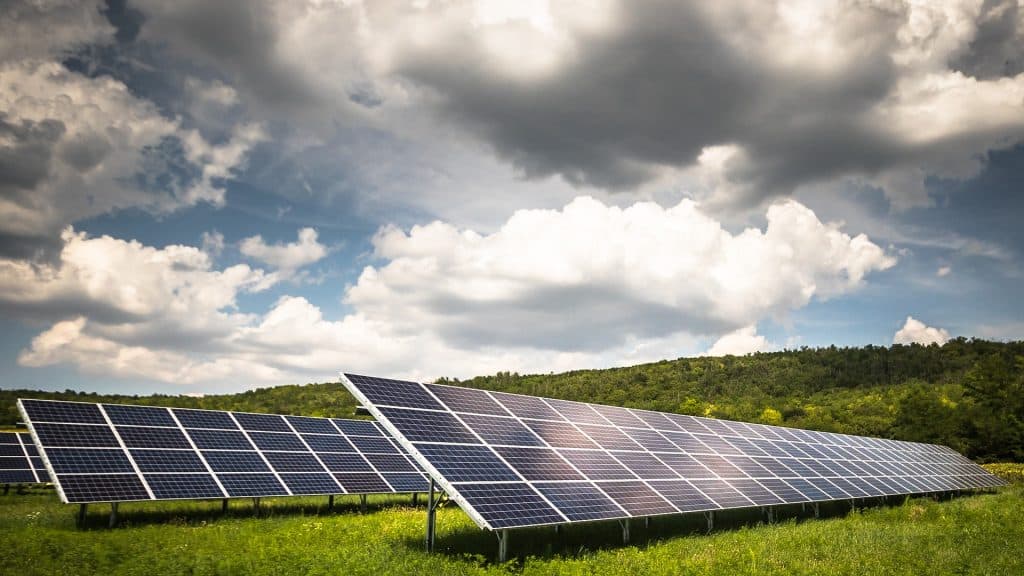
In recent years, C-energy has increasingly focused on electricity aggregation and trading. Aggregation in the energy sector means combining the capacity of different assets – such as cogeneration units, battery storage systems, photovoltaic plants or other smaller facilities – into a single virtual entity. This aggregated entity can then be controlled as a single source and provide services to the electricity system, such as ancillary services or trading in the day-ahead and intraday electricity markets.
C-energy already operates in the balancing and ancillary services market, where it uses the flexibility of its cogeneration units and battery storage systems. Going forward, the company wants to significantly strengthen its role in this area. Its vision is to become a major aggregator in the electricity market as well as an active electricity trader. Thanks to its combination of modern generation assets, energy storage and digital tools for managing generation, the company has the potential to play an important role in transforming the Czech energy sector towards a decentralised and flexible energy system.
South Bohemian C-energy, previously seen by residents of the Tábor region more as a traditional heating plant, is now an example of a modern energy company that is actively responding to current challenges in environmental protection, energy security and technological innovation. Investments in biomass, waste-to-energy, cogeneration units and battery storage show that modern energy can be not only efficient, but also responsible towards society and the region in which it operates.