
1 November 2026, 21:20
Loading...
Top 10 Czech energy stories of the past week

David Vobořil
12 November 2023, 21:14

1. Stanjura: This year’s energy price compensation will exceed the budget’s extraordinary revenues
This year, compensation for high energy prices will exceed revenues from the windfall tax and the levy on excess revenues from electricity generation. Finance Minister Zbyněk Stanjura (ODS) said on X. If windfall tax (WFT) revenues make up this difference next year, the government will consider shortening the tax period and no longer applying it in 2025, he added. He stressed that the cabinet is not considering extending the tax into 2025.
“The government’s decision on the future of the windfall tax depends on the overall balance of all extraordinary revenues and expenditures. In 2023, extraordinary spending on energy price compensation will certainly outweigh revenues, leaving a deficit when the two extraordinary items are taken together. If, however, additional WFT revenues bring the overall budget impact close to neutral in 2024, we will consider shortening the tax’s three-year period,” Stanjura said.
2. Another nuclear unit to be built at Bulgaria’s Kozloduy plant; completion expected in 10 years
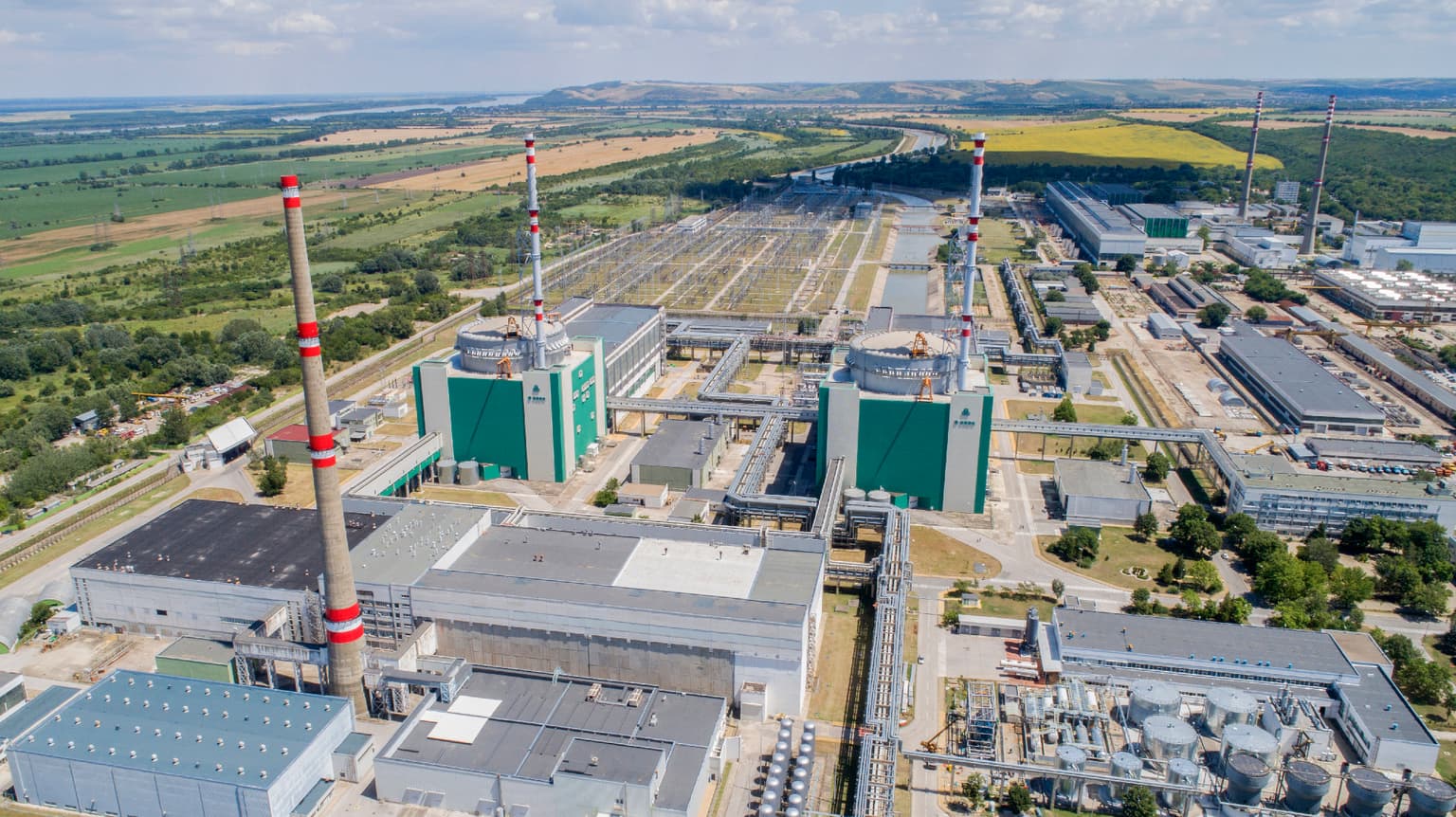
The Bulgarian government has begun construction of a seventh unit at the Kozloduy nuclear power plant. The project is scheduled for completion in 2033. The new unit at the Bulgarian plant is to be built by US company Westinghouse.
Only two nuclear power plants in the world currently use Westinghouse’s AP1000 technology. One is in China and the other in the United States, while Ukraine has also expressed interest. Bulgaria will now join them.
3. Uranium prices climb on interest in nuclear power, nearly doubling
Growing global interest in nuclear power has driven market prices for uranium higher in recent months. Hedge funds have taken note of the trend, increasing their exposure to shares in uranium companies. Portfolio managers at selected funds say the positive outlook for uranium prices could lead to significant share price growth and the opening of new mines.
Spot uranium prices were around USD 110 per kilogram in March this year, while in October they were heading towards USD 154 per kilogram. Prices have almost doubled in recent years. Before 2022, one kilogram sold for about USD 66. This trend has sparked renewed investor interest in uranium mining and processing. Some analysts say it could lead to selected mines reopening.
4. Gazprom seeks new routes for Russian gas and plans to work with Uzbekistan
Russian gas giant Gazprom signed a strategic cooperation memorandum with the Uzbek government last week. The cooperation will cover fossil fuel extraction as well as natural gas supplies and transportation. Although Uzbekistan meets most of its gas needs through domestic production, imports from Russia will help the country meet peak winter demand.
According to S&P Global, Russia’s Gazprom launched the new strategic cooperation with Uzbekistan’s Ministry of Energy during an international gas forum held in St Petersburg. Gazprom began supplying natural gas to Uzbekistan last month.
5. Belarus’s second VVER-1200 nuclear unit enters commercial operation
The second unit at Belarus’s Ostrovets nuclear power plant has entered commercial operation. Since connecting to the grid, the Russian-built Rosatom VVER-1200 unit has generated 2 TWh of electricity. The plant’s two units, with a combined capacity of 2400 MW, will cover around 40% of the country’s consumption.
Russian nuclear reactor supplier Rosatom announced that the second unit at Belarus’s Ostrovets nuclear power plant successfully entered commercial operation on 1 November. Under the contract, Rosatom will now assume responsibility for operating the unit during the warranty period.
6. EG.D doubled the number of solar plants connected this year as connections accelerate
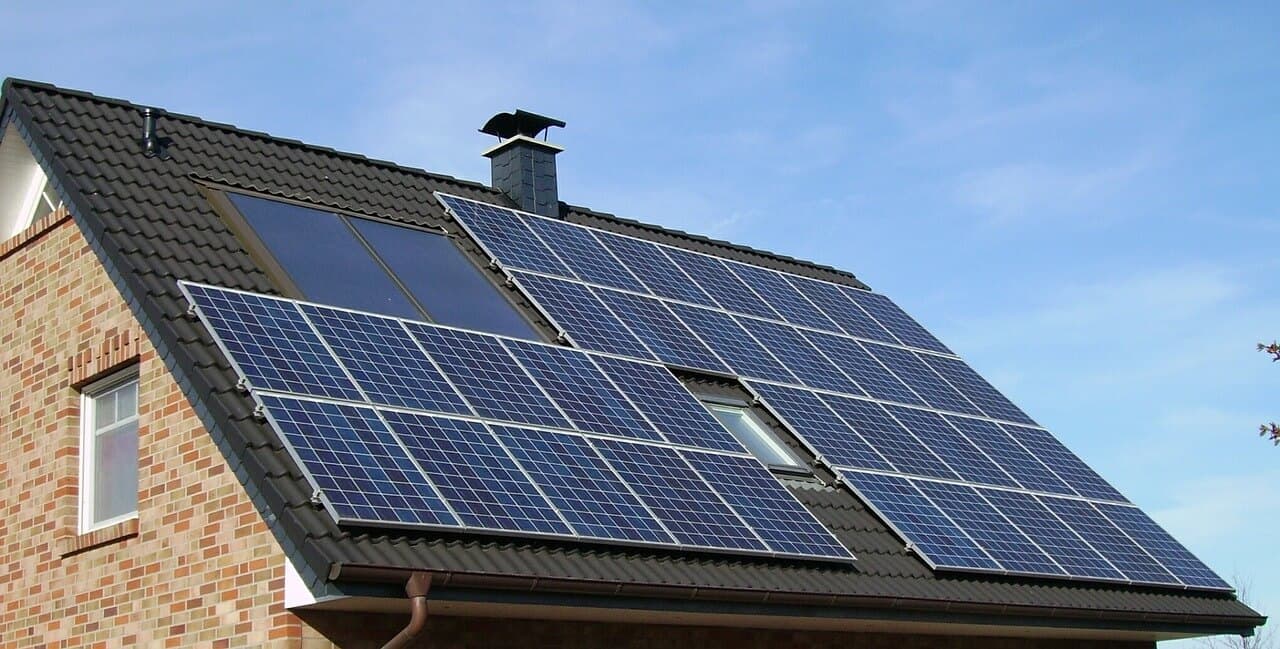
EG.D, the distribution company belonging to the E.ON Group, has connected more than 26,000 solar power plants with a capacity of approximately 211 megawatts (MW) to its grid this year. In both cases, the figures are more than double the number of installations connected over the whole of last year. One of the main reasons is that connections have become faster. EG.D representatives, whose company distributes electricity in South Bohemia and South Moravia, the Vysočina Region, and parts of the Olomouc and Zlín regions, told journalists in Prague today.
EG.D initially faced longer waiting times for connecting new solar plants to the distribution grid. Company vice-chairman Pavel Čada said the number of applications in some places even exceeded the limits imposed on the distributor by law. “We weren’t prepared for it,” Čada admitted. “People wanted to optimise their energy costs and increase their energy self-sufficiency at the same time. To cope with the surge, which was difficult to predict at the time, we had to introduce a number of measures,” he said.
7. Volkswagen will not build a gigafactory in Czechia; talks with other investors continue
Volkswagen’s chief executive has announced that the carmaker will no longer pursue plans to build a large-scale battery plant in Czechia. This is despite the Czech government describing the investment as crucial just a few months ago.
Volkswagen CEO Oliver Blume also revealed that the group would not initiate construction of any more European gigafactories for electric vehicle batteries. He told Euractiv that one reason was that the electric vehicle market, and therefore the battery market, was not growing as expected. In anticipation of the automotive giant’s investment, Czechia had already begun selecting a suitable site and had subsequently entered negotiations with the owners of the former airport at Líny in the Plzeň Region.
8. ČEZ: Bids for the Dukovany unit are being assessed under special security measures
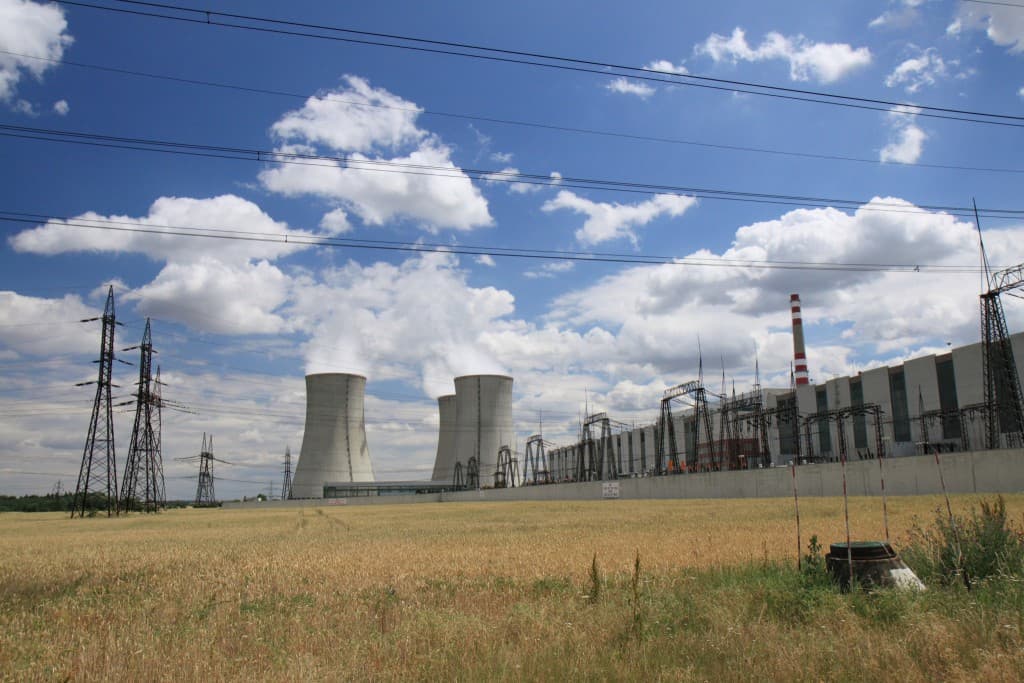
The final bids for the construction of a nuclear unit at Dukovany are being assessed under special security measures. Teams have been set up for individual sections, for example, and will work in dedicated rooms. The evaluation is expected to continue until the end of February next year, when the government will receive the final ranking of the bids. ČEZ energy group CFO Martin Novák said this today in an interview with the Czech News Agency (ČTK). According to him, the three bids amount to more than 90,000 pages in total.
All three bidders submitted their final offers for the construction of a nuclear unit at Dukovany at the end of October: North American company Westinghouse, South Korea’s KHNP and France’s EDF. The bidders also submitted non-binding offers for three additional reactors. The evaluation will be carried out by ČEZ, which is responsible for the entire tender. The new unit is expected to be completed by 2036.
9. Analysts: New sanctions on Russian LNG will not affect supplies this winter
The US government unveiled new sanctions last week aimed at reducing Russia’s revenues from energy commodity sales. The sanctions list now includes the Arctic LNG 2 project, which is intended to increase Russia’s export capacity for liquefied natural gas (LNG). Any difficulties with the project should not have a significant impact on the global LNG market this winter, however, as the first liquefaction train is not due to start operating until the first quarter of next year.
The US Treasury Department unveiled new sanctions against Russia last Thursday, including measures targeting the operator of the Russian Arctic LNG 2 project. According to Montel, the department said the sanctions are intended to limit future production of energy commodities in Russia. However, Jason Durden, head of the analysis team at NUS Consulting, said the new sanctions should not have any major impact on the market this winter.
10. Steel Union: Higher energy prices will fatally undermine companies’ competitiveness

A sharp increase in regulated energy price components could fatally undermine the competitiveness of the domestic steel industry, the Steel Union said in a press release today. It warns that companies’ costs could rise by tens or hundreds of millions of crowns a year, with further increases possible as a result of government austerity measures or a potential bailout of NET4GAS, which is being acquired by the state.
The Energy Regulatory Office (ERÚ) has proposed a significant increase in the regulated component of energy prices for next year. This component accounts for tens of percent of the final energy price. Under the proposal, the regulated component of electricity prices for households would rise by 71% year on year. The increase would be even steeper for large consumers: 113% year on year at the high-voltage level and 206% at the very-high-voltage level. ERÚ will present the final regulated component of energy prices at the end of November.
Energostat: electricity generation in Czechia
Energostat: electricity generation in Germany
Translation disclaimer
This article is a machine translation of the Czech original and has not yet been fully reviewed. In case of any doubt, please refer to the Czech version.
Sdílejte článek prostřednictvím:
Topics:Energy Weekly
You might also like

1 November 2026, 16:09
1 November 2026, 07:59

31 October 2026, 12:55

31 October 2026, 08:21