
25 October 2026, 08:20
Loading...
Top 10 energy stories of the past week
oEnergetice.cz
7 July 2024, 21:11

1. Electricity consumption data to be recorded every 15 minutes instead of hourly
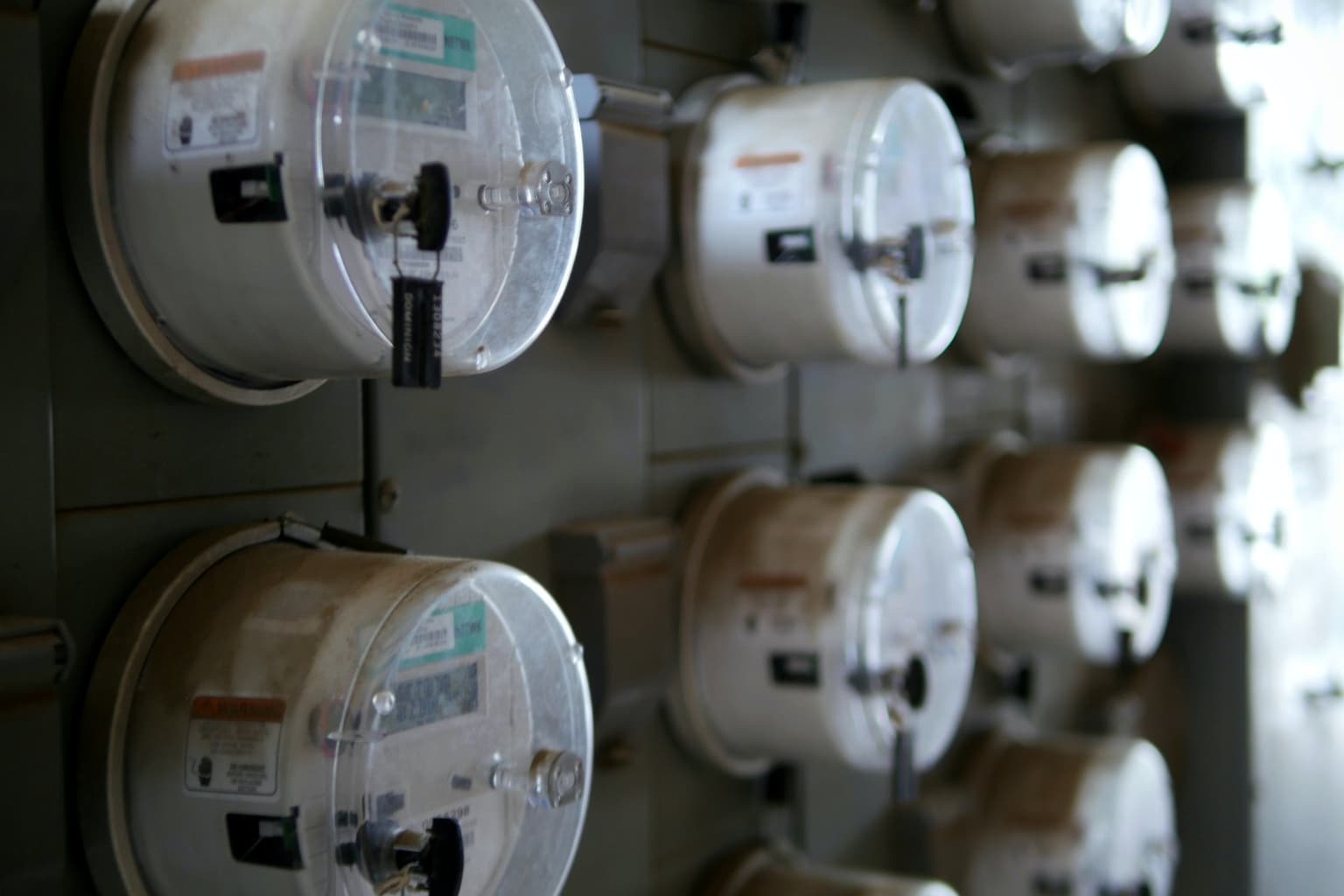
Electricity consumption data will now be recorded every 15 minutes instead of hourly. Among other things, this is intended to help consumers reduce their electricity bills. Industry and Trade Minister Jozef Síkela (STAN) said this yesterday. At the start of the month, the state shortened the so-called settlement and trading period to 15 minutes, state-owned company OTE (the Electricity Market Operator) and the Ministry of Industry and Trade (MPO) announced.
“This is another in a series of measures aimed at modernising our energy sector. Electricity generation from renewable energy sources, such as solar and wind, fluctuates more frequently than we were used to with other sources. Shortening the settlement and trading period responds to this and will enable both market participants and end consumers to react more effectively to market developments. The measure will therefore give customers the opportunity to reduce their electricity bills,” Síkela said.
2. Analysts: Pricing emissions from transport and building heating is a logical step

Introducing an emissions allowance system for road transport fuels and building heating in the EU is a logical step towards achieving the bloc’s climate targets, analysts contacted by the Czech News Agency (ČTK) agreed. Fuel and heating prices will rise, but they said the increases would not be ruinous.
MEPs approved pricing emissions from building heating and road transport in 2023. The new system will set a price for greenhouse gas emissions from these sectors in 2027. The measures are intended to bring the EU closer to its goal of reducing greenhouse gas emissions by at least 55 per cent by 2030 compared with 1990.
3. Negative signal for the Energiewende: Germany abandons plan to buy TenneT grid operator
After lengthy negotiations, Germany abandoned plans to buy the German part of Dutch transmission system operator TenneT, citing pressure on the state budget. According to the newspaper Taz and Wirtschaftswoche magazine, the decision is a negative signal for the decarbonisation of Germany’s energy sector. It could slow the expansion of the transmission grid, which is essential for increasing renewable energy generation.
“The collapse of the TenneT deal is the worst possible signal for the Energiewende at this difficult stage,” Wirtschaftswoche writes.
4. Survey: More than half of households with non-compliant boilers have yet to arrange replacements

More than half of Czech owners of non-compliant boilers, whose use will be banned from this September, have still not arranged to replace them. Around 200,000 boilers that fail to meet emissions standards are currently in operation in Czech households, accounting for as much as a third of all boilers in use. This is according to a survey by Stiebel Eltron.
From 1 September, boilers that do not meet the requirements for emissions class 3 or higher will be banned in Czechia. Fines for heating with an environmentally unfriendly boiler can reach up to 50,000 korunas and may be imposed repeatedly.
5. “Free” electricity is available more often than ever. This year, more often than in all of last year
Negative electricity prices on the Czech day-ahead market occurred for a total of 182 hours in the first half of the year. That is already substantially more than in the whole of the previous year, when negative prices occurred for 134 hours. Last year was already a record year for the number of hours with negative prices.
Negative electricity prices have returned to Czechia in full force following the energy crisis. They were almost nowhere to be seen during the crisis years of 2021 and 2022. There were 33 hours of negative prices in 2021 and just 8 the following year.
6. EU achieves record share of low-emissions electricity: 74% in the first half of the year

The European Union’s energy mix is turning greener. That is at least what the statistics for the first half of 2024 published by Eurelectric show. According to the association, almost three-quarters (74%) of all electricity was generated from low-emissions sources—a result the EU may never have achieved before.
The data confirm the accelerating pace of decarbonisation: a closer look shows that around 50% of electricity came from renewable sources. Second, the figures point to a stabilisation of Europe’s nuclear fleet, with nuclear power accounting for the remaining 24%. Third, they highlight coal’s declining role, with around 9% of electricity generated from coal. The remainder came from natural gas.
7. Battery storage capacity in the US is growing rapidly. It is used mainly for arbitrage
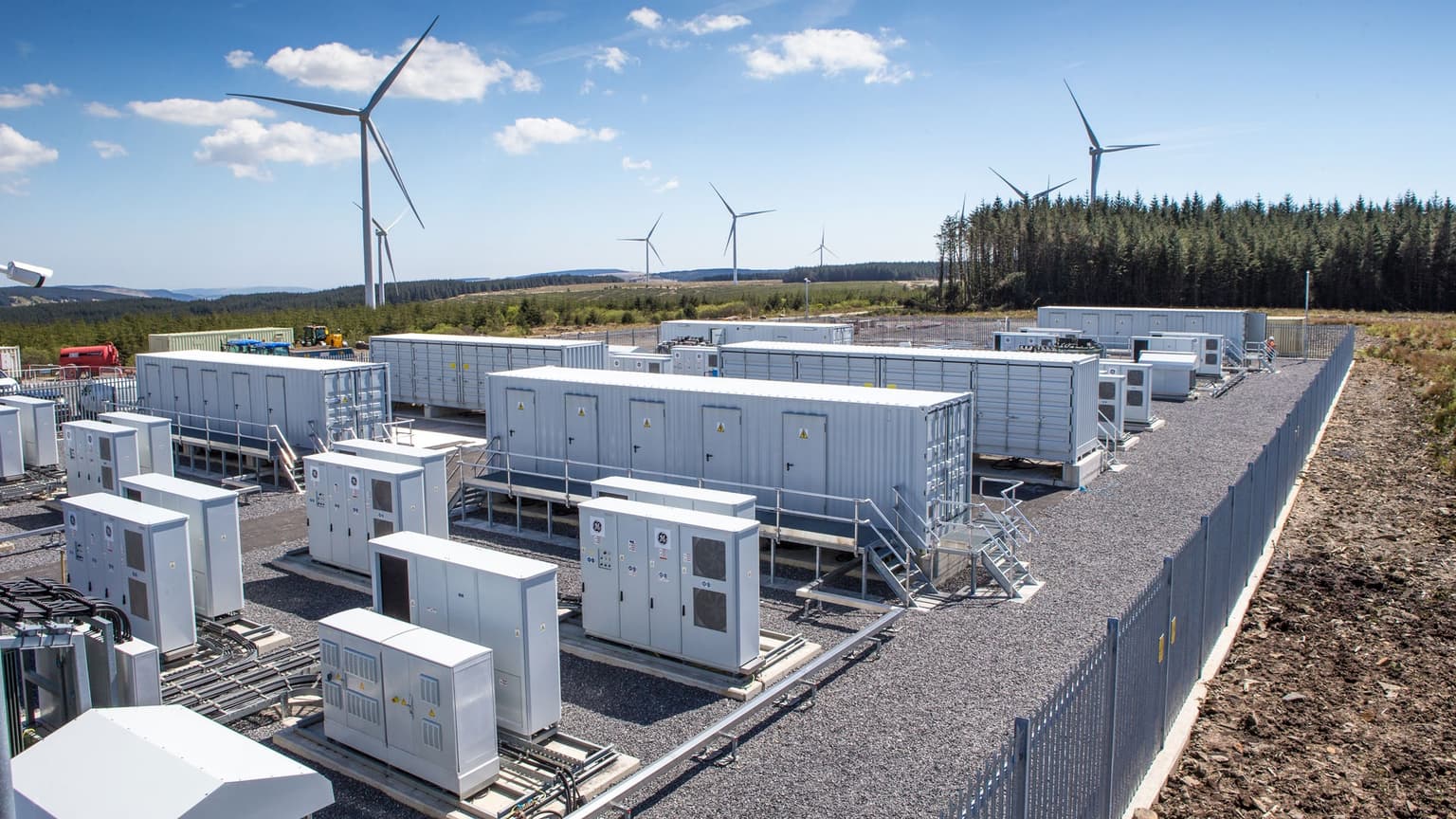
Total installed battery storage capacity in the US is rising sharply and had reached almost 16 GW by the end of 2023. According to the US government agency U.S. Energy Information Administration (EIA), it could rise to 36 GW by 2028. The international news outlet S&P Global reported this.
In its regular monitoring of the battery storage market, the US government agency EIA also examines how these systems are predominantly used. According to the published data, price arbitrage is currently the main use: shifting electricity generation from low-price hours to high-price hours.
8. Audit of measures in response to gas crisis: benefits of joint gas purchasing unclear

The European Court of Auditors published a special report on EU gas supply security on 24 June. The auditors concluded that EU measures adopted in response to the 2022 gas crisis helped member states respond to the crisis, but the impact of some measures cannot be demonstrated. This also applies to the platform for joint gas purchasing, the news outlet Euractiv reports.
Russia’s invasion of Ukraine triggered an energy crisis in Europe and drove up energy commodity prices. The EU imports more than 80% of the natural gas it consumes, and imports from Russia accounted for 45% of the total in 2021. The gas crisis thus tested Europe’s framework for gas supply security and led to temporary measures and increased reliance on liquefied natural gas.
9. Chinese wind turbines set to be installed in Germany for the first time
German renewable energy developer (RES) Luxcara this week signed an agreement with Chinese wind turbine manufacturer Ming Yang Smart Energy to supply 16 offshore wind turbines. As the news outlet Euractiv reports, if the project goes ahead, it would be the first time a Chinese-made turbine is installed in Germany. This has raised concerns among European suppliers that Chinese products could flood the European market, as happened with solar power plants (PV).
Hamburg-based Luxcara signed a preferred supplier agreement for wind turbines with its Chinese counterpart, Ming Yang Smart Energy. The turbines are to be supplied for the Waterkant project, planned for construction in the North Sea.
10. EDF to use proven technologies in its modular reactor design

French energy company EDF, one of the bidders to build a new nuclear unit in Czechia, is also developing its own small modular reactor (SMR). This week, the company announced that it would use existing, proven technologies in its SMR design instead of developing new ones. Using proven technologies could not only increase investor confidence but also speed up reactor development and reduce manufacturing costs.
In recent years, companies around the world, including in Europe, have begun developing small modular reactors. One such design is Nuward, developed by a subsidiary of France’s state-owned EDF. The reactor design was unveiled in autumn 2019, and development is ongoing.
Energostat: electricity generation in Czechia
Energostat: electricity generation in Germany
Translation disclaimer
This article is a machine translation of the Czech original and has not yet been fully reviewed. In case of any doubt, please refer to the Czech version.
Sdílejte článek prostřednictvím:
Topics:Energy Weekly
You might also like




23 October 2026, 14:38