
20 November 2026, 17:31
Loading...
Top 10 energy stories of the past week
oEnergetice.cz
31 July 2022, 17:03
1. Co-leader of Germany’s Greens: I think extending the operation of nuclear power plants is completely wrong

As German politicians debate a possible extension of nuclear power plants’ operating lives, Chancellor Olaf Scholz has deferred a decision until the results of a second stress test conducted by transmission system operators are available. The stress test will also examine possible solidarity with EU neighbours on electricity supplies. The results are expected in the coming weeks.Nuclear power, alongside coal, was one of the main pillars of Germany’s energy sector after the Second World War. Thanks to government-backed research, Germany had 17 GW of installed nuclear capacity in the 1970s. At the time, nuclear power plants were considered a key element of energy security and a reliable source of electricity for Germany’s growing economy.
2. French nuclear power plants granted operational exemptions amid heatwave
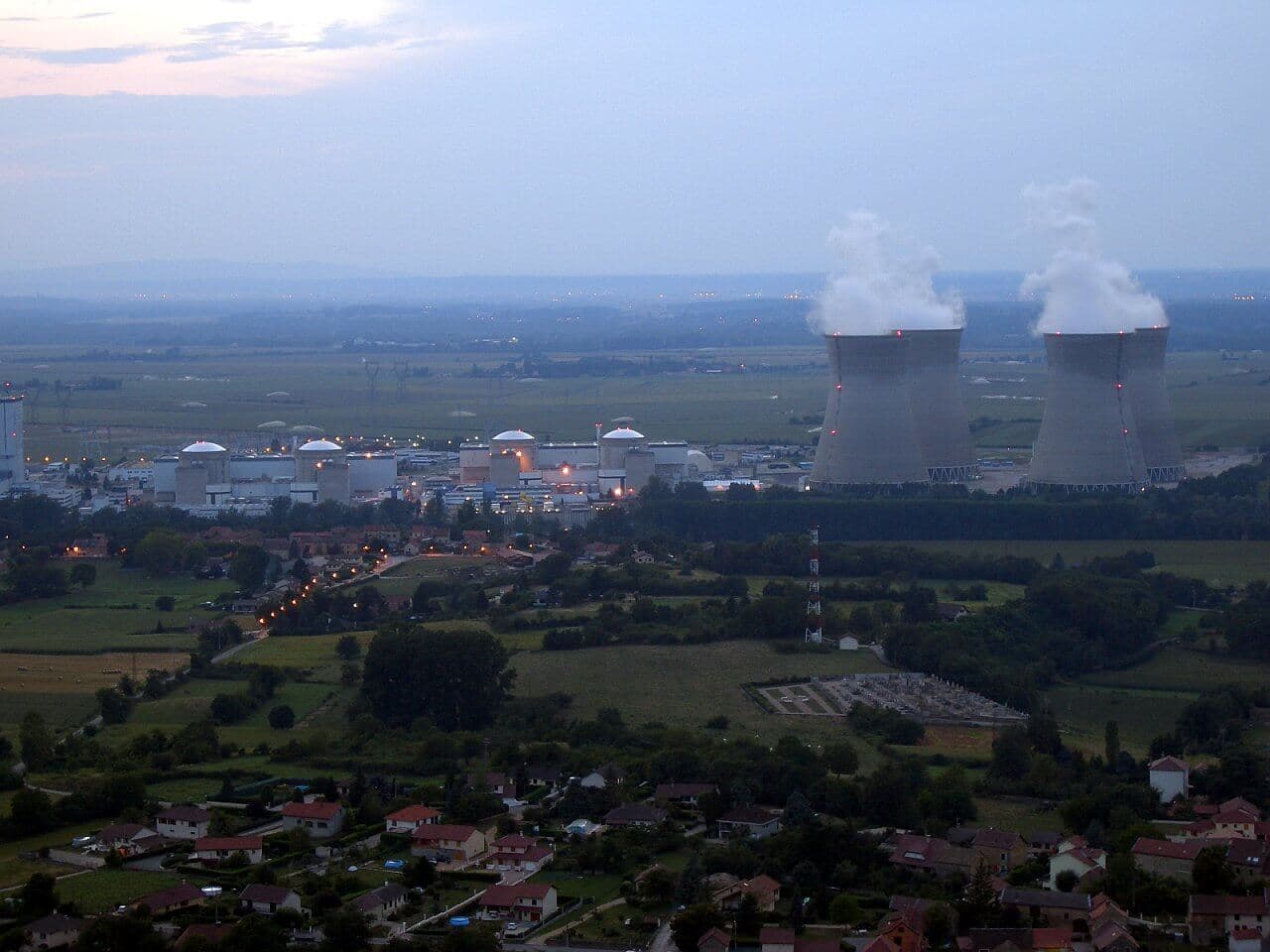
High temperatures across Europe have prompted France’s nuclear regulator to grant several nuclear power plants in the country exemptions allowing them to discharge warmer water from their cooling systems. Nuclear power plants that use seawater or river water for cooling must comply with limits on the temperature of the water they return, in order to avoid putting stress on aquatic ecosystems. During the current hot weather, however, the temperature of incoming water often already exceeds the applicable limits.France’s nuclear regulator, Autorité de Sûreté Nucléaire (ASN), said it would grant temporary exemptions modifying the maximum temperature of cooling water discharged from some nuclear power plants to ensure the security of the electricity grid. Some plants are unable to comply with the limits during the current heatwave.
3. Germany to allow 1.8 GW of coal-fired power plants back on the market and raise gas storage targets
Germany has decided to allow lignite-fired power plants with a combined installed capacity of 1.8 GW to return to the market from reserve from 1 October this year. Germany is also raising its gas storage targets to help prevent looming supply disruptions.German Economy Minister Robert Habeck said on Thursday that the country could not rely on Russian pipeline supplies of natural gas in the coming months. Germany is therefore raising its storage targets. Under the updated targets, storage facilities should be 75% full by 1 September, 85% full by 1 October and 95% full by 1 November.4. IEA: The world is in the midst of its first truly global energy crisis
According to the International Energy Agency’s (IEA) electricity market report, growth in global electricity demand will slow sharply in 2022 compared with the strong rebound in the previous year. The reasons are slowing economic growth and rising energy prices following Russia’s invasion of Ukraine.Global electricity demand will rise by 2.4% in 2022, following last year’s 6% increase, bringing it in line with the average growth rate in the five years before the Covid-19 pandemic, the IEA report says. Although electricity demand is currently expected to continue growing at a similar rate in 2023, the outlook is clouded by economic turbulence and uncertainty over how fuel prices could affect the generation mix.
5. Gazprom receives documentation for repaired Nord Stream 1 pipeline turbine

German company Siemens Energy has handed Russian gas company Gazprom documentation for a repaired turbine needed to operate the Nord Stream 1 pipeline. Reuters reported the news today. Nord Stream 1 is the main route for Russian natural gas exports to the European Union, but since June it has been operating at just 40% of capacity, which Gazprom says is due to the delayed return of a turbine repaired in Canada.Sanctions imposed on Russia by the West over its aggression against Ukraine had prevented Siemens from returning the equipment from its overseas repair. The government in Berlin disputes that Western sanctions are responsible for the drop in gas supplies, although Siemens Energy previously confirmed that they had prevented it from delivering the turbine from Canada on time. Gazprom warned today that sanctions-related problems persist, as do the risks to supply volumes.
6. Nord Stream 1 gas supplies fall as Germany calls it a power play

Russian gas supplies to Germany through the Nord Stream 1 pipeline fell today, as Russian company Gazprom announced on Monday they would. Kremlin spokesman Dmitry Peskov said Gazprom was supplying Europe with as much gas as possible and necessary, and that European sanctions had prevented larger deliveries by delaying the pipeline turbine’s repair. A German government spokesperson called it a power play and rejected the turbine argument.According to Gazprom’s website, since 09:00 CEST only 14 million kilowatt-hours (kWh/h) of gas per hour have been flowing to Germany. Between 06:00 and 07:00 CEST, flows were still above 27 million kWh/h. However, Russia may send more gas through Slovakia, according to DPA and Der Spiegel.
7. Germany presents Hydrogen Atlas to identify opportunities in different regions
Germany’s Federal Ministry of Education and Research has presented the so-called Hydrogen Atlas. The research project aims to help Germany become a hydrogen powerhouse by showing regional progress and identifying hydrogen opportunities and potential in different locations. It is intended to help municipalities and investors make decisions on developing hydrogen technologies.To achieve its goal of becoming climate-neutral by 2045, Germany will need to make significant progress in developing hydrogen technologies, which are an essential part of the country’s energy transition based on renewable energy sources (RES).8. EDF plunges into deep loss as nuclear power generation falls
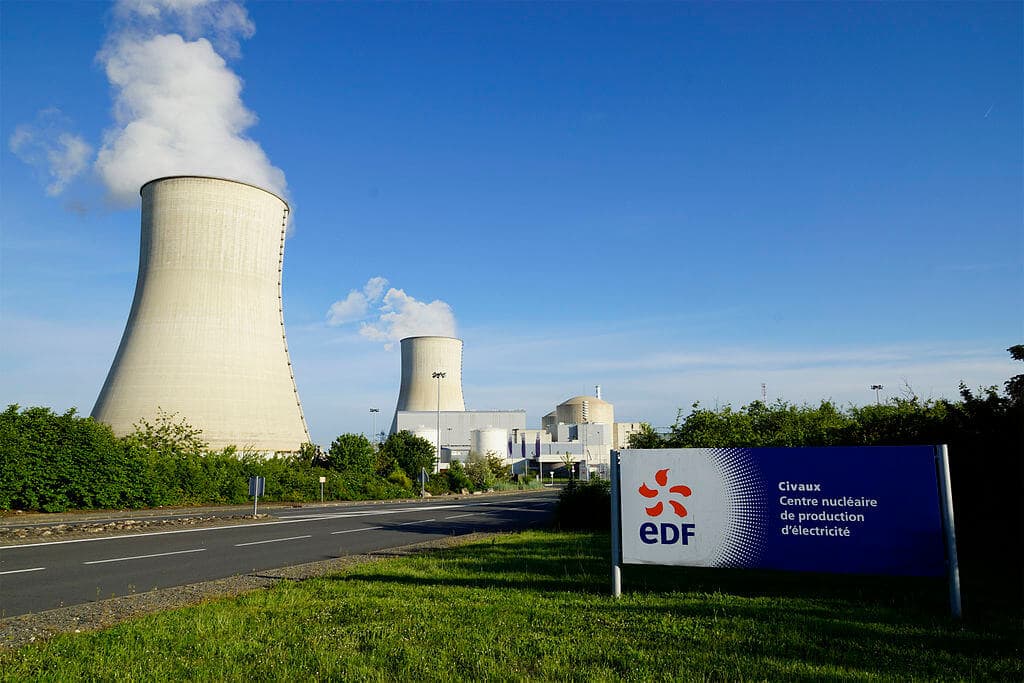
French energy company EDF posted a loss of 5.29 billion euros (CZK 130 billion) in the first half of the year, compared with a net profit of 4.17 billion euros in the same period a year earlier. Revenue increased, but the company recorded a drop in nuclear power generation. In a statement today, it also warned about its future financial performance. The French government is now preparing to renationalise the company, in which it holds an 84% stake.Revenue rose by more than 67% in the first half to 66.2 billion euros. The loss excluding exceptional items was 1.3 billion euros, compared with a profit of 3.7 billion euros a year earlier.
9. Saudi Arabia aims to boost electricity generation from renewables and gas, helping increase oil exports
Saudi Arabia currently generates about half of its electricity from oil and petroleum products, according to the international news outlet Oilprice. Developing natural gas production and use, as well as renewable energy sources (RES), should help the country raise its sustainable oil production capacity to 13 million barrels of oil per day (bpd) during this decade.Saudi Arabia announced plans to develop its sustainable oil production capacity in previous years. The issue is attracting growing attention amid the energy crisis linked to the war in Ukraine. Through Saudi Aramco, the world’s largest oil company, in which the state holds a majority stake, the Saudis plan to raise sustainable capacity to 13 million bpd by 2027, from the current 12 million bpd. Local officials see the underinvestment in the oil sector as an opportunity they want to seize.10. Canada could become a major source of metals needed for the energy transition
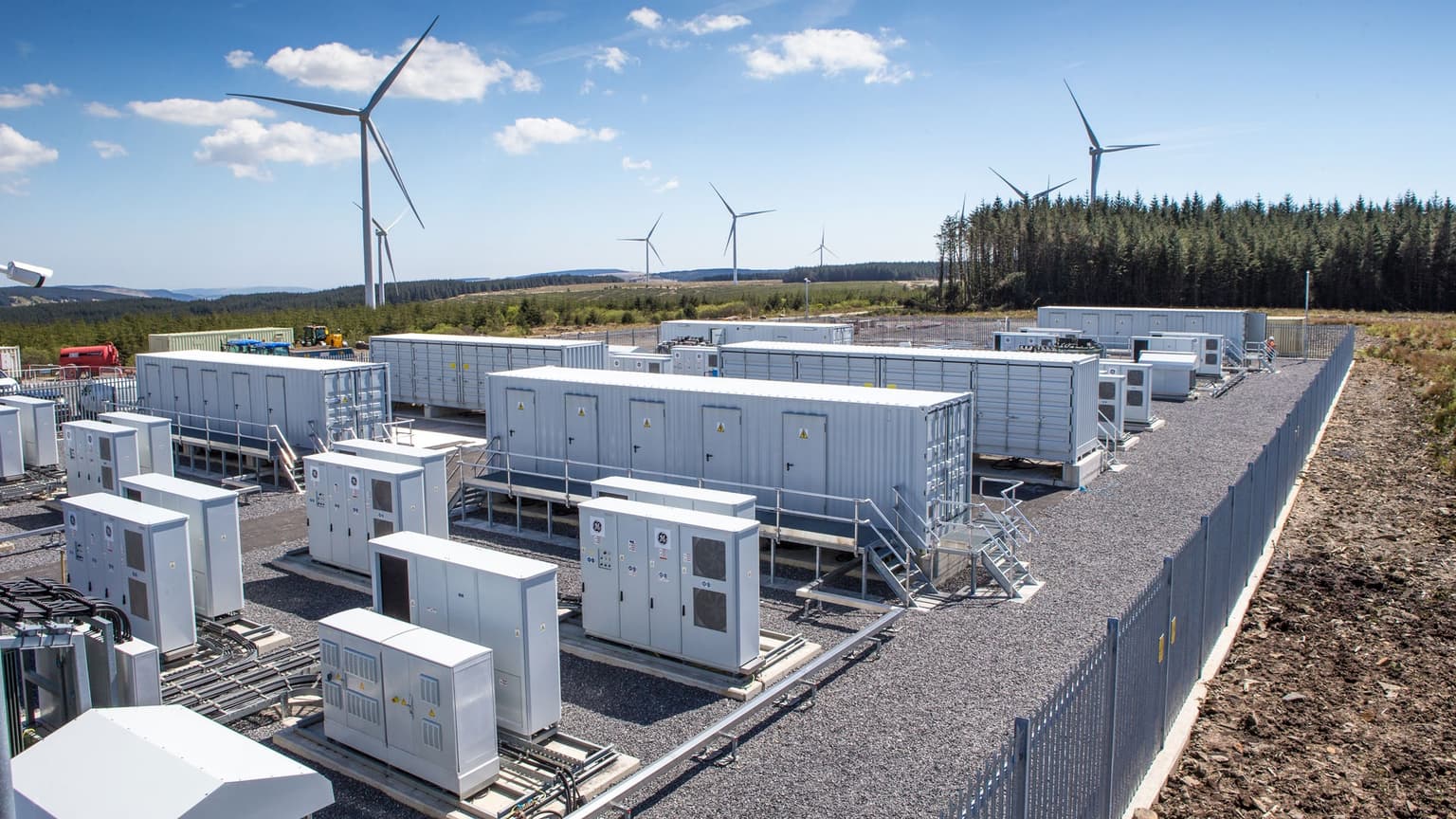
Among other things, the war in Ukraine has highlighted the risks associated with supply chains for metals needed for the energy transition. BloombergNEF (BNEF) analysts said that Canada has the potential to become a major source of these metals thanks to its mineral wealth, the large share of renewables in its electricity generation and its proximity to the US market.In mid-June this year, BNEF hosted a discussion in Toronto with representatives of mining companies and metal producers. The main topics were the production of metals needed for the energy transition and decarbonisation in the sector.
Innovative technologies
Solar electric cars one step closer to market launch
Alongside electric cars charged at home, solar-powered electric vehicles could soon be driving on our streets. Sono Motors recently unveiled its project for a passenger car equipped with a solar kit. Deliveries to customers are expected to begin as early as next year.Solar electric vehicle maker Sono Motors unveiled its production design for the Sion passenger car on Monday, as well as a solar kit for buses intended for public transport fleets in Europe. The news website Protocol reported the news. The company’s founders believe their solar technology can be used for all types of transport, including buses, trucks and ships.Energostat: electricity generation in Czechia
Energostat: electricity generation in Germany
Translation disclaimer
This article is a machine translation of the Czech original and has not yet been fully reviewed. In case of any doubt, please refer to the Czech version.
The article continues for subscribers
Premium content
The rest of this article is available to premium subscribers only. Get access to all premium articles on oEnergetice.cz.
Best value: annual subscription
Monthly option 4 € / month
3.25 €/ month
Topics:Energy Weekly
You might also like
20 November 2026, 10:58
20 November 2026, 10:19

20 November 2026, 06:51
