
1 November 2026, 21:20
Loading...
Top 10 energy stories of the past week
oEnergetice.cz
10 December 2023, 20:47
1. EU agrees to ban fossil fuel boilers from 2040
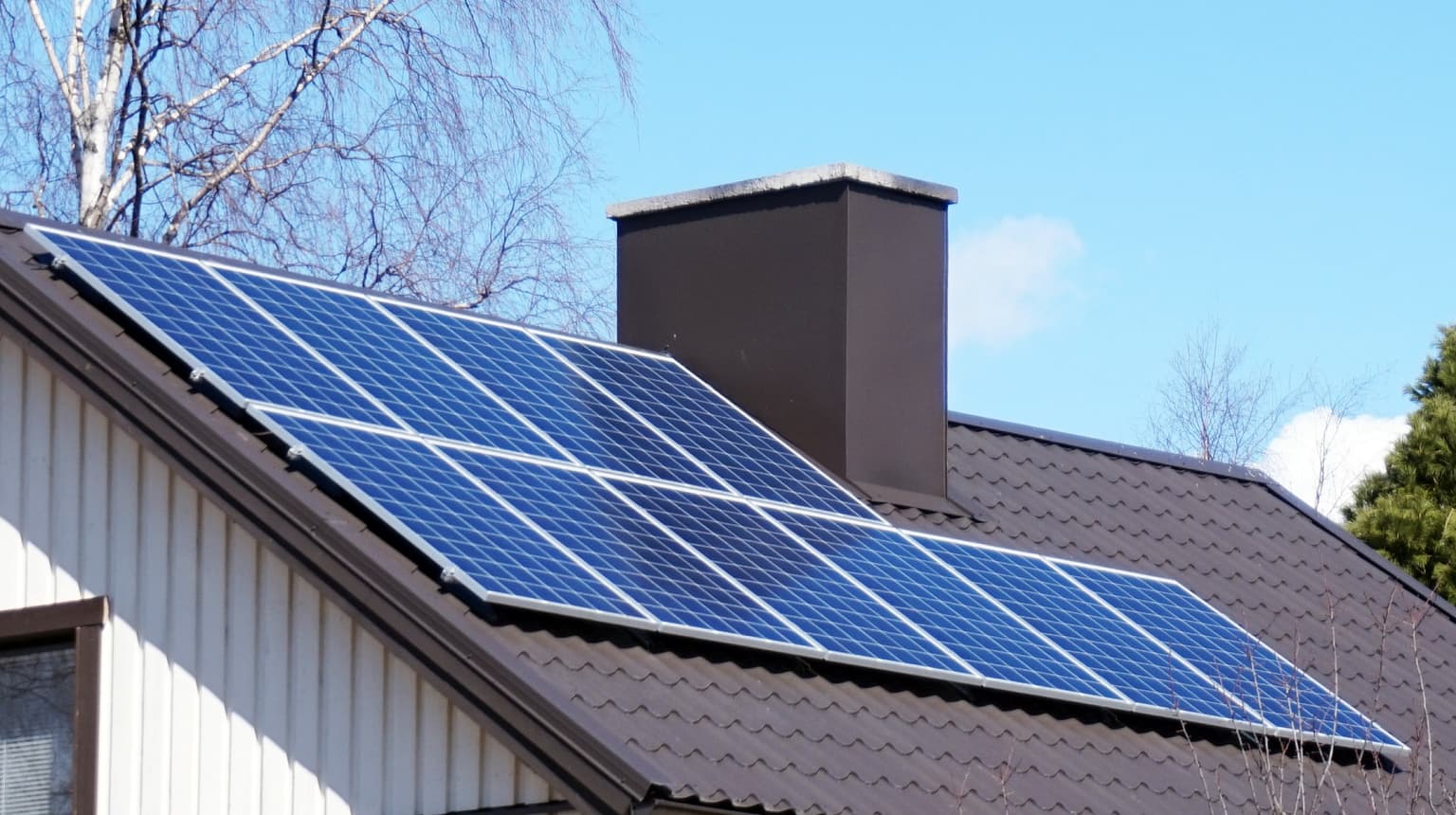
The European Parliament and Council have reached a political agreement on the Energy Performance of Buildings Directive (EPBD), under which all new buildings will have to be zero-emission from 2030. The agreement also includes a decision to phase out fossil fuel boilers completely by 2040 and end subsidies from 2025. The agreement now needs formal approval from both institutions, reports Euractiv.
The European Commission presented its proposal for the Energy Performance of Buildings Directive (EPBD) in December 2021 as part of the Fit for 55 package, which aims to achieve climate neutrality by 2050. The proposed directive seeks to achieve zero emissions for all new buildings from 2030 and renovate existing buildings, particularly those with high emissions.
2. Germany: New rules will allow grid operators to curtail power supplies to heat pumps and electric cars
From January 2024, German distribution system operators will be able to temporarily limit electricity supplies to heat pumps and electric vehicle charging points in order to maintain grid stability. The new rules announced by Germany's grid regulator (BNetzA) will make this possible.
The rules aim to speed up the integration of these devices into distribution grids. In return, distribution system operators will have to offer affected consumers lower network charges and will not be allowed to refuse or delay connections for new heat pumps or charging stations.
3. South Korea's Shin Hanul 2 reaches first criticality

South Korea's Shin Hanul 2 nuclear unit has reached another important milestone on its way to commercial operation. It achieved first criticality this week, a key prerequisite for its operation. The APR-1400 unit will now undergo operational tests at various power levels. Once commissioned, it will become South Korea's 28th nuclear reactor generating electricity.
South Korean utility Korea Hydro & Nuclear Power (KHNP) announced that its Shin Hanul 2 nuclear unit first reached criticality at 7:00 on 6 December. In a nuclear reactor, this is the state in which a fission chain reaction is sustained at constant power.
4. Russia's floating nuclear power plant completes its first refuelling

The Akademik Lomonosov floating nuclear power plant has reached another important milestone since entering service. After more than 3 years, workers have begun replacing the nuclear fuel in the first of its two 35 MW units. Unlike most large nuclear power plants, all fuel assemblies in the reactor are replaced. The shutdown, which also involves maintenance and servicing work, is due to end before the end of the year.
Russian energy company Rosatom announced that it had begun refuelling the first reactor of the Akademik Lomonosov, the world's first floating nuclear power plant. With its berth in the Russian town of Pevek on the Chukotka Peninsula, the plant is the northernmost nuclear power plant in the world. The two KLT-40S units have a combined electrical capacity of 70 MW and can also supply up to 210 GJ of heat per hour.
5. China starts operating the world's first fourth-generation nuclear reactor
China has begun commercial operation of a next-generation nuclear reactor, the first of its kind in the world. The state-run Xinhua News Agency announced the news today. The Shidao Bay fourth-generation plant in China's northern Shandong Province is designed to use fuel more efficiently, be more economical and safer, and have a smaller environmental impact. The 200-megawatt (MW) plant uses a high-temperature gas-cooled reactor (HTGR) and a so-called modular design.
Modular power plants are defined as facilities with a capacity of less than 300 MW that can be built off-site. Their proponents point out that they can operate in remote locations and supply energy to heavy industry. Critics, however, say they are too expensive.
6. Renewable energy advocates call amendment's approval a breakthrough, but still see restrictions

The approval of an amendment to the Energy Act, which is intended to enable the creation of so-called energy communities, is a breakthrough for the development of community energy in Czechia. However, work on it is not finished, industry organisations said in statements sent to the Czech News Agency today. They say the amendment still contains flaws that could hinder the establishment of energy communities. They are also calling for the remaining conditions for their operation to be set quickly.
Energy communities will be able to share locally generated electricity through the distribution grid. This will make it possible to share electricity between different delivery points, for example from a holiday cottage to an apartment. Last week, the Chamber of Deputies approved the amendment to the Energy Act that introduces community energy. It will now be considered by the Senate. If the process is completed quickly, the first communities could start sharing electricity from July next year.
7. Solar capacity additions to exceed 400 GW for the first time this year
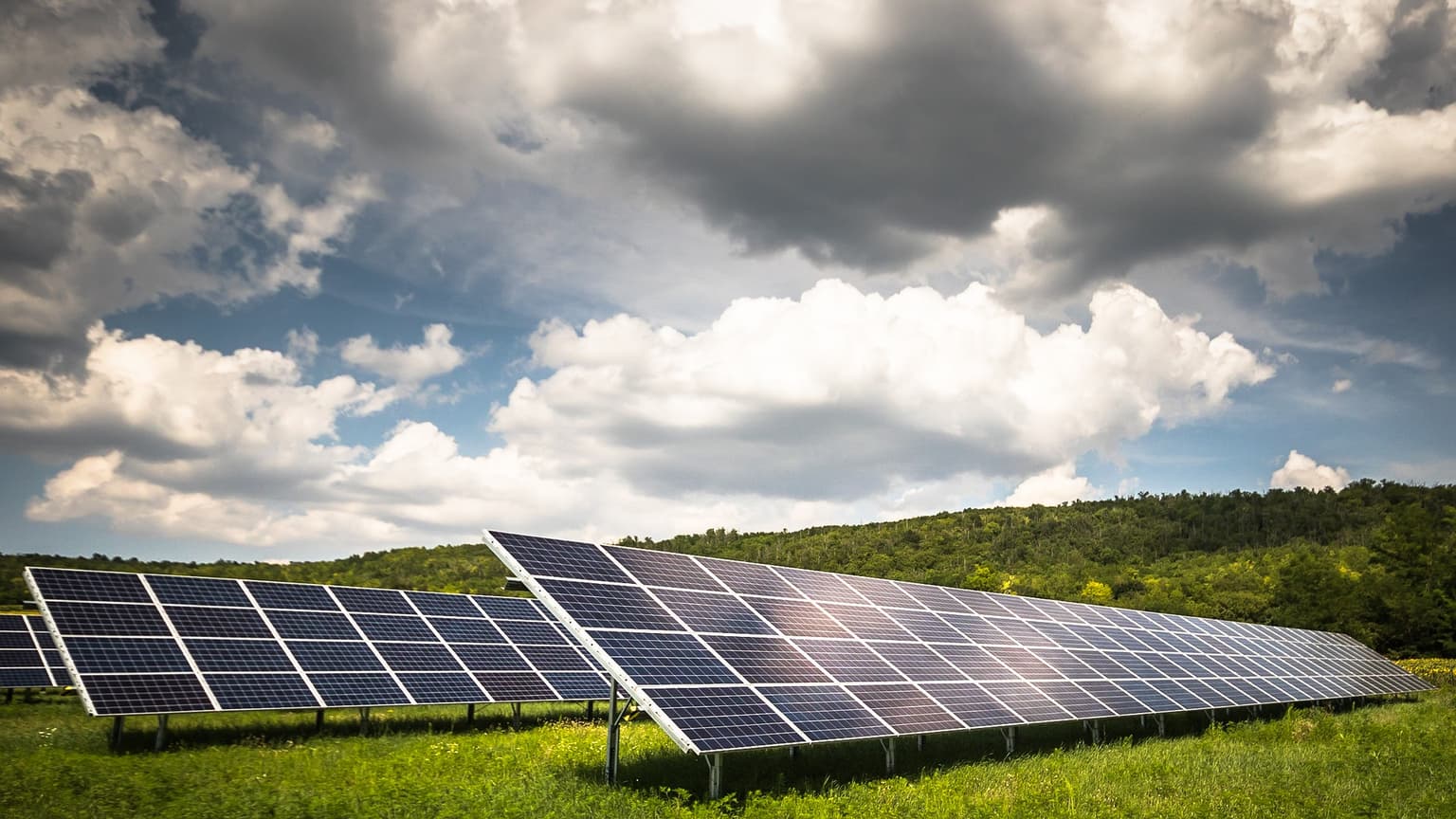
New solar power installations continue to be added as 2023 draws to a close, and according to an updated outlook from BloombergNEF (BNEF) researchers, this year's total solar capacity additions could reach 413 GW. That is 64% higher than in 2022 and roughly double the new solar capacity commissioned in 2021.
BNEF said that while several markets are seeing slower solar power development than expected, growth in China is exceeding expectations.
8. Energy sector experts: Czechia needs investment in gas-fired power plants—and quickly
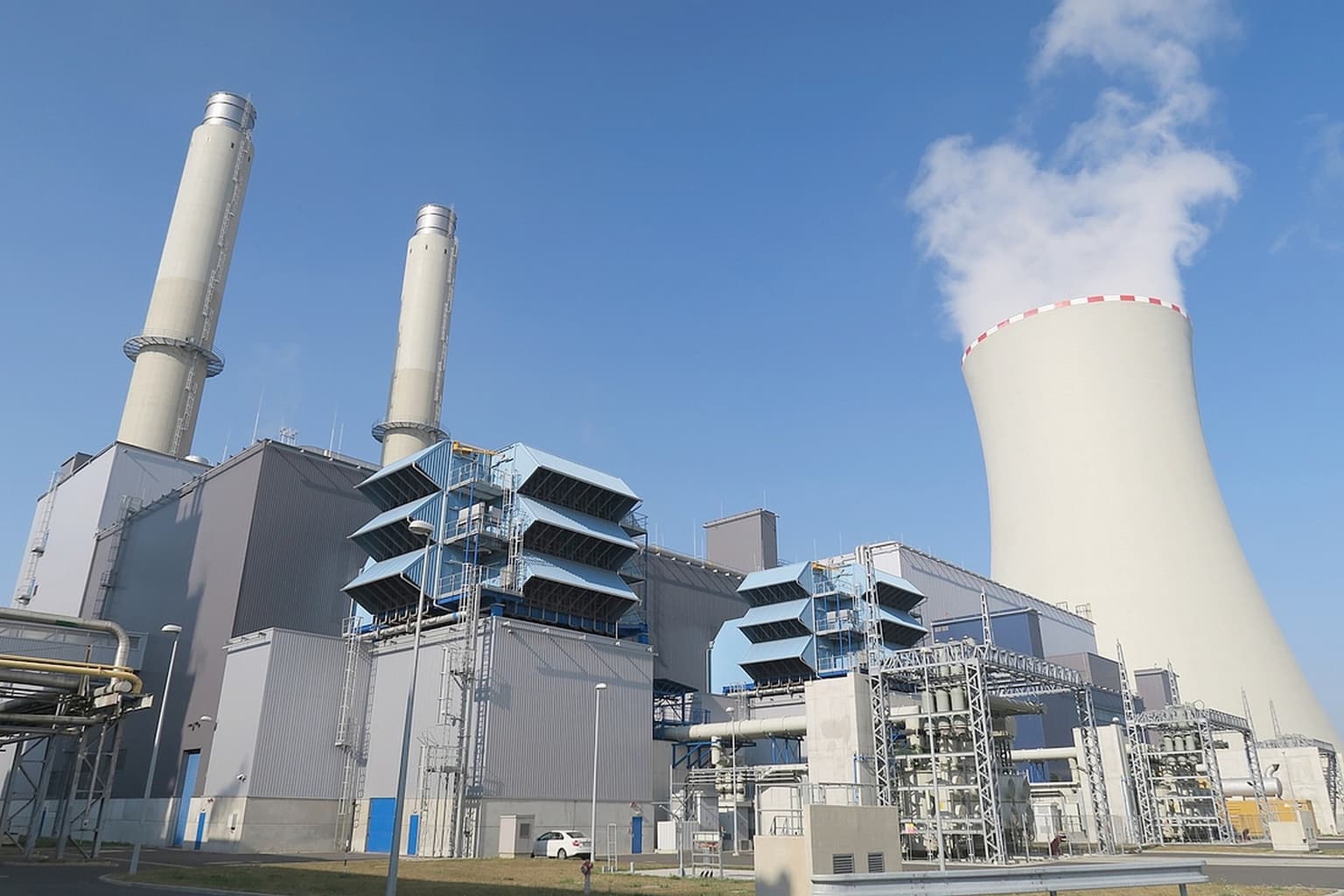
Czechia needs investment in new gas-fired power plants and other sources of energy; without it, energy will be significantly more expensive than in neighbouring countries. Changes to the energy market will also be needed. Participants at a specialist debate hosted today by the Institute for Public Discussion on the transformation of the domestic energy sector agreed on this. They said gas would play a key role in electricity generation and heat production in the coming years.
“Gas will play an important role, but the way it is used will change,” said Jan Zaplatílek, head of the Gas and Liquid Fuels Department at the Ministry of Industry and Trade.
9. Investors: Governments accept higher offshore wind power prices to avoid losing projects
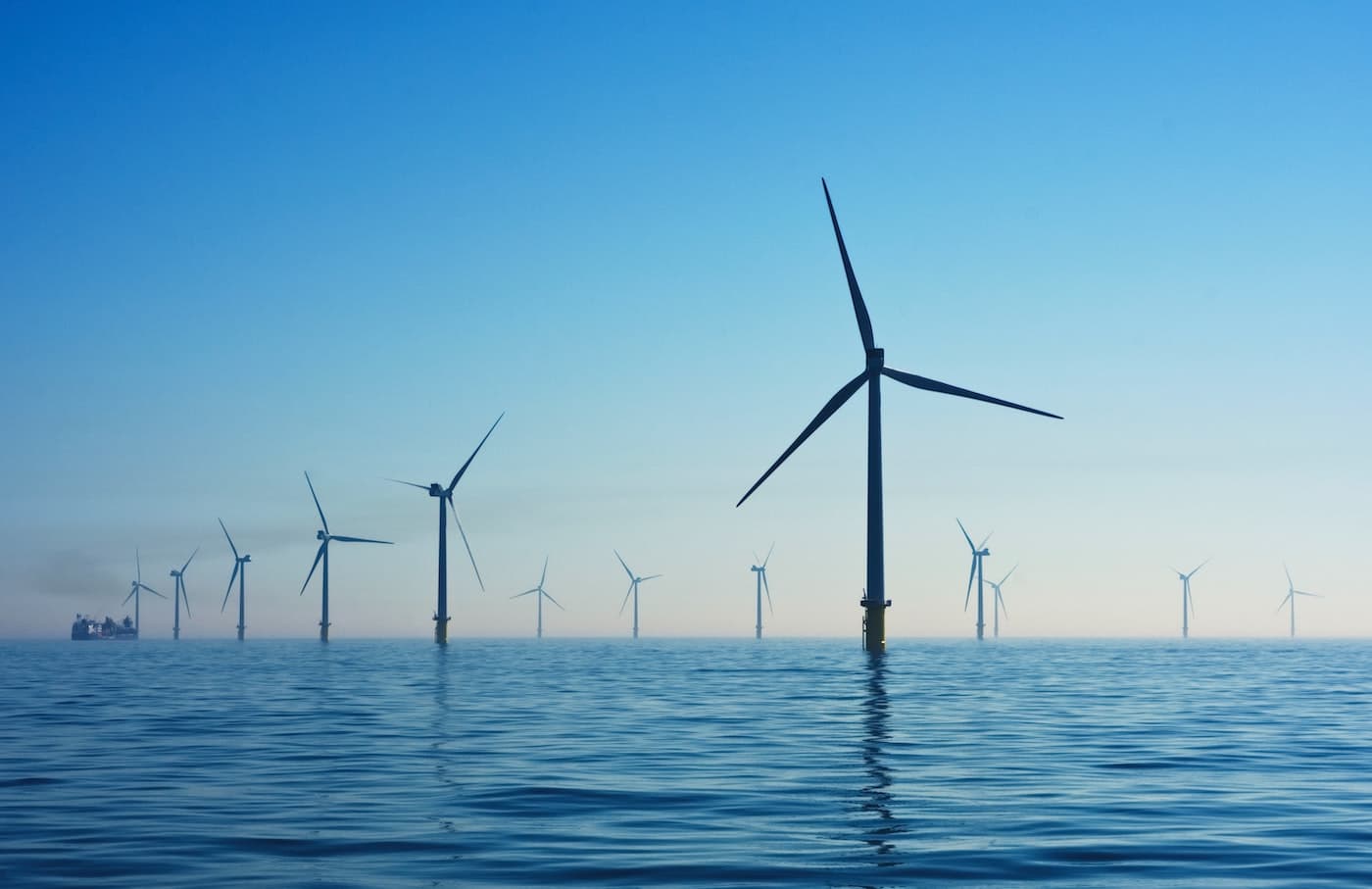
Although many countries around the world see offshore wind farms as one of the pillars of renewable energy, the sector is currently in crisis. Several projects in Europe and the US have been suspended or cancelled this year because rising costs made them unviable. Some investors say, however, that governments are gradually agreeing to higher purchase prices because offshore wind farms are needed to cut emissions and meet climate targets.
Many countries are expected to significantly expand offshore wind construction in the coming years. Although offshore wind farms are generally more expensive to build and operate than their onshore counterparts, they offer some advantages. These include the ability to install taller, larger and therefore more powerful turbines, access to stronger and more consistent winds, and less public opposition.
10. ExxonMobil chief opposes ending the use of fossil fuels
ExxonMobil CEO Darren Woods says countries should focus on reducing emissions. At the COP28 climate summit, he made the statement in opposition to a collective commitment to phase out the use of fossil fuels. Similar comments have also come from senior political figures leading the summit. UN representatives, by contrast, are firmly in favour of ending the use of fossil fuels.
Around 50 oil companies pledged at the United Nations Climate Change Conference (COP28) in Dubai to eliminate methane emissions by 2030. Many participants believe COP28 can be considered a success only if it results in a final agreement to phase out all fossil fuels. Burning them is the main cause of the climate crisis.
Topic
Electricity sharing is coming. Households may receive grants of up to 600,000 crowns
98 million crowns will be allocated to establishing energy communities. The Ministry of the Environment aims to support at least forty projects. The wine-growing village of Brumovice near Břeclav is also preparing to apply.
Czechs will probably have to wait until the third quarter of next year for community energy to get started. On 1 December, the Chamber of Deputies debated and approved the necessary amendment to the Energy Act. The legislation will now go to the Senate and will ultimately be signed by the president.
Energostat: electricity generation in Czechia
Energostat: electricity generation in Germany
Translation disclaimer
This article is a machine translation of the Czech original and has not yet been fully reviewed. In case of any doubt, please refer to the Czech version.
Sdílejte článek prostřednictvím:
Topics:Energy Weekly
You might also like

1 November 2026, 16:09
1 November 2026, 07:59

31 October 2026, 12:55

31 October 2026, 08:21