21 October 2026, 06:41
Loading...
EU's path to raw material self-sufficiency faces time constraints and a lack of exploration

oEnergetice.cz, ČTK
5 September 2026, 09:11
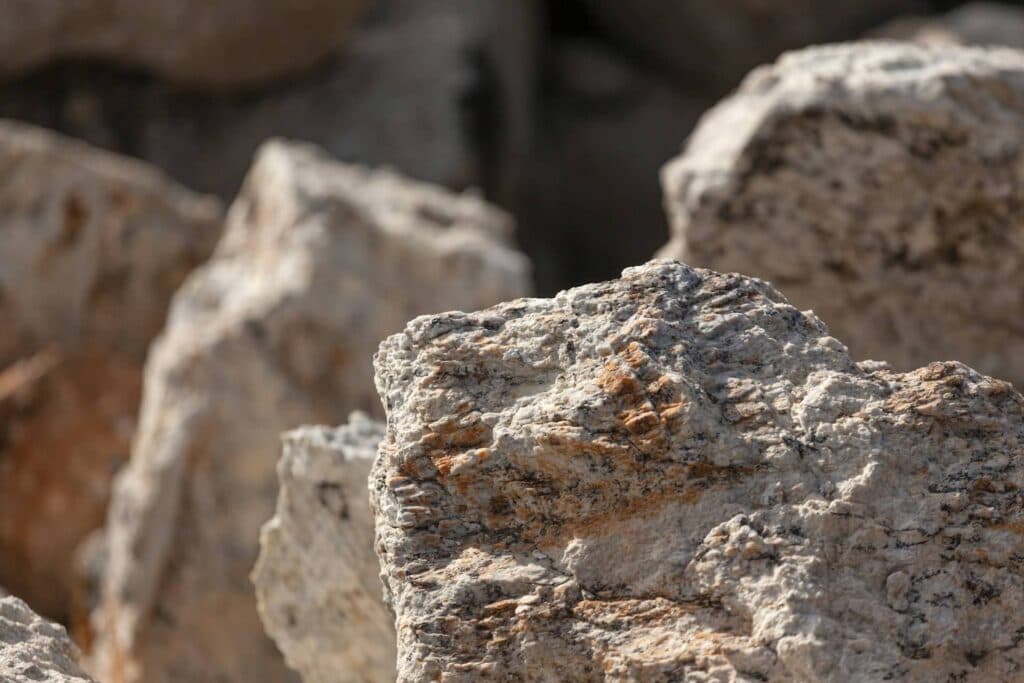
Mining of critical minerals in Europe is not negligible, but many deposits have not yet been sufficiently explored, Zdeněk Venera, director of the Czech Geological Survey, told ČTK. According to him, European Union (EU) countries did not support the extraction of these mineral resources for decades and relied on imports. The bloc’s current efforts to reverse this dependence by 2030 are at the limits of what is realistically possible, Venera believes. Critical raw materials are essential for manufacturing technologies intended to help humanity transition from fossil fuels to renewable energy sources and ensure economic growth for individual countries.
"Europe, with the exception of countries such as Finland, Sweden, Spain and Greece, suffers from the fact that mining here was considered undesirable for some 30 years, because the prevailing view was that we could do without our own mineral resources, import them instead and avoid damaging the environment through their extraction," Venera said.
According to him, Europe has thus reached a point where it must import virtually everything it needs for industrial and economic development, very often from China. China has a number of significant deposits of critical minerals on its territory, and it also controls mining in Africa, which is very rich in these minerals. In addition, China dominates the processing of these raw materials. “With some exaggeration, China can decide whether or not German carmaker Volkswagen receives the metals it needs for production,” said the head of the Czech Geological Survey.
In an effort to reverse the trend and strengthen its own raw-material supplies, the European Commission issued the Critical Raw Materials Act, which entered into force in May 2024. It stipulates that by 2030, mining capacity in the EU should be sufficient to cover at least 10 percent of annual consumption of these metals within the bloc. The EU should also be able to process at least 40 percent of these metals annually and recycle 15 percent of them annually. At the same time, no non-EU country should supply more than 65 percent of any strategic raw material.
However, Venera said these targets are at the limits of feasibility within the stated timeframe. “Potential sites where deposits may be located have not been sufficiently explored, and preparing them for mining takes decades,” he said. Obtaining permits for both mining and the preceding exploration is also time-consuming, he added.
There are, however, exceptions where research and exploration of deposits have reached an advanced stage. These include the lithium deposit at Cínovec in the Ústí Region, which has received strategic project status from the European Commission. Lithium is a key element, among other things, for manufacturing batteries for electric cars.
Sites designated as strategic projects are to receive faster mining permits, easier financing for the extraction, processing or recycling of critical raw materials, and greater political support.
Individual critical raw materials are important for a country’s further technological and economic development, while also being scarce and exposed to supply risks, such as the geopolitical situation, the geologist explained. Besides lithium, they include barite, neodymium, tantalum, manganese and cobalt. The European Commission updates its list of critical raw materials; according to the current list, there are 34.
Czechia has a national programme for research and exploration of critical mineral deposits, approved by the government for 2025-2030. It is implemented by the Czech Geological Survey and state enterprise DIAMO, overseen by the Ministry of Industry and Trade, and aims to explore Czech sites with the potential to contain the raw materials mentioned above. “The most promising for us are lithium, graphite, tungsten, fluorite and barite,” Venera said. The deposits will not be large, he said, but they need to be explored to determine whether mining would be worthwhile. This will also depend on the market prices of these commodities, which are volatile, he added.
Translation disclaimer
This article is a machine translation of the Czech original and has not yet been fully reviewed. In case of any doubt, please refer to the Czech version.
Sdílejte článek prostřednictvím:
You might also like
20 October 2026, 15:34
20 October 2026, 12:55
20 October 2026, 10:49