French-German energy agreement: New impetus for Czechia and the EU
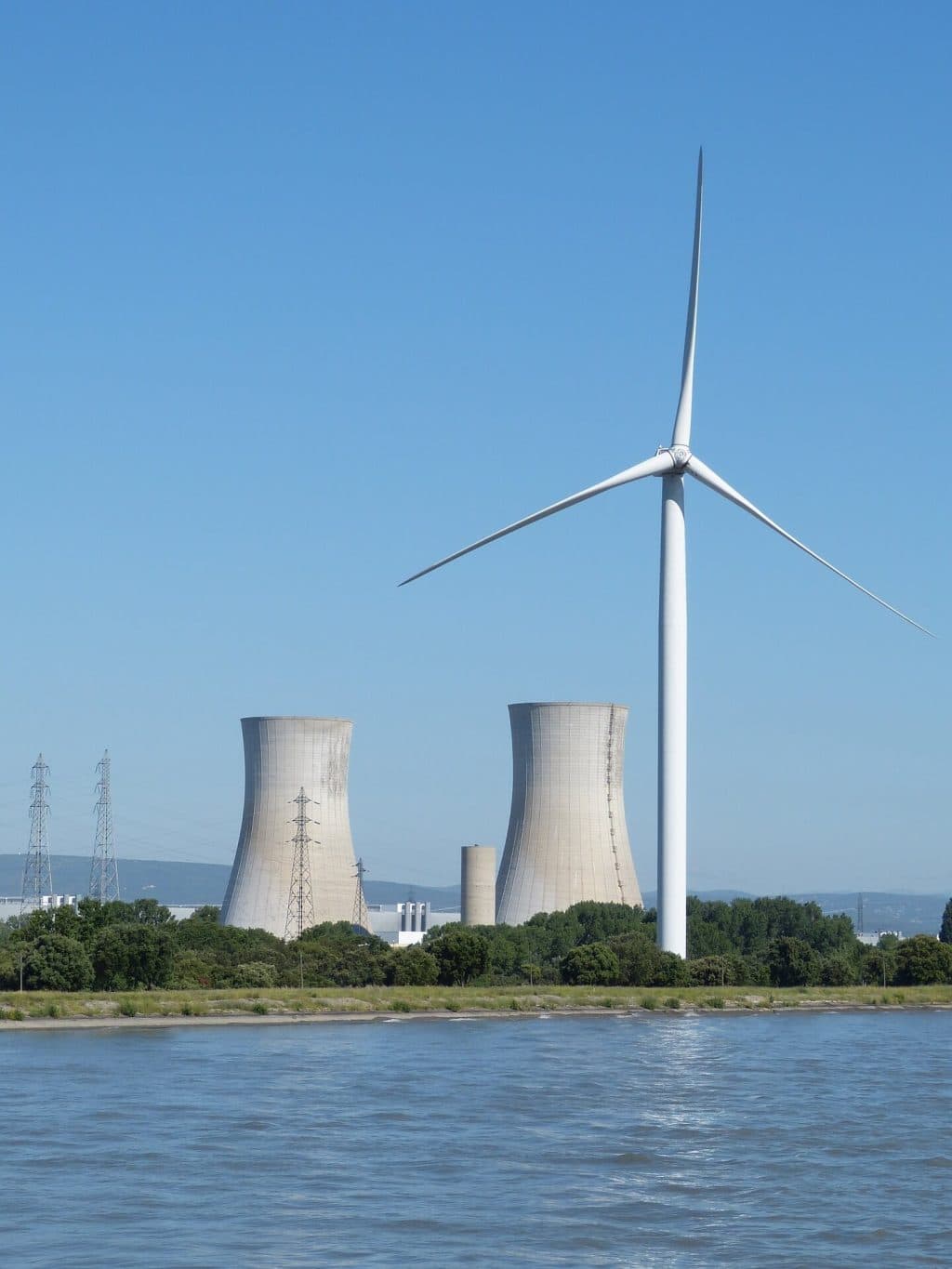
Germany and France have agreed on a joint approach to shaping European energy policy. This is to include nuclear energy as a low-carbon source. The move could bridge the two countries’ long-standing dispute over the role of nuclear power in Europe’s green transition. The agreement could also help bring Czechia closer to carbon neutrality.
Both countries adopted a joint economic agenda that envisages a proposal for a new European energy policy for 2040. It is to align with the European Commission’s recommendation, which sets a 90% reduction in greenhouse gas emissions compared with 1990 for this target year. The fundamental principle is to be equal treatment of all technologies that can contribute to achieving climate neutrality. Alongside renewable sources, the role of nuclear power and other low-carbon solutions will therefore also be recognised at European level.
"There are fundamental differences between France and Germany in energy policy, but this does not affect our cooperation," German Chancellor Friedrich Merz said at a joint press conference during a government summit in southern France.
French nuclear power, German renewables – a Czech balance
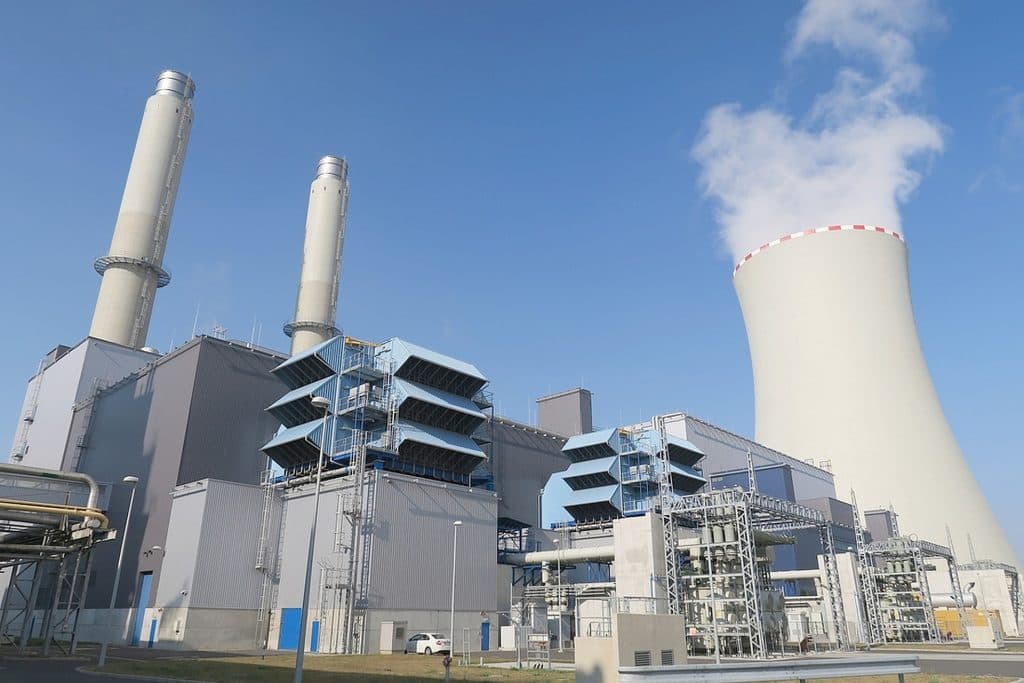
For Czechia, this cooperation is good news. The government has long advocated the construction of new nuclear units at Dukovany and Temelín. If the principle of “non-discrimination” is enshrined in European policy, it will be easier to defend the financing and support of nuclear projects within the EU. Czechia will thus find it easier to meet the targets approved under the National Energy and Climate Plan. This envisages ending coal combustion by 2033.
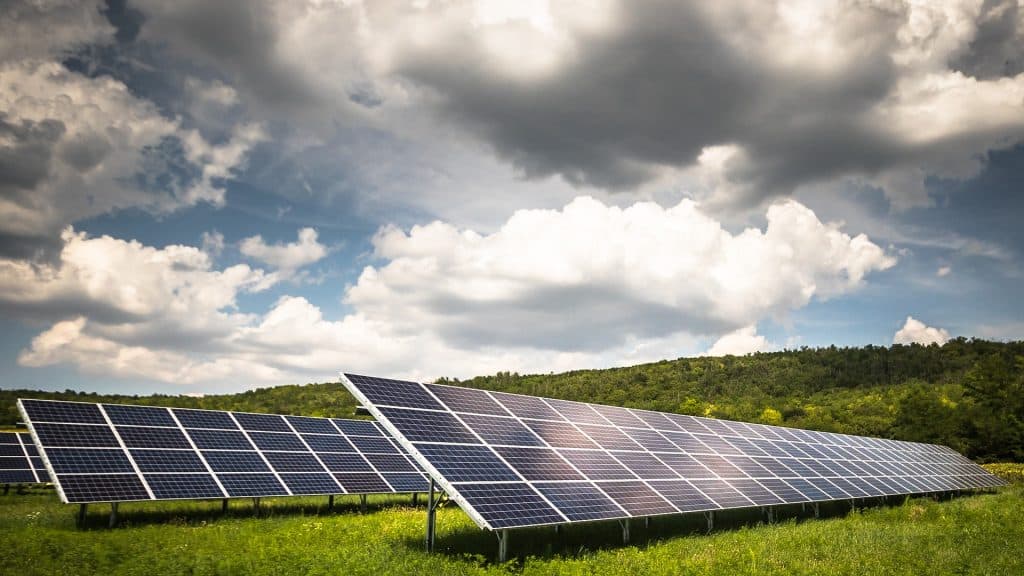
France has traditionally supported nuclear power, while Germany has relied on renewable sources since shutting down its last reactors in 2023. A compromise between the two countries could be of strategic importance to the Czech Republic. The country stands between these two approaches: developing nuclear power on the one hand, and the need to increase the share of renewable sources on the other. The agreement could therefore strengthen the Czech government’s arguments in Brussels, while also increasing pressure on the country not to neglect the development of solar and wind power.
Hydrogen cooperation
The agreement also includes support for German plans to build hydrogen links to southwestern Europe. The key project is the Southwestern Hydrogen Corridor, which will connect Spain, Portugal, France and Germany through the H2Med and HY-FEN pipelines.
For the Czech Republic, this represents an opportunity to connect to the emerging European hydrogen market. The Czech Republic is already developing the Czech Hydrogen Backbone WEST project, with a total length of 163 km, which is to connect the Czech hydrogen network with Germany through the Deutschneudorf and Waidhaus border points. This would help diversify energy sources and increase the resilience of the Czech energy sector.
Power infrastructure interconnection and European integration
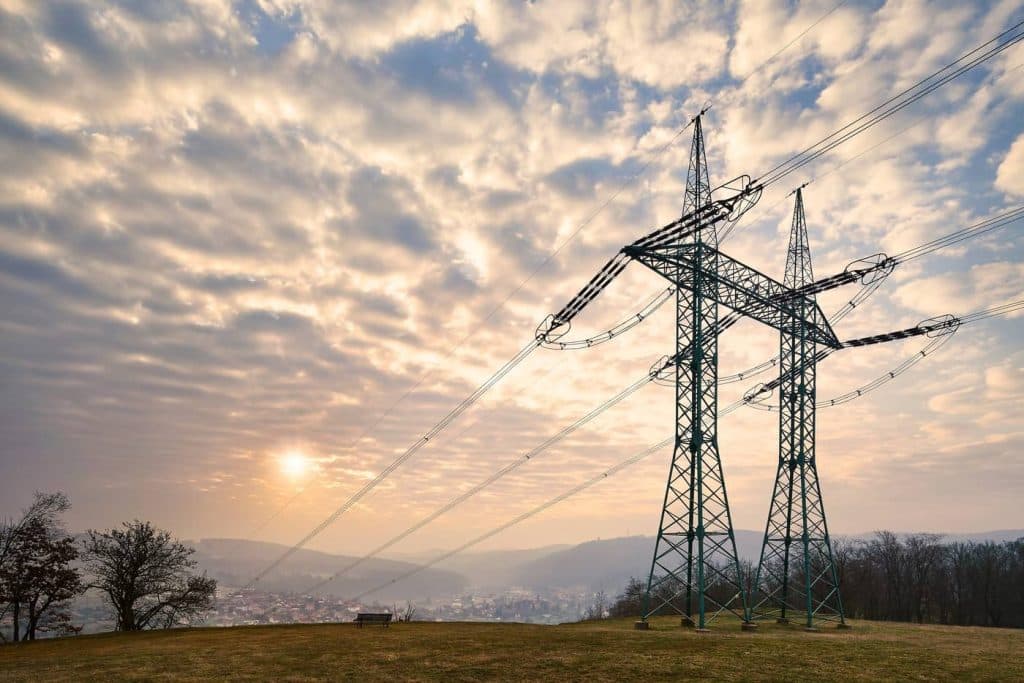
The agreement also provides for an assessment of a new electricity interconnection between France and Germany. This would strengthen European integration and security of supply. The Czech Republic could benefit indirectly from this move, as greater capacity in western Europe would contribute to more robust interconnection across the entire system, in which Czechia is a key transit country. On the other hand, it would also place greater demands on the Czech transmission system and require investment in its modernisation.
Through their compromise, France and Germany have signalled that European energy policy is moving towards greater unity and openness to different low-carbon technologies. Rather than unilaterally promoting only renewable sources or only nuclear power, the EU wants to allow each country to use different pathways to achieve climate neutrality – from nuclear power and renewable sources to hydrogen infrastructure. This move could strengthen the cohesion of the entire Union, reduce dependence on fossil fuels from unstable regions and at the same time accelerate the path towards a decarbonised economy.