Private investors are not rushing into nuclear. The Netherlands has chosen another path

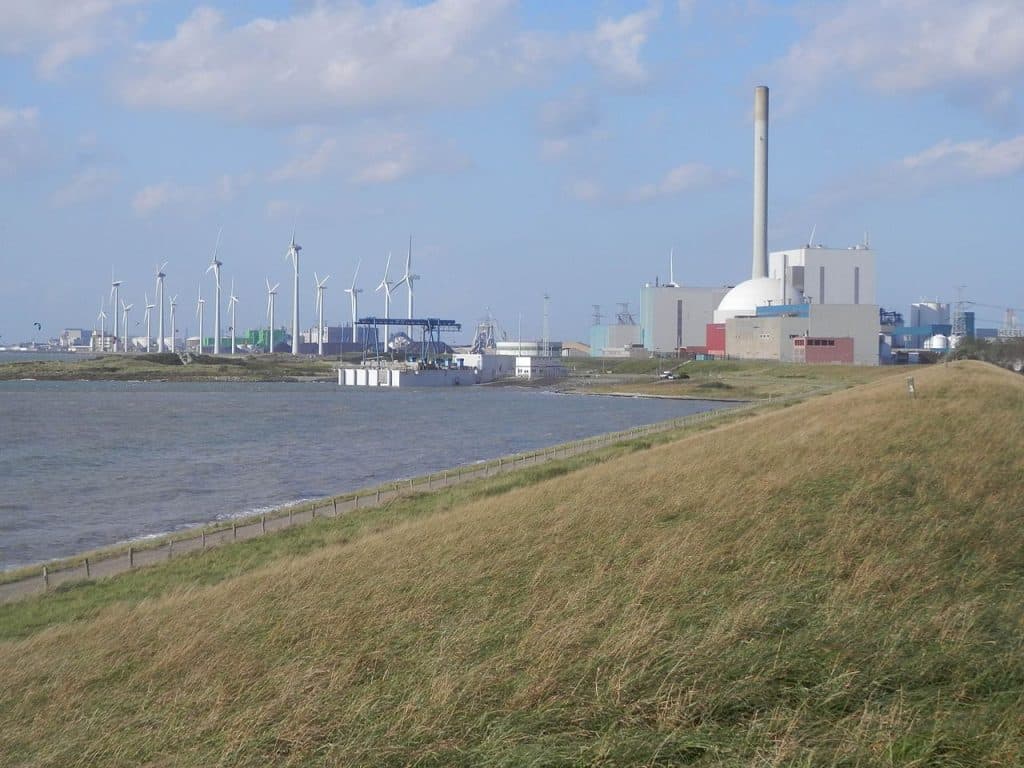
The Dutch government is gradually preparing a financing model for two new nuclear power plants in the country. After assessing investor interest, it concluded that private investors are unwilling to bear a substantial share of the construction risks. The state has therefore taken the leading role through the wholly state-owned company NEO NL. The state will also bear the costs of at least the initial phase of construction of the new units, in order to accelerate their delivery as much as possible.
The Netherlands is one of the less visible European countries pursuing the construction of new nuclear units. This is only because its preparations are still at an early stage. Its preparations follow a broader European trend in which new large-scale nuclear projects increasingly resemble anything but ordinary private investments. The state therefore acts in the project not only as regulator and provider of support, but directly as investor, lender and future owner of the project.
The Netherlands' current advantage is that its project is only at the beginning of preparations. It can therefore still be adapted relatively painlessly to the current realities of the European market in order to ensure the earliest and least costly possible completion.
Private investors are not “rushing” to build
One of the key questions in the preparations was whether the project could be developed and delivered by private investors. However, as government documents show, private companies are prepared to participate only if the state assumes virtually all risks associated with preparing and building the power plants.
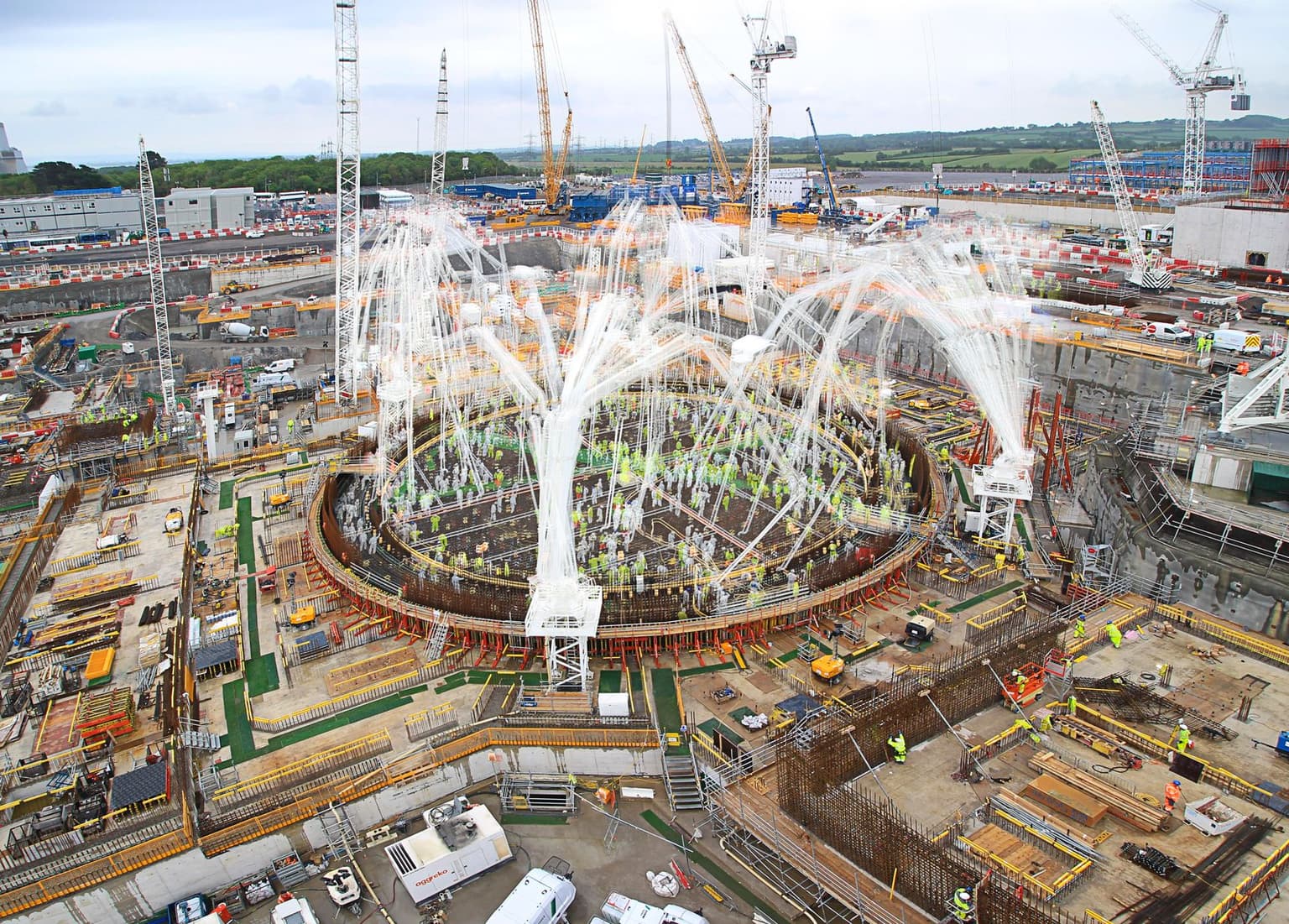
The current risks associated with building nuclear power plants are well known: in particular, long construction periods, uncertainty over costs, the duration of permitting processes, interest rate developments and future revenues in the electricity market. The combination of these factors has long constrained the ability of major nuclear projects to secure commercial financing without extensive public support.
A promising investment can thus very easily become an investor's nightmare, entirely beyond the investor's control.
NEO NL: State company responsible for building new units
The Dutch government has therefore opted for a wholly state-owned company, Nucleaire Energie Organisatie Nederland, abbreviated as NEO NL. Its task will be to prepare, build and operate the new nuclear power plants, with the state as its sole shareholder.
NEO NL was established on 16 February 2026 and is set to assume the role of future owner and operator of the units. In doing so, the Dutch government is also responding to recommendations from the International Atomic Energy Agency, according to which the future operator should become involved in project preparations as early as the design and construction phase.
The state expects this arrangement to provide greater control over the project, particularly over the choice of technology, risk allocation and the long-term operation of the plants.
State control over technology selection was, after all, also one of the priorities of the Czech government. It first excluded suppliers from China and Russia from the tender to supply units at Dukovany, while the final choice was also the result of agreement between ČEZ and the state.
The state will take over project financing, at least during the first construction phase
As early as October 2025, the Dutch government stated that, according to its analysis, fully state-backed financing was the least costly option in terms of the project's total costs. The state can generally obtain funding on better terms than a private company. While a higher share of private financing could reduce the impact on the budget, it would make the entire project more expensive.
Once the power plants are completed, the interest rate is to be set at the yield on Dutch government bonds plus one percentage point. In its documents, the Dutch government specifically refers to the Dukovany project, whose public-support model for one unit inspired it.
In June this year, the cabinet confirmed that the state would bear all financing costs for the two new large power plants, at least during the first phase of their construction. Private financing remains theoretically open for later refinancing or a potential equity contribution by the supplier, but not as the main source of funding in the early phase of the project.
Two locations under consideration, two main suppliers
Alongside the financing model, the question of the unit supplier is also gradually becoming clearer. The Netherlands initially assessed options from France's EDF, US-based Westinghouse and South Korea's KHNP. However, KHNP withdrew from the technology selection process in March 2025. Two Western technologies therefore remain in contention.
The project currently covers two large units, but the government is considering including an option for two additional reactors in the contract. Here, too, the Czech approach is an evident inspiration: the current contract with KHNP represents an order for two reactors at the Dukovany site and an option for two further reactors at Temelín. Such an approach could shorten preparations for the third and fourth units while improving the negotiating position in agreeing the price and delivery terms.
The site selection has not yet been fully finalised. Although the government excluded several initially considered options in June this year, it is still deciding between Eemshaven in the province of Groningen and a site near Terneuzen in Zeeland.
From the perspective of the transmission system, Eemshaven is the most favourable option. TenneT states that 3.2 GW of new capacity can be connected there without additional investment beyond the network expansion already planned. Terneuzen, by contrast, requires significant measures. According to TenneT, connecting 3.2 GW of new nuclear capacity would require further extensive grid upgrades, or potentially redispatching at costs of up to hundreds of millions of euros annually.
The cabinet wants to decide on its preferred site by the end of 2026. A proposal for a formal siting decision is to follow in the first half of 2027.
The Netherlands follows the Czech construction model
For Czechia, the Dutch development is important above all as further confirmation that the private financing model for large nuclear units in Europe is receding into the background. In both countries, the state is taking on the role of principal investor and establishing a structure intended to reduce financing costs while enabling long-term management of the project.
The Netherlands is directly drawing inspiration from the Czech approach to an interest-free loan during construction. However, the Czech model for Dukovany is more developed and entails a broader transfer of construction and financial risks to the public sector.
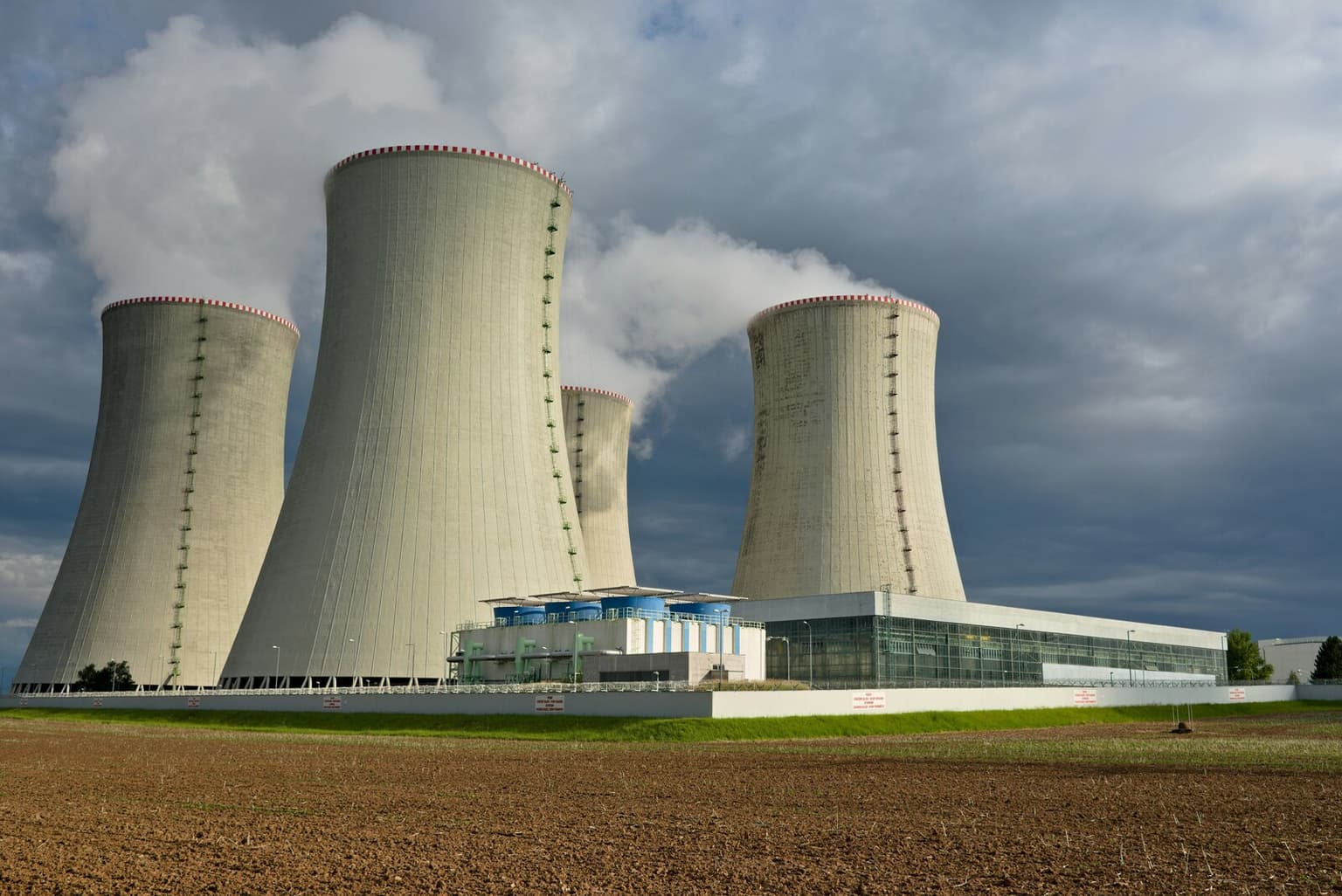
The difference lies primarily in the institutional arrangement. The Netherlands is creating a separate company, NEO NL, which is to prepare, own and operate the project, whereas the Czech project is being implemented through EDU II, with the state still holding a dominant stake and with a possible increase in the state's share to as much as 100% through the nationalisation of parent company ČEZ.
Translation disclaimer
This article is a machine translation of the Czech original and has not yet been fully reviewed. In case of any doubt, please refer to the Czech version.