Gas Supply Security Dilemma: Market Conditions Do Not Incentivise Storage Filling

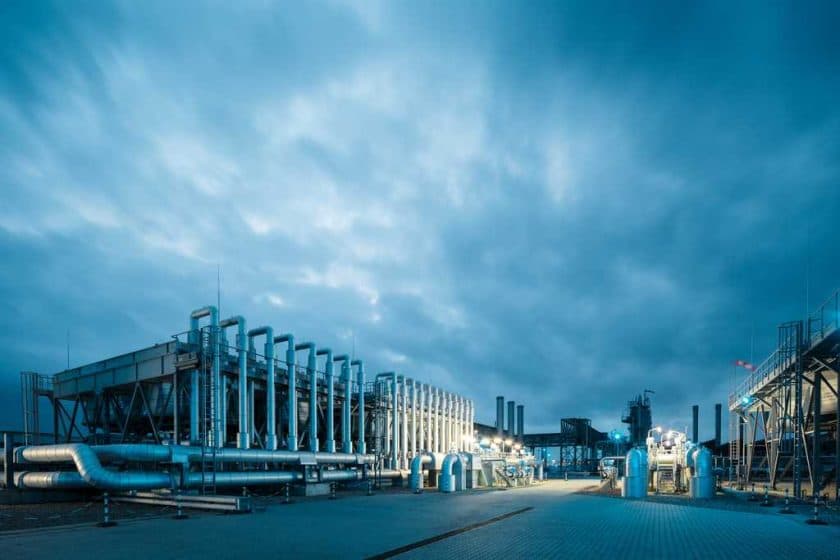
Continuing geopolitical tensions and conditions in energy markets are once again raising questions over the security of gas supplies in Europe during the coming winter. Low, or even negative, spreads between prices for next winter and current gas prices provide insufficient incentive to begin filling European gas storage facilities. They are currently less than 30% full.
Gas Infrastructure Europe (GIE) warned last week that unless Europe begins filling its storage facilities at a faster pace during April, it risks limited ability to withdraw gas from storage and lower security reserves next winter. This would be particularly critical towards the end of winter should cold spells or unexpected disruptions to natural gas supplies to the EU occur.
"As of 1 April 2026, EU gas storage facilities were around 28% full (approximately 314 TWh / 29 bcm), significantly lower than in the previous three years and roughly at pre-crisis levels. GIE therefore welcomes ENTSOG's recently published Summer Outlook 2026, which highlights the importance of securing sufficient LNG imports and the need to make full use of the gas injection period ahead of the coming winter," the association said.
The association stressed that sufficient volumes of liquefied natural gas (LNG) would need to be supplied to Europe to replenish natural gas stocks. It noted that LNG imports and withdrawals from gas storage complement one another and cannot be substituted for each other.
"LNG provides access to sufficient gas volumes and source diversification, while storage provides short-term flexibility, peak supply and protection against late-winter shocks. Weakening either of these pillars would directly reduce the resilience of the entire system," the association added, saying that ensuring storage facilities are 90% full at the start of the coming winter will require higher LNG imports than in previous years.