28 October 2026, 15:10
Loading...
Top 10 Czech energy stories from the past week
oEnergetice.cz
17 March 2024, 14:22
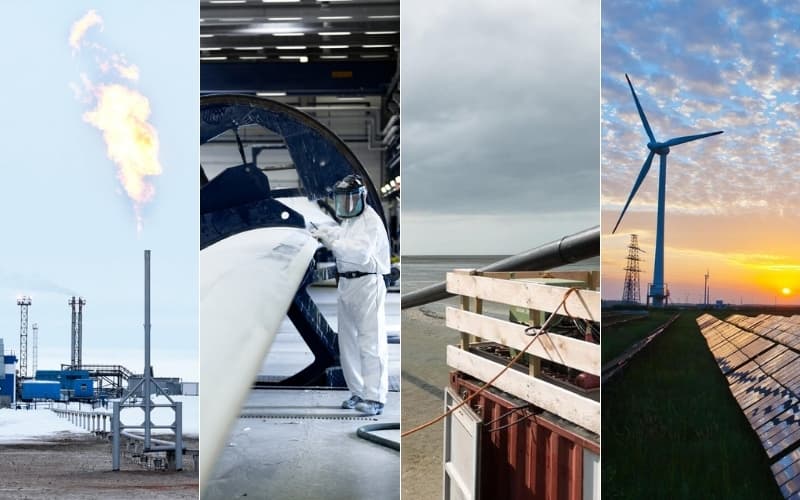
1. Climate policy under fire: People in Germany, France and Poland oppose ban on combustion engines
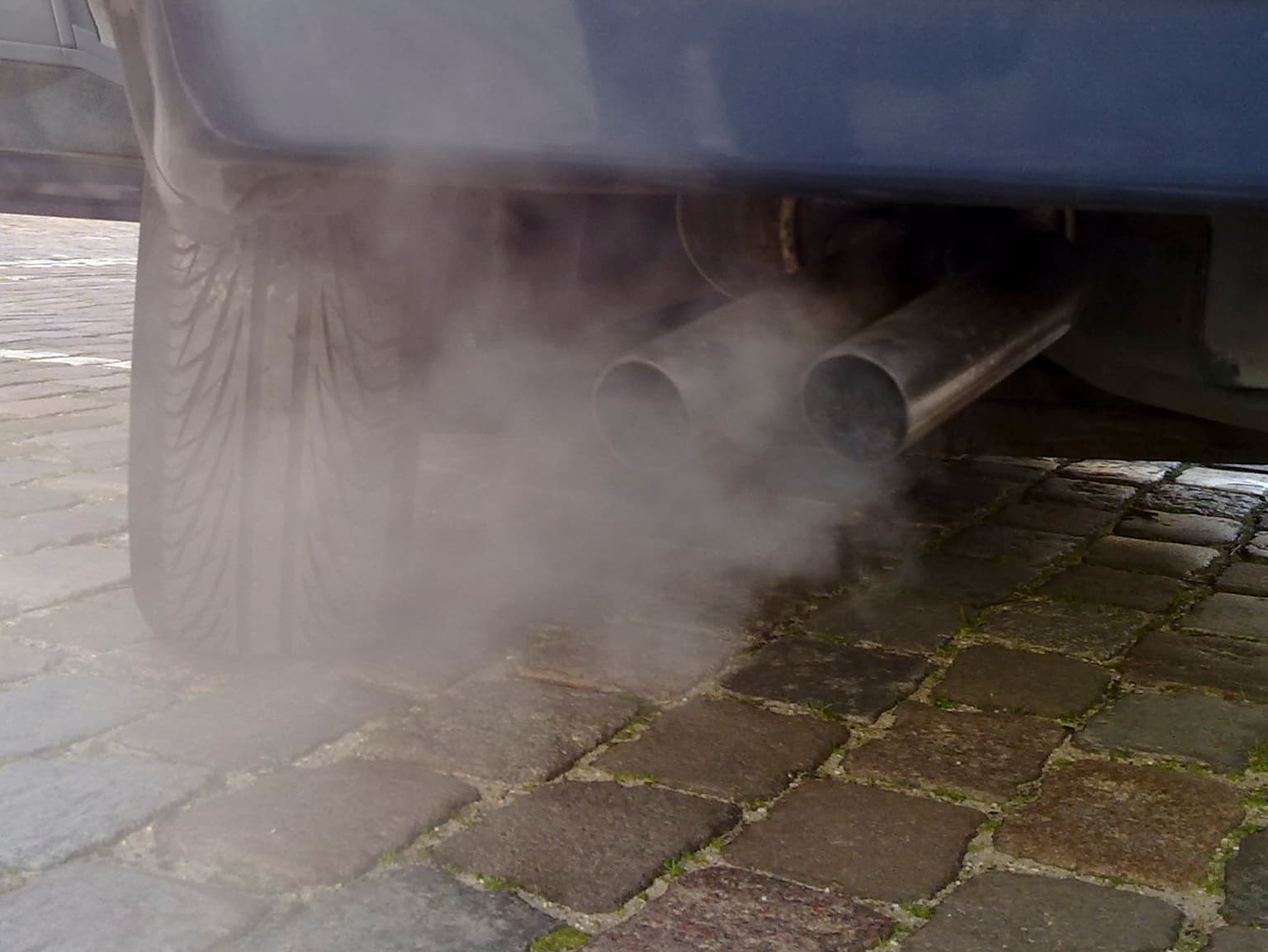
A survey conducted in Germany, France and Poland found that the ban on the sale of new cars with combustion engines from 2035 is considered the least popular climate measure. Euractiv.com reports. Interestingly, this measure was also the least popular among voters for centre-left parties.
In 2023, EU countries and the European Parliament effectively banned the sale of new petrol and diesel cars from 2035 by reducing permitted exhaust emissions to zero. An exception applies only to cars powered exclusively by climate-neutral fuels, the implementation of which has yet to be finalised.
2. Poland’s new government is changing the country’s energy policy
Poland’s new government is paving the way to reduce the energy mix’s dependence on coal and is seeking to align energy policy with the EU’s climate goals. It is looking to do so through more intensive electrification and increased electricity generation from renewables, particularly wind power, as well as nuclear energy, Euractiv reports.
After eight years in power, the far-right Law and Justice party (PiS) lost to the centrist opposition in 2023. The new government, which aims to move the country towards greater sustainability, faces considerable challenges.
3. ČEPS seeks exemption to procure balancing services, aiming to cut grid operating costs
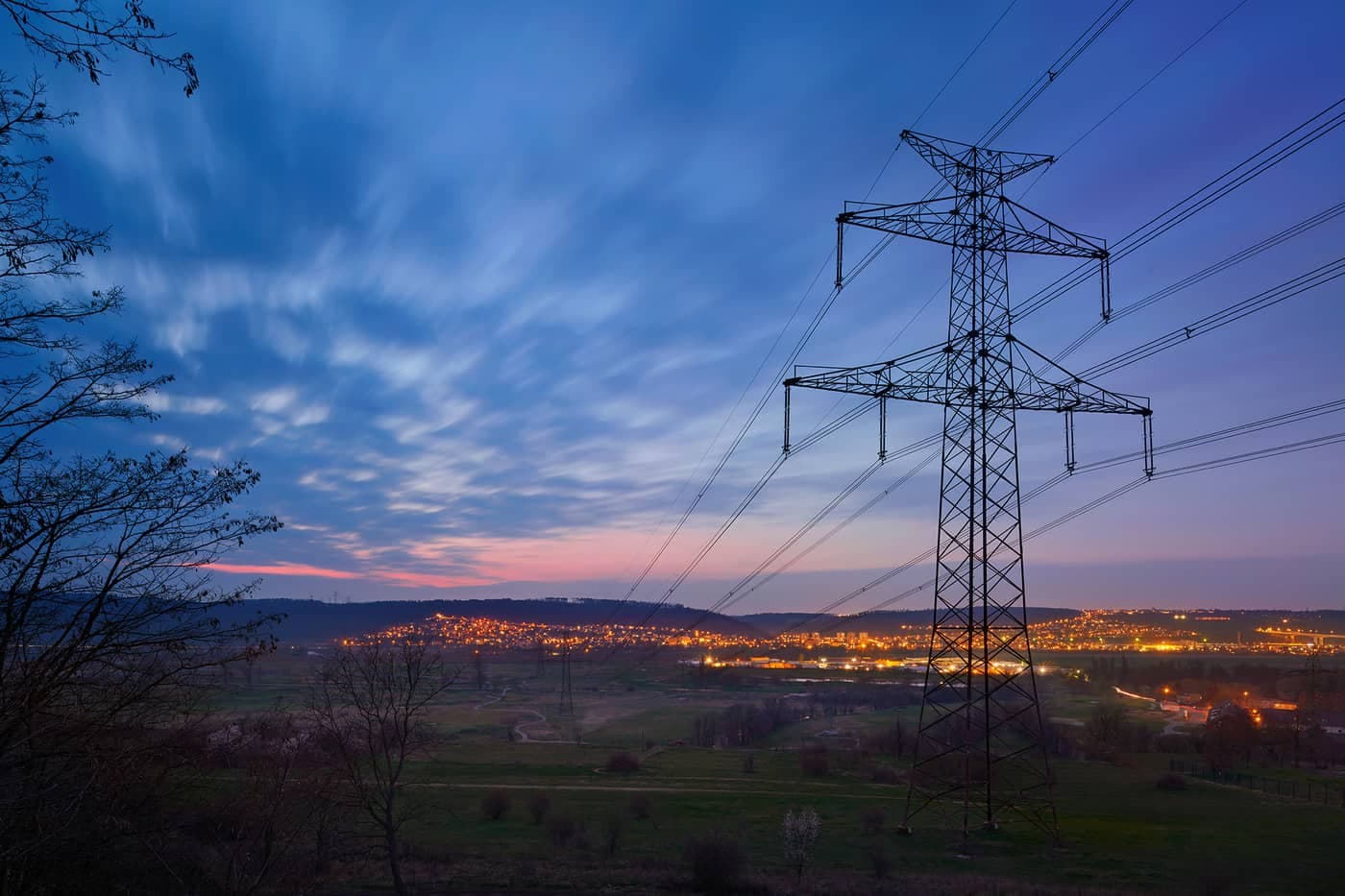
The Energy Regulatory Office has published on its website an application by ČEPS, a.s., for an exemption from the obligation to procure all balancing reserves on the day-ahead market, as required under the current wording of the regulation on the internal electricity market. ČEPS has requested the exemption due to current electricity market conditions, which do not provide sufficient incentives for balancing service providers to participate, and uncertainty over the future operation of coal-fired power plants. The aim is also to reduce transmission system operating costs.
ČEPS, the operator of the Czech Republic’s transmission system, this week applied for an exemption from the requirement to procure balancing services exclusively on the day-ahead market. The 2019 EU regulation on the internal electricity market does impose this requirement, but an exemption may be granted under certain conditions, allowing balancing services to be procured through longer-term contracts (with a maximum term of one year).
4. Turkey continues talks on new nuclear power plants
Turkey has been pursuing the development of nuclear energy intensively in recent years. Energy Minister Alparslan Bayraktar announced that the country plans to start operating the first unit of the Akkuyu plant by the end of this year. Talks are also under way with Russia, China and South Korea on building two more nuclear power plants.
Despite complications arising from international sanctions imposed on Russia over its military aggression against Ukraine, Turkey expects the Akkuyu nuclear power plant to start generating electricity in 2024. The plan still envisages completing all four units by 2028. The Akkuyu nuclear power plant is expected to cover 10% of Turkey’s electricity consumption and contribute to the government’s target of having 20 GWe of installed nuclear capacity by 2050.
5. Battery metals under pressure: Goldman Sachs forecasts further price falls
According to US bank Goldman Sachs, a recovery in battery material prices is not yet in sight. Higher inventories and slower growth in electric vehicle sales could keep prices lower for longer. Analysts say prices of key metals could fall by 12 to 25% over the next year.
Goldman Sachs’ forecast focuses on metals such as copper, nickel, cobalt and lithium. Among other things, the bank warned traders against misreading current upward price trends. Lithium and nickel prices rebounded over the past week. Analysts said, however, that this was simply the result of traders covering their short positions.
6. WindEurope: EU on track to reach 400 GW of wind capacity by 2030 thanks to faster permitting
The EU’s 2030 wind power target is within reach, primarily thanks to improvements in permitting and a recovery in investment. Obstacles remain, however, particularly in grid development. Industry association WindEurope said in its annual outlook.
Faster permitting and a recovery in investment in wind power are bringing the EU closer to meeting its 2030 target: generating 35% of the bloc’s electricity consumption from wind power.
7. Ember: European power grids are not ready for renewable energy expansion
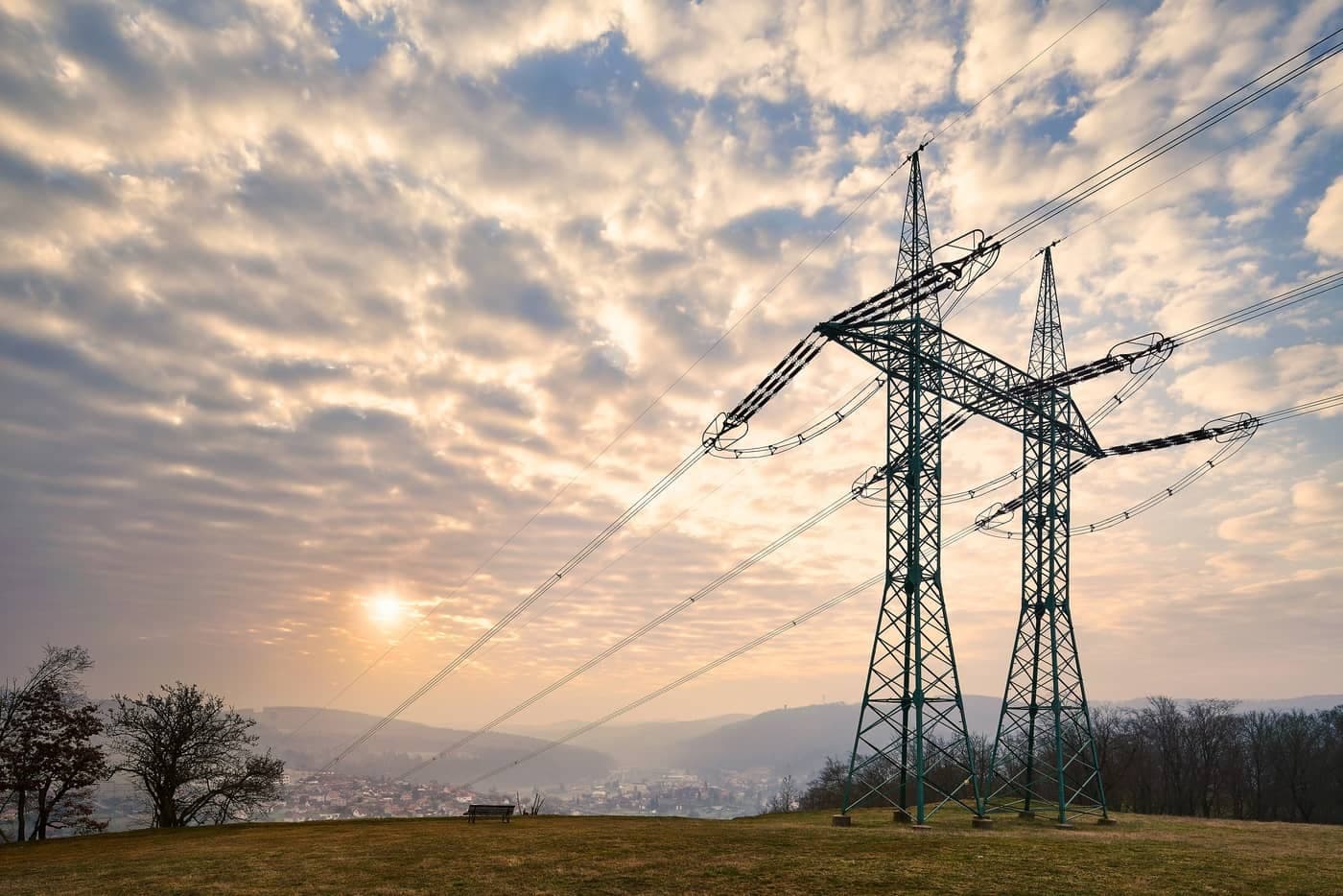
EU countries systematically underestimate in their development plans how quickly renewable energy sources will be connected to electricity grids. Planned investment in power systems is therefore insufficient given the scale of development needed. New research has also found that the gap between necessary and planned investment is larger than previously thought.
Europe has a grid problem. While new solar panels and wind turbines are being added rapidly across the EU, investment in long-distance high-voltage transmission lines and lower-voltage distribution networks is lagging behind. A 2023 report estimated that the gap between required and actual investment would reach 583 billion euros by 2030, but new research shared exclusively with Euractiv suggests it could be even larger.
8. Solar panels and storage will save Moser glassworks up to 70% of its electricity
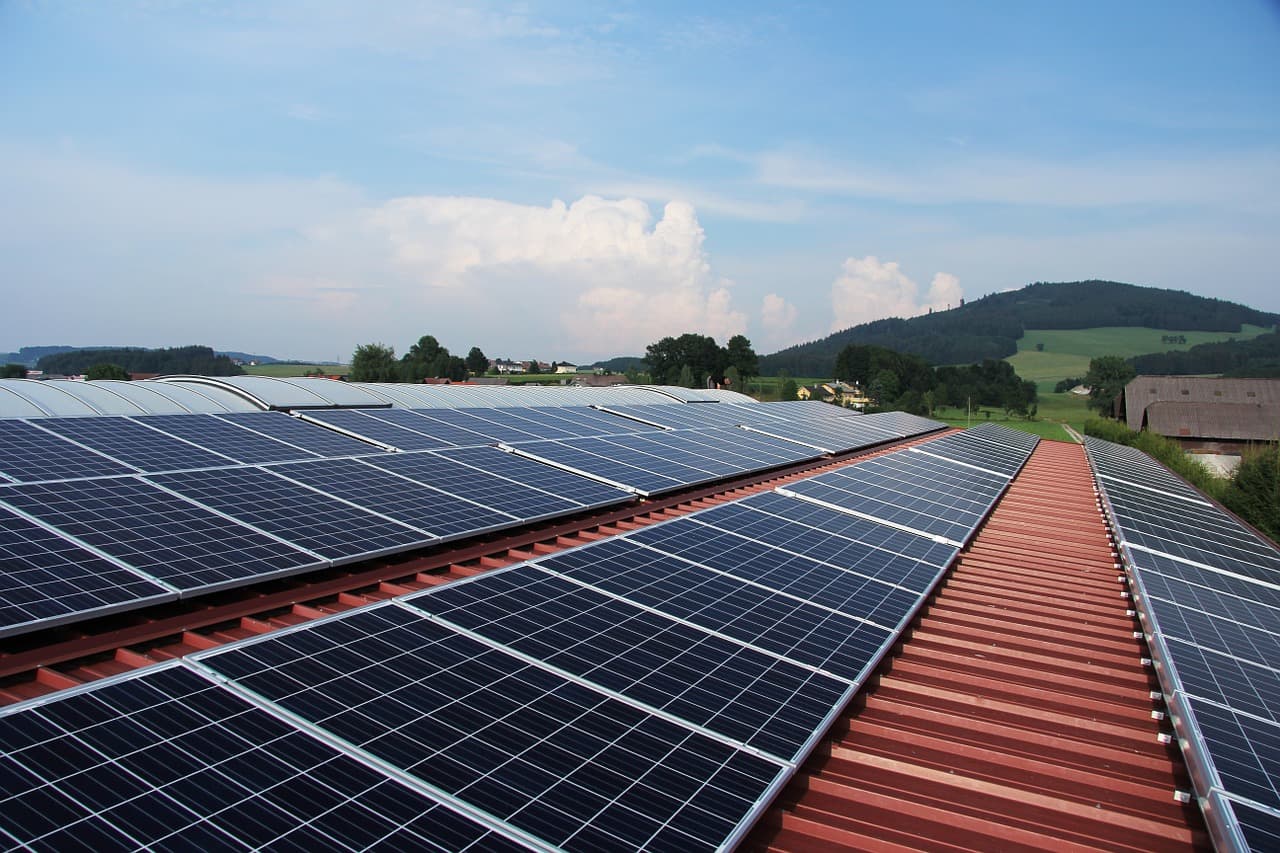
Moser glassworks in Karlovy Vary has invested in more than 1,000 rooftop photovoltaic panels, complemented by two battery storage units. The solar power plant is expected to cover 60 to 70% of the company’s electricity consumption. The world-famous company will thus become far more self-sufficient and less exposed to market fluctuations in energy prices, Moser CEO Pavel Mencl told the Czech News Agency (ČTK) today. The solar system and batteries were supplied by ČEZ ESCO, which used batteries originally intended for the automotive industry in the storage system, ČEZ said in a press release. The glassworks has now started using the panel and storage system.
“We approached the investment from the perspective of self-sufficiency, because we saw those incredible price swings in recent years. The other consideration was our responsibility to the environment: we burn a lot of gas, so we also wanted to be more responsible towards nature. These 1,000 solar panels should cover up to 70% of our electricity consumption,” Mencl said.
9. European Parliament approves plan to improve buildings’ energy efficiency
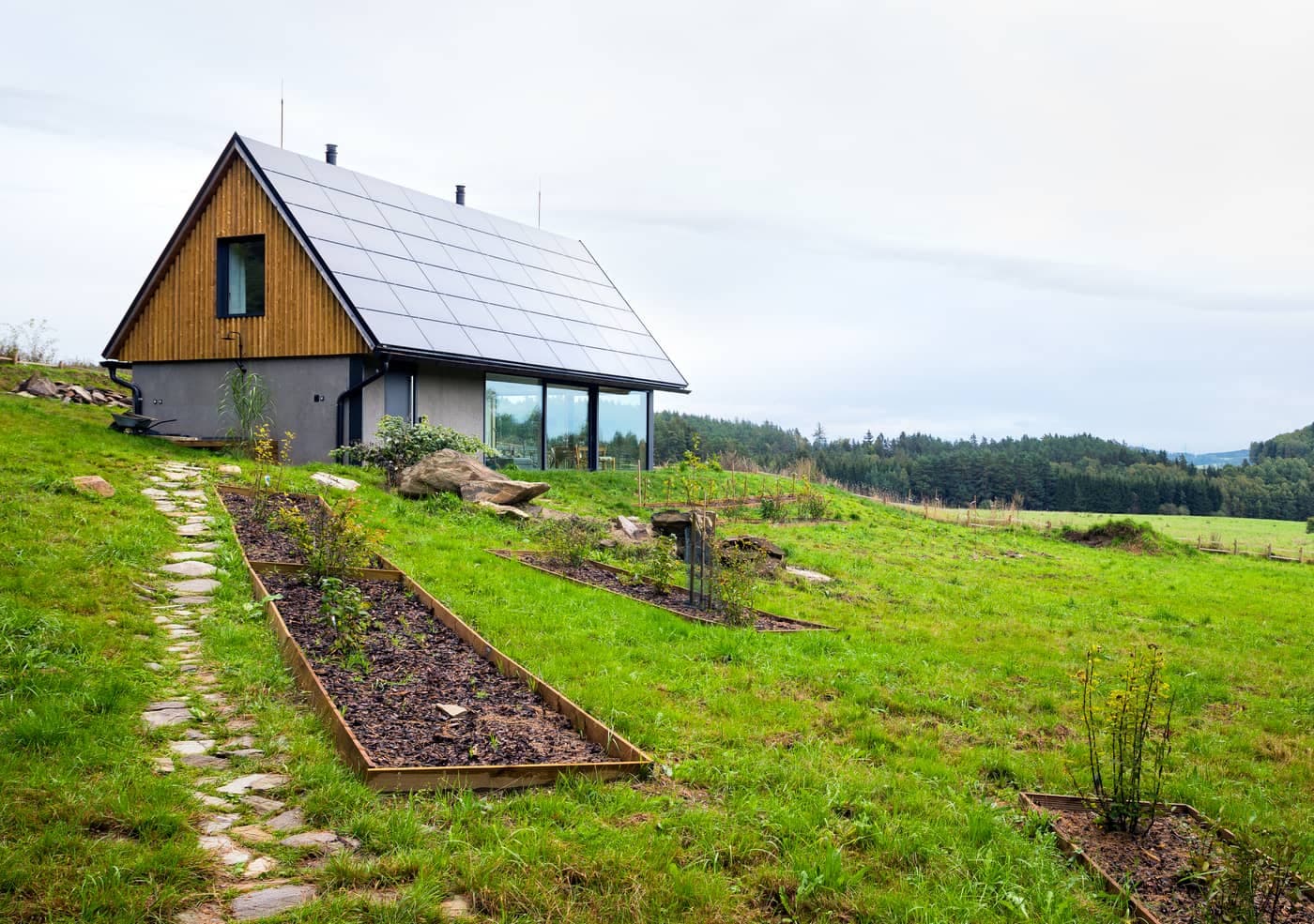
Strasbourg, 12 March (ČTK special correspondent) – The European Parliament today adopted a plan to improve the energy efficiency of buildings. It requires new buildings to have zero emissions from 2030, and public buildings from 2028. Under the plan, fossil fuel boilers should be phased out completely by 2040, while subsidies for them will be banned from 2025. Financial incentives will remain available for hybrid heating systems that combine a boiler with, for example, a heat pump, according to a European Parliament press release.
According to the European Commission, buildings currently consume two-fifths of the energy used in the European Union and produce 36% of greenhouse gas emissions. The aim of the revised directive is to achieve full climate neutrality by 2050.
10. Britain wants to build new gas-fired power plants
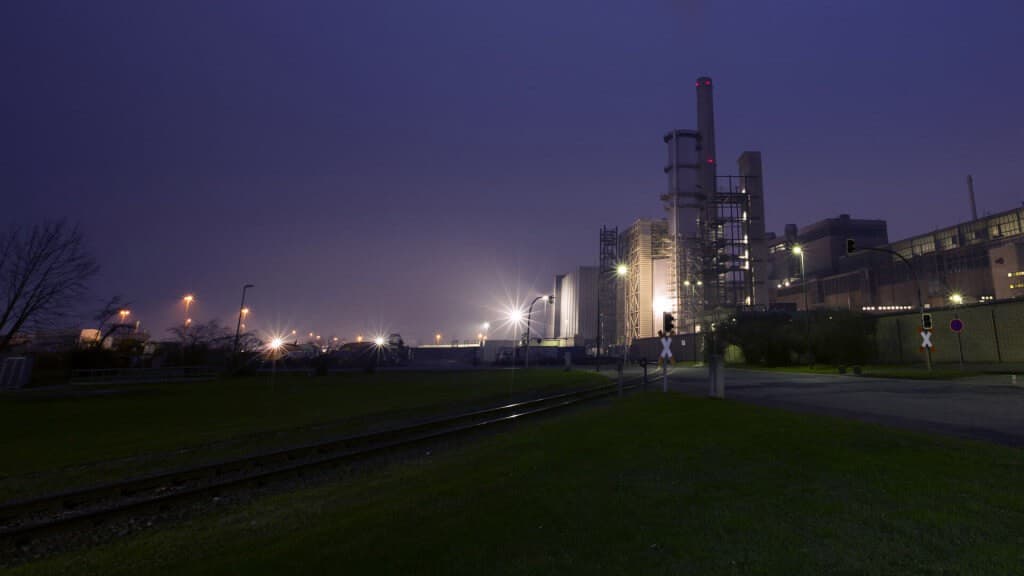
Britain wants to build new gas-fired power plants to ensure electricity supplies in the future. British Prime Minister Rishi Sunak said this in an article published today in The Telegraph. Critics say the move will jeopardise the UK’s commitment to achieve climate neutrality by 2050.
“It is the insurance policy the UK needs to protect its energy security as we transition to net zero,” Sunak said.
Energostat: electricity generation in Czechia
Energostat: electricity generation in Germany
Translation disclaimer
This article is a machine translation of the Czech original and has not yet been fully reviewed. In case of any doubt, please refer to the Czech version.
Sdílejte článek prostřednictvím:
Topics:Energy Weekly
You might also like
28 October 2026, 13:08
28 October 2026, 11:10
28 October 2026, 09:08