
1 November 2026, 21:20
Loading...
Top 10 Czech energy stories of the past week
oEnergetice.cz
11 February 2024, 19:39

1. Russia shuts down second unit at Kursk nuclear power plant after 45 years of operation
Russia has shut down the second RBMK-1000 unit at the Kursk nuclear power plant. The unit, with an installed capacity of 925 MW, has generated more than 250 TWh of electricity since 1979. Two new VVER-TOI units are now under construction as part of the second phase of the Kursk plant and will gradually replace the units being decommissioned.
Russian energy company Rosenergoatom announced that it permanently shut down the second unit at the Kursk nuclear power plant at 4:01 local time on 31 January 2024. The RBMK-1000 unit, with an installed net capacity of 925 MW, had been in operation since 1979. The plant's original design life was 30 years, with a further 15 years of operation made possible by extensive technical upgrades.
2. EU deal: nuclear energy designated as strategic for cutting emissions
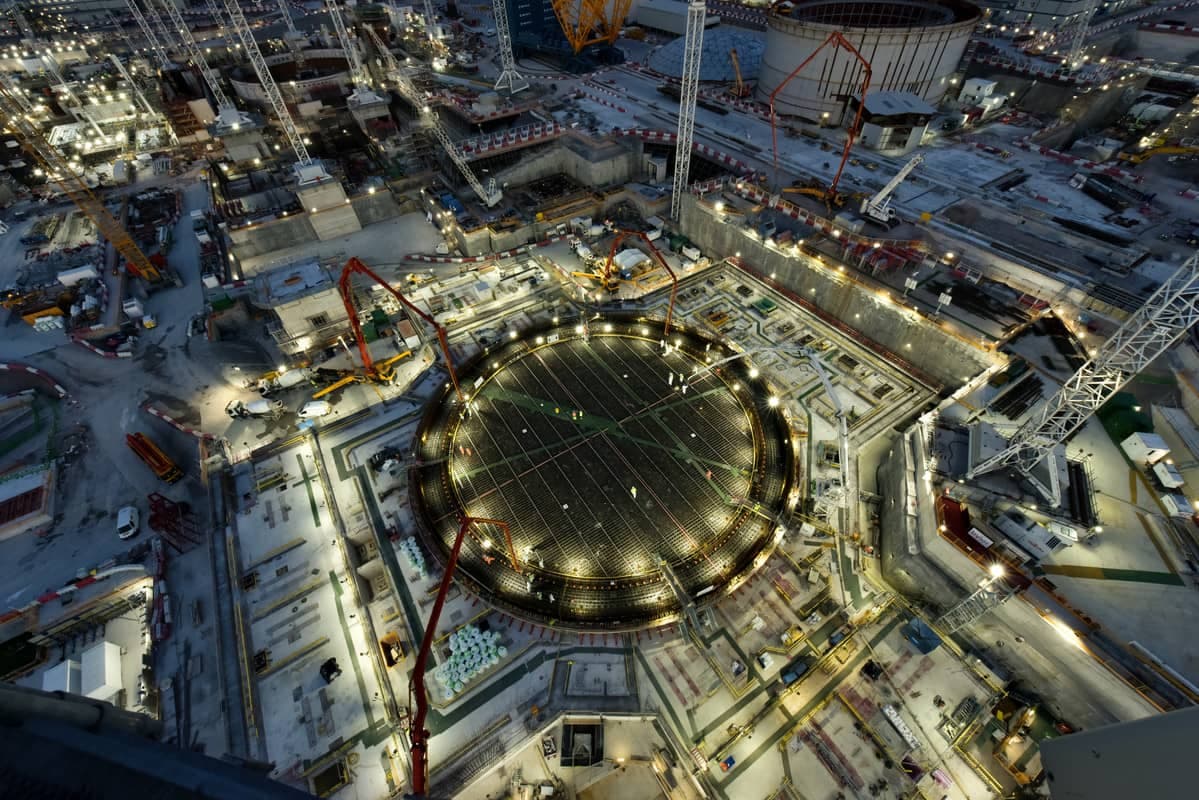
After months of intense negotiations in Brussels on the proposed Net-Zero Industry Act (NZIA), the EU Council and the European Parliament agreed on 6 February to designate nuclear energy as a strategic technology for decarbonising the EU, the Euractiv website reports. The NZIA, presented by the European Commission in March 2023, aims to accelerate the deployment of technologies that can help the EU achieve its goal of bringing greenhouse gas emissions to net zero by 2050.
The proposed Net-Zero Industry Act (NZIA) is a response to the massive US green subsidy programme, the Inflation Reduction Act, as well as China's long-standing efforts to become a global leader in manufacturing clean technologies such as batteries, heat pumps and solar panels.
3. Five companies express interest in expanding the Kozloduy nuclear power plant
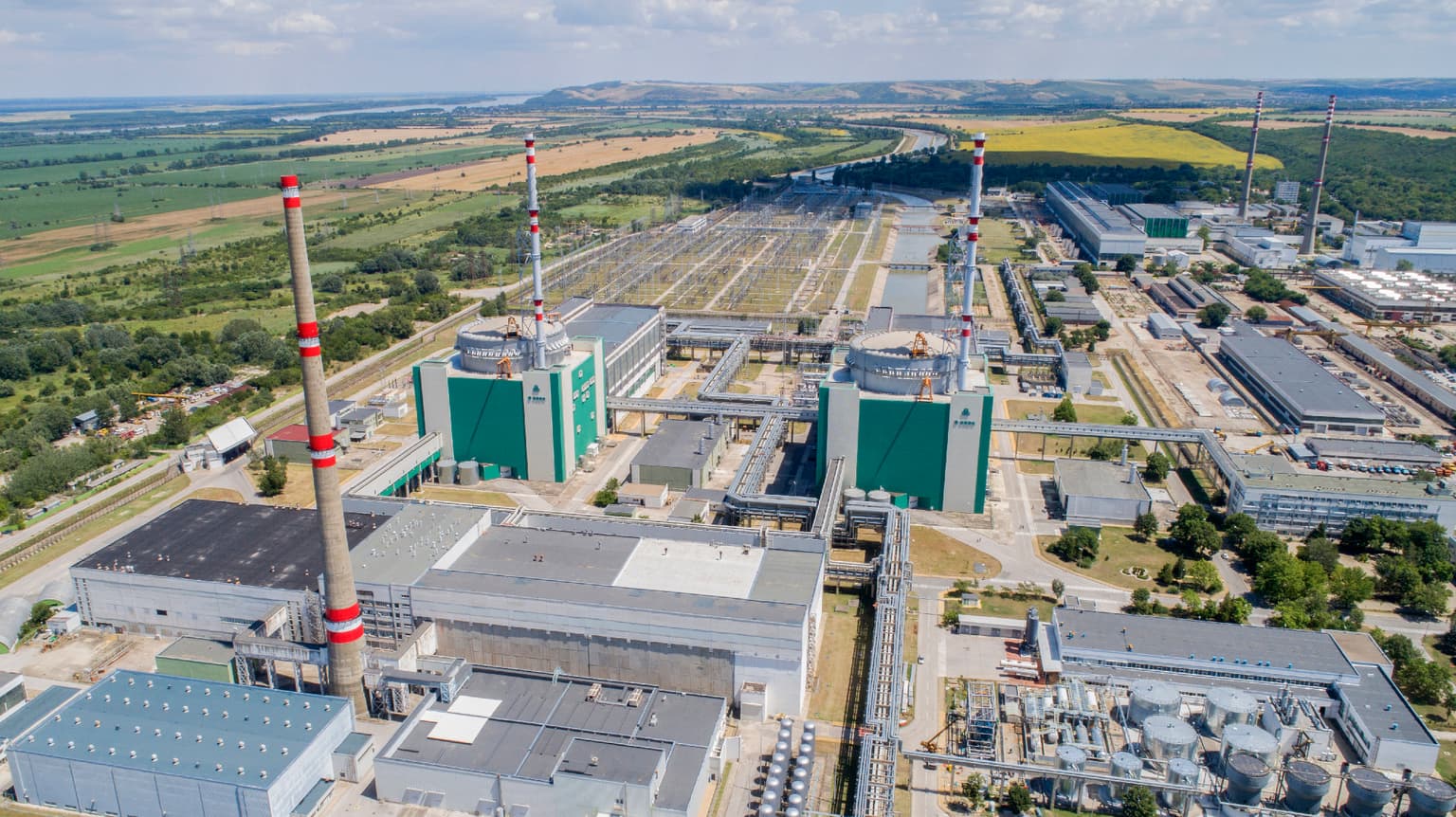
A new chapter in Bulgaria's nuclear energy sector is beginning, with plans to build two reactor units at the Kozloduy nuclear power plant. Five companies have expressed interest in the ambitious project, pointing to strong competition in the region. The initiative comes as Bulgaria seeks ways to diversify its energy sources and strengthen its energy security.
The ongoing process of selecting a contractor for the project places strong emphasis on bidders' qualifications and experience. The criteria include not only technical experience with nuclear projects, but also financial stability and experience with key technologies. Interested companies must demonstrate that they have successfully commissioned at least two new nuclear units in the past 15 years and that their revenue and profit in 2018-2022 were at least USD 6 billion (approximately CZK 140 billion). One notable aspect is the exclusion of candidates from the Russian Federation, reflecting the geopolitical and security considerations behind the tender.
4. Germany to tender for 10 GW of gas-fired power plants and introduce a capacity market
Germany plans to launch a tender for the construction of up to 10 GW of gas-fired power plants, which are expected to switch to hydrogen later on. The country also plans to introduce a capacity market from 2028. This is set out in the government's new power plant strategy, whose key elements were agreed by German Chancellor Olaf Scholz, Economy Minister Robert Habeck and Finance Minister Christian Lindner.
The new strategy, approved after several months of debate, scales back the plans set out in a coalition consultation document last summer, which called for tenders for 15 GW of gas-fired power plants and 8.8 GW of hydrogen-fired power plants. The measures are intended to enable Germany to phase out coal-fired power plants by 2030 rather than 2038, a key objective of the 2021 coalition agreement.
5. European PPA market sets records, with contract numbers up 66%; Czech market is just taking shape
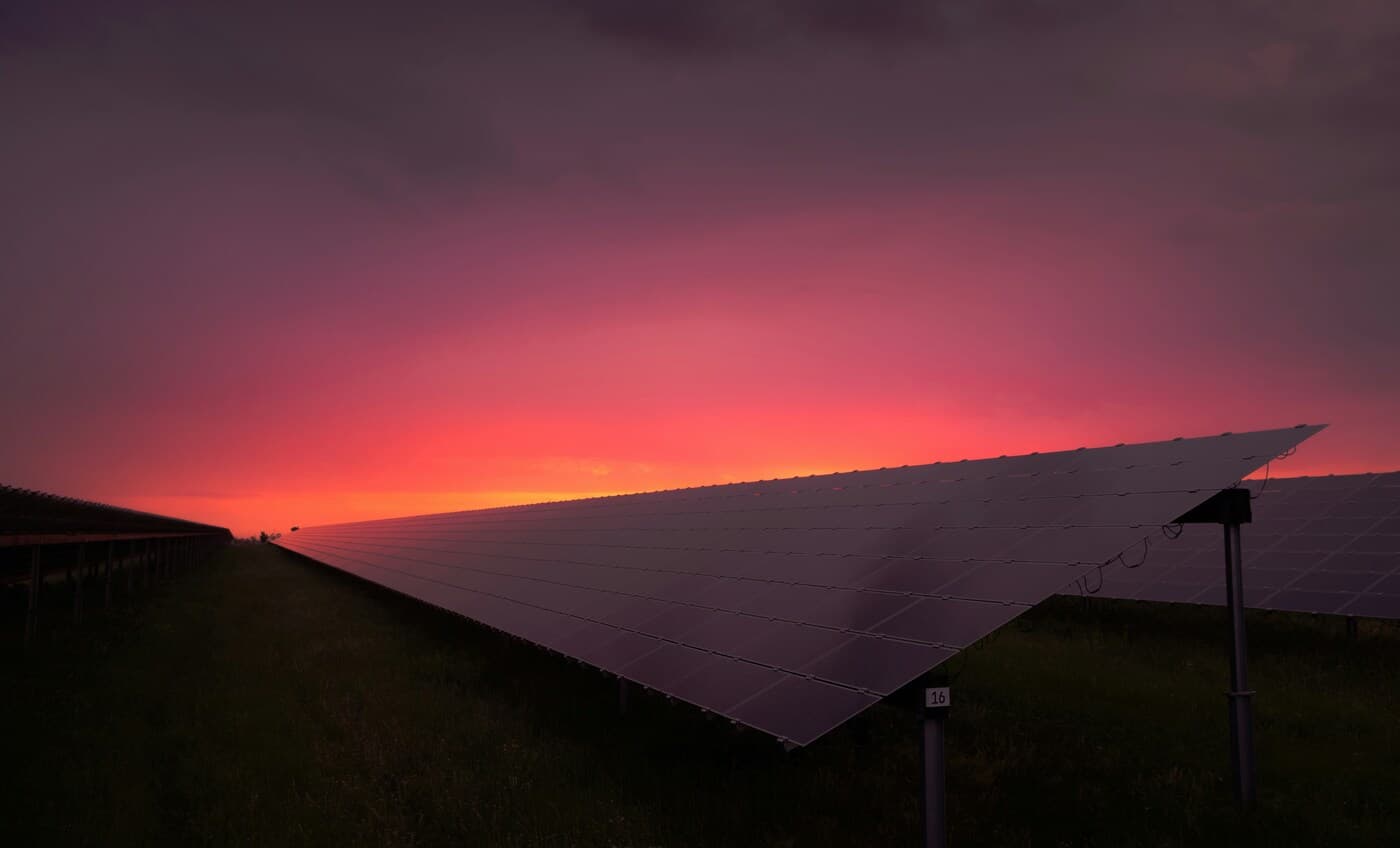
Last year, the European market for long-term power purchase agreements (PPAs) grew by 40% in terms of installed capacity (to a total of 16.2 GW) and by 66% in terms of the number of contracts signed (to a total of 272). The average electricity sales price for the year settled at EUR 58/MWh, while by the end of last year it was already around EUR 50/MWh. The PPA market in the Czech Republic is still in its infancy, but could soon begin to develop.
The European market reached post-crisis records both in the number of PPAs signed and in the volume of capacity contracted, according to a reportby PexaPark. PPAs have grown in popularity due to interest in securing stable electricity supply prices, as fixed-price PPAs protect buyers from fluctuations in market electricity prices; interest in electricity prices below market rates; and, last but not least, buyers' efforts to meet corporate ESG targets.
6. Sweden ends investigation into possible sabotage of Nord Stream gas pipelines
Swedish prosecutors announced today that they had decided to end their investigation into possible sabotage of the Nord Stream gas pipelines. According to the prosecutors, Sweden has no jurisdiction to deal with the matter.
In September 2022, unexplained explosions damaged Nord Stream 1 and Nord Stream 2, pipelines through which Russia was sending and planning to send gas to Germany and the rest of Europe. The incidents occurred in Swedish and Danish waters.
7. Nuclear waste repository expected to cost over 100 billion; four sites shortlisted
Key facts about spent nuclear fuel repositories in the Czech Republic (the Chamber of Deputies today approved the nuclear waste repository law, which the Senate returned to it in December, in its original wording):
8. EU increased its dependence on fossil fuels again in 2022

The European Union's dependence on fossil fuels rose for the second consecutive year in 2022. While 2021 saw only a slight increase of 0.1 percentage points (pp), the share of fossil fuels in gross available energy rose by 1 pp in 2022. This is according to data published by Eurostat.
The share of fossil fuels in gross available energy rose to 70.9% in 2022, returning to roughly its pre-pandemic level. Nevertheless, the indicator has fallen by 11.5 pp since 1990, when it was first tracked. According to Eurostat, the main reason is the growing use of energy from renewable sources.
9. Kazatomprom will not increase uranium output this year; next year's outlook is also uncertain
Kazatomprom, Kazakhstan's state-controlled uranium miner, said in early February that it plans to produce at 80% of its permitted maximum this year. The company had previously expected to raise production to 90% of its quota this year, but problematic sulphuric acid supplies could put even its plan to reach 100% next year at risk. Kazatomprom is currently the world's largest uranium producer, accounting for about half of Kazakhstan's production and a fifth of the global market.
Kazatomprom said in early February that it mined more than 21 thousand tonnes of uranium last year, just under 80% of the permitted maximum under its subsoil use contracts. This figure includes all production from the mines, some of which the company shares with other producers. Overall, Kazatomprom accounts for about half of the total, based on its stakes in various joint ventures. For this year, the company expects production of 21 to 22.5 thousand tonnes, according to S&P Global.
10. Bavarian regional politicians concerned about planned Temelín expansion
Bavarian politicians in districts bordering the Czech Republic are concerned about the Czech government's plans to expand the Temelín nuclear power plant. They have concerns about construction quality. Regional politicians in Austria have also voiced opposition to plans to build up to four new units at the Temelín and Dukovany nuclear power plants.
“Germany has abandoned the use of good nuclear power plants, while in Czechia there are concerns that new ones might be built to poor standards,” the Bavarian public broadcaster's website quotes Bernd Sibler, head of the Deggendorf district near the Czech border.
Energostat: electricity generation in the Czech Republic
Energostat: electricity generation in Germany
Translation disclaimer
This article is a machine translation of the Czech original and has not yet been fully reviewed. In case of any doubt, please refer to the Czech version.
Sdílejte článek prostřednictvím:
Topics:Energy Weekly
You might also like

1 November 2026, 16:09
1 November 2026, 07:59

31 October 2026, 12:55

31 October 2026, 08:21