
28 October 2026, 09:08
Loading...
Top 10 Czech energy stories of the past week
oEnergetice.cz
21 April 2024, 16:34
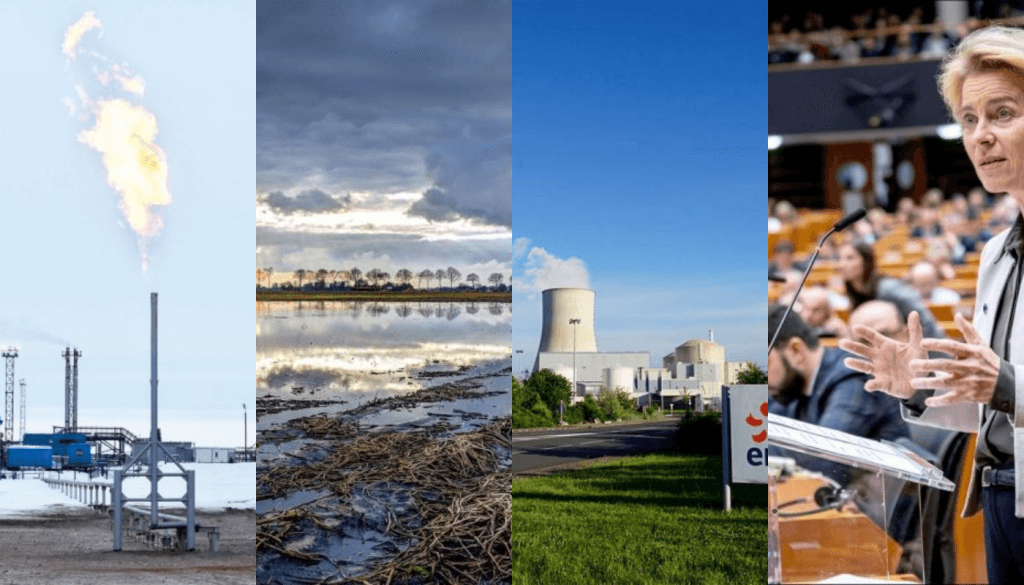
1. China reaches major milestones at new Hualong One nuclear unit
China’s new Fangchenggang 4 nuclear unit has reached two major milestones. It first achieved criticality in early April, and technicians subsequently connected it to the grid. During the upcoming tests, the first MWh of electricity it generates will already be delivered to consumers. CGN began construction of its second Hualong One unit in 2016. The unit will enter commercial operation after completing the remaining operational tests.
China General Nuclear (CGN) announced that its second Hualong One unit at the Fangchenggang nuclear power plant had successfully achieved criticality. A nuclear reactor is said to be critical when its fission reaction is stable and is neither speeding up nor slowing down. CGN began building the two Hualong One demonstration units in late 2015 and late 2016.
2. Production at the EU’s largest gas field is finally ending; Exxon and Shell sue the Netherlands for compensation

The Dutch Senate has approved a long-awaited law ending gas production at the European Union’s largest field. The Groningen field will thus cease production after decades during which annual output exceeded 70 billion cubic metres of natural gas in some years. The law will ensure that production cannot resume. ExxonMobil and Shell, which operate the field jointly, have sued the Dutch state and are seeking compensation for lost profits.
Even the fading energy crisis, during which wholesale natural gas prices soared to a record high of more than EUR 300/MWh, did not change the fate of the European Union’s largest natural gas field. The Dutch Senate approved a law this week that will effectively ban further production from the Groningen field.
3. Large battery storage facility to be built at former coal-fired power plant site
Decommissioned conventional power plant sites can continue to serve new energy projects, particularly thanks to their existing grid connection infrastructure. In addition to renewable or gas-fired generation, these sites can also offer opportunities for battery storage. That is expected to be the case at a former coal-fired power plant in Chile, where France’s Engie plans to build a battery storage facility. Among other things, it is expected to help make use of renewable energy that would otherwise be curtailed—a volume that is rising sharply in the north of the country.
The former Tocopilla coal-fired power plant in northern Chile is set to become home to a new battery storage facility. It is planned to have a power output of 116 MW and a capacity of 660 MWh, equivalent to just under six hours of operation at full power. The project is expected to comprise 240 lithium-ion battery containers, according to Argus, with construction scheduled to start in June. Besides offering suitable land, the former power plant site also has infrastructure in the form of a connection to the transmission grid.
4. China led the world in new coal power capacity additions last year
While the rest of the world is reluctant to build new coal-fired power plants, China’s coal sector grew by around 48 GW of new installed capacity last year. China started building twenty times more new capacity last year than the rest of the world combined, a Global Energy Monitor report says. China is thus following its 30/60 decarbonisation plan, under which it aims to peak emissions by 2030 and achieve carbon neutrality by 2060.
Coal remains an exceptionally important energy source for China, which is one reason it receives substantial government support. In concrete terms, coal accounted for more than half of all electricity supplied last year. There are several reasons for this, but the main point is clear: generating energy from coal pays off for China. Put simply, the cost of electricity generation in China remains positive even when the cost of emissions allowances under the emissions trading system (ETS) is taken into account.
5. Slatinice plans pumped-storage plant that could also help prevent flooding

The spa town of Slatinice in the Olomouc region wants to build a pumped-storage hydropower plant on Malý Kosíř hill. The town plans to store electricity generated by solar panels on the roofs of the local school, sports club changing rooms and Sokol hall by pumping water into an upper reservoir. The pumped-storage plant, with a turbine output of 2.5 megawatts, would then supply local households, businesses and municipal infrastructure when electricity demand is high. Slatinice Mayor Ondřej Mikmek (KDU-ČSL) told the Czech News Agency today.
The town council has already drawn up a project which, according to its calculations, will require an investment of 150 million koruna. A grant is expected to cover part of the costs; according to Mikmek, the project cannot proceed without one. The plan involves building upper and lower reservoirs, each with a capacity of 28,000 cubic metres. Water would be pumped into the upper reservoir when local solar power plants are generating electricity and the system has a surplus. The town also wants to use cheaper electricity at night. It plans to fill both reservoirs with water from a stream and local sources. “Only water lost through evaporation would need to be replenished,” Mikmek noted.
6. Just a few dozen companies are responsible for 80% of global emissions since 2016
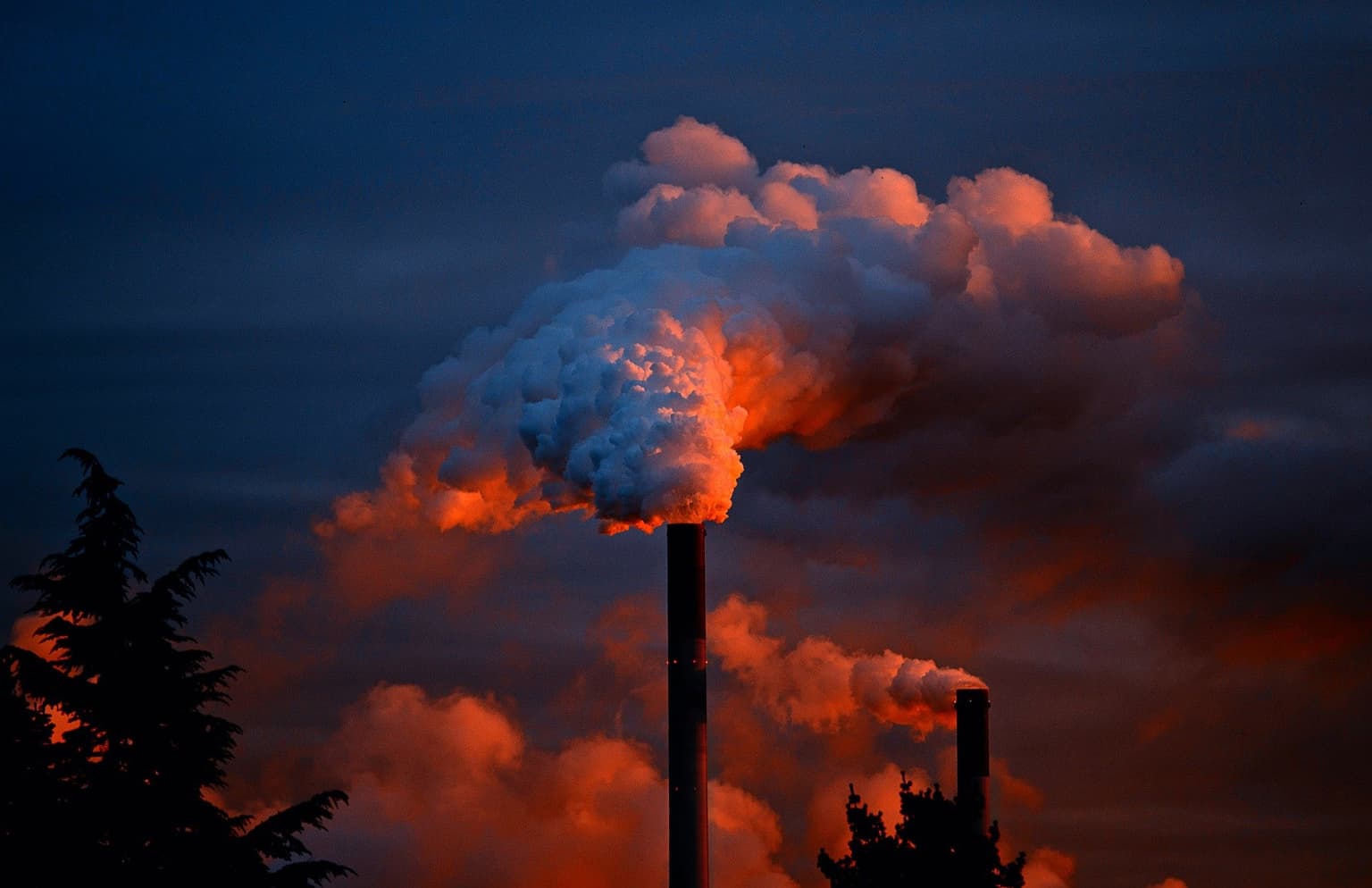
Recent findings highlight the substantial contribution to rising carbon dioxide emissions made by just a handful of entities. According to the Carbon Majors database and its researchers, more than 70% of historical global CO₂ emissions can be attributed to just 78 corporate and state entities. Since 2016, when the Paris climate agreement was concluded, 57 entities operating in the oil, gas, coal and cement industries have been directly responsible for a full 80% of global fossil CO₂ emissions.
This worrying trend persists despite international commitments to cut greenhouse gas emissions. In fact, most major emitters increased their CO₂ emissions in the seven years following the Paris Agreement compared with the previous seven years.
7. Sizewell C nuclear project moves forward with contracts worth billions of euros signed
Framatome has announced the signing of contracts worth several billion euros with Sizewell C Ltd. The contracts cover the supply of key equipment for two reactor units, from the design phase through to commissioning.
In addition, a long-term contract has been signed to supply fuel and maintain the units during the plant’s operation. Framatome, 80.5% owned by EDF and 19.5% by Mitsubishi Heavy Industries, will be responsible for supplying the primary circuit systems, safety systems and plant instrumentation and control systems.
Law set to introduce rules for electricity storage, backed by the Chamber of Deputies
The Energy Act is likely to include rules for electricity storage and for the aggregation of electricity generation and consumption. The Chamber of Deputies today gave initial approval to a government amendment that would enable storage and aggregation. According to the Ministry of Industry and Trade, the amendment should, among other things, improve the management of power balancing in the grid. It would allow consumers, for example, to adjust their consumption in response to current energy prices. The amendment would also provide customers with an independent electricity price comparison tool. The government is also proposing to reduce the number of members of the Energy Regulatory Office (ERÚ) Council from five to three.
Industry and Trade Minister Jozef Síkela (STAN) said the bill is largely a transposition of the 2019 European directive on common rules for the internal electricity market. He noted that increasing the storage capacity of power systems is a global trend linked to the development of renewable energy sources. Rapporteur Ivan Adamec (ODS) said that, apart from one million koruna to build the price comparison tool, the amendment would have no impact on the state budget.
9. Von der Leyen reportedly did not discuss probe into Chinese EV prices with industry
European Commission President Ursula von der Leyen is facing criticism from the head of Germany’s automotive industry over the investigation into the prices of Chinese electric vehicles. The criticism reportedly stems from a lack of coordination with leading industry representatives, which could prompt retaliatory measures from China. The news was reported by Euractiv.
Andreas Rade, managing director of the German Association of the Automotive Industry (VDA), recently said the decision to launch an anti-subsidy investigation into Chinese electric vehicles had not been adequately discussed with a wider group of representatives from the most relevant sectors. Rade added that what we saw around six months ago was more of a solo effort by von der Leyen.
10. Household interest in solar power continues, with grant applications almost doubling
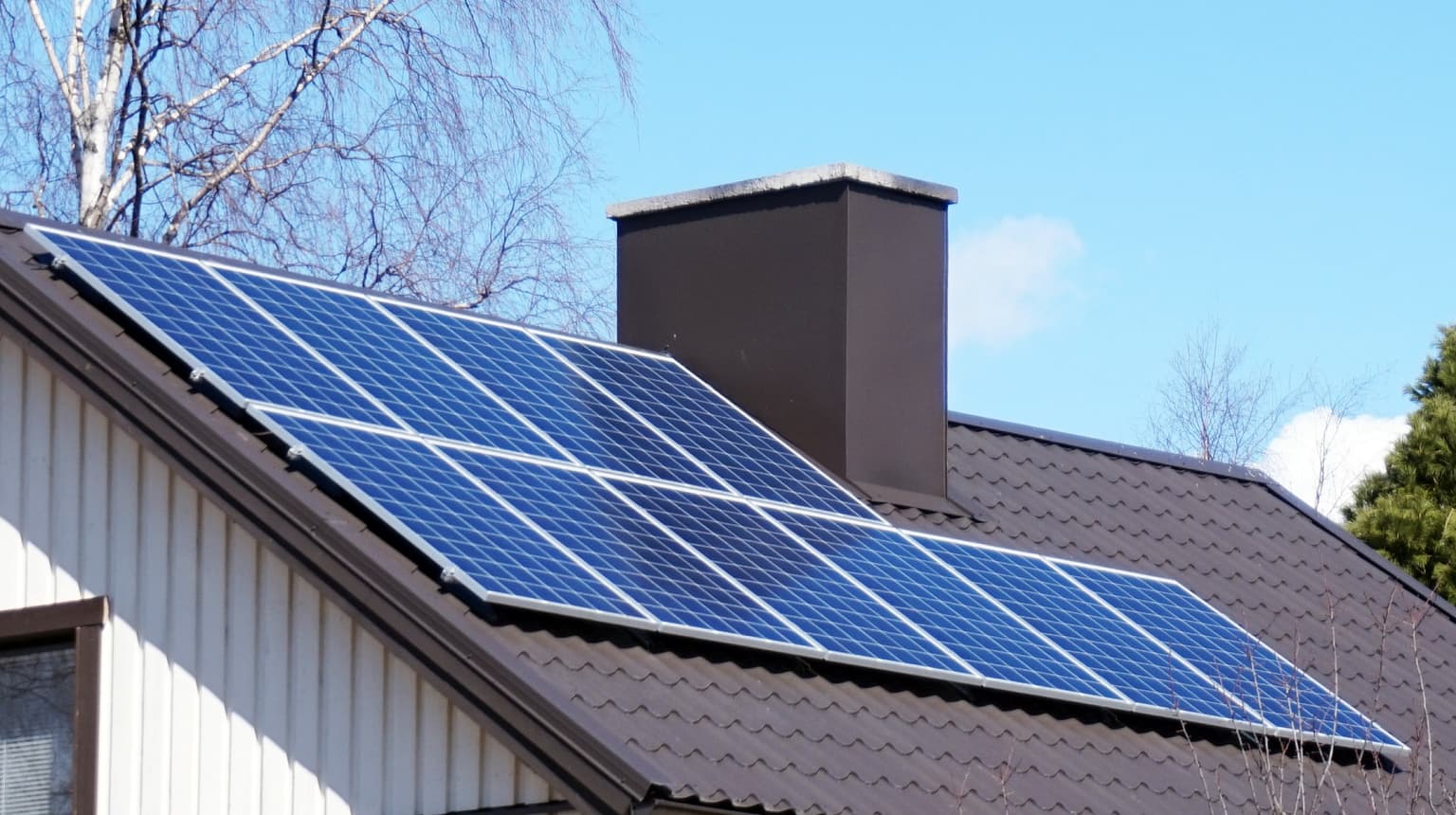
Interest in renewable energy sources in Czechia continues to grow, as reflected in the number of grant applications. Applications for solar power grants nearly doubled year on year in the first three months of this year, while applications for heat pumps also rose by tens of percent. Nearly 47,000 applications have been submitted so far. The figures come from the Chamber of Renewable Energy Sources, which provided them to the Czech News Agency.
By far the greatest demand at government offices is for grants to install solar power plants. Applicants submitted 41,089 applications in the first quarter, almost twice as many as in the same period last year. Owners of single-family homes continue to submit the most applications, but interest among apartment building owners has also nearly tripled, with 398 applications submitted.
Feature
Czechia’s first solar car parks are taking shape. They cost more than solar power plants, but interest is growing
In France and Germany, the law requires part of a car park to be covered with solar panels. In Czechia, solar car parks, or carports, are being planned at an airport, hotels and warehouses. “We have several of the first installations in the pipeline in Czechia,” says Aleš Damm, director of Czech company Greenbuddies Charging, which specialises in solar power plants integrated with car parks.
Solar panels are installed on canopies beneath which cars are parked. They therefore not only generate electricity but also protect cars from the weather. The largest solar installation covering a car park in Czechia belongs to ČEZ, at the Dukovany Nuclear Power Plant. In its first year of operation, it generated more energy than originally expected. The country’s second-largest solar car park is being built at Česká zbrojovka.
Geothermal district heating to replace coal-fired power plants in Czechia, says Minister Hladík

Environment Minister Petr Hladík (KDU-ČSL) has announced a new development in geothermal energy: as coal-fired power plants near the end of their lives, they will be replaced in Czechia by zero-emission technology for district heating, with heat drawn directly from the Earth—that is, geothermal energy.
Industry and Trade Minister Jozef Síkela wants to prepare legislation by mid-2025 to ensure a managed phase-out of coal in the energy sector by 2033. In neighbouring countries, replacing coal with geothermal energy is a well-established and proven approach. It is currently used most extensively in Germany and Poland.
Energostat: electricity generation in Czechia
Energostat: electricity generation in Germany
Translation disclaimer
This article is a machine translation of the Czech original and has not yet been fully reviewed. In case of any doubt, please refer to the Czech version.
Sdílejte článek prostřednictvím:
Topics:Energy Weekly
You might also like

27 October 2026, 10:17
27 October 2026, 06:15