1 November 2026, 21:20
Loading...
Top 10 energy stories from last week
oEnergetice.cz
8 January 2024, 17:13

1. Gas prices fell back to around EUR 30/MWh, with Ukraine playing a major role
European gas storage facilities remain close to full, helping natural gas prices fall as low as EUR 30/MWh. Gas extraction from storage facilities in Ukraine has also been a positive factor; European traders shipped gas there at the end of last year’s injection season. “Ukraine is playing a key role in ensuring security of gas supplies in Central and Eastern Europe this winter,” Natasha Fielding of Argus Media told the FT.
Europe has so far avoided another energy crisis, and nothing suggests that the situation seen during the winter months of the past two years will recur this year. After briefly rising to EUR 50/MWh at the start of the winter season, gas prices have returned to around EUR 30/MWh. This is due in part to European gas storage facilities, which were still nearly 90% full at the start of January.
2. Gazprom: Russian pipeline gas exports to China will reach 38 bcm in 2025

According to Gazprom CEO Alexei Miller, Russian gas exports to China via the Power of Siberia pipeline will reach its originally planned capacity of 38 billion cubic metres per year as early as 2025. Miller said this in an interview with Russian President Vladimir Putin on 27 December.
“In 2025, we will meet our contractual obligations—the gas supply to China will amount to 38 billion m3,” Miller was quoted as saying in a Gazprom statement.
3. World's largest green hydrogen production project faces complications
The world’s largest green hydrogen production project is grappling with technical problems in its electrolyzers. This is resulting in lower-than-expected output, according to international news outlet Hydrogen Insight.
The Kuqa green hydrogen project, run by Chinese state-owned company Sinopec in the country’s northwest, uses an alkaline electrolyzer system with an installed capacity of 260 MW.
4. German regulator chief: The era of cheap energy is over
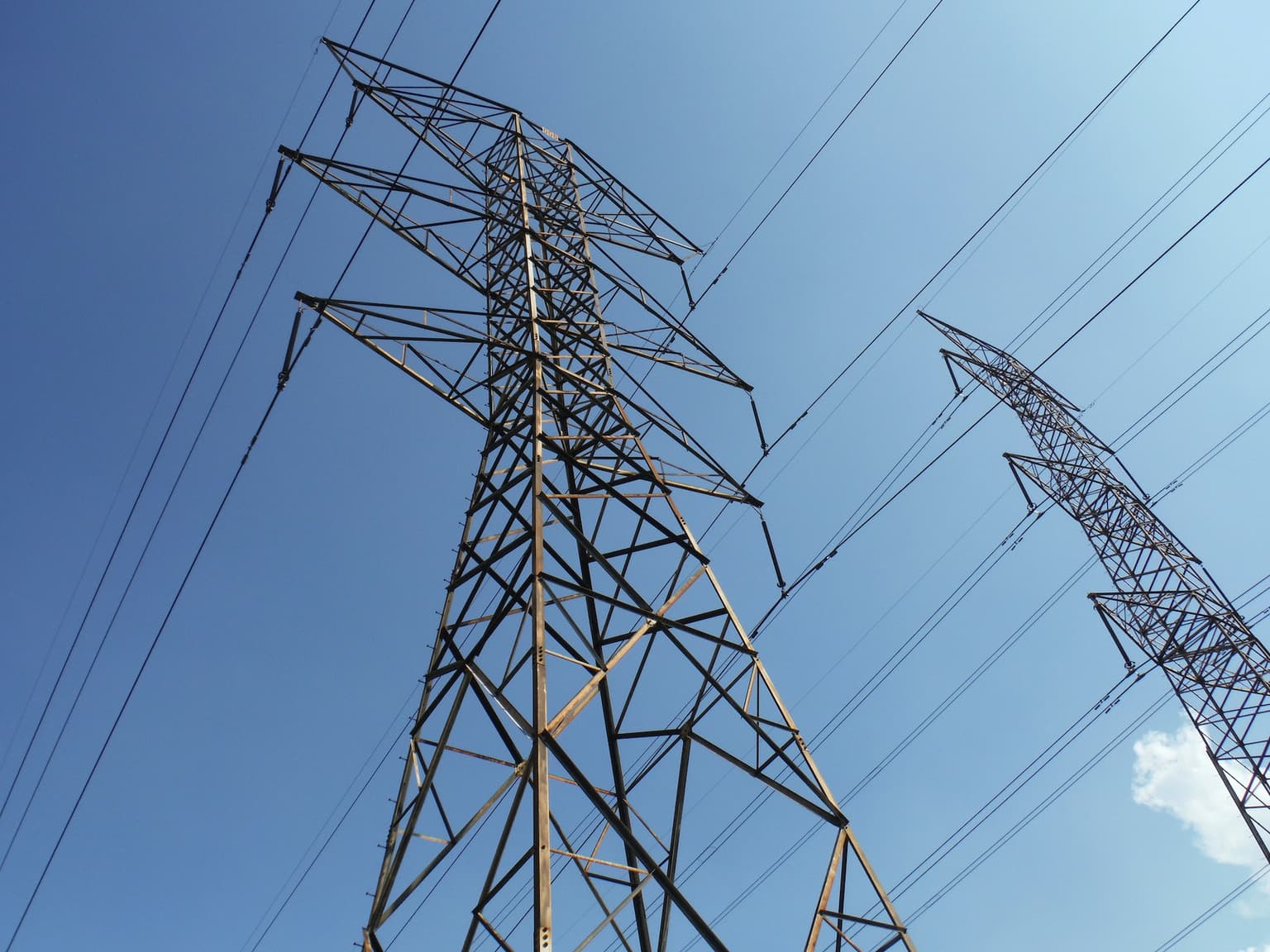
Although gas and electricity prices are significantly lower than they were in 2022, they remain higher than before. The president of Germany’s network regulator says they are unlikely to return to pre-crisis levels in the near future. Higher distribution charges will push up energy prices for German consumers, as they are doing in Czechia this year.
Wholesale natural gas and electricity prices fell significantly last year, but remain well above pre-crisis levels. In the case of electricity prices, the cost of emissions allowances also plays a role; it was still hitting new records early last year.
5. European wind power set new records in December, pushing electricity prices into negative territory
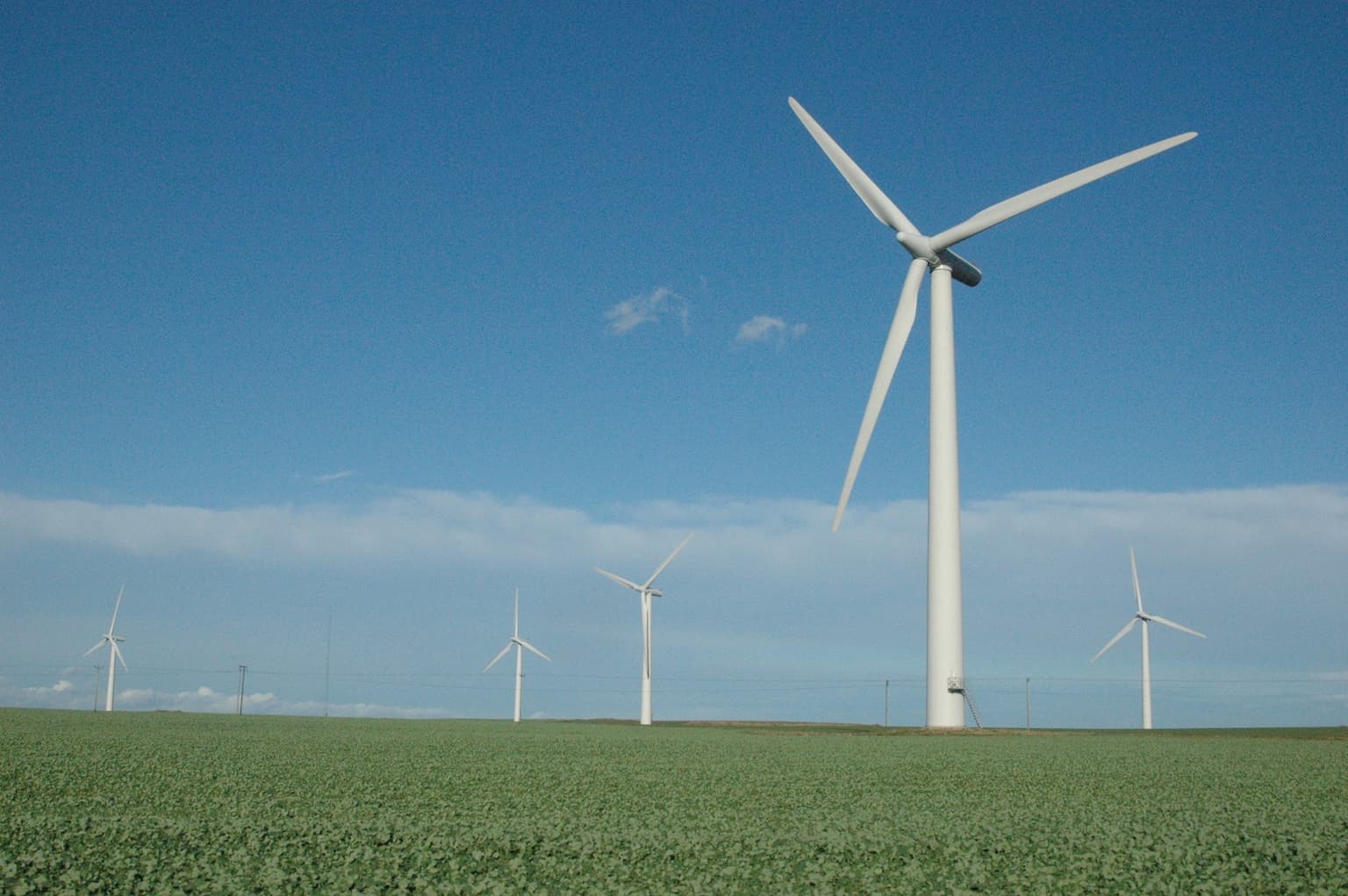
Last month, particularly its second half, saw strong output from wind farms. Windy weather and further growth in installed wind capacity made last December the strongest December on record for wind generation. Just before Christmas, European wind farms even set a new daily record, with December as a whole falling only slightly short of the record set in February 2022.
While wind generation was weak across most of Europe at the beginning of December, the situation reversed completely in the second half of the month. According to WindEurope, European wind farms generated 62.9 TWh of electricity in December, more than 40% above December 2022.
6. Electricity was free on wholesale markets over the holidays, thanks to wind and low demand

Whirring wind farms along the Baltic and North Sea coasts, combined with low electricity demand, drove wholesale electricity prices down to zero over the holidays and sometimes even below zero.
On Christmas Eve, the wholesale price of electricity in Germany fell to -3.37 euros per megawatt-hour. The following day, it hovered around zero in Europe’s largest market. It stayed there until 7 a.m. on the first working day, 27 December, according to data from Epex Spot, part of the EEX energy exchange.
7. Analysis: Germany's backup gas-fired power plants will need EUR 60bn in support
Securing the construction of backup gas-fired power plants in Germany will require additional revenues of EUR 60bn beyond those available on the wholesale electricity market, according to an analysis by the Institute of Energy Economics at the University of Cologne (EWI). The international news outlet Clean Energy Wire reported this, citing German newspaper Handelsblatt.
The planned construction of up to 25 GW of backup gas-fired power plants, which Germany will need in the future to ensure security of electricity supply when solar and wind farms cannot provide enough generation, will require significant revenues beyond those available on the wholesale electricity market.
8. Germany increased renewables' share of electricity to 55 percent last year
Renewable sources accounted for 55 percent of Germany’s electricity generation last year, up from 48.42 percent the year before. The Federal Network Agency, the country’s regulator, announced this today. Germany has thus generated more than half of its electricity from renewables for the first time, and aims to source at least 80 percent of its electricity this way by 2030.
“The 50-percent threshold for electricity generated from renewable energy sources has been surpassed. For the first time, more than half of our electricity comes from renewables,” the Ministry of Economic Affairs said on X.
9. Renewables' share of EU energy consumption rose to 23%; target is 42.5% by 2030

Renewable energy sources accounted for 23% of gross final energy consumption in the European Union in 2022, an increase of 1.1 percentage points year on year. However, member states will have to significantly increase their use of renewables to meet the 2030 target.
While 2021 saw the first-ever year-on-year decline in renewables’ share of gross final energy consumption, the trend reversed in 2022 and the share began to rise again.
10. Net electricity generation in Czechia fell 10 pct year on year last year, its lowest since 2002

Net electricity generation in the Czech Republic fell 10 percent year on year last year, with domestic power plants producing a total of 72 terawatt-hours (TWh) of electricity. This was the lowest output since 2002. The main reason was lower economic activity in industry, which also led to a decline in consumption. This is according to an analysis by consultancy EGÚ Brno, provided to the Czech News Agency (ČTK). Electricity generation across the EU fell by 66 TWh last year.
“This is primarily the result of lower economic activity and stagnating economic performance in EU countries. It is not related to the introduction of technical energy-saving measures. Electricity consumption is falling despite the expected electrification of heating, transport and industry. Lower consumption is in turn indirectly reflected in a decline in coal-fired power generation,” said Matěj Hrubý, managing consultant at EGÚ Brno.
Energostat: electricity generation in Czechia
Energostat: electricity generation in Germany
Translation disclaimer
This article is a machine translation of the Czech original and has not yet been fully reviewed. In case of any doubt, please refer to the Czech version.
Sdílejte článek prostřednictvím:
Topics:Energy Weekly
You might also like

1 November 2026, 16:09
1 November 2026, 07:59

31 October 2026, 12:55
31 October 2026, 08:21