
1 November 2026, 21:20
Loading...
Top 10 energy stories from the past week
oEnergetice.cz
4 February 2024, 20:34
1. Households may help stabilize the grid as ČEPS successfully tests the idea

Czech households may be able to play an active role in maintaining the stability of the domestic electricity grid in return for payment as early as this year. State-owned transmission system operator ČEPS, working with energy company Delta Green, has successfully completed the first test in Czechia of involving households in balancing services. If the option becomes available, participating households could earn several thousand crowns a year, according to estimates. ČEPS told the Czech News Agency (ČTK) today.
The test took place at the end of last year. At ČEPS’s request, Delta Green tested a selected sample of its customers over three consecutive nights to see whether they could deliberately adjust electricity generation or consumption in their homes by increasing or reducing their electricity use or supply. The aim was to provide balancing services to the grid.
2. Challenges for German offshore wind: Curtailment and slow development
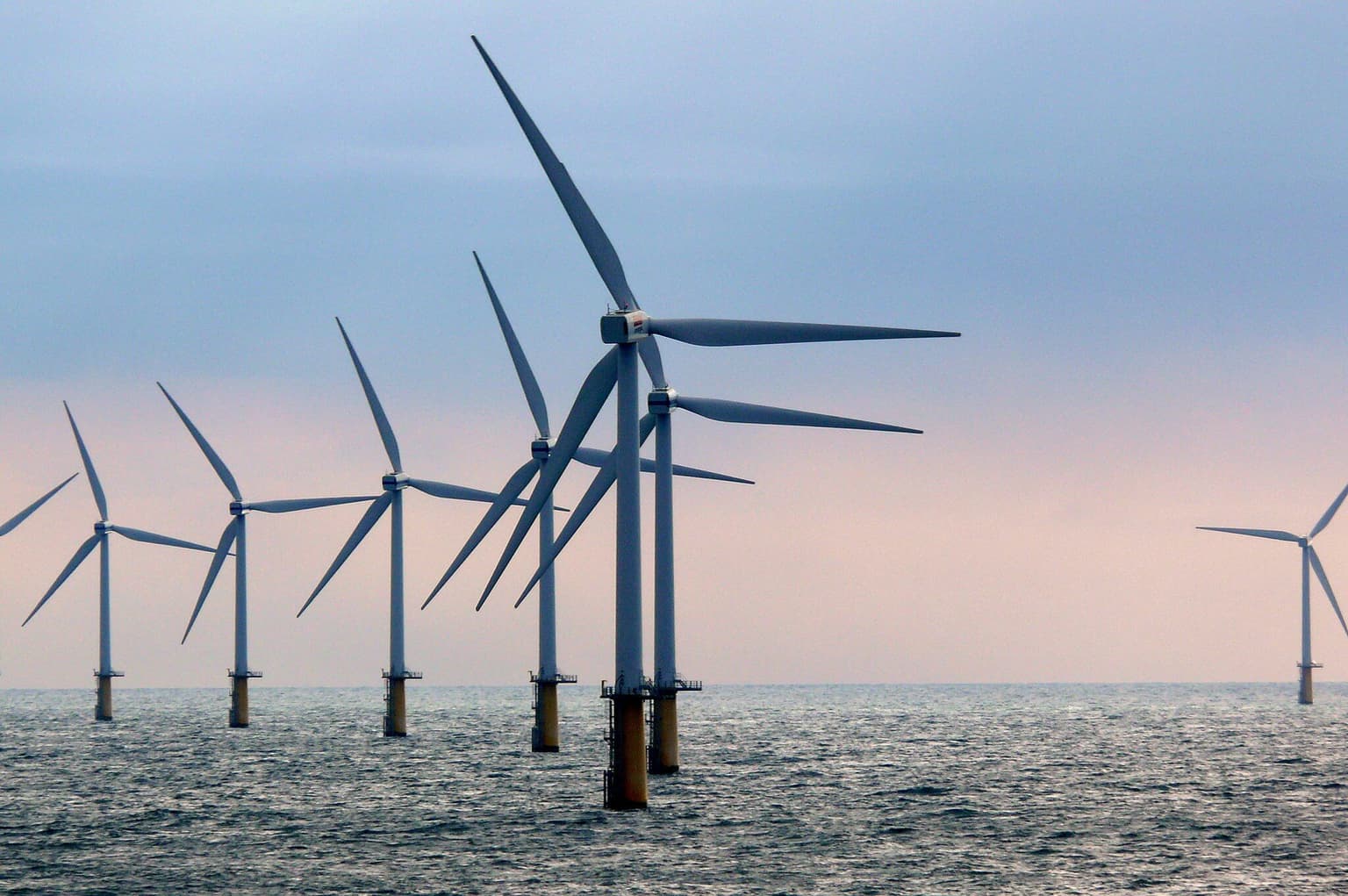
Although Germany had a record year for new renewable energy capacity installed last year, its offshore wind sector continues to lag far behind onshore wind and solar power. Alongside a shortage of new projects, existing operators are struggling with electricity curtailment caused by insufficient transmission capacity.
Offshore wind farms are expected to become one of the pillars of Germany’s power sector in the future, thanks to their relatively stable electricity generation. Germany currently has around 8.5 GW of offshore wind capacity installed. This is expected to reach 30 GW by 2030 and as much as 70 GW by 2045.
3. Nuclear fusion: Germany seeks to join the race to bring the first fusion power plant online
Research into generating energy through nuclear fusion is making significant progress, giving supporters of the technology reason for optimism. At the same time, it is also attracting investment in the sector. Germany is also increasingly seeking to join the race to develop a nuclear fusion power plant.
For decades, nuclear fusion was considered a technology of the future that would forever remain just that. Although fusion is the most abundant energy source in the universe, the challenges involved in harnessing the sun’s energy on Earth have so far proved insurmountable. While the theory is well understood, the practical task of fusing hydrogen atoms to release energy remains a technical puzzle.
4. German solar auction breaks records again as prices fall
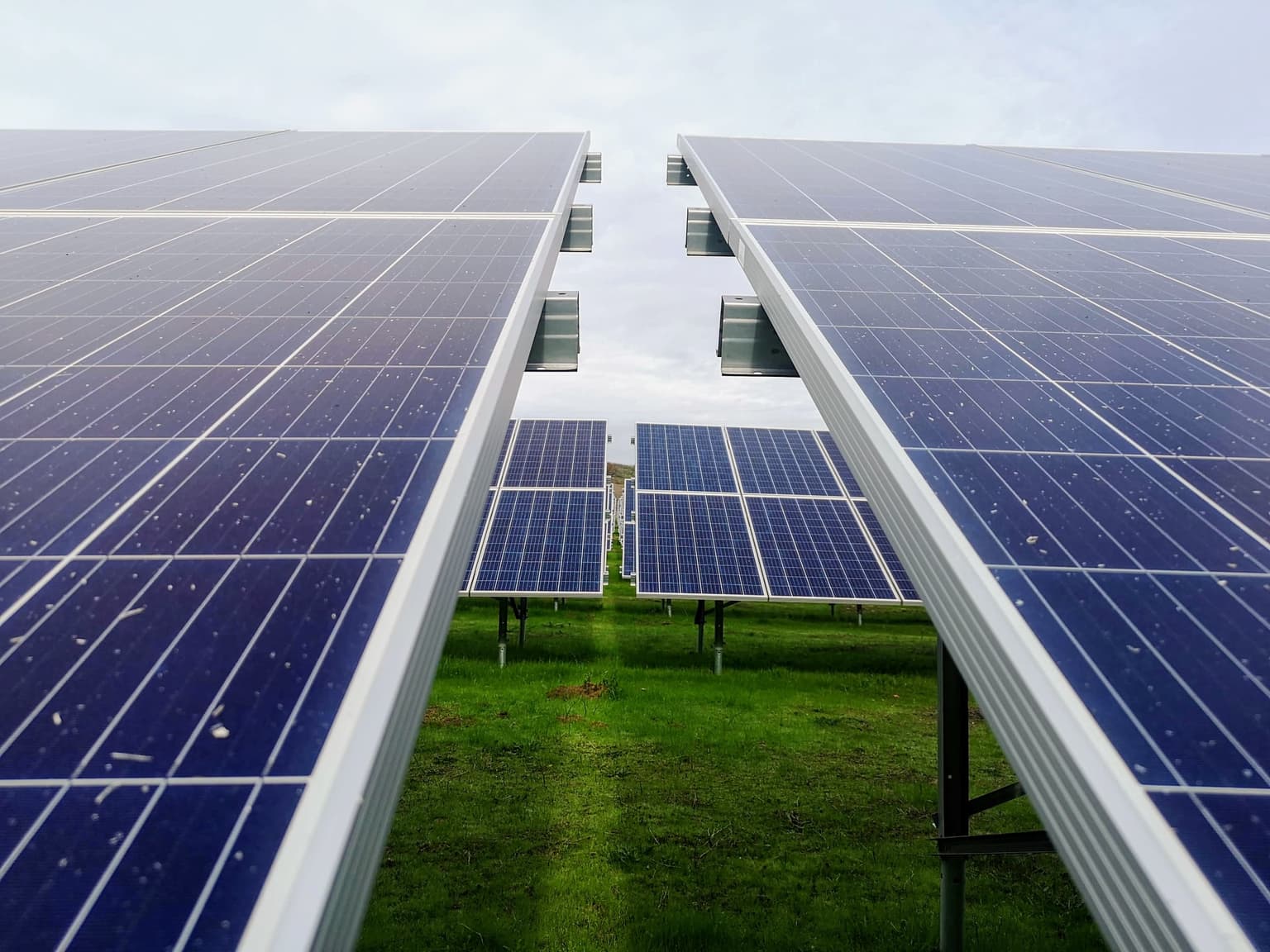
German auctions supporting the construction of solar power plants saw a sharp rise in interest last year. The final round of the year, held in December, attracted nearly a fifth more capacity than the previous record auction in July. Increased competition helped drive awarded prices down by an average of a fifth compared with the July round. Three more auction rounds for ground-mounted solar are expected this year, with a larger total volume on offer than last year.
Germany held three auction rounds last year to support the construction of ground-mounted solar power plants, the last of them in early December. While the first round of the year attracted relatively modest interest, the following rounds drew a record volume of bids.
5. ČEZ Group launches Czechia’s largest battery system in Ostrava-Vítkovice
ČEZ Group has launched the largest battery system in the Czech Republic in Ostrava-Vítkovice. The battery can store enough energy to cover the daily consumption of 1,300 households, while also helping stabilize the grid and ensure that electricity meets required parameters. The system cost more than 200 million crowns to build. ČEZ Group representatives told journalists today.
The facility comprises 1,360 battery modules and contains 90 tonnes of lithium. It has a capacity of ten megawatts and, thanks to a unique design without an internal corridor, has 20 percent more capacity than standard storage systems. The system operates in conjunction with the gas-fired power units at the modernized Energocentrum. It was built by ČEZ Energetické služby, part of the ČEZ ESCO holding. ČEZ Energo, also part of the holding, will operate it. IBG Česko helped supply and commission the battery system.
6. ICIS: Germany to triple electricity imports this year
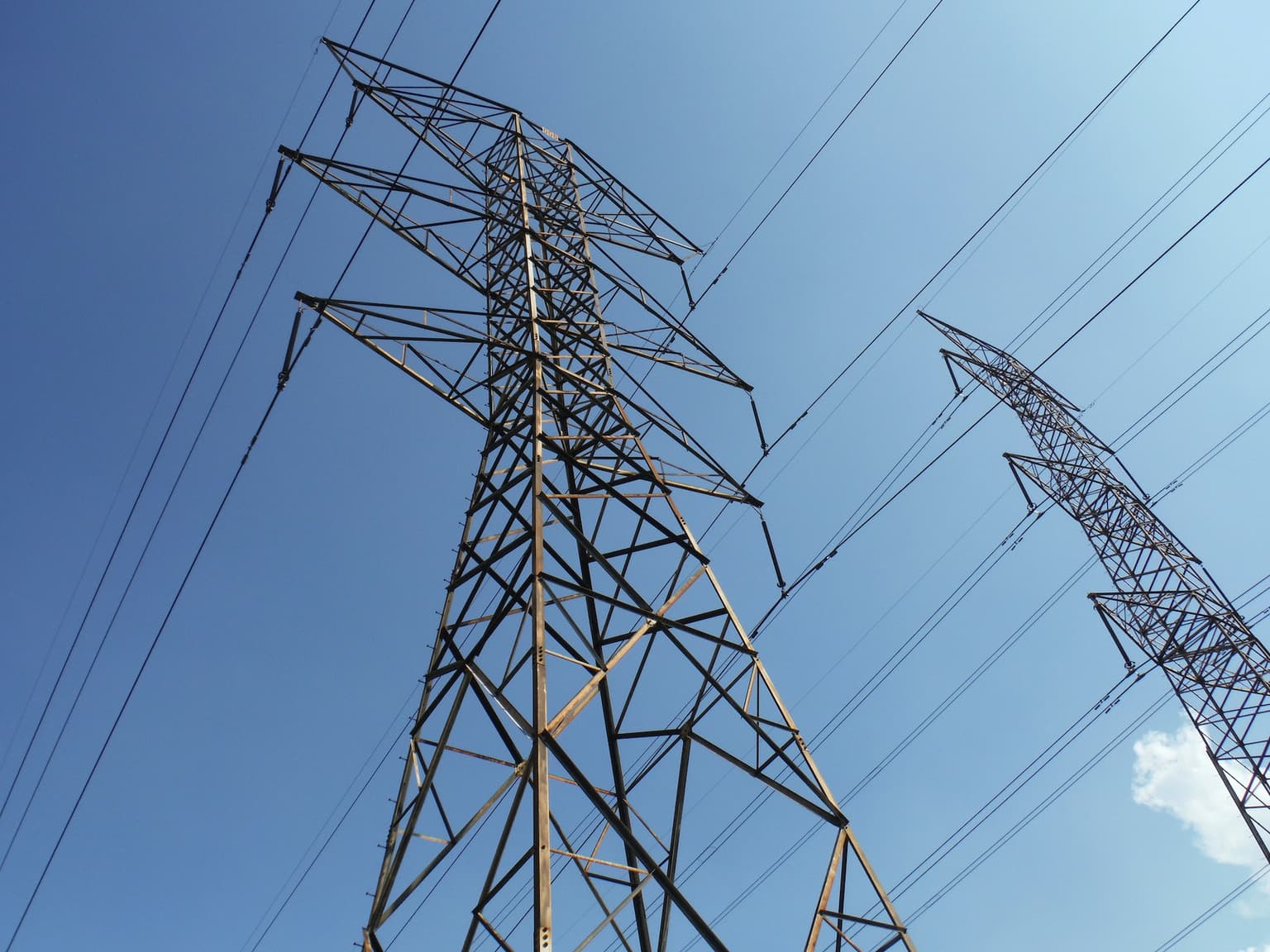
Just a few years ago, Germany was one of Europe’s largest electricity exporters, but the balance is gradually shifting. Last year, Germany’s cross-border electricity trade balance even turned negative for the first time in 20 years. One key factor was the shutdown of the last three nuclear units, which had supplied more than 30 TWh in 2022. According to ICIS, Germany’s net imports are expected to rise further this year, potentially making the country the world’s second-largest electricity importer.
As the EU’s largest electricity producer and consumer, Germany is a major player in the European market. Alongside risks related to fuel prices, including those of coal and gas, and emissions allowances, electricity prices in Europe are most affected by Germany. Cross-border trade is also important, particularly because of price differences between countries.
7. US oil and natural gas output rises despite headwinds

The development of oil and natural gas exploration drilling in the United States has slowed over the past year and a half, particularly in response to a global decline in prices. This has not, however, led to a fall in production volumes, which has kept commodity prices relatively well supported. A market analyst writing for the Reuters news agency reported this.
Although oil companies drilled fewer exploration wells, they managed to keep increasing production by focusing on more lucrative sites with greater potential for oil extraction. Companies also improved drilling efficiency and shifted to longer horizontal sections for each well.
8. Growing uncertainty over LNG supplies halts fall in European gas prices

European energy markets have seen prices gradually fall in recent weeks and months. Since the end of November, prices for natural gas for delivery next summer and winter have dropped by around a third. However, uncertainty has been rising again in the global market since last week, as tankers are diverted from the Suez Canal and the Freeport terminal in the US is taken offline. The decline in prices has therefore paused for now in recent days.
Relatively mild weather, very high gas storage levels and stable supplies via pipelines and LNG terminals are the main factors that have driven down natural gas prices on European markets since the end of last November. Prices of other energy commodities, including electricity, have fallen along with gas prices.
9. European Commission wants to make captured CO2 a tradable commodity
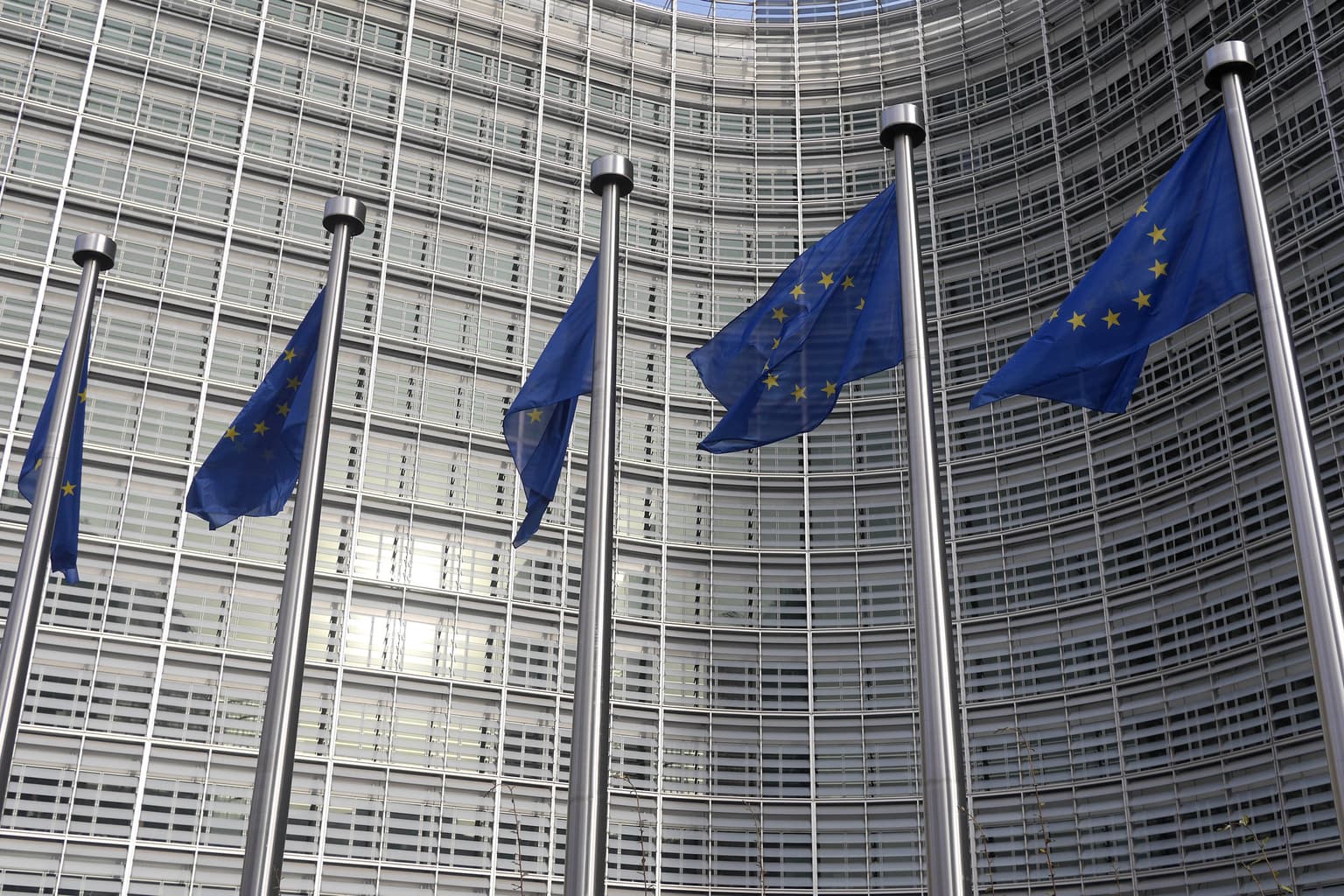
The European Commission’s document on industrial carbon management lays the groundwork for captured carbon dioxide to be “recycled” in chemical processes or used as marine and aviation fuel. A carbon trading mechanism would then account for the carbon dioxide that was not emitted.
The European Commission is proposing a pan-European approach “to create a single European market for industrial carbon”. This is intended to help the EU meet its goal of achieving net-zero emissions by 2050. The leaked document’s contents were published by Euractiv.
10. EU to unveil ambitious European carbon capture strategy
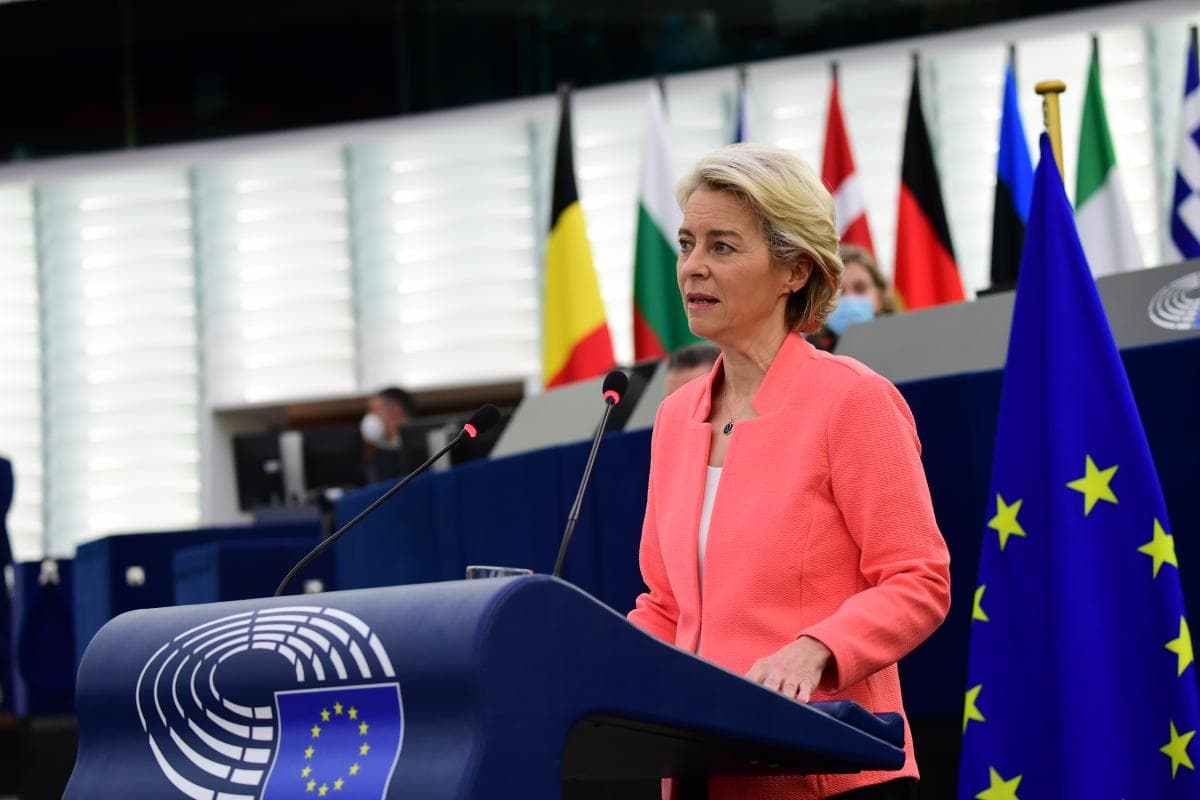
The European Commission is set to unveil a comprehensive carbon management strategy on 6 February, aiming to capture up to 450 million tonnes of CO2 a year by 2050. Among other things, the initiative will eventually affect the emissions trading system.
To achieve climate neutrality across the European economy by 2050, the strategy proposes capturing at least 50 million tonnes of CO2 a year by 2030, with an interim target of 200 million tonnes by 2040. Euractiv reported on the ambitious policy here.
Opinion
Oil dependence and electric mobility
In previous articles, I have discussed my own experience with electric mobility. However, the transition to a “new” type of propulsion needs to be considered in a broader context, one aspect of which is the dependence of the Czech Republic—and Europe—on oil imports. Europe, as a continent, has no large oil reserves and therefore has to import most of this commodity. EU countries import 99% of their oil or petroleum fuel consumption. Unfortunately, these imports often come from regions to which, for understandable reasons, we would rather not send money. Yet we continue to send it there in substantial quantities.
In 2022, the Czech Republic imported a total of 7 424,8 thousand tonnes of crude oil, an increase of 8,5 % compared with 2021. Russia accounted for 56 % of this volume. According to the Ministry of Industry and Trade of the Czech Republic’s energy balance, transport in the Czech Republic consumed 73 TWh of petroleum fuels in 2021 (statistics for 2022 have not yet been compiled). For comparison, total electricity consumption in 2022 was around 60TWh. Petroleum fuel consumption in transport therefore exceeds final electricity consumption, equivalent to the output of nine new Dukovany nuclear power plants (approx. 8 TWh/year).
Nuclear power in 2023, part 4: Five challenges facing nuclear energy
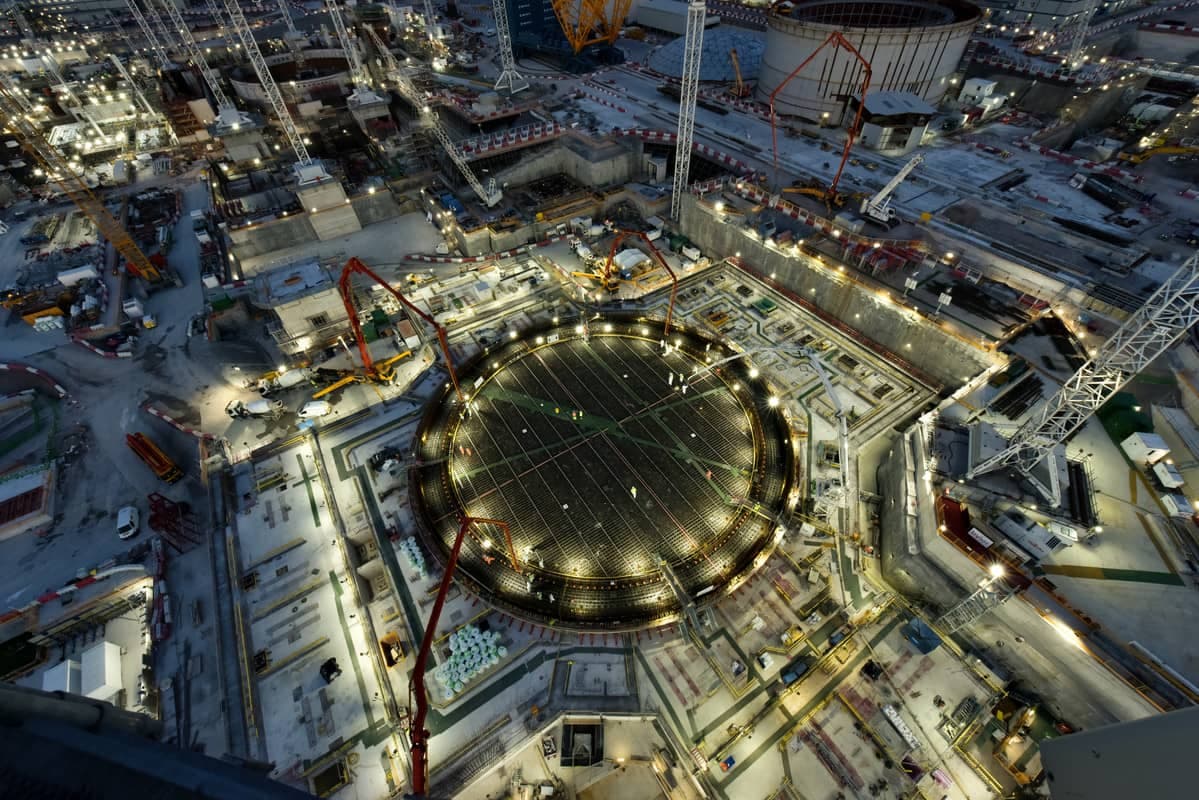
In my view, today’s nuclear power sector faces five major challenges. The first is to keep existing units operating for as long as possible. The second is the deployment of Generation III reactors. The third is the need to use nuclear energy to supply heat to buildings and industry. The fourth is the deployment of small modular reactors, and the fifth is the path towards closing the fuel cycle by introducing Generation IV reactors. We examined the first two challenges in detail in the previous article; now we will look at the remaining three.
The supply of industrial heat in particular poses a major challenge in the transition to low emissions, and nuclear power could make a significant contribution to addressing it. One option is to use low-emission nuclear electricity for heating, as is widely done in France. Electricity is also needed to power heat pumps. Another possibility is to use heat from existing large nuclear power plants or deploy small modular reactors. Innovative high-temperature reactors are needed to provide high-grade heat for industry.
Energostat: electricity generation in Czechia
Energostat: electricity generation in Germany
Translation disclaimer
This article is a machine translation of the Czech original and has not yet been fully reviewed. In case of any doubt, please refer to the Czech version.
Sdílejte článek prostřednictvím:
Topics:Energy Weekly
You might also like

1 November 2026, 16:09
1 November 2026, 07:59

31 October 2026, 12:55

31 October 2026, 08:21