
28 October 2026, 15:10
Loading...
Top 10 energy stories from the past week
oEnergetice.cz
14 April 2024, 15:01
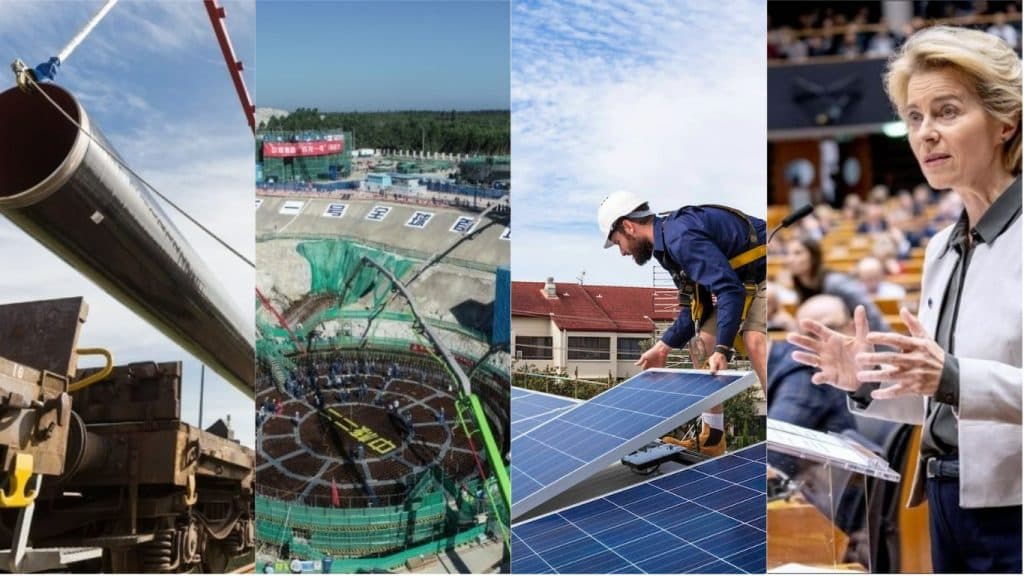
1. The world’s first green steelworks secures more than 4 billion euros in additional financing
Decarbonizing the economy brings many challenges, and one of the biggest is greening energy-intensive industry, especially heavy industry. Virtually all manufacturers on the old continent are looking for ways to make production more environmentally friendly and greener. Steel producers in Czechia know all about that. Sweden may have found a way to achieve this.
Start-up H2 Green Steel was founded with the aim of decarbonizing the European steel industry. Green steel will be produced at a fully integrated, digitalized steelworks in Boden in northern Sweden. Its production reduces CO₂ emissions by up to 95 percent compared with traditional steelmaking. Integrated processes and new production technologies, such as a new type of electric arc furnace, should also make it possible to reduce energy consumption.
2. Balcony solar is growing in popularity in Germany, and registration will be simpler

The use of small-scale photovoltaic systems that can easily be installed on the balconies of buildings has been gaining momentum in Germany in recent years. According to the country’s grid regulator, around 300,000 new balcony solar systems were registered last year alone. The regulator says it will now be easier to register such systems, while the German government is preparing a legislative change that would mean they no longer need to be reported to distribution system operators.
Alongside the construction of large centralized solar and wind farms, many countries, including Germany, also support the installation of small-scale generation directly at electricity and heat consumers’ premises. Small photovoltaic systems designed for installation on balconies can also provide consumers with their own source of electricity.
3. Chvaletice and Počerady power plants generate the least electricity in 10 years
Sev.en’s Počerady and Chvaletice power plants generated a record-low amount of electricity in the first quarter. The two plants supplied approximately 1.64 TWh of electricity to the grid, the lowest figure since 2015, the earliest year for which data are publicly available. In March, Sev.en, which operates both plants, announced that running them may no longer be economically viable next year and that it is considering closing them.
The future of coal-fired power plants has been discussed increasingly often in the Czech energy sector in recent weeks. Until recently, the Czech government set deadlines for when coal-fired power plants had to be taken offline at the latest. Their operators, however, suggest that changes in commodity markets mean no targets are needed. The plants will be shut down earlier by their operators themselves.
4. Renewable energy costs are falling, but electricity generation costs will continue to rise
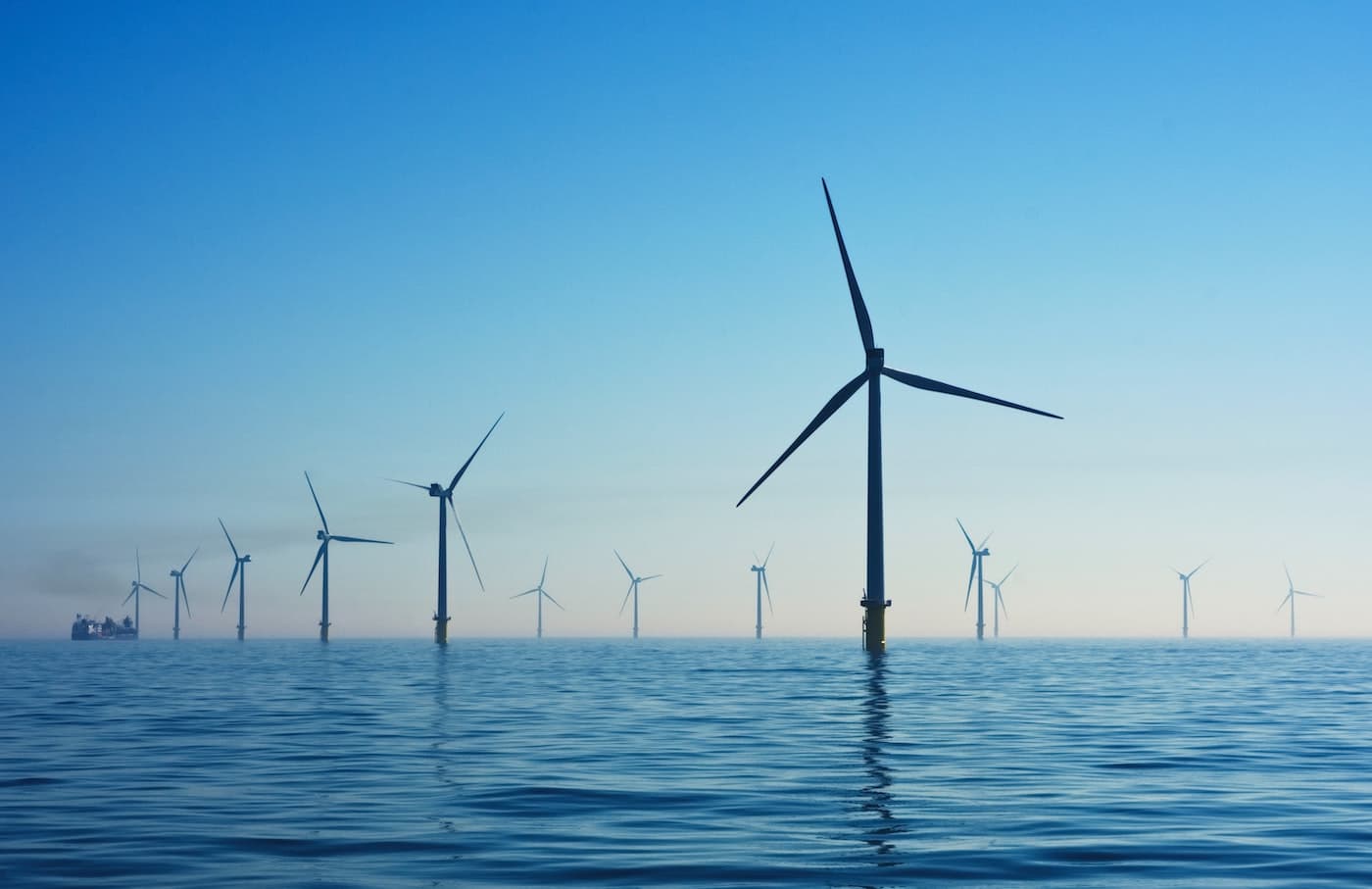
Electricity prices in Germany are unlikely to fall in the future, despite repeated claims that a complete transition to renewables will make electricity cheaper. This is the conclusion of a study by an advisory committee to the German government, which points to the need to account for the additional costs of meeting electricity demand when the sun is not shining or the wind is not blowing. Overall electricity generation costs are therefore more likely to rise.
The average costs of generating electricity from wind and solar plants and other renewable energy technologies have continued to fall in recent years. However, their intermittent output when winds are light and sunshine is limited means that maintaining a reliable energy system throughout the year will be no cheaper than under the current system, the committee says.
5. EIB says financing nuclear projects is too risky

Financing for European nuclear projects is becoming more complicated. The European Investment Bank (EIB) recently dealt a major blow to the nuclear industry at an international nuclear energy summit in Brussels. The news was reported by Euractiv. For a while, it looked as if the EIB might also support financing for this type of project, but it ultimately confirmed that investment in renewable energy will remain its top priority through 2030.
What is currently the biggest challenge to using nuclear energy in the context of climate neutrality? According to European Commission President Ursula von der Leyen, it is securing new and stable investment. She made the remarks at a recent nuclear energy summit.
6. Dukovany increases Unit 3’s thermal output, enabling it to generate more electricity

Engineers at the Dukovany Nuclear Power Plant have increased the thermal output of one unit to 1475 megawatts (MW) for the first time, a rise of 2.3 percent. The unit is number three. ČEZ plans to make the same adjustments to the other three units. This could increase Dukovany’s annual electricity generation by 0.3 terawatt-hours (TWh). Plant spokesperson Jiří Bezděk told the Czech News Agency today. Last year, the Dukovany plant supplied 14.3 TWh of electricity to the grid.
The temperature of the water leaving Unit 3’s reactor has now risen by approximately two degrees to 300.4 degrees Celsius. The unit previously had an electrical output of 500 MW; with the increased thermal output, it could reach up to 511 MW under optimal conditions.
7. Lake in a former coal mine in eastern Germany could serve as a heat source

The growing use of heat pumps is not limited to households and businesses; they could also be used more widely in district heating. As well as recovering heat from wastewater, an option being discussed in Czechia, for example, lakes could also serve as a heat source. One candidate is an artificial lake in a former coal mine near the German city of Cottbus. In the future, heat pumps could replace heat supplied to the local district heating network by a nearby lignite-fired plant.
Heat pumps are currently seen as one of the main ways to replace fossil fuels in heating. However, they do not have to be installed directly at consumers’ premises; they can also supply heat through district heating networks. In this case, they can draw on large sources of low-grade heat, such as wastewater or lakes.
8. Experts: Renewable electricity generation will rise significantly, and the grid must be prepared

Solar power generation in Czechia will triple over the next decade, while generation from wind power plants will increase 7.5-fold. The transmission system will need major investment to handle this growth in renewable energy generation. Experts from consultancy EGÚ Brno highlighted this in a press release, based on their analysis.
The company analyzed several scenarios for the development of the Czech energy sector, taking into account changes in technology and energy commodity prices, the regulatory and subsidy environment, as well as the grid’s ability to absorb new capacity.
9. ČEZ to invest over CZK 400 million in Dlouhé stráně pumped-storage plant this year

Energy group ČEZ will invest more than CZK 400 million this year in repairs and modernization of the Dlouhé stráně pumped-storage hydropower plant in the Šumperk region, almost four times as much as last year. ČEZ plans to invest even more at Dlouhé stráně next year. The spending is part of the gradual renewal of key components of the turbine-generator units, which are nearing the end of their service life after almost 30 years of operation. ČEZ’s hydropower plant director Róbert Heczko told reporters today.
According to Heczko, investments worth hundreds of millions of crowns will ensure reliable operation of the Dlouhé stráně plant, which serves as a giant energy storage facility. In the Czech power system, it plays a role both when there is surplus energy, which is used to pump water from the lower reservoir to the upper one, and when energy is in short supply, when the plant generates electricity and sells it at a higher price. The plant plays an increasingly important role in balancing unstable renewable energy supplies.
10. Czechs have stopped saving gas, first-quarter data show, analysts say

After adjusting for weather, gas consumption in Czechia in the first quarter of this year was slightly higher than last year, up 2.9 percent. Experts take this to mean that people have stopped looking for ways to save, unlike before the previous heating season, Amper Meteo analyst Petr Skalák said in a press release. Electricity savings continued, however: weather-adjusted consumption was 2.4 percent lower year on year.
Gas consumption this year was significantly affected by an exceptionally warm winter. All three months of the first quarter were warmer than average, with February and March exceptionally warm. “That is why we adjust the data for the impact of weather and recalculate them for a standard temperature and cloud cover,” development specialist Kamil Rajdl said. Without the weather adjustment, gas consumption this year was almost five percent lower. Compared with the 2017–2021 average, before the energy crisis and the war in Ukraine, gas consumption is significantly lower, by 16 percent. Consumption at the Počerady combined-cycle gas power plant is also gradually declining.
Topic
Tender for two new Temelín units was canceled ten years ago
The construction of two additional units at the Temelín Nuclear Power Plant (JETE) has been under discussion for many years. ČEZ, which owns Temelín, launched a tender for the construction of the units in August 2009. But ten years ago, on April 10, 2014, ČEZ canceled the tender. Shortly beforehand, the government had announced that it would not guarantee a purchase price for electricity from the expanded plant. Czechia is currently actively working on plans to complete a different nuclear power plant, Dukovany.
Three bidders took part in the 2009 tender for the Temelín expansion: US-based Westinghouse, the Czech-Russian MIR.1200 Consortium, and France’s Areva, whose bid was excluded from the tender for failing to meet the requirements. In February 2011, the government approved the steps needed to complete JETE, including investment in the transmission system and strengthening the activities of the State Office for Nuclear Safety (SÚJB). At the time, ČEZ postponed the planned completion of JETE to 2025. In January 2013, the Ministry of the Environment issued a favorable environmental assessment for the construction of two new JETE units. But in April 2014, the tender was canceled because the government was unwilling to provide the required investment-return guarantees.
MND plans to store carbon dioxide underground in Moravia; it is surveying sites, seeking funding and emitters

Many industrial companies will struggle to decarbonize their operations without carbon capture technologies. Czechia therefore also needs to address the issue of storage sites where compressed carbon dioxide could be stored. Oil and gas company MND is already surveying potential locations.
MND, which is part of the KKCG investment group owned by billionaire Karel Komárek Jr., wants to take a leading role in carbon capture and storage in Central Europe. It already has its first projects prepared. MND is working with cement producer Heidelberg Materials CZ on its main project, called CCS Moravia.
Energostat: electricity generation in Czechia
Energostat: electricity generation in Germany
Translation disclaimer
This article is a machine translation of the Czech original and has not yet been fully reviewed. In case of any doubt, please refer to the Czech version.
Sdílejte článek prostřednictvím:
Topics:Energy Weekly
You might also like

28 October 2026, 13:08

28 October 2026, 11:10

28 October 2026, 09:08
