25 October 2026, 08:20
Loading...
Top 10 energy stories from the past week
oEnergetice.cz
6 October 2024, 21:24
This week, we once again bring you a carefully selected list of the ten most important articles we published on oEnergetice.cz. If you missed any of them, here is a selection of the articles that attracted the most interest from our readers. Good luck in the week ahead!
1. New Indian-designed nuclear reactor at Rajasthan power plant reaches criticality
The reactor at unit 7 of India’s Rajasthan nuclear power plant has successfully reached criticality. This is an important milestone in commissioning the 700 MWe IPHWR-700 unit, which uses an indigenous pressurized heavy water reactor. India began building the unit in 2011, and it still has a number of operational tests to complete before entering commercial operation. The country currently has another 5 nuclear units of the same type at various stages of construction, with a further 8 in the planning stages.
India’s Nuclear Power Corporation of India Limited (NPCIL) announced a major milestone in the construction of unit 7 at the Rajasthan nuclear power plant. With permission from the nuclear regulator, its engineers started up the unit’s pressurized heavy water reactor and achieved criticality for the first time. Rajasthan 7 features the indigenous IPWR-700 (Indian Pressurized Heavy Water Reactor) design and has an electrical capacity of 700 MW.
Read the full article HERE.
2. How will the conditions for connecting new solar power plants to the grid change from October?
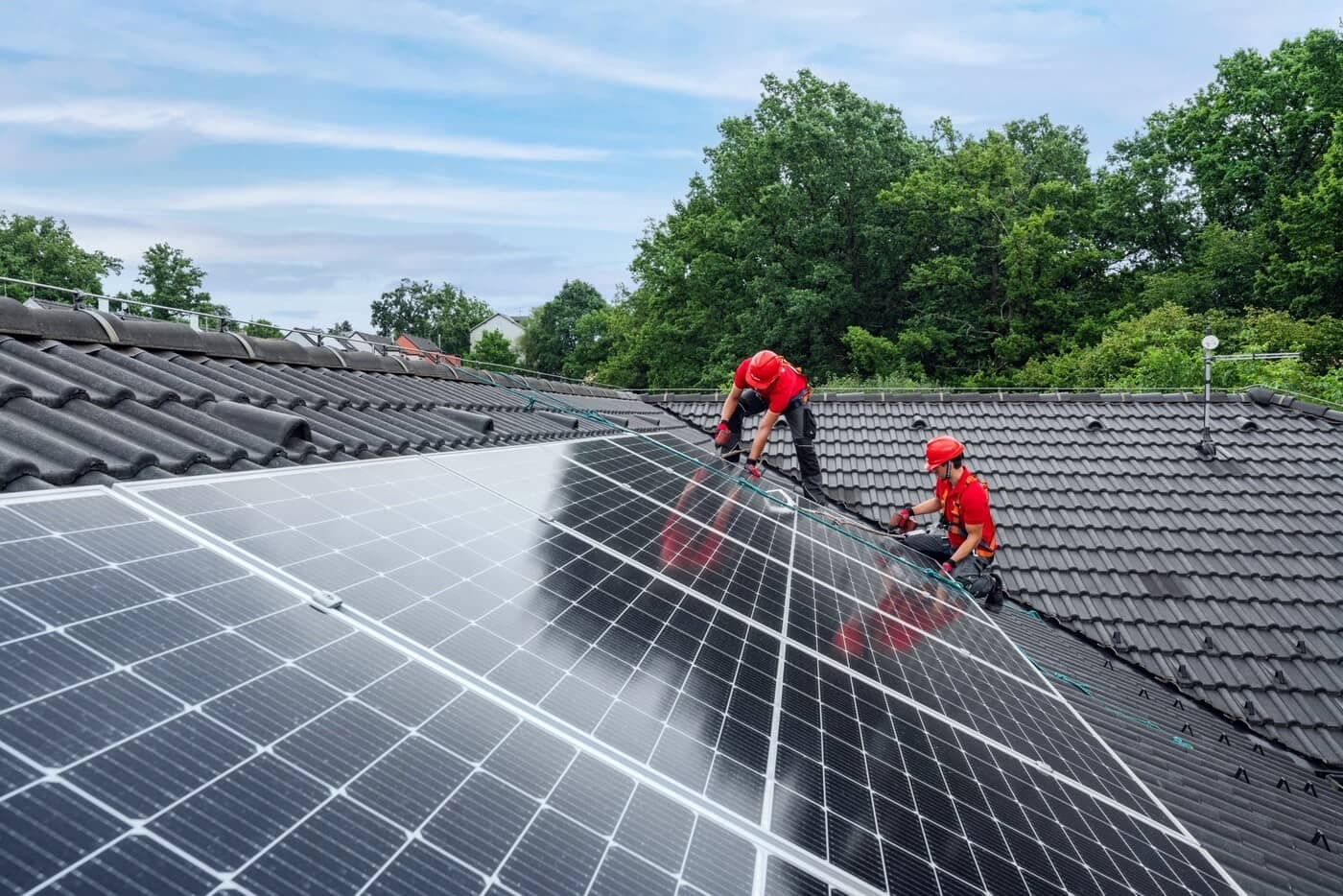
As of 1.10.2024, an amendment to the decree on connection to the electricity system has changed the conditions for connecting new photovoltaic power plants (PV plants) to the grid. What positive and negative changes does the amendment, recently published in the Collection of Laws, bring?
You can discuss the latest developments in connecting PV plants with Stanislav Hes, an expert at ČEZ Distribuce, at the Smart Energy Forum conference in Prague.
Read the full article HERE.
3. EU battery recycling targets are practically unattainable, German institute says
The expected lifespan of electric vehicle batteries and their potential for reuse will leave too little material to meet battery recycling targets, according to researchers at the German Economic Institute (IW). Recycled cobalt availability is expected to be a particular problem. The IW said so in a press release.
The new regulation on battery recycling has been in force since the beginning of this year and, among other things, requires 26% of the cobalt in batteries to come from recycling from 2036. The targets are 15% for nickel and 12% for lithium. IW researchers described the EU’s approach as the right one, but added that the targets are highly ambitious.
Read the full article HERE.
4. Wind power plant in Lusatia: innovation set to double energy output
Work has begun on building the world’s tallest wind turbine in the eastern German lignite region of Lusatia. Thanks to its height, the turbine is expected to generate twice as much electricity and should start operating next summer. Its height has called for several innovative solutions.
Two weeks ago, the foundation stone was laid for the world’s tallest wind turbine in the Lusatian municipality of Schipkau in the state of Brandenburg. The turbine is expected to reach a height of 364 meters including its blades, making it almost as tall as Berlin’s iconic television tower. It is due to enter operation in summer 2025.
Read the full article HERE.
5. Oil and gas imports decline: EU cuts imports by billions of euros
Imports of energy commodities into the EU continue to fall. In the second quarter of this year, member states imported petroleum products and natural gas worth 95 billion euros and totaling 177.9 million tonnes. Compared with the same period last year, this represents a decline of 10.7% in value and 9.7% in volume. The European statistical office Eurostat reported the figures.
According to the published data, the only year-on-year increase was in the value of petroleum product imports, which rose by 5.6%. The volume of imported petroleum products, however, fell by 2.2%.
Read the full article HERE.
6. Czechia’s net electricity exports continue to fall, likely dropping by a third again this year
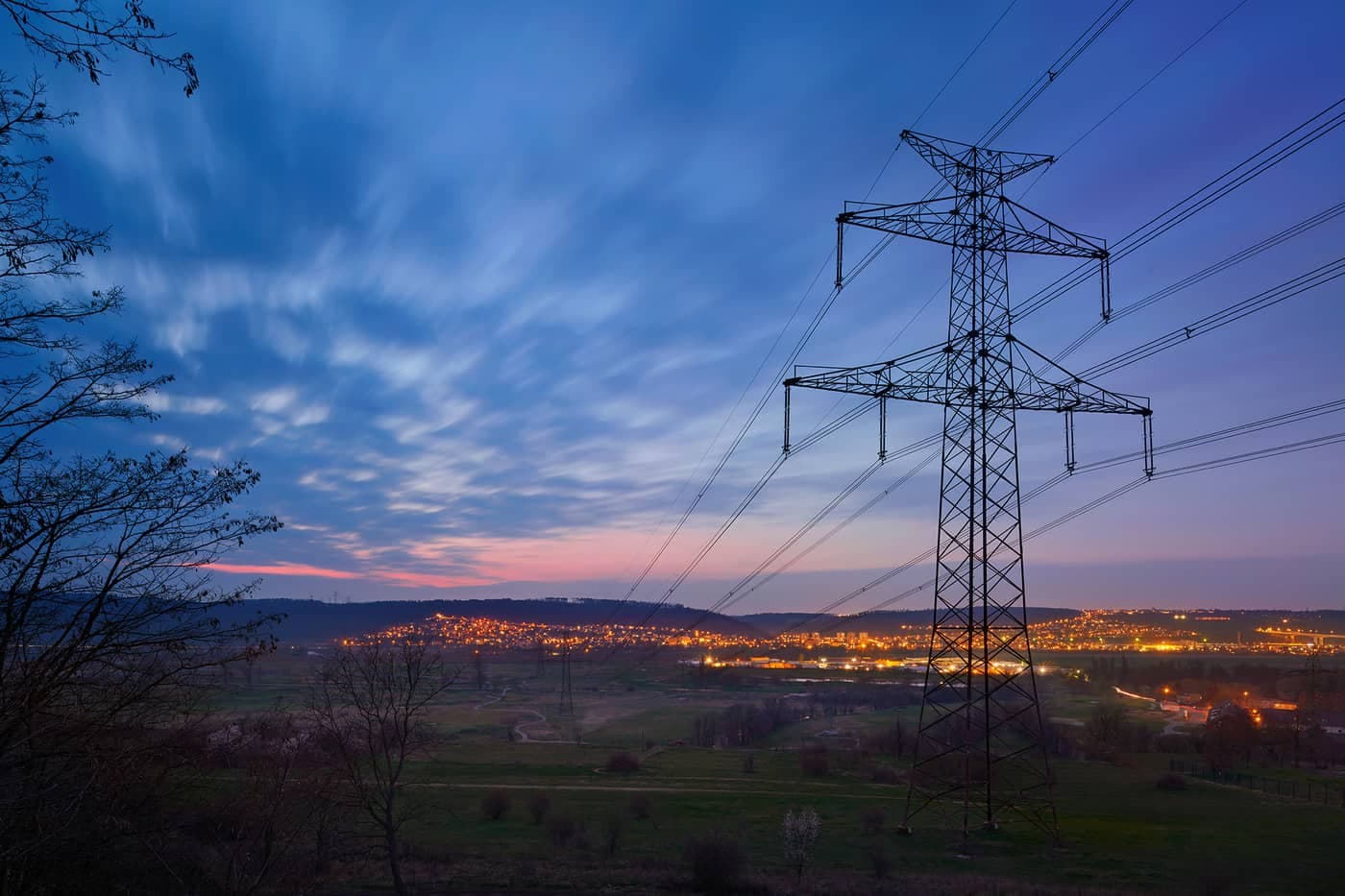
The Czech Republic is seeing its electricity system surplus continue to decline, leaving the domestic power sector with an increasingly smaller surplus. The system’s surplus fell by almost a third in 2023, and data for 2024 point to a similar decline this year. By the end of September this year, the balance stood at 4.2 TWh, compared with 6.1 TWh in the same period of 2023—again a difference of roughly one-third.
The Czech Republic’s role as one of the European Union’s largest electricity exporters has weakened slightly over the past two years. While net electricity exports from the Czech Republic stood at around 13.5 TWh in 2022, they had fallen to just 9 TWh last year.
Read the full article HERE.
7. EU reviews its energy efforts: savings and new LNG terminals have eroded Russia’s gas dominance
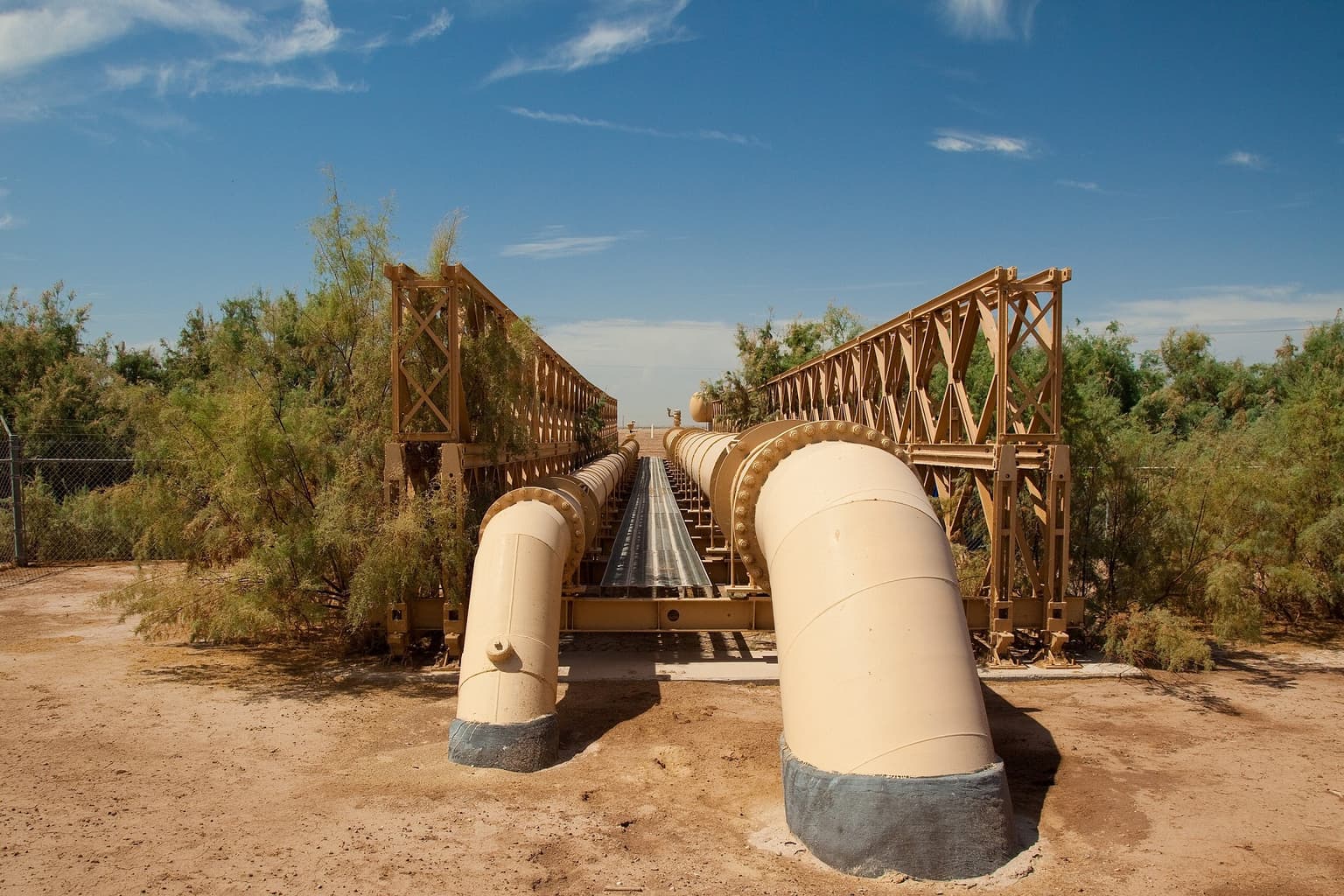
The European Union has substantially cut its natural gas consumption and diversified its sources. As a result, the share of gas imports from Russia has fallen to 18%, down from around 45%, according to the State of the Energy Union report published in September. The addition of 12 new terminals for importing liquefied natural gas has also helped.
In 2024, the European Union took significant steps toward achieving its energy and climate goals. One of the key pillars is a 55% emissions reduction by 2030 under the Fit for 55 program. This ambitious plan is complemented by the REPowerEU initiative, which aims to ensure energy independence and reduce reliance on Russian fossil fuels.
Read the full article HERE.
8. Czechia at the heart of a new hydrogen initiative: corridor to link the Balkans with Germany
The Czech Republic is involved in another hydrogen initiative: the Southeast European Hydrogen Corridor (SEEHyC), which aims to build a hydrogen link between the Balkans and Central Europe.
The Southeast European Hydrogen Corridor is an initiative involving seven gas transmission system operators. In addition to Czech operator NET4GAS, a founding member, the companies involved in preparing the hydrogen corridor are Greek operator DESFA, Bulgaria’s Bulgartransgaz, Romania’s Transgaz, Hungary’s FGSZ, Slovakia’s Eustream and Germany’s OGE.
Read the full article HERE.
9. Swedish deputy prime minister: EU must not stand in the way of nuclear power
In the wake of the recent energy crisis and volatility in energy commodity prices, some European countries are turning to nuclear power again. According to Sweden’s deputy prime minister and energy minister, this includes most EU member states. EU institutions, including the European Commission, should therefore not stand in the way of nuclear power, she said. Sweden already has several nuclear units and plans to build new ones.
Swedish Deputy Prime Minister Ebba Busch recently said that every member state has the right to decide the direction of its energy sector. In her view, some EU member states cannot prevent others from developing nuclear power. The deputy prime minister and energy minister said nuclear power has the support of most of the Council of the European Union, the body bringing together ministers from the individual member states.
Read the full article HERE.
10. Balcony solar boom in Germany: numbers have doubled this year
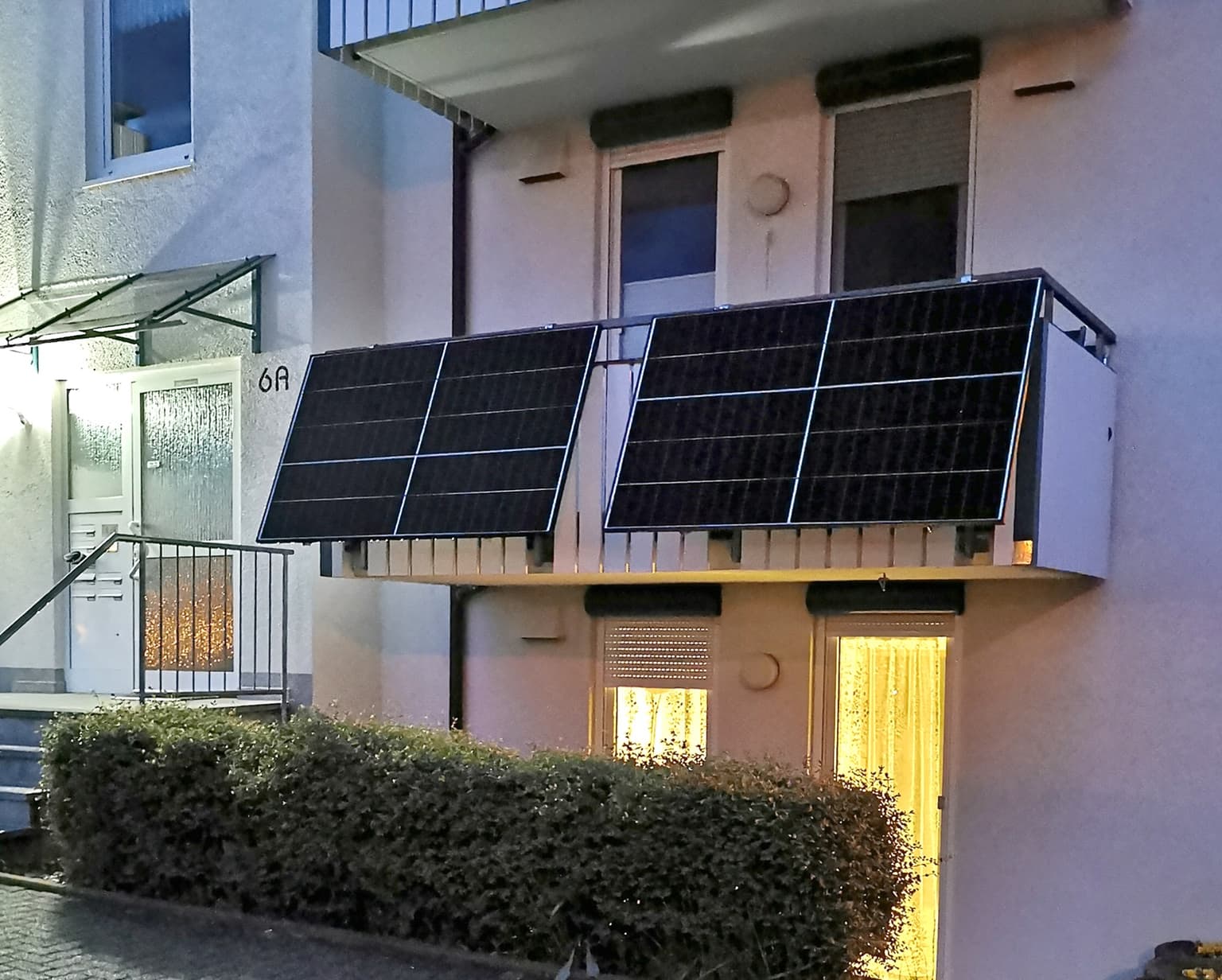
Germany is experiencing a boom in so-called balcony solar power plants. Their number has doubled since the beginning of this year, largely thanks to a simplification of the registration process.
So-called balcony solar power plants are popular in Germany. These systems, consisting of just a few photovoltaic panels and a small inverter with a maximum total installed capacity of 800 Wp, plug into a standard socket. Their easy installation and the option to mount them on a balcony or the facade of a house are helping drive their popularity.
Read the full article HERE.
Topic
UK’s energy future: Conservatives consider bringing back fracking
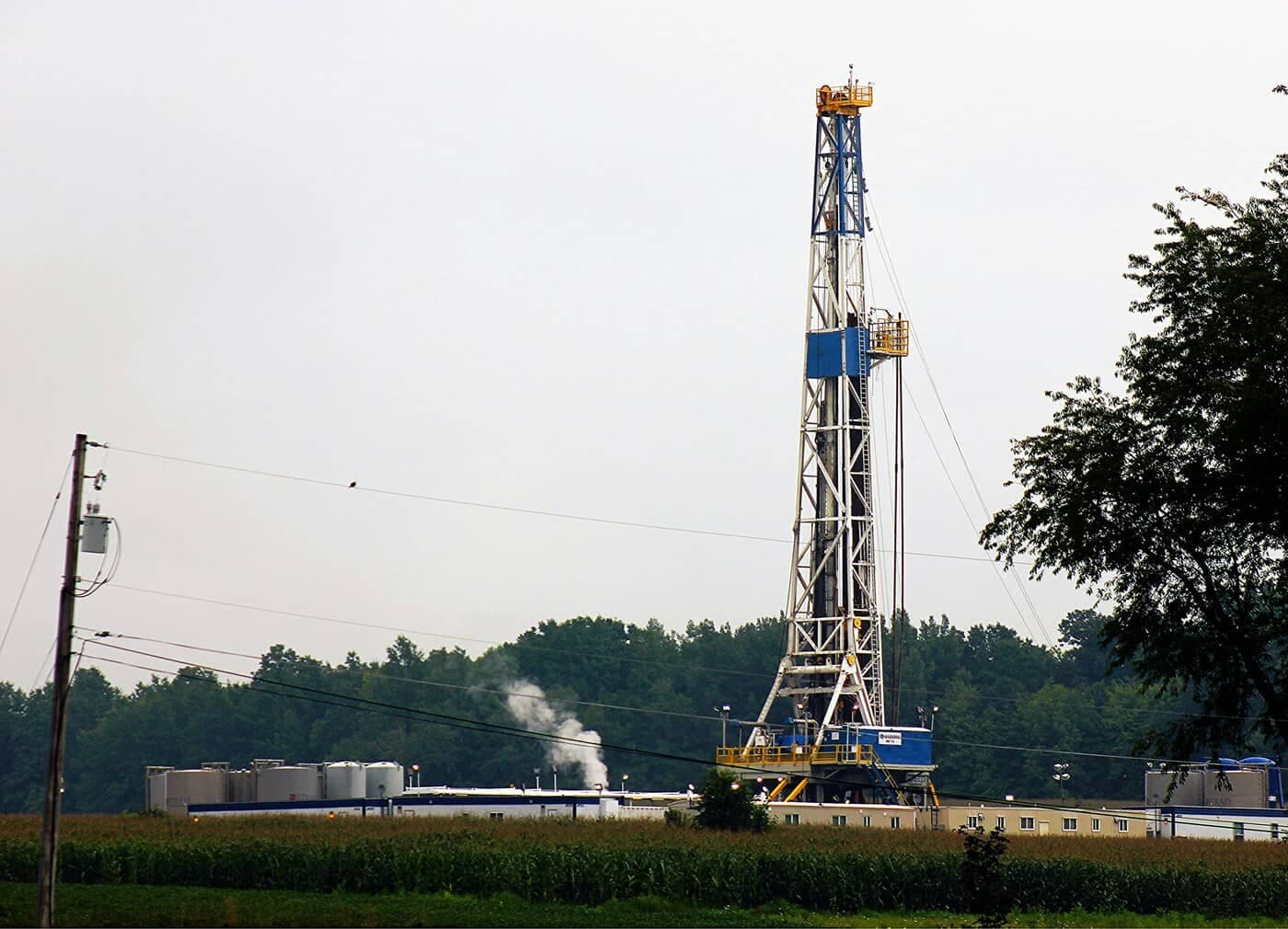
Senior figures in the UK Conservative Party are pushing to reintroduce fracking in England. They argue that this controversial extraction method should be at the heart of party policy, the British newspaper The Guardian reported. Former party leader and prime minister Rishi Sunak confirmed the fracking ban in 2022.
At the Conservative Party conference currently under way, members are discussing the reasons for the party’s recent failure in the general election. The conference also serves as a platform for candidates seeking to lead the party, one of whom will replace outgoing leader Sunak in November.
Read the full article HERE.
Energostat: electricity generation in Czechia
Data in this chart is also available in 15-minute resolution60min15min
Energostat: electricity generation in Germany
Data in this chart is also available in 15-minute resolution60min15min
Find more up-to-date charts and data on Energostat
Translation disclaimer
This article is a machine translation of the Czech original and has not yet been fully reviewed. In case of any doubt, please refer to the Czech version.
Sdílejte článek prostřednictvím:
Topics:Energy Weekly
You might also like

23 October 2026, 14:38