4 November 2026, 14:17
Loading...
Top 10 energy stories of the past week
oEnergetice.cz
17 September 2023, 21:40
1. Russian LNG imports into the EU surge, but the bloc has no plans to ban them
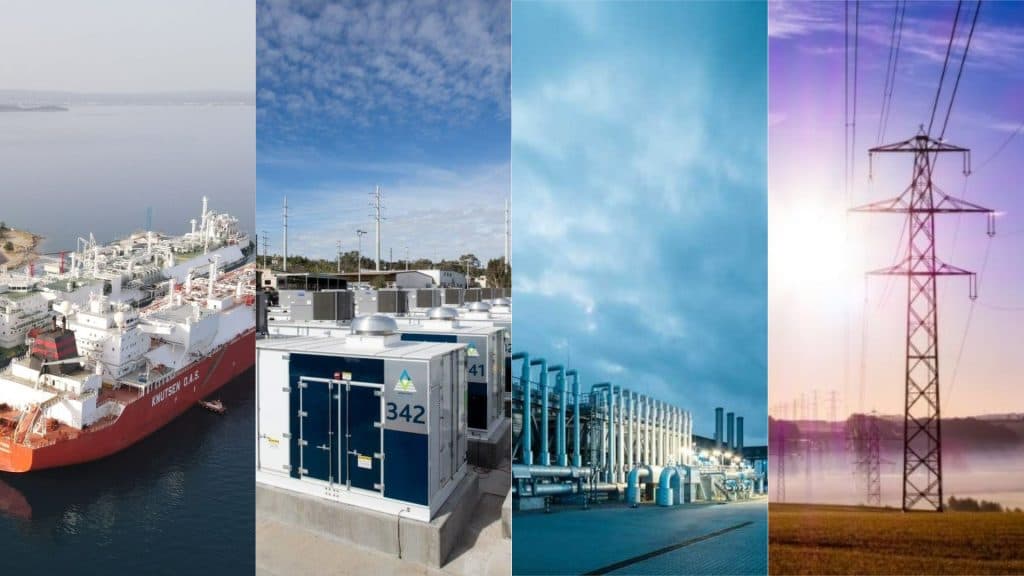
The European Union has no plans to ban imports of Russian liquefied natural gas (LNG) in the short term, even as imports into the EU have surged. Spain’s energy minister said this, citing concerns about another sharp rise in prices.
Total Russian natural gas imports into the EU have fallen since last year after Russia curtailed flows to Europe in response to extensive Western sanctions against its economy. However, Russian LNG imports to Europe rose by 40% from January to July compared with the same period in 2021, before the war in Ukraine.
2. German parliament adopts watered-down version of new building heating law

The German parliament has adopted a new energy law on building heating. After months of debate, the law was amended to ease requirements for decarbonising heating systems. It now includes a ban on new fossil-fuel heating systems from 2028 at the latest. Euractiv reported.
Fossil-fuel heating has boomed in Germany as a result of the energy crisis. Consumers are racing to secure new oil and gas boilers so they can avoid switching to heating systems that are more expensive to install, such as heat pumps.
3. PERC vs. TOPCon: What did this year’s solar panel tests reveal?
Price should not be the only deciding factor when choosing solar panels; their performance in real-world conditions is especially important. What did recent solar panel tests show? Is it worth investing in traditional PERC panels, or are next-generation TOPCon panels a better choice?
Georg Touloupas, a leading solar expert and technical director at independent certification agency Clean Energy Associates, will answer these questions during his presentation at the Smart Energy Forum conference in Prague in October.4. Germany’s latest wind auction is undersubscribed; major price hikes are clearly not enough

Germany has held another auction to support the construction of onshore wind farms, its third this year. Little has changed since previous rounds, and the auction remained undersubscribed even after its volume was halved. Germany still lacks new wind farm projects, which face difficult permitting procedures. With competition still absent, the guaranteed prices awarded continue to sit at the price ceilings.
Germany held its third auction of the year early last month, allowing onshore wind farm developers to secure minimum guaranteed prices. Unlike some other countries, Germany still routinely uses one-sided contracts for difference in its auctions. In this case, power generators are guaranteed a minimum selling price. If electricity prices on the day-ahead market are lower than the price awarded in the auction, generators receive compensation for the difference. However, if market electricity prices exceed the auction price, generators keep the additional revenue.
5. Russia: Western price caps on our oil exports are damaging the global economy
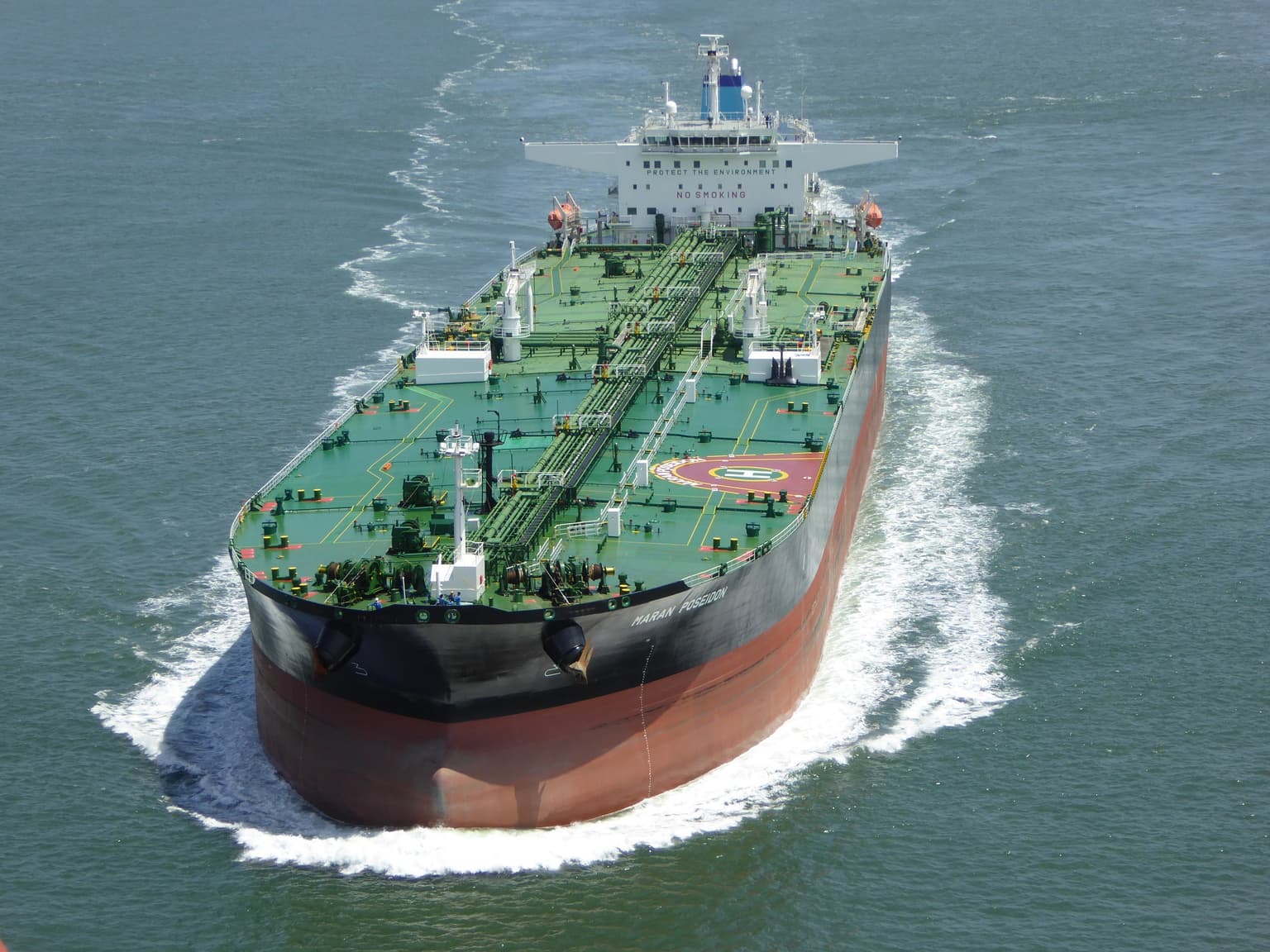
According to Russia’s energy minister, current Western price caps on Russian oil exports are harmful to the global economy. The main aim of introducing price caps instead of an embargo is to keep Russian oil flowing to the market while limiting the country’s revenues. US government officials recently said that Russian budget revenues from oil exports halved in the first half of this year. The Russian minister himself has also acknowledged the budget is under pressure.
Russian oil exporters have been subject to price-cap sanctions since the start of this year, following an agreement reached by G7 countries and the EU at the end of last year. However, Russia’s Energy Minister Nikolai Shulginov said that the caps are damaging the global economy, according to S&P Global. He also said that oil prices are currently high enough for Russia to reinvest some of its profits in developing production.
6. Electricity trading volumes on short-term markets hit new record highs
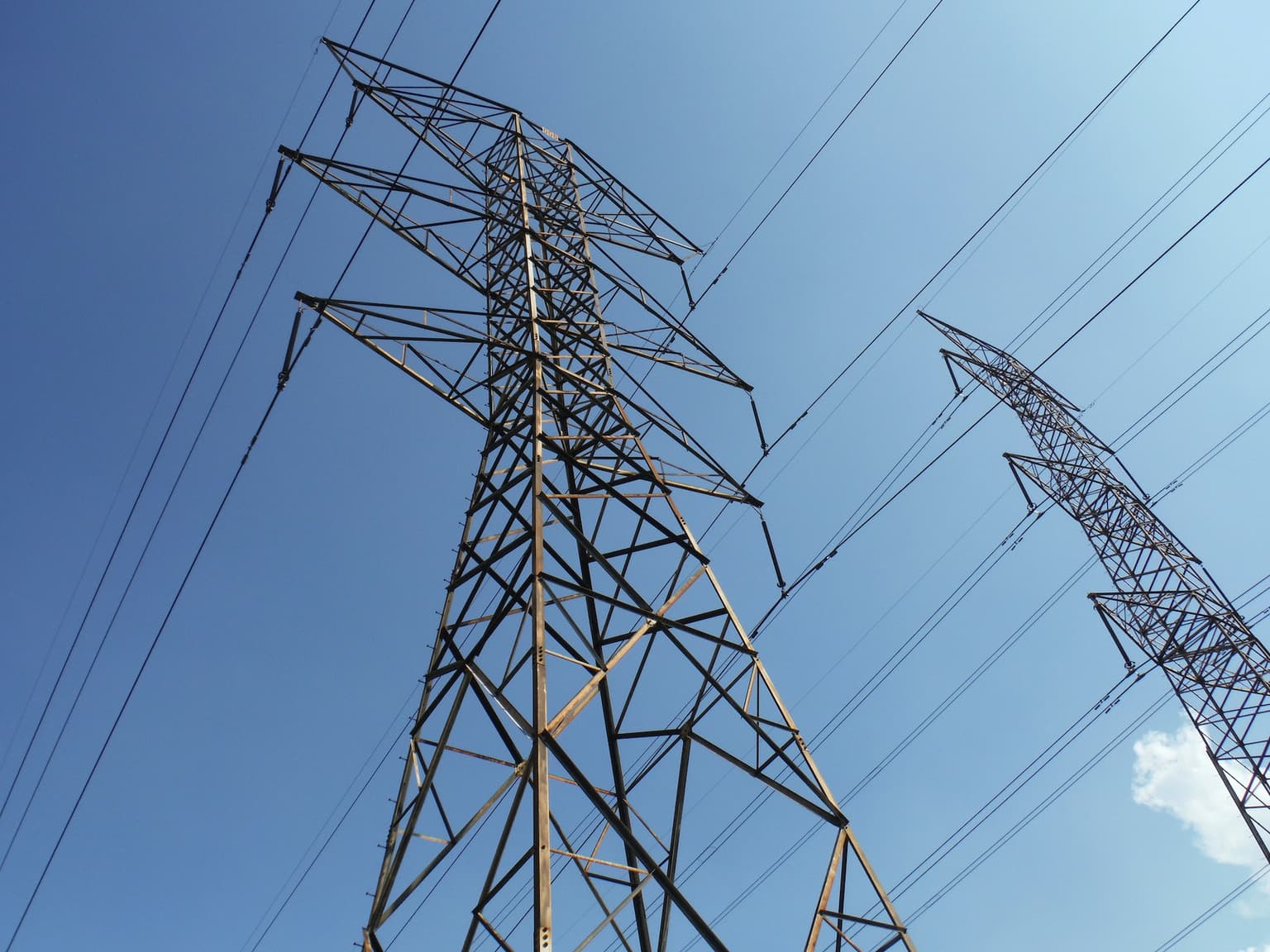
Despite a significant year-on-year drop in electricity prices on short-term markets, August saw a record volume of electricity traded for that month. Year-on-year growth reached 10% on the day-ahead market and 21% on the intraday market. The Czech market operator, OTE, a.s., reported the figures.
According to the published data, 2 346 GWh was traded on the day-ahead market in August and 460 GWh on the intraday market. This represents year-on-year growth of 10% for the day-ahead market and as much as 21% for the intraday market.
7. The US could become a leader in electrolyzer manufacturing
The United States could become a leader in hydrogen technologies. Conditions for developing the sector are more favourable across the Atlantic than in Europe, for example.
Electrolyzers, which use electricity to split water into hydrogen, are a key technology for the hydrogen production sector. As Euractiv reported, the United States is likely to create a more favourable environment for its development.
8. Germany plans to spend over one billion euros on nuclear fusion in the next 5 years
Germany plans to invest more than one billion euros in nuclear fusion research by 2028. According to Federal Minister of Education and Research Bettina Stark-Watzinger, the question is no longer whether fusion will become viable, but whether Germany will be part of it. Clean Energy Wire reported.
Minister Stark-Watzinger presented a new support programme for nuclear fusion research worth 370 million euros. Together with other programmes announced earlier, it brings total support for the field over the next 5 years to one billion euros.
9. IEA chief: The world is nearing the end of the fossil fuel era

The world is at the beginning of the end of the fossil fuel era, with demand for oil, natural gas and coal set to peak before 2030. Fatih Birol, head of the International Energy Agency (IEA), told the Financial Times (FT). He said the agency will estimate in its latest outlook next month that consumption of the three main fossil fuels will start to decline this decade, driven by a rapid increase in renewable energy and electric vehicles.
Governments around the world have increased investment in renewable energy in response to climate change and the energy crisis triggered by Russia’s invasion of Ukraine. However, many face criticism over spending amid a cost-of-living crisis.
10. Von der Leyen: EU to address low prices of Chinese electric cars
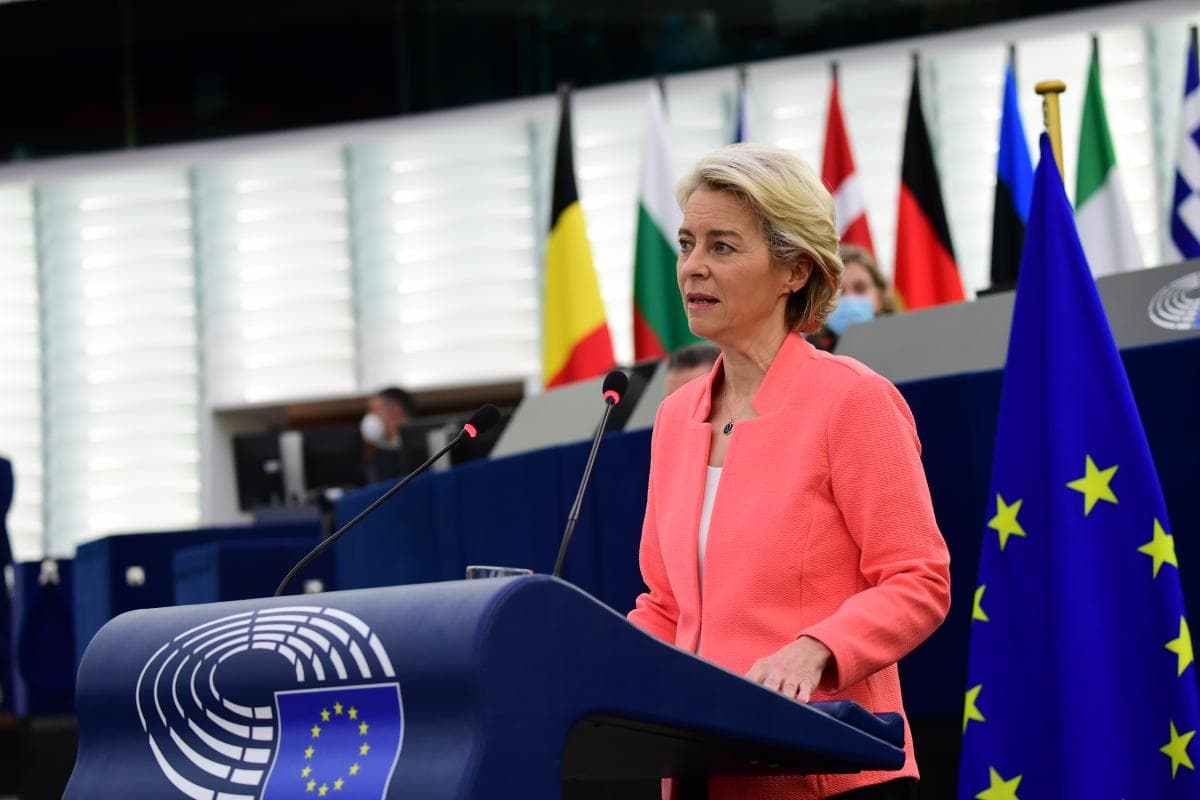
Strasbourg, 13 September (ČTK special correspondent) – China is artificially keeping the prices of its electric cars low through state subsidies, distorting the market. The European Commission (EC) therefore plans to address the issue. Commission President Ursula von der Leyen said this in her State of the Union address to the European Parliament (EP) today. The EU must defend itself against unfair practices by China, she said. Berlin and Paris reacted positively to the Commission president’s announcement.
Global markets are flooded with cheap electric cars from China, von der Leyen said. “Their prices are artificially kept low thanks to extensive state subsidies,” she added. She also announced that the Commission is launching an investigation into Chinese electric vehicles and the state subsidies received by Chinese automakers.
In focus
We put Czech AMVOLT battery storage systems for 35–300 kWh installations to the test. How did they perform?
We enter a small sheet-metal bending plant in Uhříněves, near Prague, operating at full capacity. Machines are running everywhere, and employees are working flat out. We find a spacious technical room, where a visually and physically imposing yellow tower rises all the way to the 3.5m-high ceiling. This is a Czech-made AMVOLT battery storage system, specifically three AMVOLT 50 kWh LV Modules with a total capacity of 150 kWh. In this installation, the system stores surplus energy from a PV system, serves as backup for the company’s operations and helps optimise electricity costs. This article takes a closer look at the AMVOLT 35 and 50 kWh LV Modules.
AMVOLT is formally a division of Czech company GWL GROUP a.s., which has worked with LiFePO₄ battery cells for 15 years and is one of Europe’s largest distributors of them. In 2016, GWL co-owner Michal Klečka teamed up with Pavel Podruh, and together they created the first prototype of an AMVOLT storage system with an open architecture and a design that allows individual components to be repaired, for the award-winning Czech Sustainable House project. According to the founders, AMVOLT’s mission is to help Europe build a more secure energy sector by reducing its dependence on Asian energy products. AMVOLT is a Czech manufacturer of European modular battery storage systems, ranging from small, compact units (5 – 14 kWh) to large, high-voltage BESS storage systems measured in MWh. The AMVOLT 35 and 50 kWh LV Modules sit in the middle of this range and can be scaled from 35 – 300 kWh.
Disputes over nuclear energy are blocking talks on reform of the European electricity market
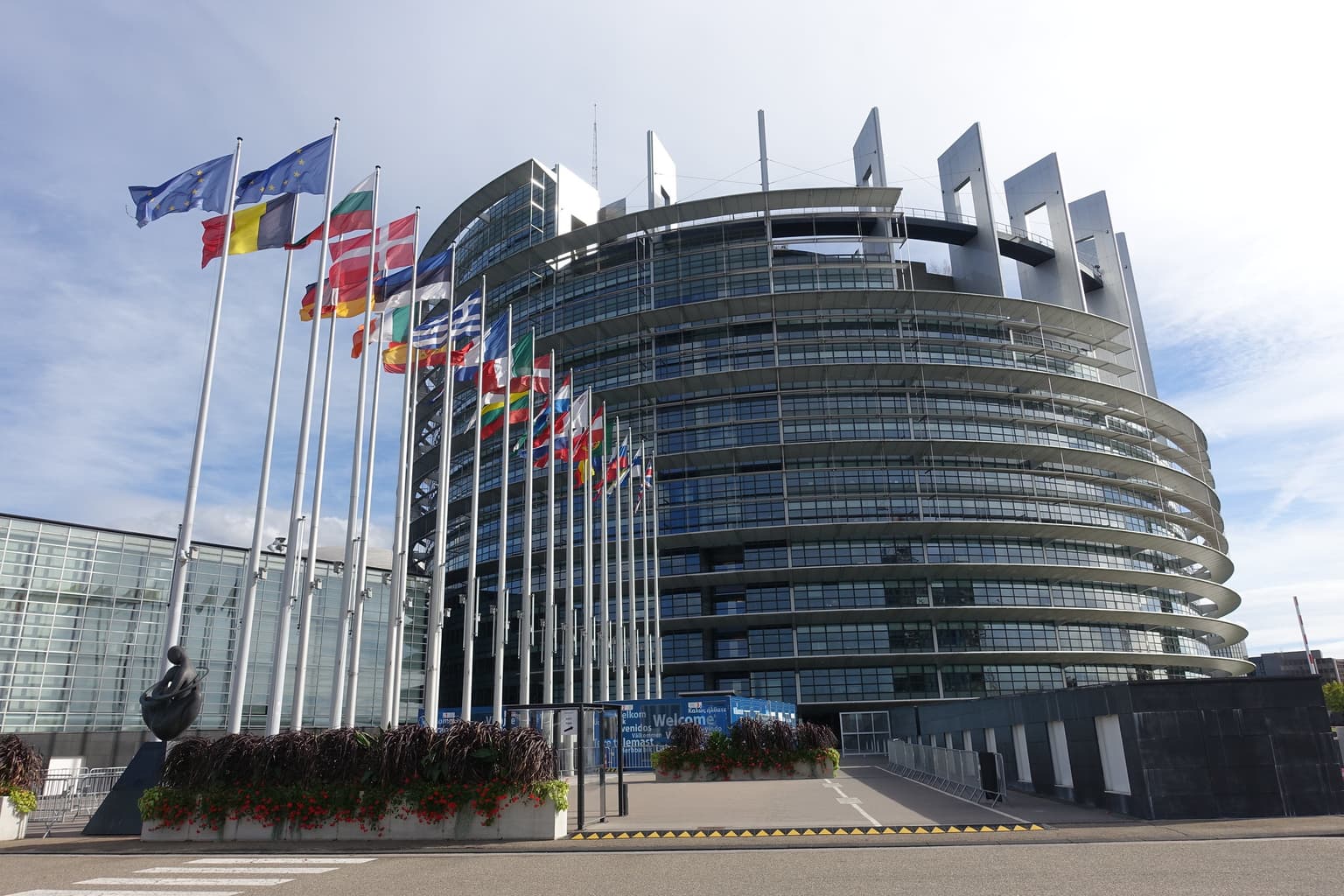
The European Parliament has given the Council of the EU the green light to begin talks on reforming the EU electricity market. However, the Council is currently deadlocked over disagreements, particularly between Germany and France. The main point of contention is funding for nuclear energy. Spain, which holds the rotating presidency, is actively seeking to resolve the disputes and sent out its first official reform proposal last week in response to previous talks.
One of the aims of the planned reform of the European electricity market is to better protect consumers from price fluctuations. Among other things, the European Commission wants to prevent explosive increases in energy prices for consumers. Under the European Parliament’s negotiating position, adopted this Thursday in Strasbourg, citizens should have the right to contracts with both fixed and dynamic prices.
Energostat: electricity generation in Czechia
Energostat: electricity generation in Germany
Translation disclaimer
This article is a machine translation of the Czech original and has not yet been fully reviewed. In case of any doubt, please refer to the Czech version.
Sdílejte článek prostřednictvím:
Topics:Energy Weekly
You might also like

4 November 2026, 12:34
4 November 2026, 09:09