
28 October 2026, 15:10
Loading...
Top 10 energy stories of the past week
oEnergetice.cz
2 June 2024, 21:53
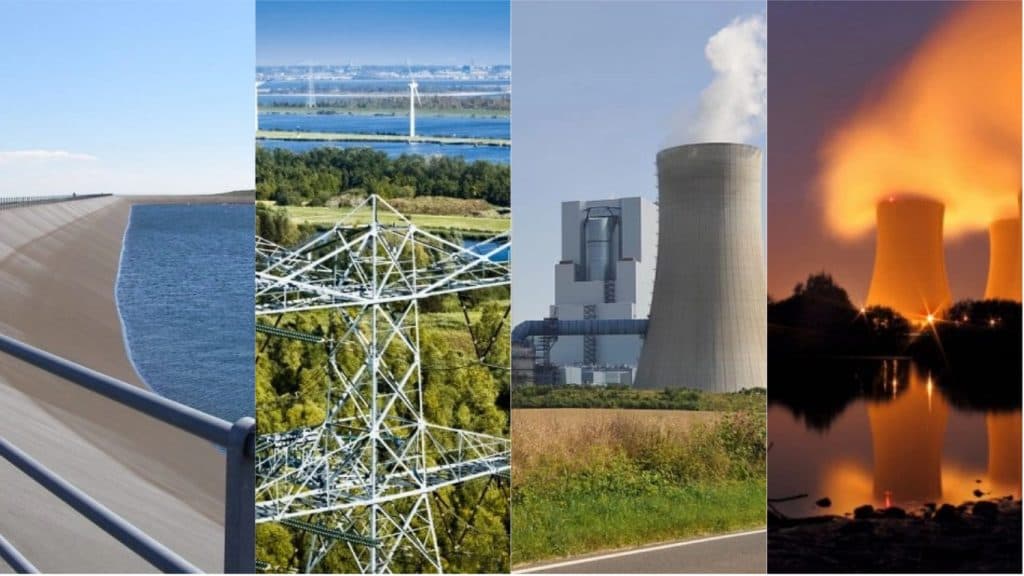
1. LNG vs. domestic coal: What is the carbon footprint of liquefied gas?

Ekonomický deník published an interview with Robert W. Howarth of Cornell University, a member of the prestigious Ivy League (an association of elite private schools in the northeastern United States). In the interview, Howarth draws attention to the carbon footprint of liquefied natural gas (LNG) and compares it with that of other fossil energy sources.
The main problem with LNG is not the emissions produced when it is consumed, but above all methane emissions from leaks during handling. Methane can leak during extraction and transportation and, in the case of LNG, during liquefaction and subsequent regasification. According to the Intergovernmental Panel on Climate Change (IPCC) at the UN, methane is responsible for around 30 percent of all global warming observed since the mid-19th century.
2. Another company is ending solar panel and battery production in Germany, moving it to Asia
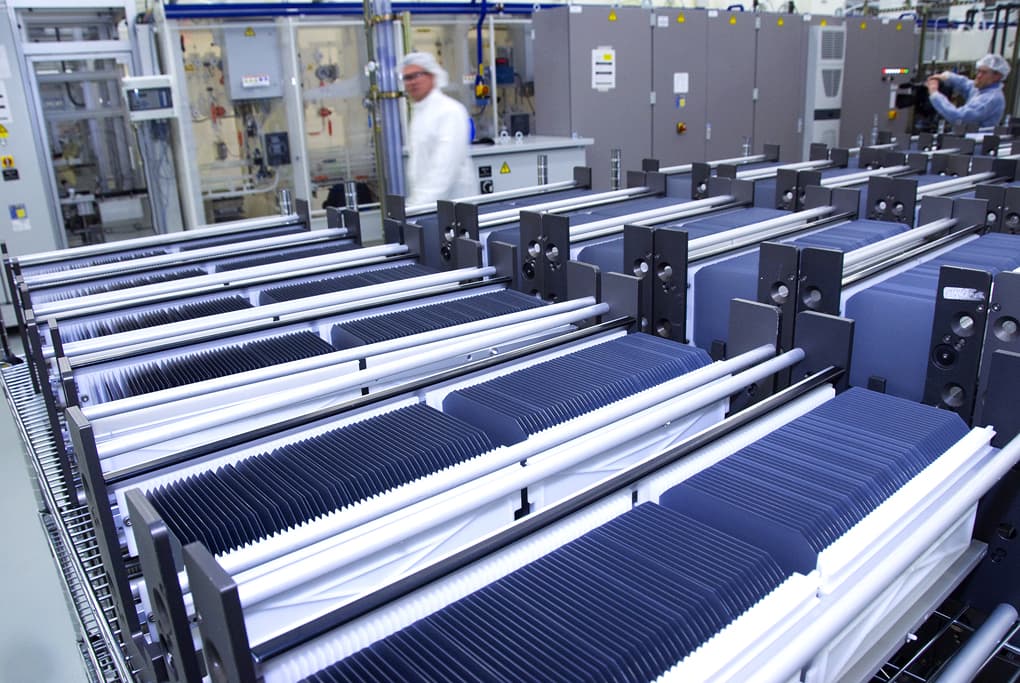
As Europe seeks to kick-start a domestic supply chain for renewables and batteries, existing manufacturers are withdrawing from the market. The latest example is Solarwatt, which plans to move battery production from Germany to Asia. In April, the company had already announced that it would end production of photovoltaic panels in Germany.
European industry continues to face higher energy prices than competitors in the United States and Asia. In some cases, these high costs are prompting local industry to move to those regions. Solarwatt will join the ranks of these companies by the end of this year, moving battery production from Europe to Asia as well.
3. Hungary signs agreement with Belarus on assistance with nuclear construction
Hungary today signed an agreement with Belarus on assistance with the construction of additional nuclear units in the Central European country. Hungarian Foreign Minister Péter Szijjártó said this in a press statement during a visit to Minsk, according to Reuters.
The project, called Paks 2 and overseen by Russia’s Rosatom, involves expanding the existing Paks nuclear power plant in central Hungary and building two nuclear reactors with a combined capacity of 2.4 gigawatts.
4. European Commission approves 3.2 billion euros in aid for Czechia to generate electricity from cogeneration
Brussels, May 27 (CTK) – The European Commission (EC) has approved a state aid scheme worth 3.2 billion euros (75 billion Kč) for Czechia to support electricity generation at new and modernized power plants that enable combined heat and power (CHP). The Commission announced this today in a press release. The measure will contribute to implementing the Czech National Energy and Climate Plan and the European Green Deal, and to meeting the EU’s energy efficiency target.
Czechia had previously informed the European Commission of its intention to support electricity generation at highly efficient combined heat and power plants. The state aid scheme is expected to remain in force until December 31, 2025. Its estimated budget is the aforementioned 3.2 billion euros.
5. EU does not need gas supplies from Russia, German economic institute says
Natural gas supplies to Germany and other European Union countries will be secure in the long term even without supplies from Russia. This is the finding of an analysis by the German Institute for Economic Research (DIW), reported by the international outlet Clean Energy Wire.
Researchers at DIW said that natural gas demand could be met without imports from Russia even if consumption were higher through 2030.
6. Methane emissions to be controlled in the EU as Council approves long-awaited regulation
The Council of the European Union on Monday approved another part of the Fit for 55 package: a regulation on methane emissions. Methane, along with carbon dioxide, is a greenhouse gas, and emissions of these gases are to fall by 55% by 2030. The regulation aims primarily to reduce methane emissions in the energy sector, which accounts for up to 19% of total methane emissions in the European Union.
The methane emissions regulation is the first piece of legislation specifically targeting methane emissions. It introduces new requirements for measuring, reporting and verifying methane emissions in the energy sector.
7. Germany accelerates its hydrogen revolution: New law will facilitate infrastructure development

The German cabinet has approved a draft law designed to accelerate the development of hydrogen in Germany’s energy sector. Building hydrogen infrastructure would become a priority and be granted “overriding public interest” status, which would simplify the approval process by cutting red tape. Numerous international media outlets reported the news.
Germany aims to reduce greenhouse gas emissions by ideally 36 to 41 million tonnes a year to achieve climate neutrality by 2045 (it currently cuts emissions by around 15 million tonnes a year). To achieve this, the country must significantly improve energy efficiency and greatly accelerate the development of renewables, while ensuring an adequate supply of hydrogen. This last item is therefore the main focus of the new draft law.
8. Diplomats: Czechia and Germany push to end imports of Russian energy commodities into the EU
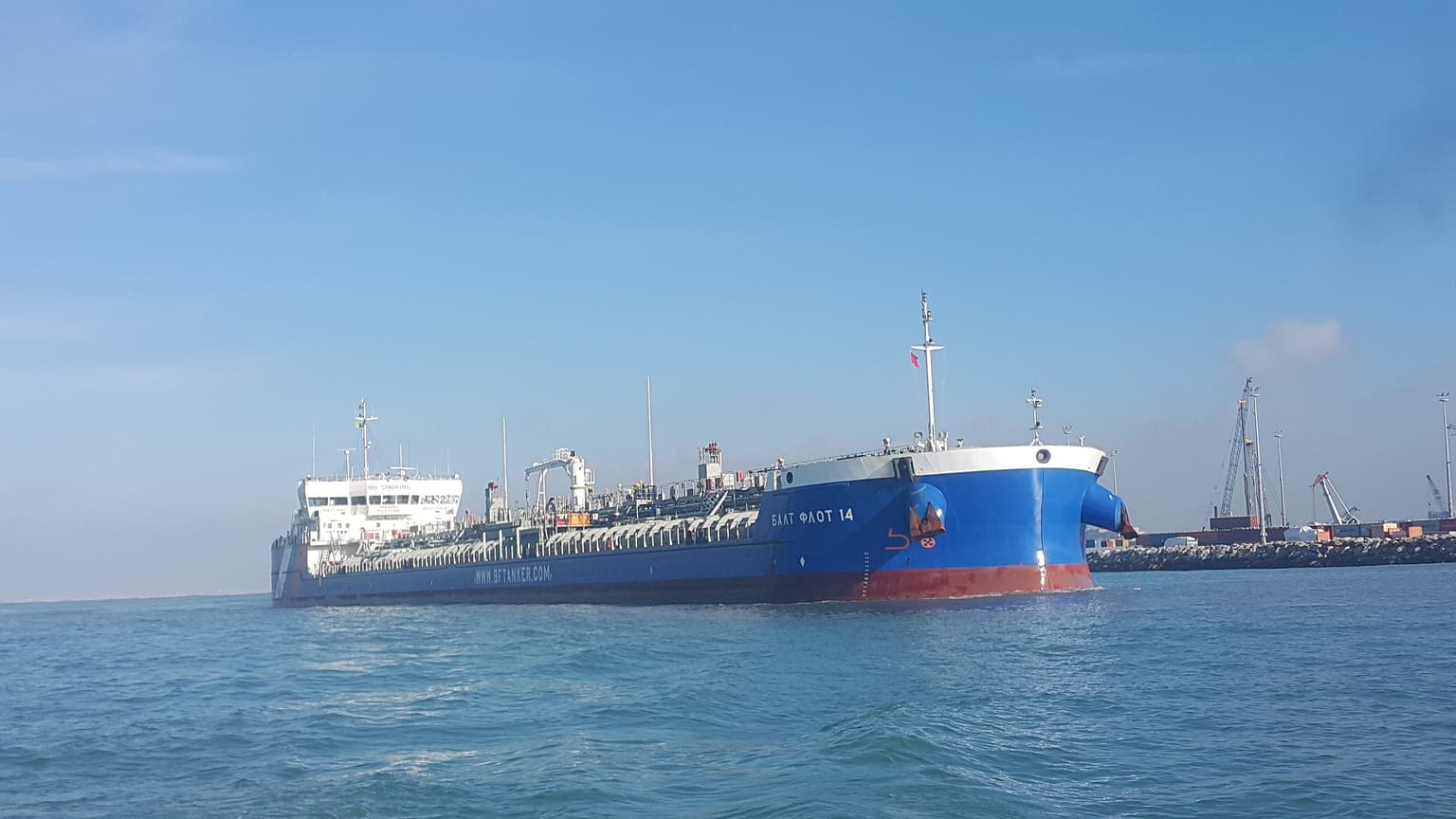
Czechia and Germany are putting pressure on the EU to end the remaining imports of Russian energy commodities. According to Reuters sources, the countries want to ask the EU to start regular talks between member states on how to end these imports. The EU has so far banned or significantly restricted imports of coal, oil and oil products. It has not yet imposed sanctions on imports of natural gas or nuclear fuel.
Imports of energy commodities from Russia to the EU have fallen significantly over the past three years. While sanctions have restricted imports of coal, biomass and oil, Russia itself halted natural gas supplies to a large number of customers. The shutdown of the Nord Stream gas pipeline and its subsequent sabotage had a particularly severe impact on Germany and Czechia.
9. EU approves rules to develop clean technologies made in Europe
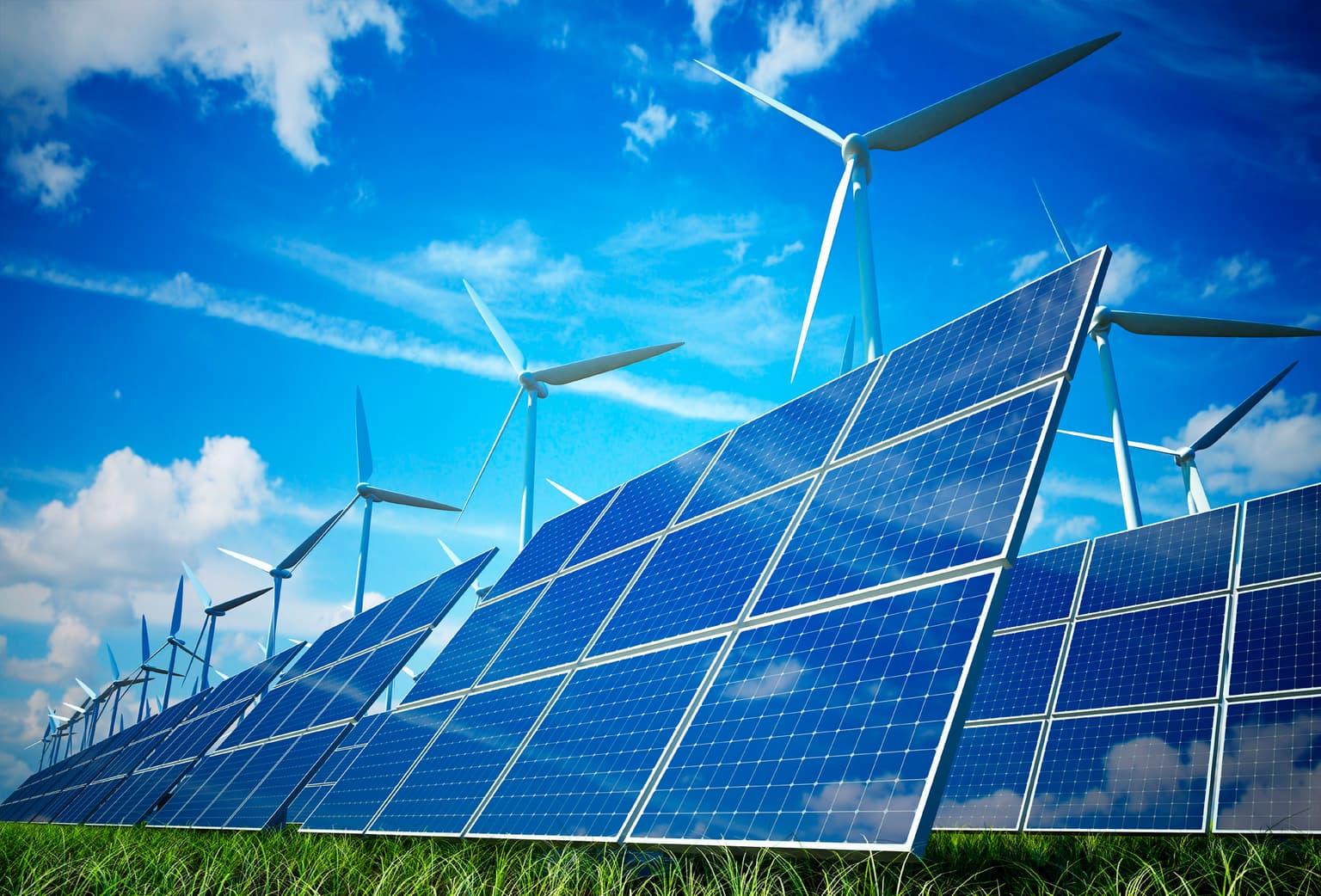
The EU Council, made up of ministers from each member state, on Monday approved rules intended to kick-start clean technology production across the bloc. The initiative, known as the Net-Zero Industry Act, was proposed by the European Commission in March 2023. Its aim is to strengthen the EU’s competitiveness and the resilience of its energy system to external shocks. In some areas, however, it may be overly ambitious.
The European Commission proposed the Net-Zero Industry Act (NZIA) in March last year. The Act aims to expand clean technology production in the EU, or increase manufacturing capacity for technologies that support the transition to clean energy sources. The initiative sets a target of meeting at least 40 percent of annual deployment needs by 2030. These technologies include, in particular, solar power plants, onshore and offshore wind farms, electrolyzers and fuel cells, heat pumps and others.
10. Italy’s ambitious plans: Nuclear could account for a tenth of installed capacity by 2040

Like many other European countries, Italy has highly ambitious plans for nuclear power. After lawmakers lifted the ban on building nuclear power plants relatively recently, those plans are beginning to take shape. According to a representative of the country’s energy ministry, nuclear power could account for around 10% of installed capacity by the end of the next decade.
Italy’s nuclear renaissance does not yet have fully defined plans, but they are gradually taking shape. Francesca Salvemini, head of the technical secretariat at the Italian energy ministry, said the country is working to accelerate the development of future scenarios. Alongside nuclear power, the country is also planning a major expansion of renewables.
Energostat: electricity generation in Czechia
Energostat: electricity generation in Germany
Translation disclaimer
This article is a machine translation of the Czech original and has not yet been fully reviewed. In case of any doubt, please refer to the Czech version.
Sdílejte článek prostřednictvím:
Topics:Energy Weekly
You might also like

28 October 2026, 13:08

28 October 2026, 11:10

28 October 2026, 09:08
