Top 10 energy stories of the past week

This week, we once again bring you a carefully curated list of the ten most important articles published on oEnergetice.cz. If you missed any of them, here is a selection of the articles that caught our readers’ attention the most. Good luck in the new week!
1. Electricity prices climb into the hundreds of euros as Germany and its neighbours are hit by a lack of wind
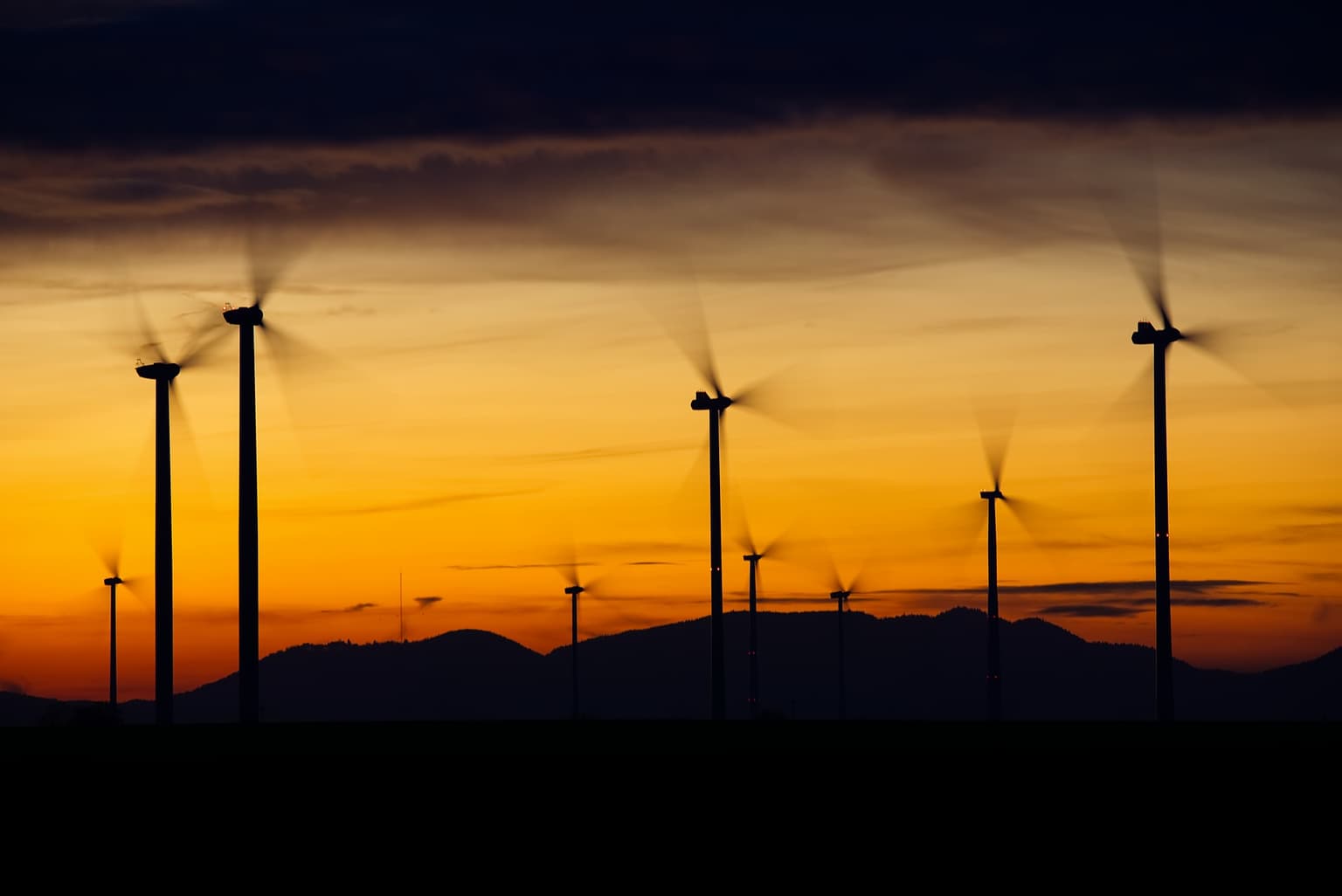
Electricity prices on European spot markets are climbing into the hundreds of euros per megawatt-hour this week. The reason is currently low electricity generation from renewable sources, particularly wind power in western Europe and above all Germany. Low supply on the interconnected European electricity market is also pushing up prices in the Czech Republic. Prices for the current hours have reached as much as 800 EUR/MWh during this evening’s peak.
With the growing share of renewables, European short-term electricity markets are becoming increasingly volatile. While local markets have faced a record number of zero or even negative prices this year, they are similarly exposed to the risk of high prices. This week—and today in particular—is a case in point.
Read the full article HERE.
2. China launches flagship of its nuclear power sector, the CAP1400 reactor

The first of Huaneng Group’s two Guohe One demonstration reactors in China’s Shandong province has been connected to the grid. The 1,400 MWe CAP1400 pressurised water reactor is intended to be the flagship of China’s nuclear power sector, for both domestic use and export.
At a press conference on 31 October, Dong Wancheng, deputy director of the National Energy Administration’s (NEA) Department of Development and Planning, announced that the first CAP1400 unit at Shidaowan had been successfully connected to the power grid. The reactor will now undergo successive power-raising tests and several stages of verification before officially entering commercial operation.
Read the full article HERE.
3. Oil exemptions and Czech reality: Why are we still paying Russia billions?

Since the start of the war in Ukraine, the Czech Republic has paid five and a half times more for Russian energy than it has provided in aid to Ukraine. While the situation with gas seemed to have been resolved, data show that supplies rose again in the first half of 2024. Oil imports have long stood at between 50 and 60 per cent. The news website Politico reported on the balance of Czech energy imports.
The report draws on findings from a study by CREA (Centre for Research on Energy and Clean Air), which states that the Czech Republic has paid more than 7 billion EUR for Russian oil and gas since the start of Russia’s invasion on 24 February 2022, generating more than 2.3 billion EUR in tax revenue for Russia. By comparison, according to data from the Kiel Institute for the World Economy (IfW Kiel), Ukraine received 1.24 billion EUR in aid over the same period.
Read the full article HERE.
4. New law complicates the rollout of smart meters in Germany
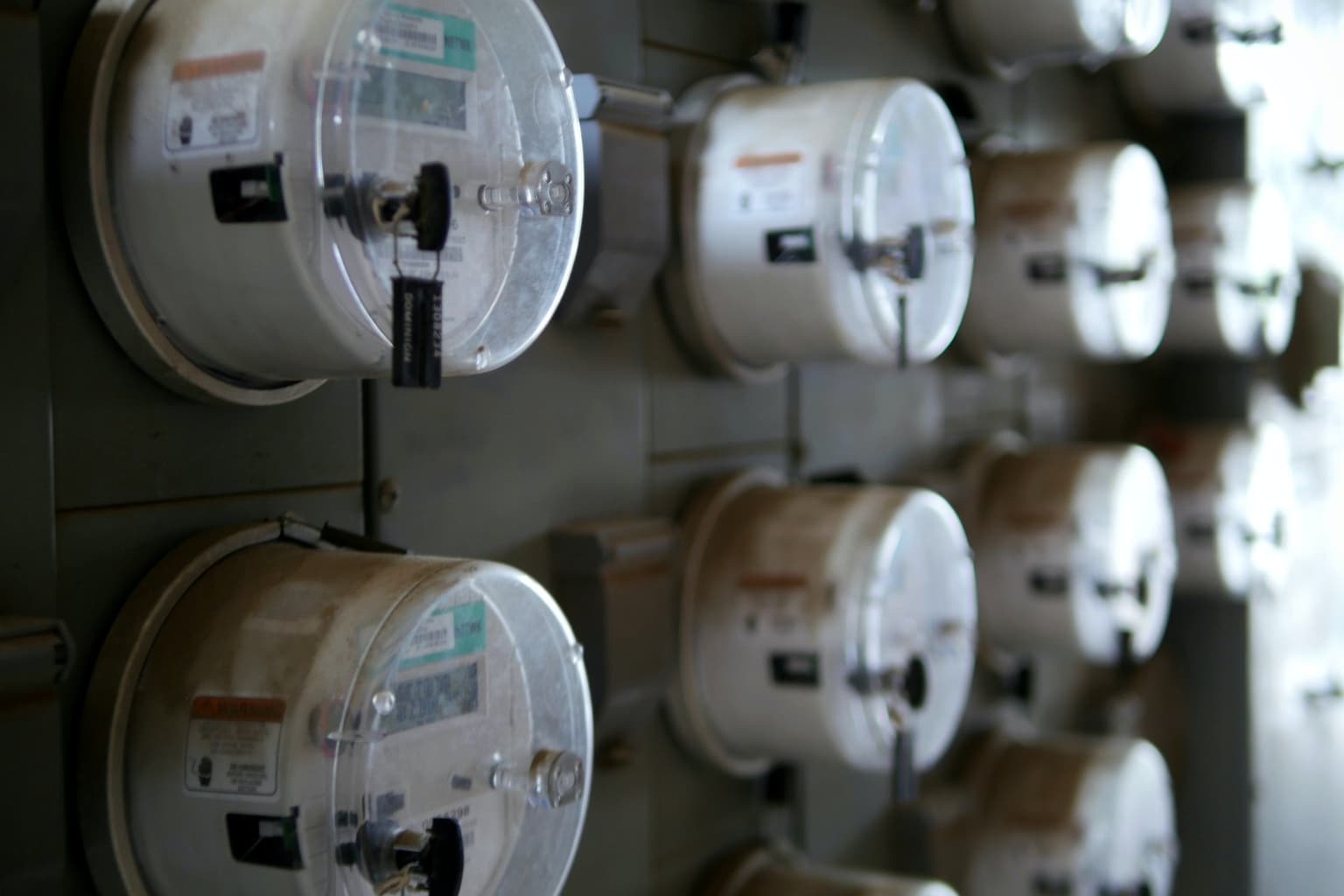
Under a new draft law from the German government, not all households will be entitled to a smart meter from 2025, as originally planned. Annual fees for smart meters will also rise several-fold. The rollout of smart meters in Germany, one of the slowest in the EU, is therefore facing further obstacles.
The widespread rollout of smart meters is a cornerstone of the energy transition. The introduction of modern technologies in households and businesses depends on being able to measure electricity consumption throughout the day.
Read the full article HERE.
5. LEX OZE III amendment: Consumer flexibility and new opportunities for solar PV and batteries
The LEX OZE III amendment to the Energy Act will allow end consumers to provide balancing services through flexibility aggregators, which could, for example, improve the returns on investments in solar power plants paired with batteries. An EDF pilot project in London showed that revenue from these services can exceed the savings from self-consumption. Flexibility from distributed energy resources can also help limit the need for physical upgrades to distribution grids.
The LEX OZE III amendment to the Energy Act, which is expected to be approved by the end of 2024, should enable end users of electricity to provide balancing services through flexibility aggregators. Flexibility could be provided by both small consumers, such as households operating photovoltaic systems (PV), batteries and controllable appliances, and large consumers such as shopping centres, data centres and industry. Consumers will be paid for providing these services.
Read the full article HERE.
6. Coal production decline in Czechia accelerates, with one-fifth less mined so far this year
Coal mining in the Czech Republic has continued to fall sharply this year. By the end of August, a total of 15.3 million tonnes of lignite and hard coal had been mined in the country, one-fifth less year on year. Production was traditionally driven mainly by lignite mining, which accounted for 95 per cent of the coal extracted. Coke production also declined. This is according to statistics from the Ministry of Industry and Trade (MPO).
The decline in mining is continuing after last year, when the volume extracted fell by 15 per cent compared with 2022. However, the previous year was heavily influenced by the energy crisis and greater use of coal in power plants. This year, the gradual phase-down of mining—which is linked to the government’s plan to move away from burning coal in power and heating plants after 2030—is accelerating.
Read the full article HERE.
7. Finance Ministry to present funding for second Dukovany unit to government in November

The Ministry of Finance will present the government with a proposal to finance the construction of a second new unit at the Dukovany nuclear power plant by the end of November. The proposal will be based on the already approved financing for the first unit, although it will not be identical. Finance Minister Zbyněk Stanjura (ODS) told reporters today. The new units at Dukovany are to be built by South Korea’s KHNP, with the investor being the semi-state-owned energy company ČEZ.
Stanjura said preparations for the financing model had been slowed by the September floods, which the ministry had to respond to. However, he said the original timetable for submitting the proposal to the government still stands, after which Czechia will ask the European Commission to approve the financing model. Preliminary plans envisage the state financing construction through repayable loans.
Read the full article HERE.
8. Faster permitting for renewables: Ministry reveals key document

At the end of October, the Ministry of the Environment presented a draft of the Methodology for selecting areas to accelerate the use of renewable energy sources (RES) in the Czech Republic. The document is intended to help the country meet its target for RES in final energy consumption of 30% by 2030. Companies involved in developing RES projects are likely to welcome the move, although the position of some local authorities remains an open question.
The methodology is expected to be approved in the first quarter of 2025, and a working draft is currently being discussed with stakeholder groups. However, the accompanying materials already offer an indication of where RES projects could benefit from faster permitting in the future.
Read the full article HERE.
9. US tech companies bet on nuclear power to secure emissions-free energy for data centres
This year’s boom in data centre construction plans in the US has triggered enormous demand for new electricity sources, primarily emissions-free ones. The trend could boost investment in nuclear power and innovations such as small modular reactors. One example is a memorandum of cooperation signed by technology company Amazon and energy company Dominion Energy in the state of Virginia. Recent reports suggest that other tech giants are also looking in the same direction.
The recent surge in plans to build data centres in the United States has created demand for new energy sources capable of providing a steady supply of electricity. One place where this trend is being felt in full is the southeastern state of Virginia.
Read the full article HERE.
10. ČEPS signs Engagement Pact

Today in Brussels, the Czech transmission system operator ČEPS joined the “Engagement Pact” during the PCI Energy Days event organised by the European Commission. The document calls in particular for meaningful and responsible stakeholder engagement in the development of energy infrastructure.
The Pact for early, regular and meaningful stakeholder engagement and regulatory support (the “Pact”) is one of the measures proposed in the 14-point “EU Action Plan for Grids”. The European Commission presented the plan on 28 November 2023 with the aim of strengthening Europe’s electricity grids and enhancing their interconnection, digitalisation and cyber resilience. The Commission also called on Member States, national regulatory authorities, transmission and distribution system operators, project developers and civil society to join the Pact and work together to ensure meaningful stakeholder involvement in grid development.
Read the full article HERE.
Feature
Michal Macenauer (EGÚ Brno): We need not worry about having enough electricity; broadly speaking, it is only a matter of the final price

Recently, media reports have been discussing an early phase-out of coal in the Czech Republic. The phase-out was originally expected around 2033, but 2028 is now being mentioned. The main reason is simply that coal is no longer profitable for operators. This may raise concerns about the security of heat and electricity supply.
At oenergetice.cz, we would like to present you with a range of perspectives on this issue. In the coming weeks, we will publish a series of exclusive interviews in which representatives of different viewpoints will answer a similar set of questions about the end of coal in the Czech Republic.Read the full article HERE.
Energostat: electricity generation in the Czech Republic
Energostat: electricity generation in Germany
Find more up-to-date charts and data on Energostat
Translation disclaimer
This article is a machine translation of the Czech original and has not yet been fully reviewed. In case of any doubt, please refer to the Czech version.