
20 November 2026, 17:31
Loading...
Top 10 energy stories of the past week
oEnergetice.cz
25 June 2023, 21:15

1. German government approves controversial climate protection law reform
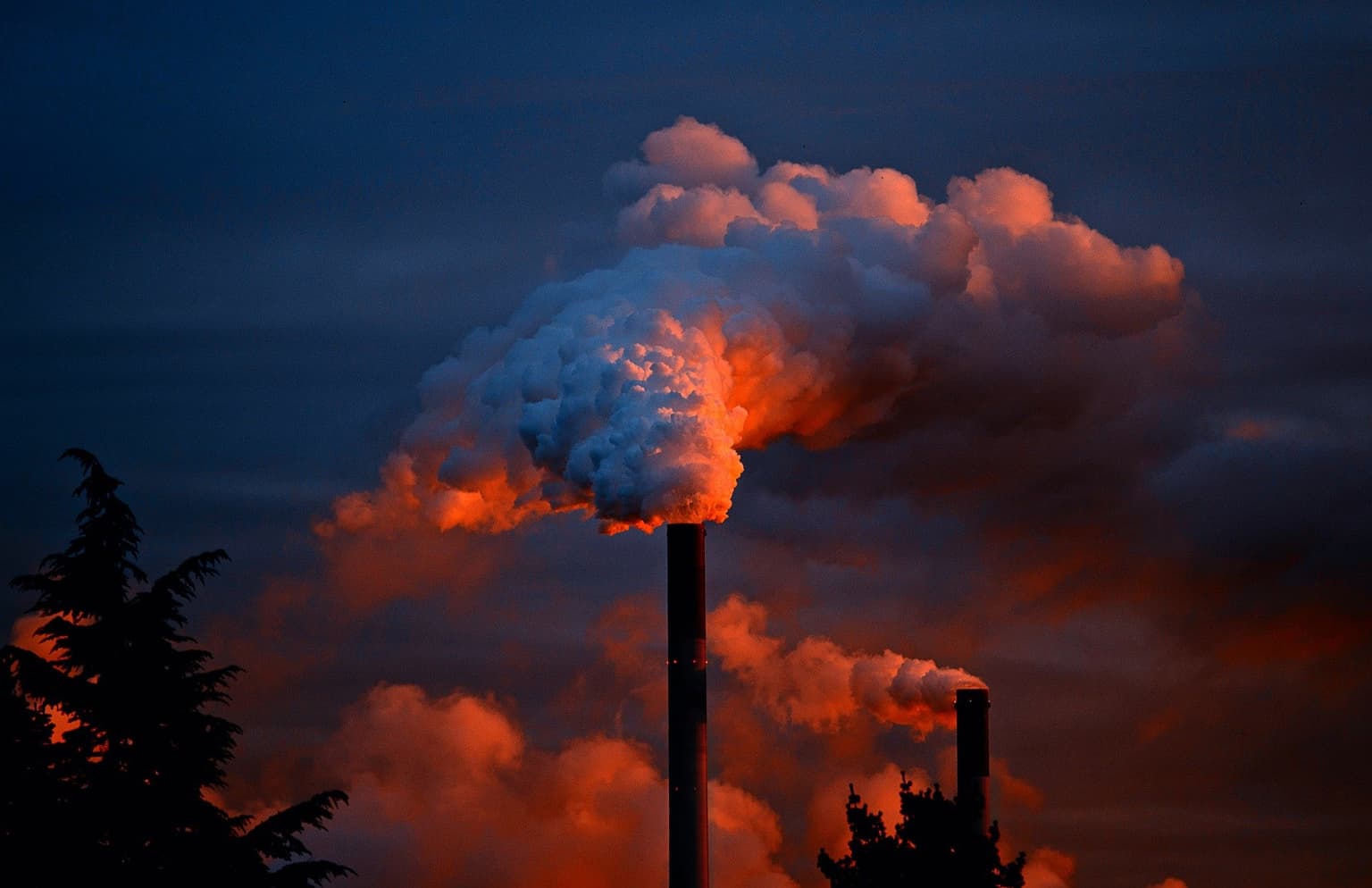
The German government has approved a controversial reform of its climate protection law that would effectively weaken ministries’ accountability for failing to meet emissions targets in specific economic sectors. Failure to meet emissions reduction targets in one sector could be offset by achieving greater reductions in other sectors.At the heart of the proposed reforms is a shift away from Germany’s current focus on annual emissions reduction targets for individual sectors and mandatory short-term action by the responsible ministry if they are missed. Instead, the approach will span multiple sectors and focus on forecasts through to 2030.
2. UK-US partnership to develop ultra-fast fusion-powered space rockets

British company Pulsar Fusion has joined forces with US company Princeton Satellite Systems. The two companies will study the use of artificial intelligence to design an ultra-fast fusion-powered space rocket that could reach Mars in just 30 days.By working together and using artificial intelligence to study data from Princeton’s PFRC-2 reactor, the two companies will gain a better understanding of plasma behaviour during electromagnetic heating and confinement in a propulsion system configuration.
3. ČEZ plans major solar project in Tušimice, including Czechia’s largest solar farm

Energy company ČEZ plans to build a major solar project in the Tušimice-Prunéřov area of the Ústí nad Labem Region, which is expected to include the largest solar power plant in Czechia. It could have an installed capacity of up to 87.65 megawatts (MW), more than twice that of the country’s current largest solar power plant. Ekonomický deník reported this today. ČEZ spokesperson Barbora Peterová told the Czech News Agency (ČTK) that the overall project involves several power plants connected to a single grid connection point.ČEZ wants to build the project on a reclaimed brown coal mining site and has now asked the regional authority for approval. Peterová said the project would rank among the company’s largest planned installations. “The planned installed capacity would be 243 MW; in practice, this would comprise several solar power plants connected to a single grid connection point,” she said. The company is currently negotiating a change to the zoning plan and an update to the regional spatial development principles.
4. Germany will need another 100,000 workers to expand solar power
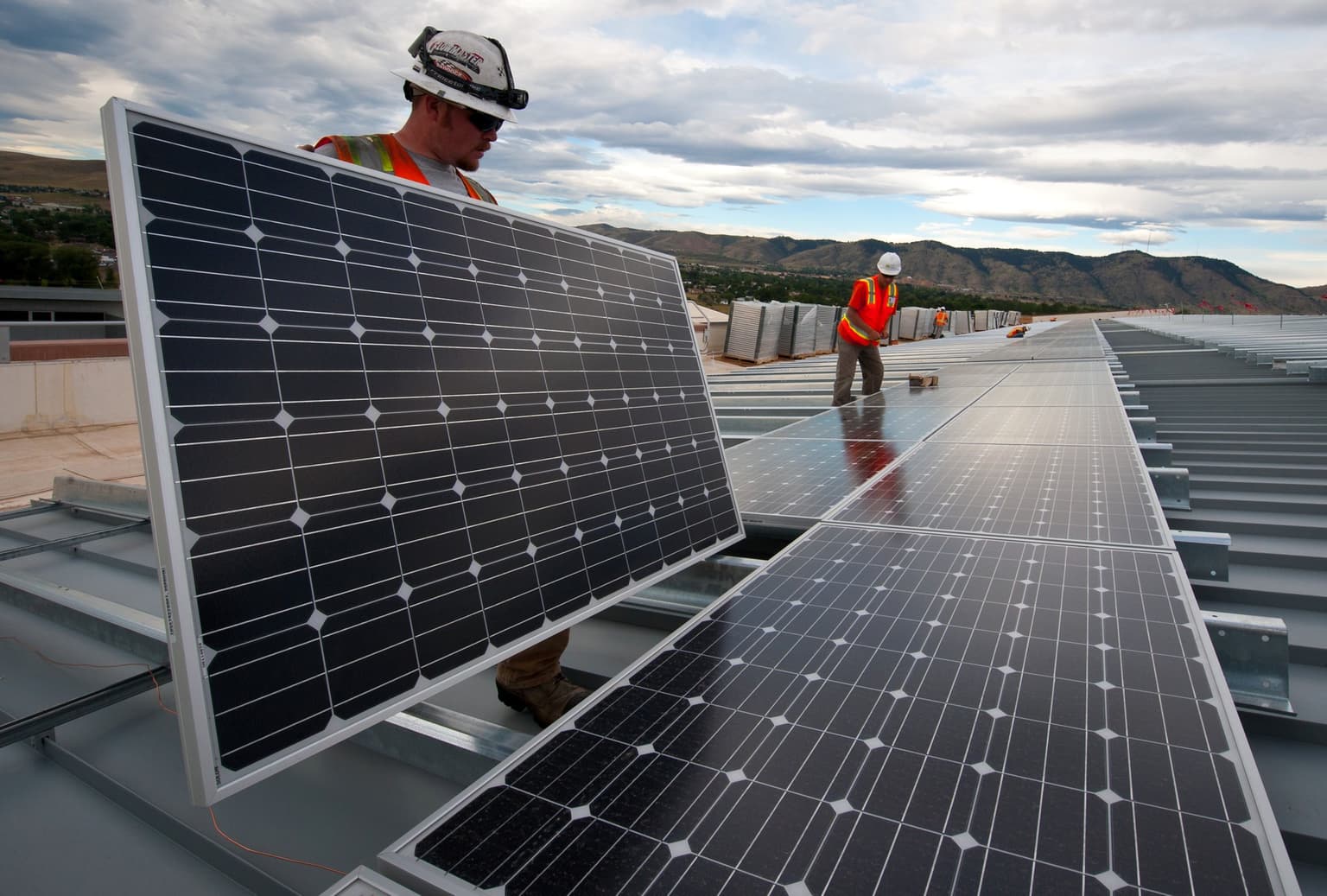
Germany needs to recruit an additional 100,000 skilled workers to meet its solar power expansion targets. Around 65,000 people were employed in the German solar sector at the end of 2022. Clean Energy Wire reported.Germany added 7.4 GW of new solar capacity last year, bringing its total installed capacity to 67 GW. To meet its 2030 target of 215 GW of installed capacity from these sources, the pace of expansion will need to accelerate significantly in the coming years. By 2026, 22 GW of new solar capacity should be installed annually.
5. Wind power expansion in Czechia set to accelerate as ministry supports nearly twice as much capacity
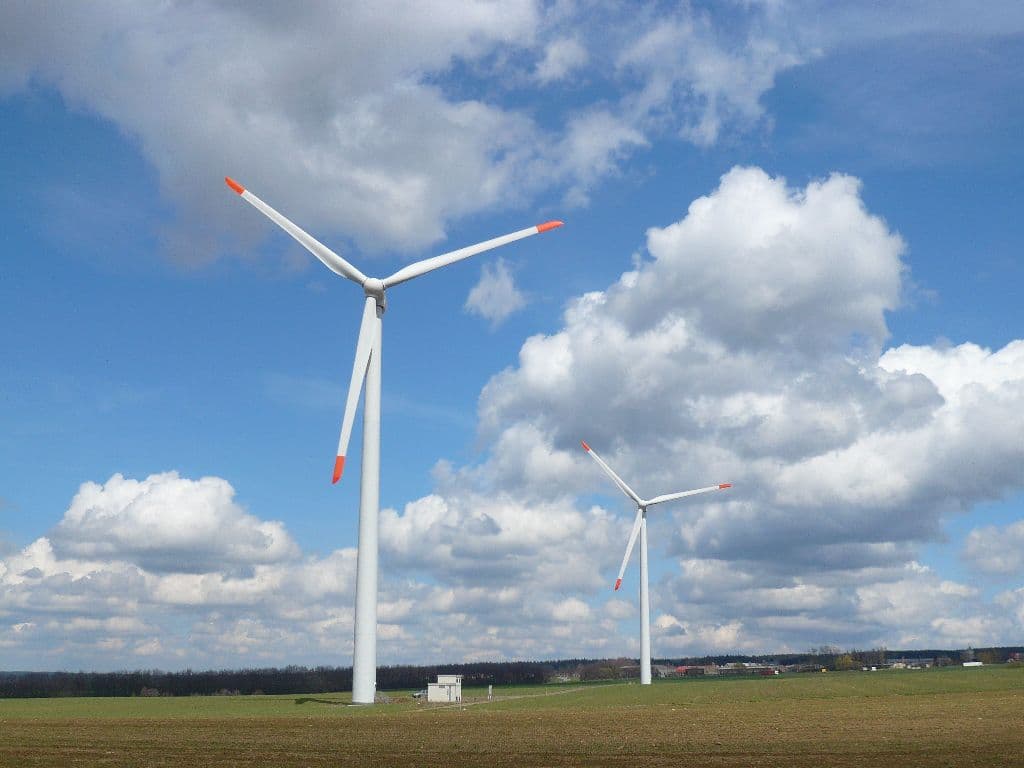
The government has submitted for consultation an amendment to a regulation setting the amount of support available for renewable electricity and heat sources. The regulation will also set new levels for 2025. The Ministry of Industry and Trade has again proposed no operating support for solar power plants in 2025; instead, the state will support up to 240 MW of installed wind power capacity.Since 2022, the government has set annual capacity limits for each type of renewable source eligible for support over the following three years. The government first set the limits in this way last year. The regulation is now being amended for the first time, with a forecast for 2025 being added. The amount of capacity eligible for support in 2023 and 2024 remains unchanged.
6. Commission recognises nuclear energy’s role in achieving climate neutrality targets

France is finally satisfied with the EU deal on the Renewable Energy Directive. The 27 EU member states reached a compromise last Friday that accommodates the interests of the nuclear energy sector.EU countries reached a final agreement on Friday to achieve a 42.5% share of renewable energy in final energy consumption by 2030 through a revision of the Renewable Energy Directive (RED III). Historically pro-nuclear France had remained dissatisfied until the last moment, Euractiv reported. Backed by other pro-nuclear member states, France blocked approval of the agreement by the European Parliament in mid-May, demanding guarantees concerning the production of low-carbon hydrogen from nuclear electricity.
7. Gas flows to US LNG terminals rise as maintenance curbs operations
Natural gas deliveries to US terminals exporting liquefied natural gas (LNG) began to recover slightly in mid-June after falling to a six-month low in the first half of the month. Ongoing routine maintenance will, however, continue to limit the country’s maximum LNG export capacity.Natural gas deliveries to US LNG export terminals again exceeded 11 billion cubic feet per day (Bcf/d) on 16 June, according to S&P Global Commodity Insights data. Just two days earlier, they had fallen to around 10 Bcf/d. US export capacity will nevertheless remain constrained by ongoing maintenance in the coming weeks, as demand for LNG and prices on the global market start to rise again. The recent extension of outages in Norway, which are limiting gas supplies to Europe, has also supported demand growth.8. Government approves energy community bill, enabling electricity sharing
The government approved an amendment to the Energy Act yesterday, paving the way for energy communities in Czechia. These communities will be able to share locally generated electricity via the distribution grid. Industry and Trade Minister Jozef Síkela (STAN) announced the move on Twitter. The amendment will also allow people to share self-generated electricity at a different delivery point, for example, from a holiday cottage to an apartment.
“This will strengthen our energy security, reduce energy bills and help the environment,” Síkela said yesterday.
9. EU advisory board recommends cutting emissions by 90–95% by 2040
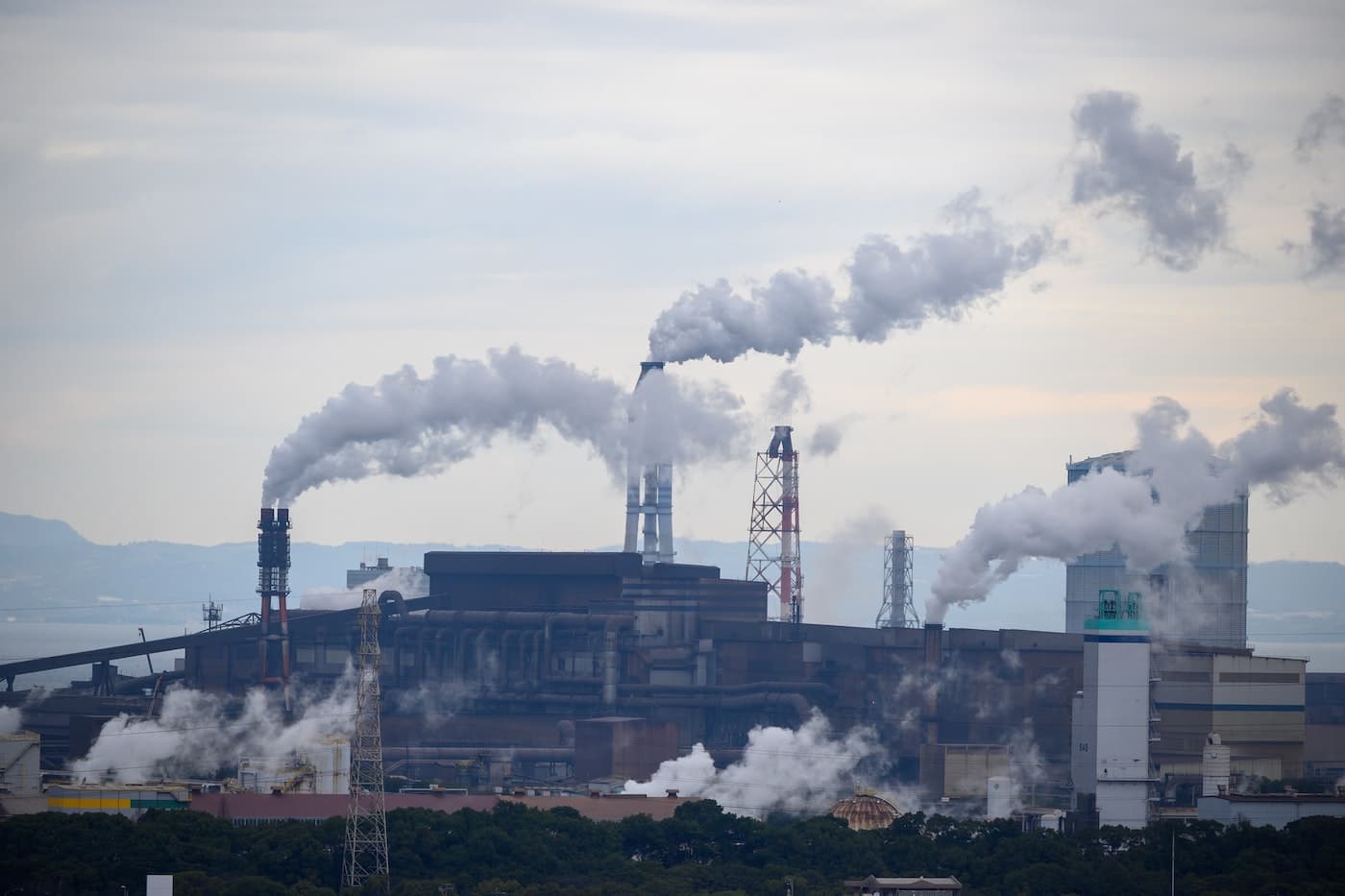
According to a report by the independent advisory board, the EU should cut greenhouse gas emissions by 90–95% by 2040 if it is to achieve climate neutrality by 2050. The recommendation from the European Scientific Advisory Board on Climate Change comes as the European Commission’s public consultation on setting a 2040 greenhouse gas emissions reduction target is about to close. The Commission will then begin work on legislation. Euractiv reported.
Emissions cuts must be feasible and fair, advisory board says
The European Scientific Advisory Board on Climate Change recommends in its report keeping the carbon budget within a limit of 11–14 Gt of CO2 equivalent for 2030–2050. The carbon budget indicates how much can be emitted without global warming exceeding 1.5 °C.10. Capacity mechanisms complicate deal on new electricity market design. Could coal plants benefit too?

A proposal for a new electricity market designis being complicated by a dispute over the future of capacity mechanisms. The new proposal would allow coal-fired power plants to receive support under certain predefined conditions. The approach has been criticised primarily because it conflicts with the European Union’s environmental policy. The European Union is currently preparing a proposal for a new electricity market design intended to prevent a repeat of the 2021 and 2022 energy crisis. The proposal also aims to adapt the market to new environmental targets, including cutting CO2 emissions by 55% by 2030 and achieving climate neutrality by 2050.
Opinion
Can we stand aside on decarbonisation? And do we even want to?
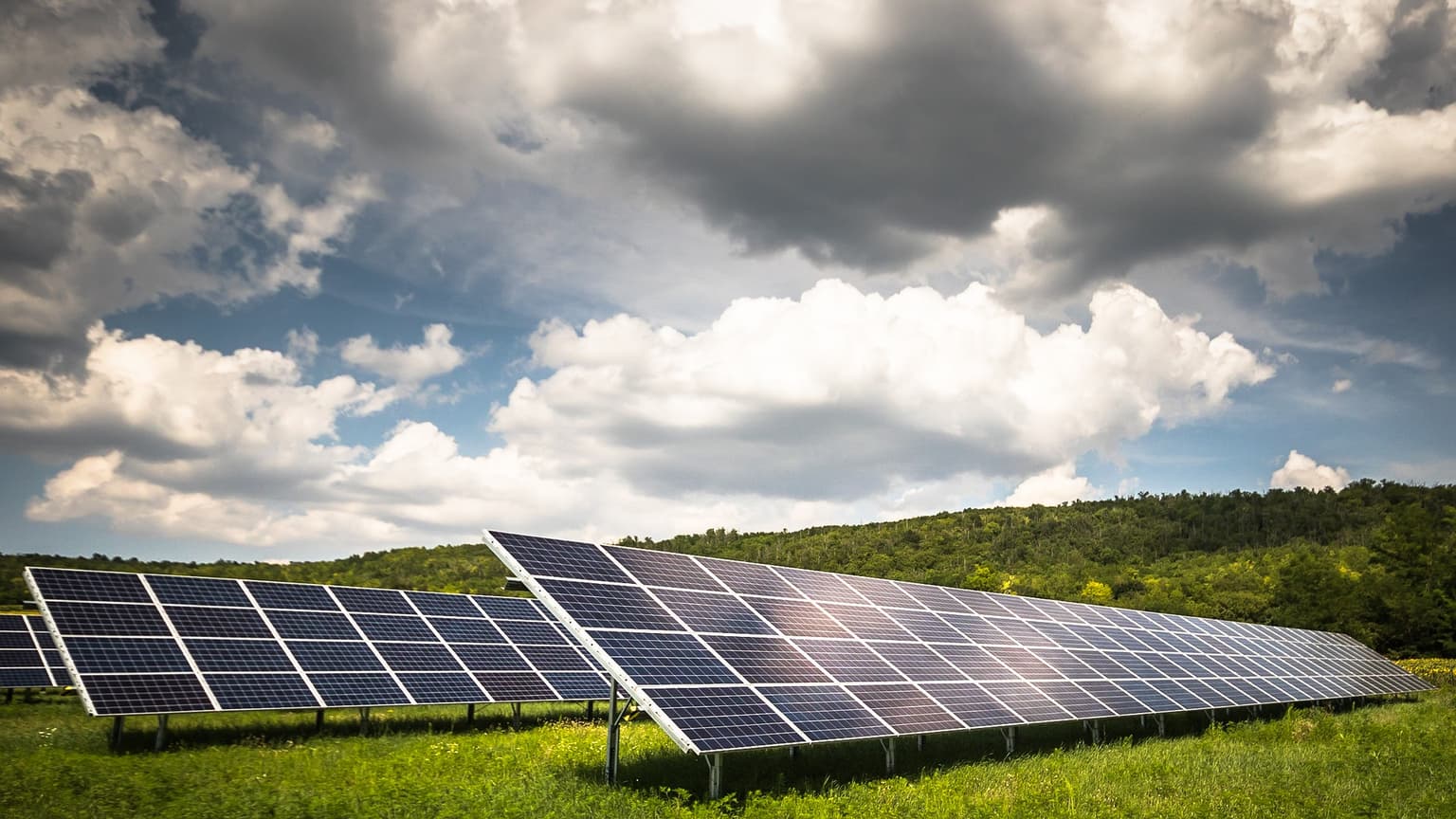
While the whole world is tackling decarbonisation, tiny Czechia still acts as if it has nothing to do with it. But the idea that cutting greenhouse gases is just another political invention to be ignored is extremely dangerous for us. Decarbonisation is currently being driven mainly by major global companies that power the world economy. Those who do not quickly get on this moving train may find there is no next one.At prestigious international energy conferences, the heads of the biggest oil industry players, including Saudi Aramco, ExxonMobil, Chevron, Shell, BP and TotalEnergies, agree: decarbonisation is necessary and is a key part of corporate strategies and budgets. Concrete steps are being taken to achieve it. One company aims to achieve zero emissions from natural gas production in a given area by 2030. Another has increased investment outside oil and gas from around 3% in 2018 to 30% today. European oil companies in particular intend to become the world’s largest energy companies. They will supply oil and natural gas, capture and store the CO2 they produce, and also supply green electricity and, in the future, green hydrogen.
Energostat: electricity generation in Czechia
Energostat: electricity generation in Germany
Translation disclaimer
This article is a machine translation of the Czech original and has not yet been fully reviewed. In case of any doubt, please refer to the Czech version.
The article continues for subscribers
Premium content
The rest of this article is available to premium subscribers only. Get access to all premium articles on oEnergetice.cz.
Best value: annual subscription
Monthly option 4 € / month
3.25 €/ month
Topics:Energy Weekly
You might also like
20 November 2026, 10:58
20 November 2026, 10:19

20 November 2026, 06:51
