29 July 2026, 16:38
Commission yields to industry and “reforms” the emissions trading market – but what will really change?

Martin Voříšek
29 July 2026, 06:35

This article is a machine translation of the Czech original and has not yet been fully reviewed. In case of any doubt, please refer to the Czech version.
The European Commission has presented its long-awaited reform of the EU ETS after 2030. The proposal eases the rate at which the number of allowances in circulation declines, adjusts the operation of the market stability reserve, extends the free allocation of allowances and significantly expands funding for industrial decarbonisation. Subject to conditions, it also lowers the greenhouse gas emissions reduction target to 85% compared with 1990, with the remaining 5% to be replaced by so-called international credits. However, there is a catch. The most important change in the reform is an adjustment of the linear reduction factor, i.e. the rate at which the volume of newly issued allowances is reduced each year. The current factor is 4.3%, and is set to increase to 4.4% from 2028. As the accompanying documents to the package state, if this factor remained in force after 2030, the volume of newly issued allowances would approach zero as early as around 2040.
The Commission therefore proposes reducing the reduction factor to 3.7% between 2031 and 2035, and subsequently to 1.7% from 2036. This would mean that allowances would continue to be issued in the 2040s. It is therefore a noticeable easing of the pace of decline, intended only to align the emissions trading system with the European target of reducing net emissions by 90% by 2040 compared with 1990.
"The linear factor shall be 3.7% from 2031 to 2035 and 1.7% from 2036. The Commission shall publish the Union-wide quantity of allowances by September 2028," states the proposed wording of Article 9 of the EU ETS Directive.
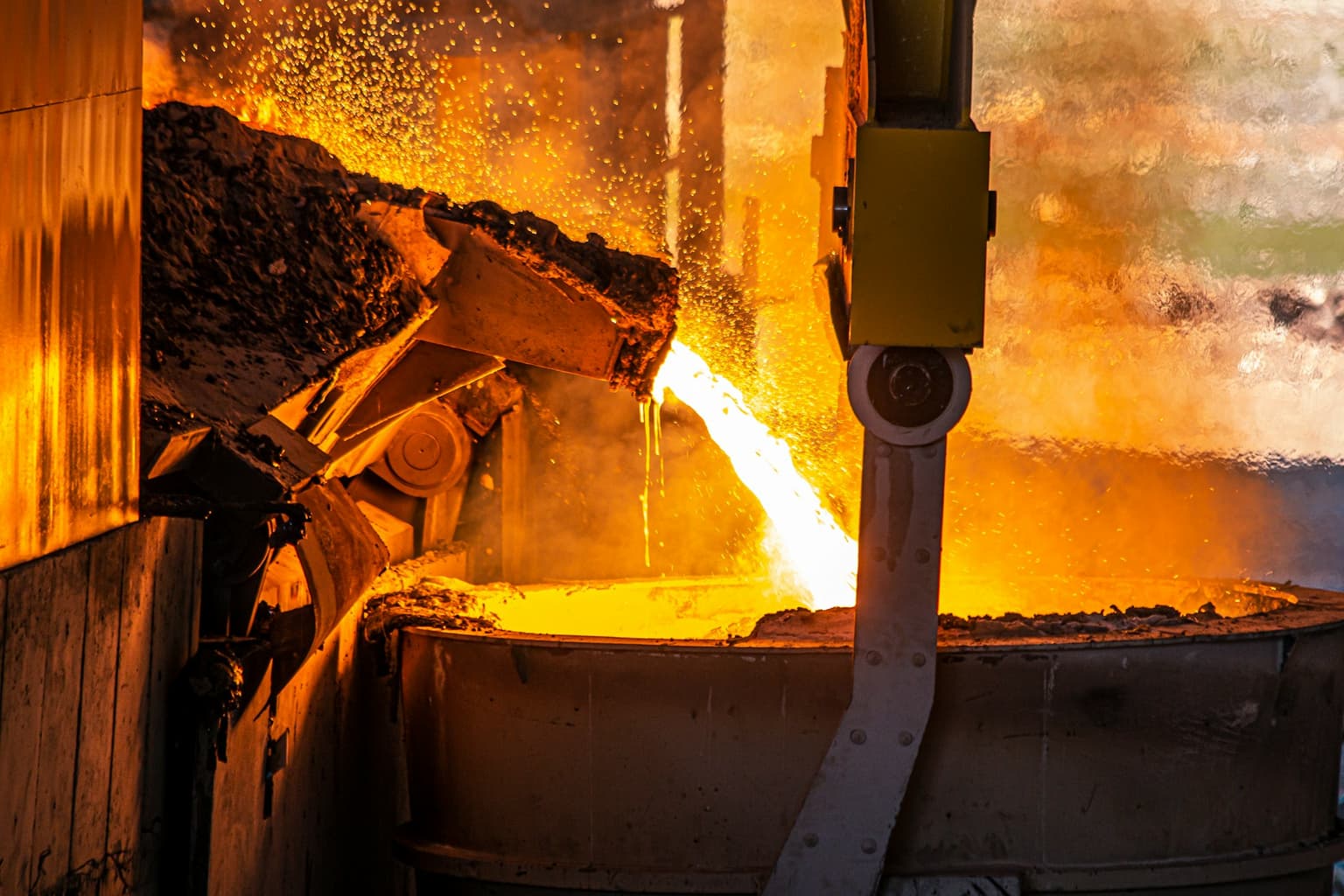
Steel production. Source: Unsplash
For the energy sector, this means that allowances will remain available for longer, but it does not mean the end of pressure on fossil fuel-fired emission sources. The number of allowances will continue to decline, while their price will continue to be determined by actual market demand, the pace of decarbonisation and the deployment of low-emission technologies.
International credits as insurance against an overly rapid decline in allowances
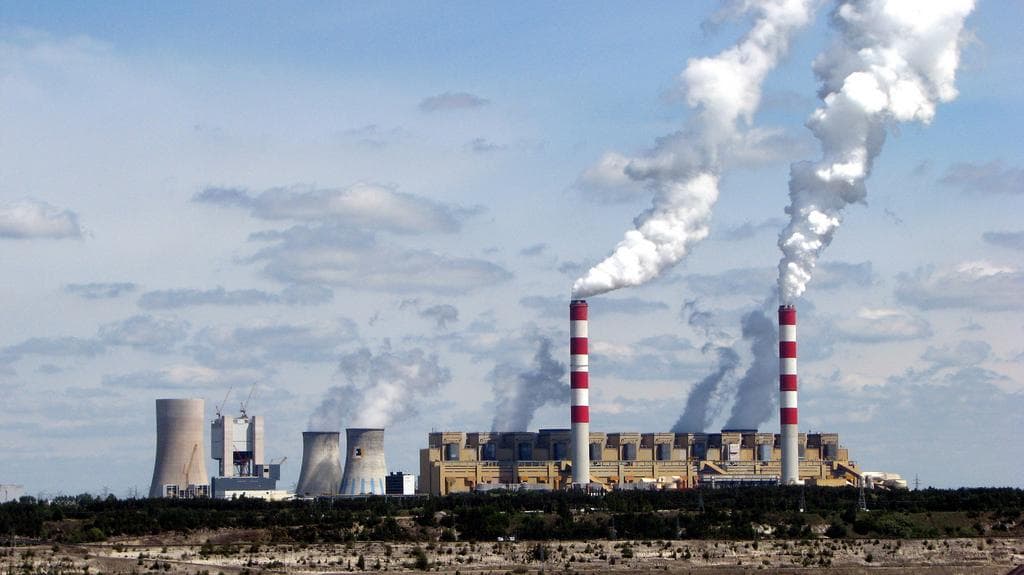
The 5GW Bełchatów power plant is the largest coal-fired power plant in Poland. Source: Fotopolska.eu / Flickr / CC BY-SA 2.0
However, this relief is not automatic. By 31 January 2033, the Commission is to assess whether such credits are available on the international market at all. If a sufficient number of suitable credits is not available, the linear reduction factor will increase to 2.7% from 2036 instead of the proposed 1.7%. The domestic EU ETS emissions trajectory would thus be tightened to correspond to a 90% domestic emissions reduction by 2040.
The market stability reserve is to withdraw allowances more gradually
The market stability reserve is also changing. From 2028, in the event of a surplus of allowances on the market, it is to place only 12% of the surplus into the reserve rather than the current 24%. The reduction of the surplus will therefore be more gradual and spread over a longer period. If the number of allowances in circulation is between 300 and 400 million, the reserve will release only the difference up to the upper threshold, rather than automatically releasing the full 100 million. Both the upper and lower thresholds for reserve interventions are to be reduced by 4% annually from 2029. The newly set and adjusted reserve thresholds respond to the gradual shrinking of the emissions allowance market. The new arrangement is intended to limit situations in which a fixed reserve intervention would represent too large a share of the remaining volume of allowances. Together with the earlier proposal to halt the automatic cancellation of allowances held in the reserve, this is a clear concession to industry demands for greater liquidity and lower price volatility.Free allocation will remain, but will be conditional on investment
Source: Pixabay
Once the plan has been approved, the relevant installation will receive 80% of the corresponding free allocation on an ongoing basis. It will receive the remaining 20% only after it has been verified that the investments were actually made and resulted in a significant reduction in emissions. Exemptions are to apply, among others, to the most efficient installations, low-emission operations, and projects supported by the Innovation Fund or the new Industrial Decarbonization Bank.
"Investments in decarbonisation must correspond to an amount at least equivalent to the economic value of 100% of the free allocation in the relevant five-year period. These investments must be implemented in the EU and result in a significant reduction in emissions at installation level," the proposed Article 10a stipulates.The new system is intended to prevent free allocation from merely reducing operating costs without corresponding modernisation. The proposal also allows several installations to be grouped together, meaning that one or several operators may make the investment on behalf of an agreed group. Compensation for indirect emission costs passed through into electricity prices may also continue. Member States should continue to seek not to spend more than 25% of auction revenues from emissions allowances
Source: ZEVO Plzeň
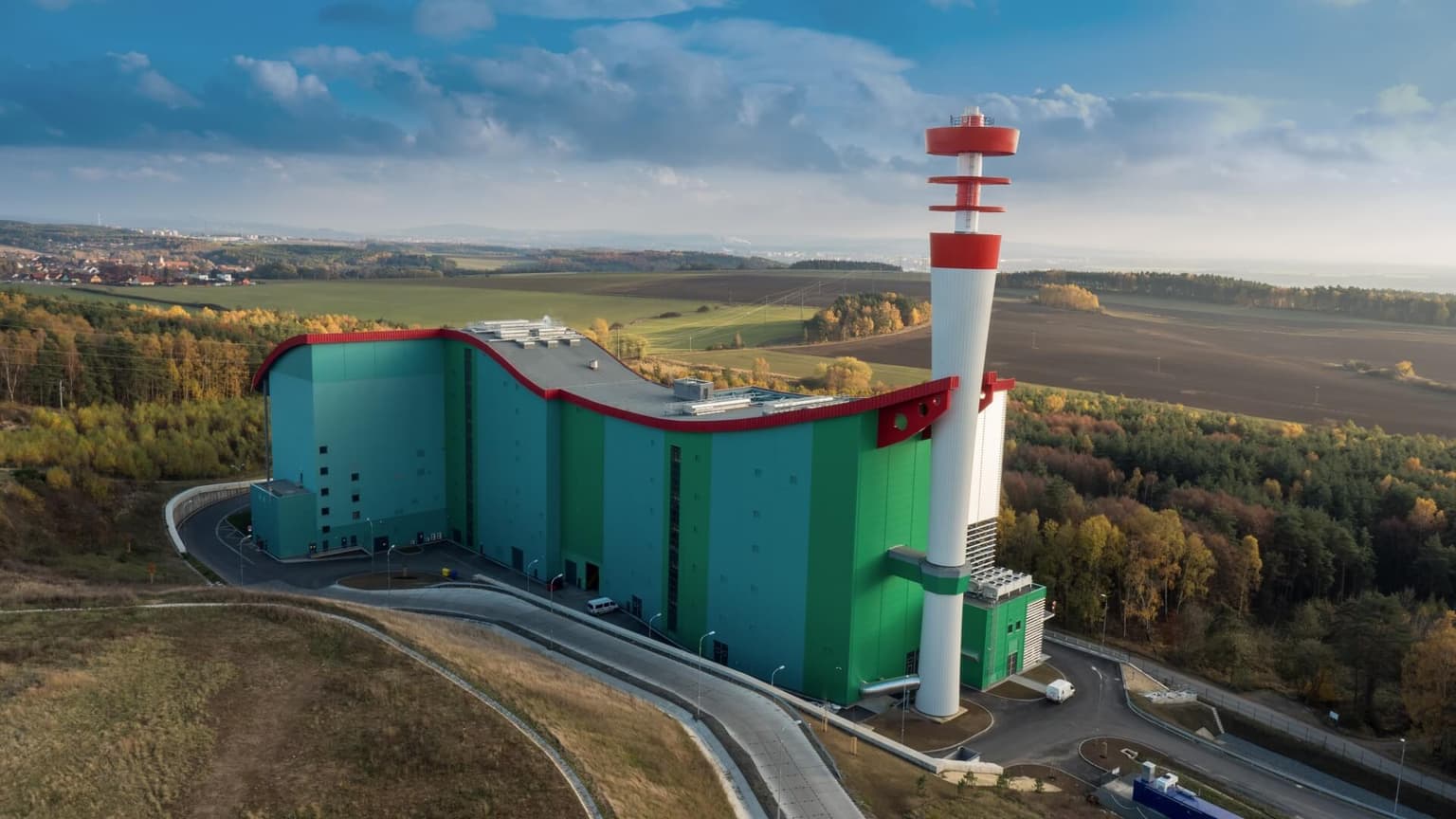
The Commission further proposes retaining free allocation for district heating after 2030. Free allocation is to be gradually reduced to zero by 2040. Conversely, waste incineration plants (waste-to-energy plants) and facilities co-incinerating non-hazardous waste with a capacity of more than three tonnes per hour are also to gradually enter the EU ETS. In 2031, they will surrender allowances for 25% of verified emissions, 50% in 2032, 75% in 2033, and the full volume from 2034.
Hundreds of millions of allowances will return to industry
The main financial instrument of the reform is to be the new Industrial Decarbonization Bank. In the first phase between 2028 and 2030, a total of 400 million allowances will be channelled into it to finance decarbonisation projects through a fixed price per tonne of CO2 emissions saved (i.e. not emitted). At this stage, the Commission expects project support to reach up to EUR 30 billion. The Commission puts the bank's total stated financing volume at EUR 100 billion, but its actual value will depend on the future price of allowances. The Modernisation Fund will also continue in the 2031-2040 period. 2% of the total volume of allowances is to be earmarked to finance it. A further 0.5% is to be allocated to support projects in the same beneficiary Member States through the new Industrial Decarbonization Bank. The document published in mid-July is still only a Commission proposal. It must be considered by the European Parliament and the Council of the EU under the ordinary legislative procedure. Most of the changes are to apply from 2029 or 2031, but their final form may still change significantly during negotiations.Sdílejte článek prostřednictvím:
You might also like
28 July 2026, 16:25