Top 10 energy events of the past week
1. China did not sign an agreement on further supplies of Russian gas
Chinese officials did not sign an agreement on further supplies of Russian gas or the construction of the Power of Siberia 2 pipeline. The newspaper The Moscow Times reported this yesterday. The pipeline project was due to be discussed in Beijing on Tuesday at a summit devoted to the so-called new Silk Road, Kremlin spokesman Dmitry Peskov said. The Russian delegation included Deputy Prime Minister Alexander Novak, who oversees the energy sector, Gazprom CEO Alexei Miller and Rosneft CEO Igor Sechin. Even so, they failed to secure the agreement of Chinese President Xi Jinping, the newspaper reported.
During President Xi’s visit to Moscow in the spring, Putin said the Power of Siberia 2 pipeline project was at an “advanced stage of preparation.” At the time, he promised China supplies of 100 billion cubic metres of Russian gas a year, five times more than the Russian gas giant Gazprom currently supplies to the country. But the Chinese president did not mention gas in his final press statement. The joint communiqué spoke only of increased energy cooperation. No documents on the Power of Siberia 2 project will be signed, Peskov told the TASS news agency.
2. Gazprom: Russia may soon supply China with as much gas as it supplies western Europe
Russia may soon supply China through its pipeline network with as much natural gas as it supplies to western Europe. Gazprom CEO Alexei Miller said this in a video posted on Telegram. The company holds a monopoly on pipeline gas exports from Russia.
Russian state-owned bank VEB estimates that pipeline gas exports from Russia to European Union countries could fall to 21 billion cubic metres this year. That would be a decline of almost two-thirds from last year, Reuters reported. Russia used to be a major gas supplier to the EU, but the bloc began moving away from its dependence on Russia more rapidly after the Russian invasion of Ukraine.
3. Germany’s second renewable energy auction with storage this year draws strong interest
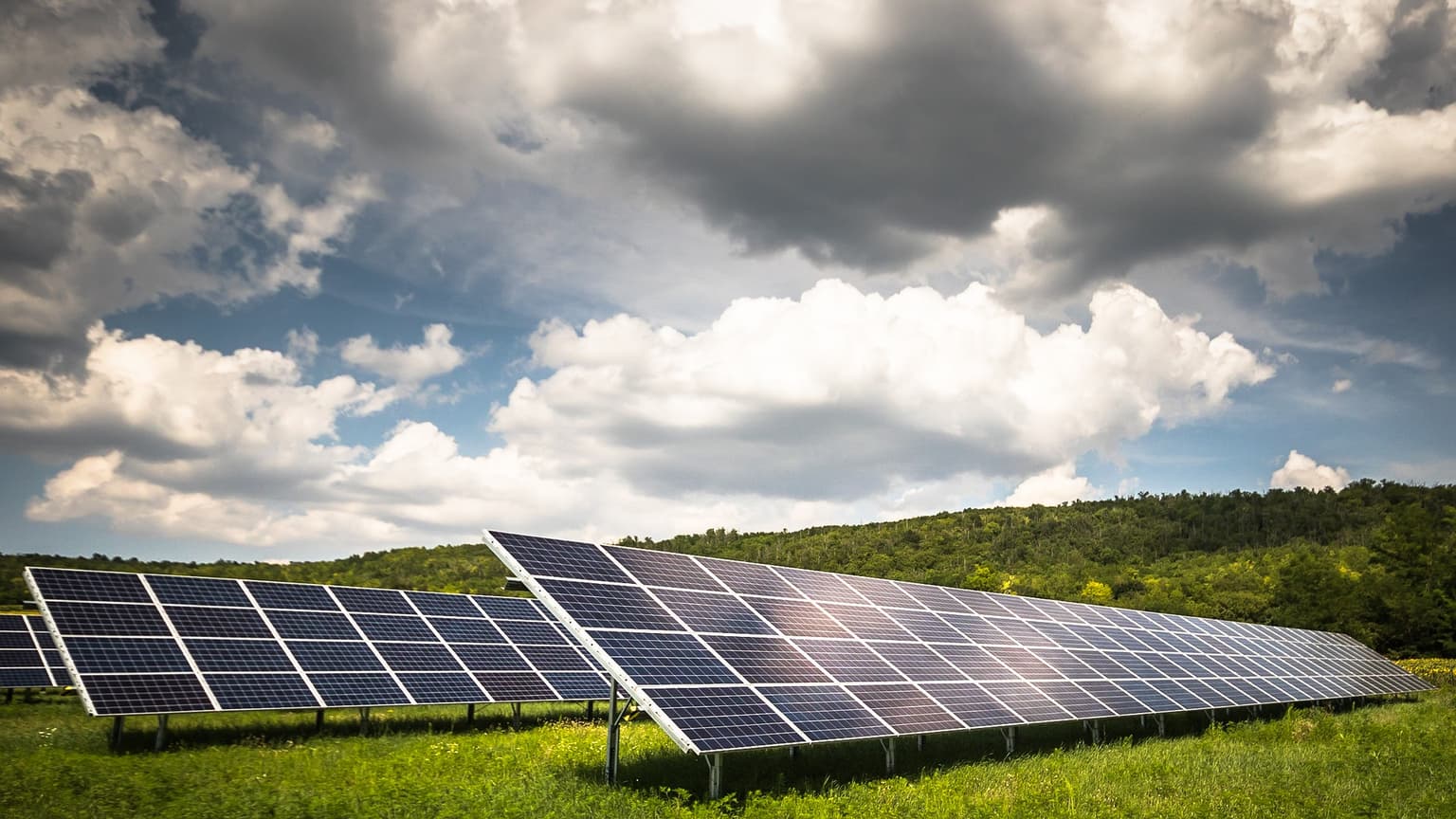
Germany held this year’s second and final round of innovative auctions in early September. In these auctions, developers compete with renewable energy projects equipped with storage. After two previous rounds ended in failure, the situation changed dramatically. Developers submitted projects with almost twice the capacity on offer, enabling all the available capacity to be awarded.
Germany has been gradually testing new types of auctions since shifting support for the development of large renewable energy installations to an auction system. It has also been regularly adjusting their terms to strike a balance between pressure to bring prices down and investors’ willingness to participate. One such step was raising the price caps this year, which also applied to the innovative auctions.
4. Fiala tells HN planned transformation of ČEZ will harm no one; government is seeking the right model and timing
According to Prime Minister Petr Fiala (ODS), the planned transformation of energy company ČEZ is necessary, among other things, to develop nuclear energy, but it will certainly harm no one. Nor should anyone expect to “make a killing” from the state’s plans, the prime minister told an interview with Hospodářské noviny (HN) published today. The government is now looking for the right model and timing, he said, but it is not planning to squeeze out minority shareholders, nationalise the company or take steps that would disadvantage anyone.
“What I can say is that no one needs to worry. Our government is not planning to squeeze out minority shareholders, nationalise the company or take steps that would disadvantage anyone, and we will not do so,” the prime minister said of the planned restructuring of ČEZ.
5. QatarEnergy signs long-term LNG supply deal with France
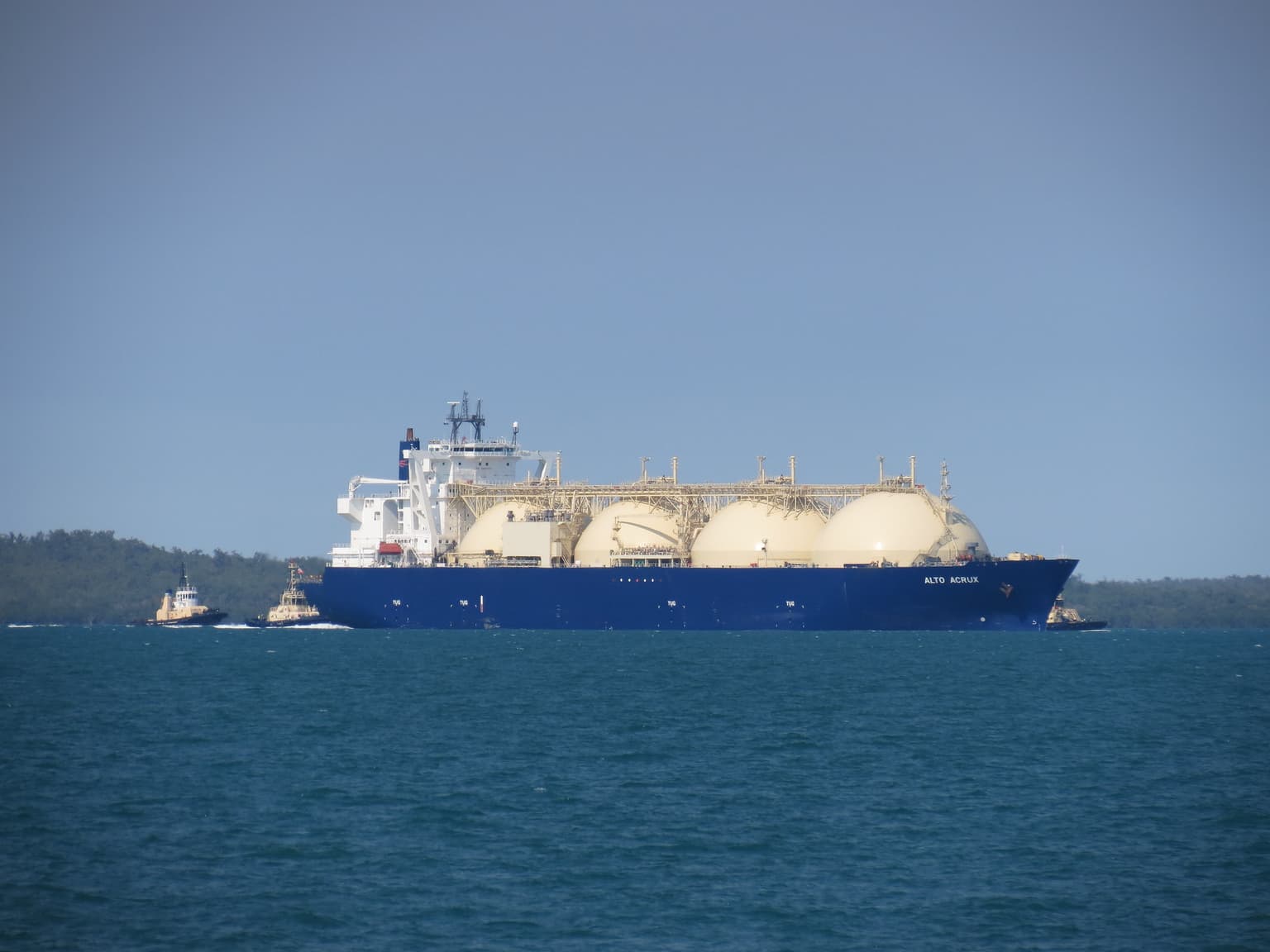
State-owned QatarEnergy and France’s TotalEnergies have signed two 27-year contracts for the supply of liquefied natural gas (LNG), with a combined volume of up to 3.5 million tonnes a year, Argus Media and Bloomberg reported. The contracts will take effect in 2026, making France the first European country to secure natural gas supplies beyond 2050, when the European Union plans to achieve carbon neutrality.
TotalEnergies SE has agreed to buy liquefied natural gas from Qatar for 27 years, committing to the use of fossil fuels beyond 2050. QatarEnergy will supply France with up to 3.5 million tonnes of LNG a year under two long-term contracts, the Qatari energy company said in a statement.
6. Price caps on Russian oil appear to be ineffective: most tankers carrying Russian oil are not subject to them
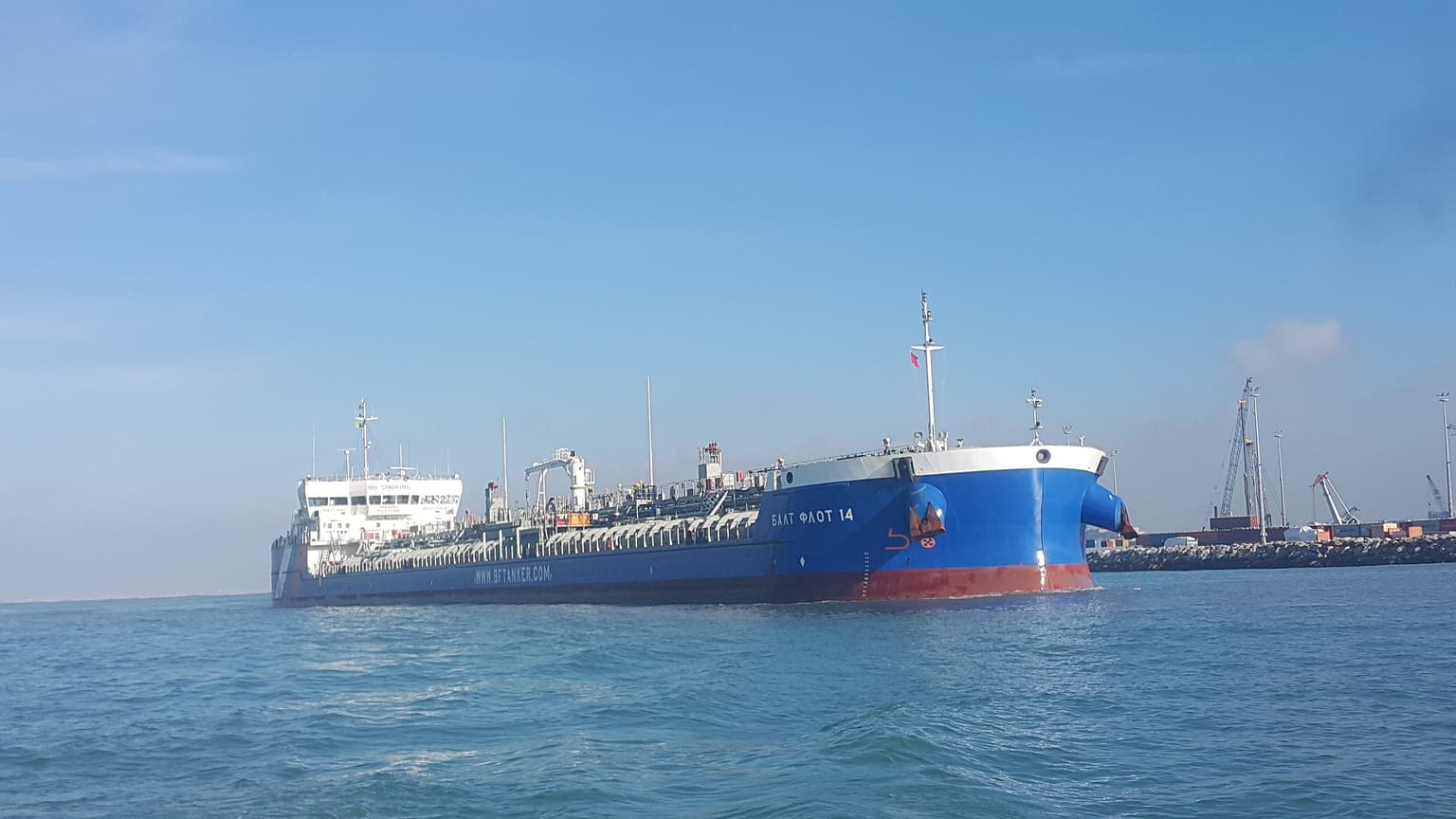
Since the G7 countries and others introduced price caps on Russian oil and later on oil products, their effectiveness has been a subject of debate. The caps are enforced through Western companies involved in oil transport and insurance. However, an analysis by S&P Global shows that most Russian oil is carried by tankers not subject to the restrictions. This makes it harder for Western countries to enforce the caps.
Since the end of last year, Russian oil traders have faced sanctions imposed by the G7 countries and the EU, which set a maximum price at which they can sell their oil. But by no means are all Russian exports subject to these sanctions. A recent analysis by S&P Global shows that around 60% of Russian exports, or nearly 2 million barrels of oil a day, are carried by tankers owned or operated by companies based outside the G7, EU, Australia, Switzerland and Norway. These tankers are also not insured by Western companies.
7. Growth in natural gas demand is expected to slow sharply in the coming years

Global natural gas demand growth is expected to slow in the coming years, from an average of 2.5% a year recorded between 2017 and 2021 to 1.6%. This is because demand for natural gas is reaching its peak in mature markets, where declining consumption is not expected to be sufficiently offset by demand growth in emerging markets. This is according to the International Energy Agency’s (IEA) outlook.
The IEA said it expects natural gas demand growth to slow significantly after the unprecedented growth seen over the past 10 years. According to the agency, Russia’s invasion of Ukraine last year was a major factor behind the shift in the global natural gas market, causing an unprecedented rise in the price of the commodity.
8. E.ON raises expected grid investment as renewable integration requires it
German company E.ON will have to increase its original five-year investment plans by a fifth. The main reason is the need for a more robust and flexible grid to ensure and facilitate the effective integration of renewable energy sources. Reuters reported this recently, citing Thomas König.
Energy grids need to become more efficient to facilitate the shift from centralised fossil fuel-based generation to millions of decentralised, low-carbon generators powered by wind and solar, he said last week at a company event.
9. Measures to restrict electricity exports could backfire on Norway, government committee says
The Norwegian government appointed a committee to assess the country’s measures to address high electricity prices and low hydropower reservoir levels. The committee recommended that the government avoid measures to restrict electricity exports, which it introduced at the beginning of the year.
The Norwegian government appointed a committee to assess various policy measures to address exceptionally low reservoir levels in Norway and record-high prices last year, when Europe was hit by an energy crisis.
10. Survey: Half of Czechs expect energy prices to rise further, most plan to take action
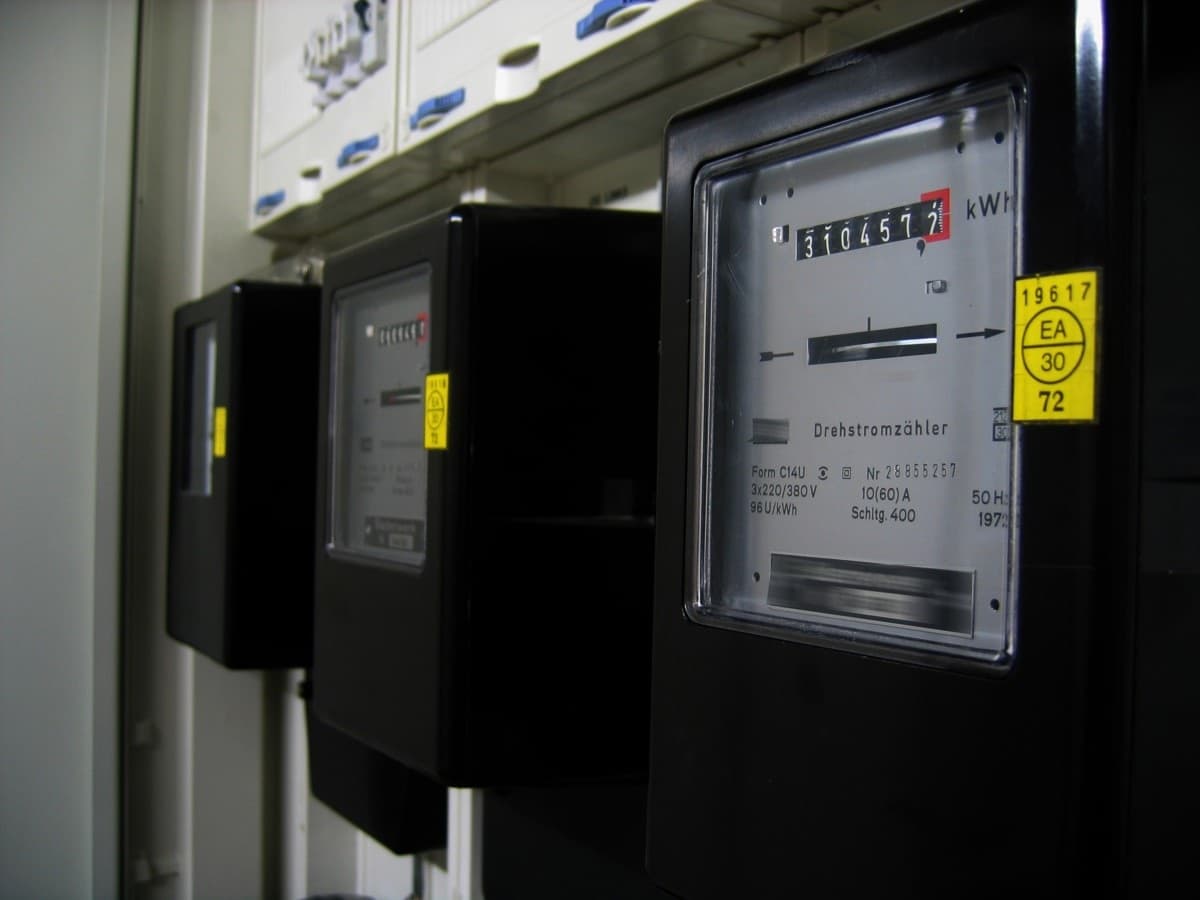
About half of Czechs expect energy prices to rise further in the future. As many as 80 percent of households therefore plan to invest in energy-saving measures, most commonly by replacing appliances, reducing consumption or making building improvements. Even so, people are considerably less worried at the start of the heating season than they were last year, and the impact of energy prices on household budgets has declined this year. This is according to a survey by Ipsos for ČEZ.
Topic
Eight EU countries already use capacity mechanisms; Czechia is now opening the way to introduce one
The Czech Republic is paving the way for the introduction of a capacity mechanism with an amendment to the Energy Act, which the Ministry of Industry and Trade (MPO) submitted for consultation on 21 September 2023. Various forms of capacity mechanism, which are essential to keeping selected dispatchable sources in operation and, in particular, to building new dispatchable sources, are already in place in 8 EU member states. Neighbouring Germany, for example, is currently seeking to add auctions for the construction of gas-fired power plants to its existing strategic reserves. It has not yet secured the European Commission’s approval for its plan.
The introduction of capacity mechanisms is being discussed increasingly in the Czech Republic amid the approaching closure of coal-fired power plants and concerns about ensuring the security of electricity supply. The debate intensified after the publication of another amendment to the Energy Act, which also proposes allowing the introduction of capacity mechanisms.
Energostat: electricity generation in the Czech Republic
Energostat: electricity generation in Germany
Translation disclaimer
This article is a machine translation of the Czech original and has not yet been fully reviewed. In case of any doubt, please refer to the Czech version.