3 November 2026, 06:14
Loading...
Top 10 energy events of the past week
oEnergetice.cz
29 October 2023, 22:12

1. Sweden: Damage to telecoms and energy infrastructure likely caused by sabotage

According to information published by Reuters, damage to a telecommunications cable in the Baltic Sea between Sweden and Estonia is linked to damage to a pipeline and cable between Estonia and Finland, the Swedish government said on Monday. Finnish investigators believe the act constitutes intentional sabotage. Helsinki is leading the investigation into the pipeline incident, while Tallinn is focusing on the cable incident.
On 8 October, an undersea gas pipeline and telecommunications cable connecting Finland and Estonia were damaged. “It has been confirmed that the cable was damaged by an external force or unauthorised interference,” said Minister for Civil Defence Carl-Oskar Bohlin.
2. BCG: Green hydrogen will be more expensive in Europe than previously estimated

The wholesale price of green hydrogen in Europe in 2030 will be significantly higher than originally expected, according to an analysis by leading consultancy Boston Consulting Group (BCG).
This is because projects currently under development indicate that the cost of producing green hydrogen in Europe in 2030 will not be at the expected level of around 3 EUR/kg (roughly 75 EUR/MWh), but rather in the range of 5 to 8 EUR/kg (roughly 125 to 200 EUR/MWh). This makes green hydrogen uncompetitive for most potential applications compared with alternative technologies that help decarbonise industry.
3. New Slovak nuclear unit Mochovce 3 officially begins commercial operation
Slovak nuclear unit Mochovce 3 has officially entered commercial operation after successfully completing a 144-hour operational test. Construction of the VVER-440 unit began in 1986, but work was suspended for more than 20 years. Thanks to the new unit, Slovakia will cover 13% of its consumption with zero-emission electricity and cease to be a net importer of electricity.
Slovenské elektrárne announced that its new Mochovce 3 unit successfully completed the start-up and trial operation phase on 17 October and entered commercial operation. During the final 144-hour full-power test, technicians monitored whether the unit safely met its design parameters.
4. Russia’s floating nuclear power plant prepares for its first refuelling

Russia’s first floating nuclear power plant, Akademik Lomonosov, is due for its first refuelling by the end of the year. Fresh nuclear fuel supplied by TVEL has already arrived in the Russian town of Pevek in the Chukotka region, where the plant is moored. The plant, commissioned in May 2020, has two reactors and supplies the region with heat as well as electricity.
Russia’s Rosatom announced that its subsidiary TVEL had delivered fresh nuclear fuel for the Akademik Lomonosov floating nuclear power plant. The plant, which entered operation in May 2020, is therefore expected to undergo its first-ever refuelling by the end of the year.
5. Montel: Bulgaria’s tax on Russian gas will be paid by Gazprom, not consumers
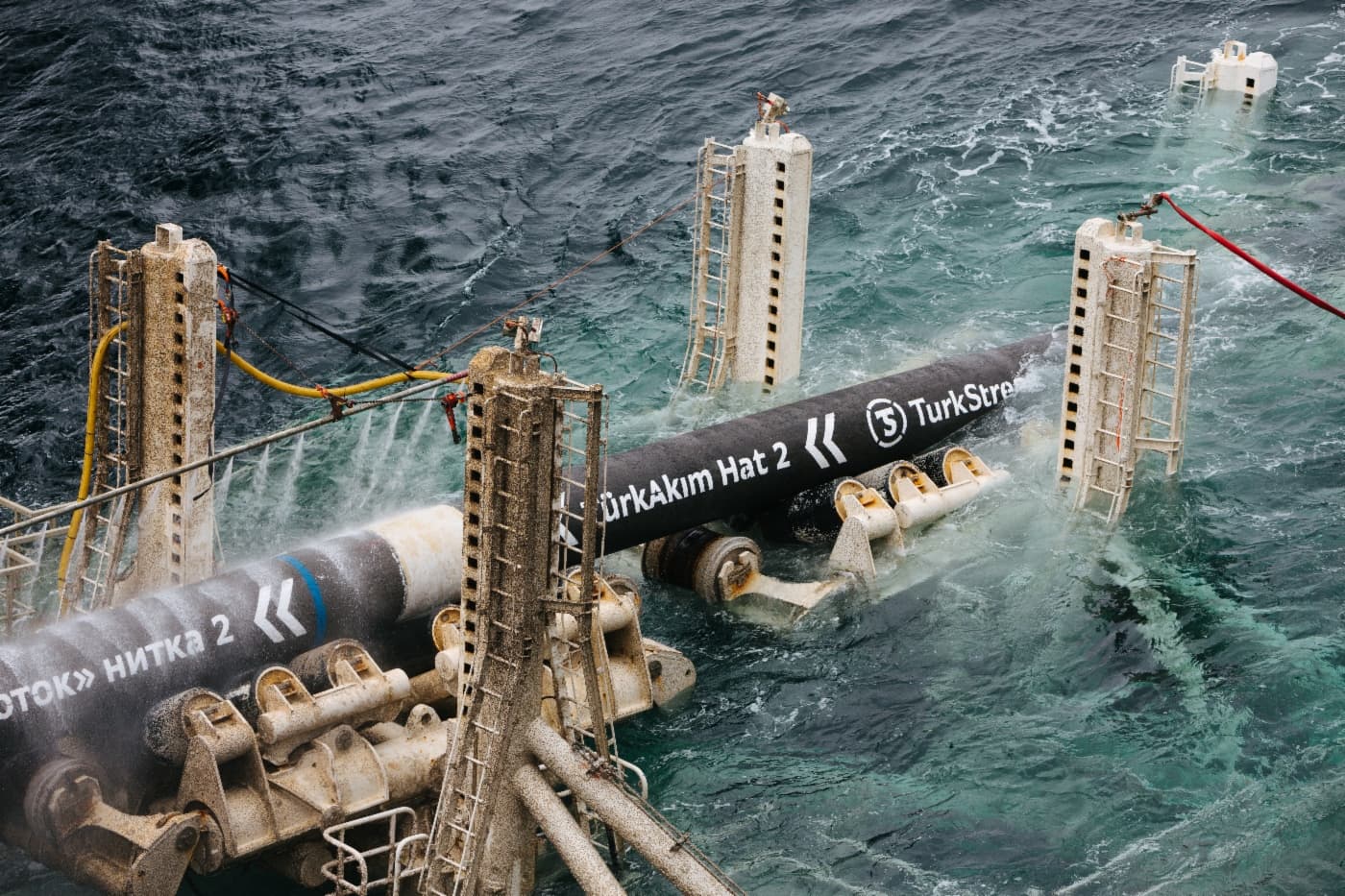
After Bulgaria recently introduced special fees on imports and transit of Russian natural gas through its territory, speculation began about their potential impact on the European gas market. The introduction of a relatively high tax immediately prompted a response from Hungary and Serbia, which are supplied via this route. However, according to a source familiar with the situation, the new fees should be paid by Russia’s Gazprom, since the countries have contracted gas supply prices up to their borders.
Two weeks ago, the Bulgarian government introduced special fees of 20 leva (roughly 10 euros) per megawatt-hour on imports and transit of gas of Russian origin. The move drew strong criticism, particularly from Hungary and Serbia, which receive Russian gas through Bulgaria after it is delivered from Turkey via the TurkStream pipeline.
6. Cold seawater will limit the operation of LNG terminals in Germany during winter
Cold water will limit the operation of three floating LNG terminals in German waters during winter, the state-owned operator Deutsche Energy Terminal has warned. During summer, the floating terminals use warm seawater to heat liquefied natural gas (LNG), allowing it to be converted back into gas and fed into the transmission system. In winter, however, they switch to a closed-loop system using steam heating, which has lower capacity.
Germany had been considering the construction of terminals for importing liquefied gas for many years, but these plans remained on hold until the energy crisis broke out. However, as natural gas supplies from Russia fell to a fraction of their previous levels, the country found itself in a desperate situation last year. This was helped by the leasing of several floating LNG terminals (FSRU, short for floating storage regasification unit).
7. Further delay announced in construction of ITER fusion reactor
International Thermonuclear Experimental Reactor (ITER) Director-General Pietro Barabaschi presented the progress made on the project. He highlighted its most significant achievements, while also discussing the problems engineers have faced so far.
At the 29th IAEA Fusion Energy Conference, Barabaschi said a new construction schedule for ITER, located in Cadarache in southern France, would be submitted to the committee for approval next year.
8. ČEPS commissions and begins using CMM tool

On 24 October 2023, ČEPS put the Capacity Management Module into permanent operation. The tool will manage cross-border capacity for the exchange of balancing energy between transmission system operators in Europe. This successfully concludes nearly five years of preparations for this important milestone on the road to a single European electricity market.
ČEPS completed all the necessary tests of the Capacity Management Module (CMM) in mid-September 2023 and technically commissioned it in early October. On Tuesday, 24 October 2023, the tool entered continuous operation and served its intended users for the first time: the European balancing energy exchange platforms TERRE, MARI, PICASSO and IGCC, as well as the first two connected European transmission system operators (TSOs).
9. Bulgaria’s Kozloduy power plant to add two nuclear reactors
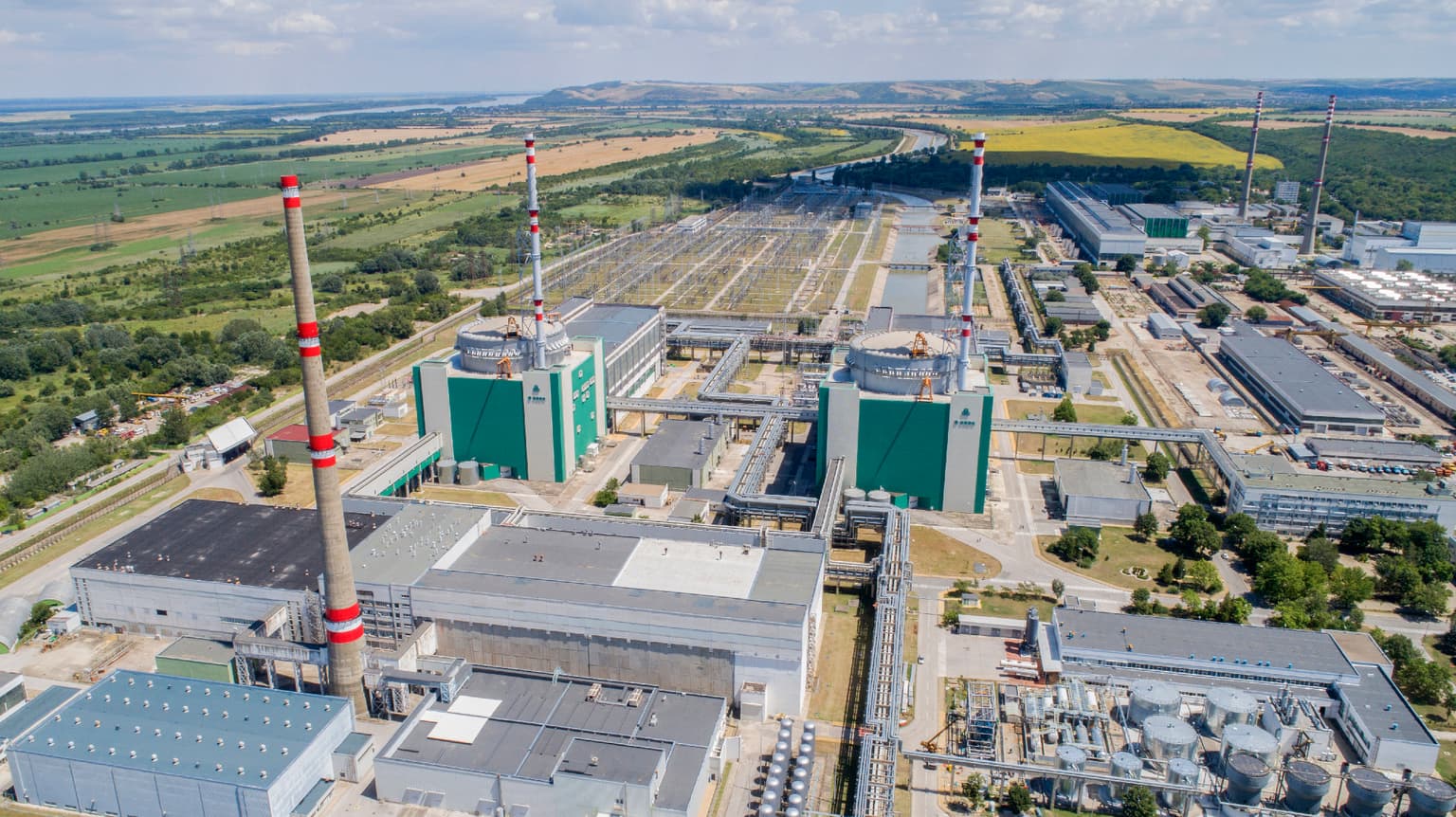
Bulgaria’s Kozloduy power plant will be expanded with two nuclear reactors, which together will increase its capacity by 2300 megawatts. The reactors, which will be pressurised water reactors, will be built by US company Westinghouse Electric Company. The Bulgarian government said this today, according to DPA. The state-owned energy holding will therefore increase the capital of the joint-stock company Kozloduy by up to 500 million leva (6.3 billion CZK).
The first new reactor at Kozloduy should be completed in 2033, with the second following three years later, Bulgarian Prime Minister Nikolay Denkov said. The country’s only nuclear power plant currently has two 1000-megawatt reactors built during the Soviet era. They account for around 30% of the country’s total electricity supply. Two smaller reactors were shut down shortly before Bulgaria joined the European Union in 2007 over safety concerns raised by Brussels.
10. Nearly 9 GW of new gas-fired power plants to come online in the US this year

A total of 8.6 GW of new gas-fired power plants are expected to come online in the United States this year, 3 GW more than a year earlier. This marks the second year of a rising trend in new gas-fired capacity, following the previous three years, when capacity additions declined. This is according to data published by the US government agency, the U.S. Energy Information Administration (EIA).
Ten new natural gas-fired power plants with a total installed capacity of 6.8 GW have already come online in the US this year. A further six plants with a combined installed capacity of 1.8 GW are expected to come online by the end of the year. For comparison, 11 new gas-fired power plants with a total installed capacity of 5.6 GW came online in 2022.
Topic
Germany’s path to green energy: the (r)evolution of auctions after initial enthusiasm
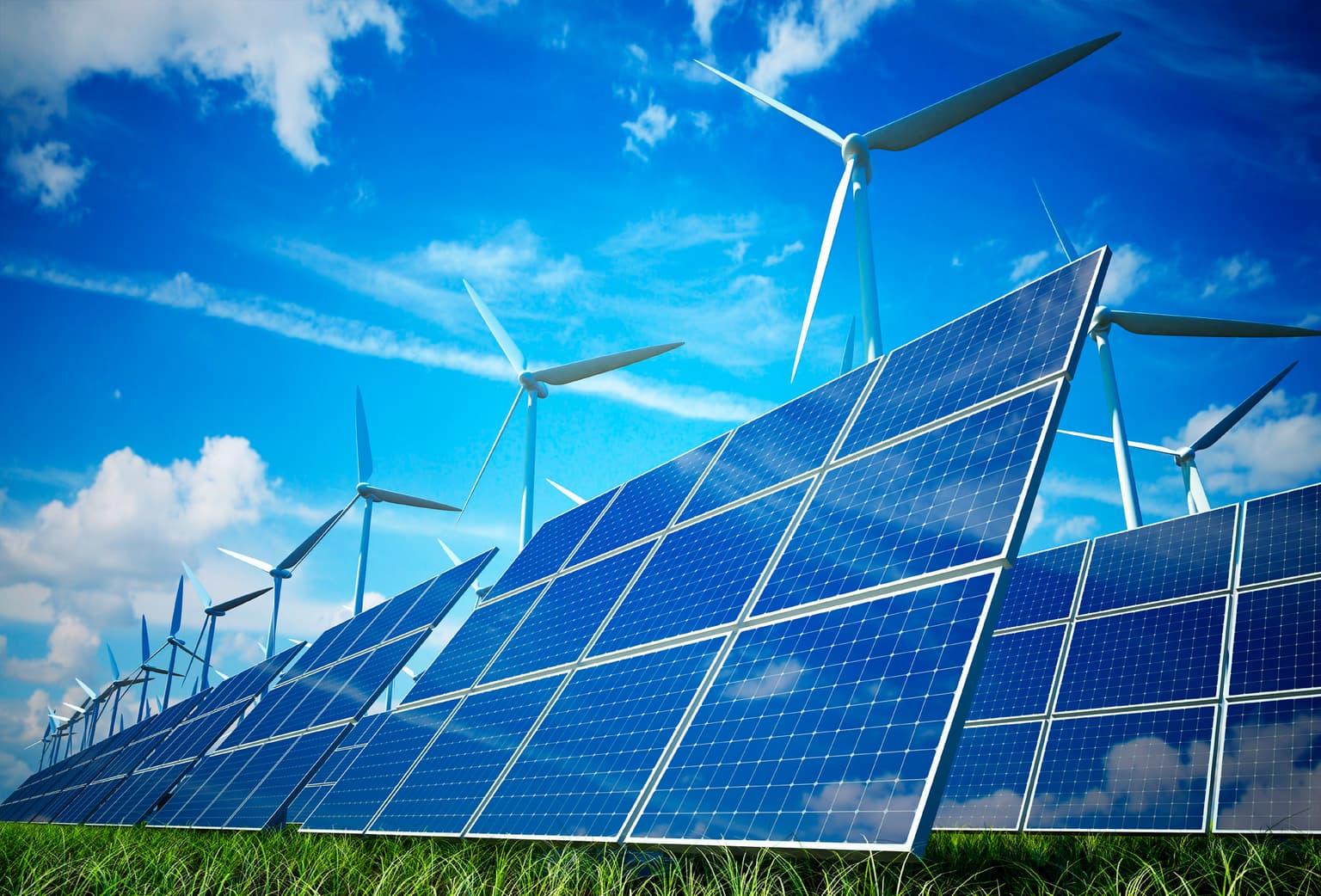
The first two instalments in this series on Germany’s path to renewable energy covered its history and the launch of support in the new millennium, as well as the shift from support for renewable energy development to an auction system. The auction system is currently Germany’s primary tool for building large solar and wind farms in particular. Since their introduction, auctions have undergone numerous changes, especially in recent years and months.
While the first rounds of German auctions for solar and wind power plants were highly successful, the situation began to change in the second year. The shortage of new onshore wind projects proved particularly critical. In 2019, the fewest wind power plants since the turn of the millennium were built. The volume of newly approved projects also fell significantly. One key factor was regulation of the distance between power plants and populated areas, as projects began to face public opposition.
US energy interests in Europe: LNG and small modular reactors
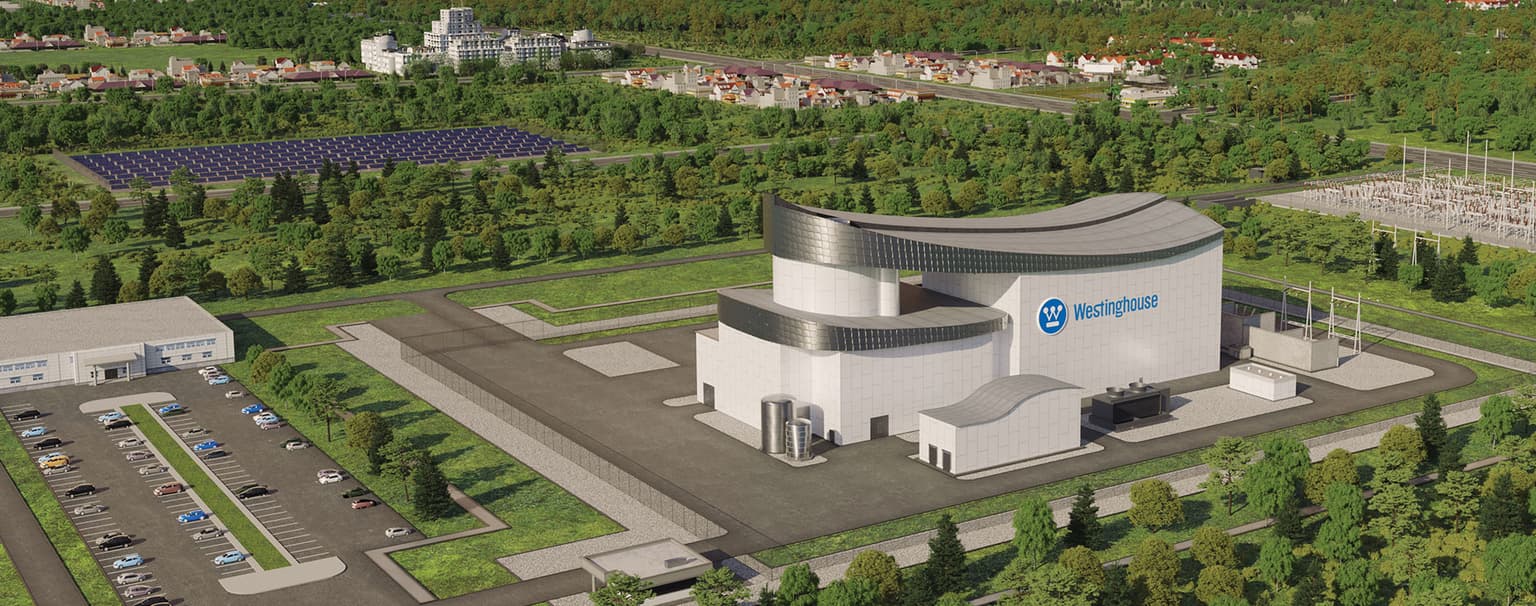
The United States became Europe’s leading supplier of liquefied natural gas (LNG) last year, partly replacing natural gas supplies from Russia. The US is now also seeking to establish itself in the European nuclear energy market, specifically by supplying small modular reactors (SMRs), Euractiv reports.
Last year, the United States became the world’s leading exporter of liquefied natural gas (LNG), significantly filling the gap left by Russian gas exports to Europe, which fell as a result of economic sanctions imposed in response to Russia’s invasion of Ukraine. Europe thus became the main destination for US LNG shipments, accounting for 64% of total volumes in 2022, a significant increase from the previous year, when the share was just 23%.
Energostat: electricity generation in Czechia
Energostat: electricity generation in Germany
Translation disclaimer
This article is a machine translation of the Czech original and has not yet been fully reviewed. In case of any doubt, please refer to the Czech version.
Sdílejte článek prostřednictvím:
Topics:Energy Weekly
You might also like
2 November 2026, 14:47
2 November 2026, 10:52