
1 November 2026, 21:20
Loading...
Top 10 energy events of the past week
oEnergetice.cz
18 February 2024, 20:54

1. Negative electricity prices return to the Czech Republic. Electricity was “free” for a record period
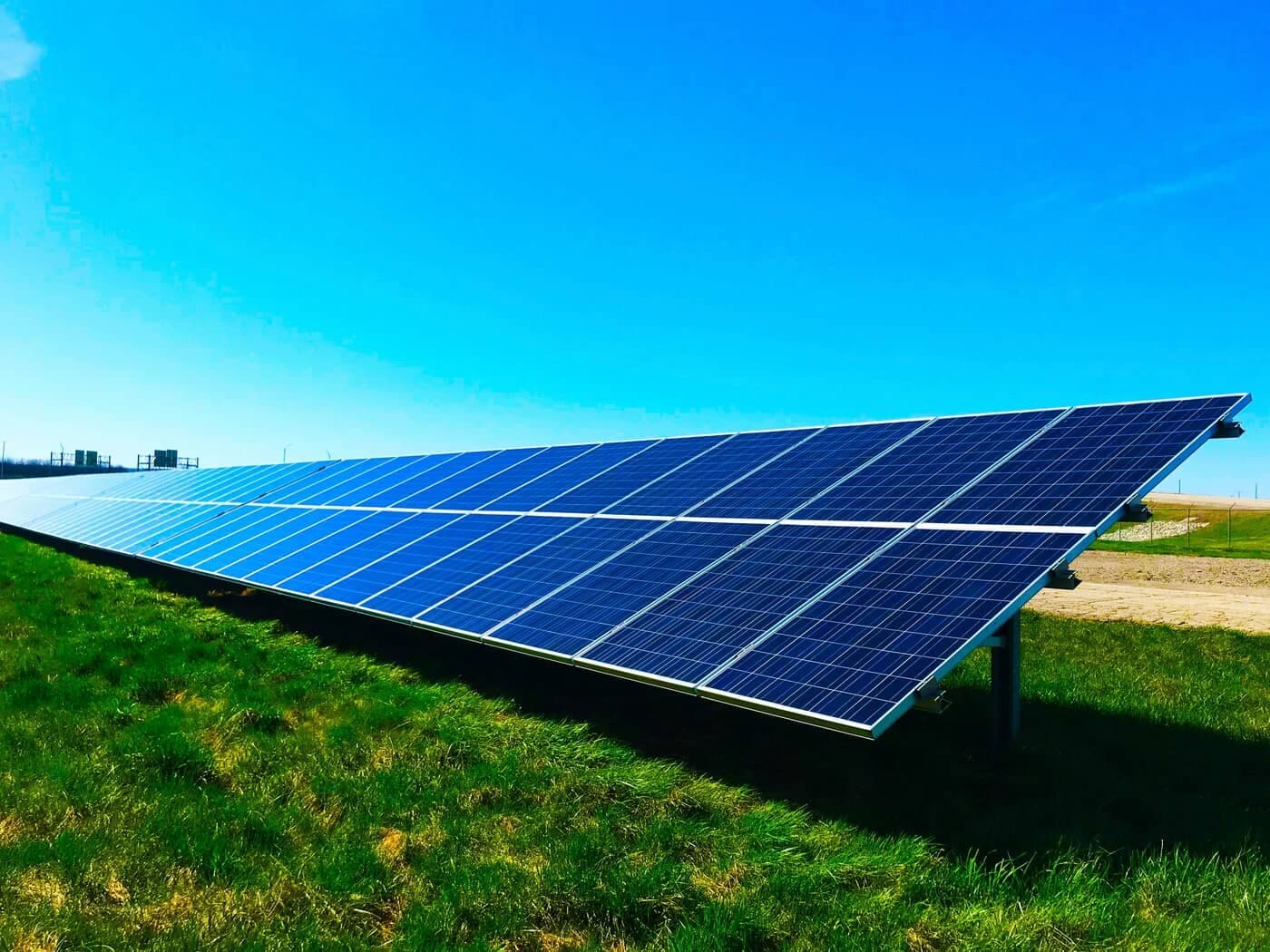
After the crisis years of 2021 and 2022, negative electricity prices have returned to the Czech Republic. According to publicly available statistics, there were 134 hours with negative prices last year. That is 15 more than in 2020, which saw the highest number of hours with negative electricity prices since 2015.
Spot electricity prices sent another signal last year that the energy crisis is slowly coming to an end. The first and most visible sign is the price of energy commodities. Wholesale natural gas prices for the benchmark contract fell to 25 EUR/MWh, while electricity prices dropped to 75 EUR/MWh. Wholesale prices are still higher than before the crisis, but are at around their May 2021 levels.
2. Construction of China’s ACP100 modular reactor reaches another milestone
Construction of the first land-based small modular reactor has reached another important milestone. Technicians have installed the outer containment dome at the ACP100 reactor in China’s Hainan province. Construction of the 125 MW reactor began in 2021, and it is expected to enter service in 2026.
China National Nuclear Corporation (CNNC), a Chinese energy company, announced that it had successfully installed the outer containment dome at the ACP100 small modular reactor. Installing the 550-tonne outer dome took just over 1.5 hours. The ACP100 reactor building consists of three parts: an inner structure, a steel containment vessel and an outer concrete shielding shell.
3. Asian LNG re-exports continue to outpace Europe in 2024

According to data from S&P Global Commodity Insights, Asian LNG re-exports continue to grow in 2024 and are outpacing those from Europe. This continues the strong trend of re-exporting the commodity from Asia that emerged in 2023. Europe’s share of global re-exports fell to 43% in 2023. By contrast, mainland China’s re-exports nearly doubled year on year in 2023.
Liquefied natural gas (LNG) is re-exported when supplies are stored in above-ground tanks in one country, then transferred to tankers and delivered to another country or region. Re-exporting the commodity allows traders and suppliers to store gas and wait for price signals in markets elsewhere in the world.
4. Energy commodity prices continue to fall despite analysts’ expectations

Wholesale energy commodity prices continue to fall, while the decline in the price of EU Emissions Trading System allowances (EUAs) is adding further downward pressure on electricity prices. The price of an allowance has already fallen below 60 EUR/t CO2, a level last seen in March 2022. Lower demand, driven by the warmer-than-average winter so far, combined with weaker economic forecasts for some EU countries, is also contributing to the price decline. Wholesale commodity prices feed through to retail prices with a delay, but further declines can be expected in the near future.
The price of natural gas at the Czech VTP trading hub for 2025 closed below 32.5 EUR/MWh at the end of last week, continuing its steady decline since October last year. Looking at nearer-term delivery periods, it may be surprising that gas prices for March and April are even below 30 EUR/MWh.
5. Restarting nuclear units is helping Japan reduce gas imports
Following the Fukushima nuclear accident in March 2011, Japan gradually shut down all its remaining nuclear units. Fossil fuels took over the lost nuclear generation, also contributing to a sharp increase in imports of liquefied natural gas. However, as more units have gradually restarted in recent years, the country has managed to reduce its LNG imports.
The accident at the Fukushima nuclear power plant, which occurred almost 13 years ago, had a major impact on Japan’s energy sector. In the aftermath, the country gradually shut down all 48 of its nuclear units, which had generated up to 300 TWh of electricity a year.
6. European Parliament elections could significantly shape the future of Europe’s energy sector
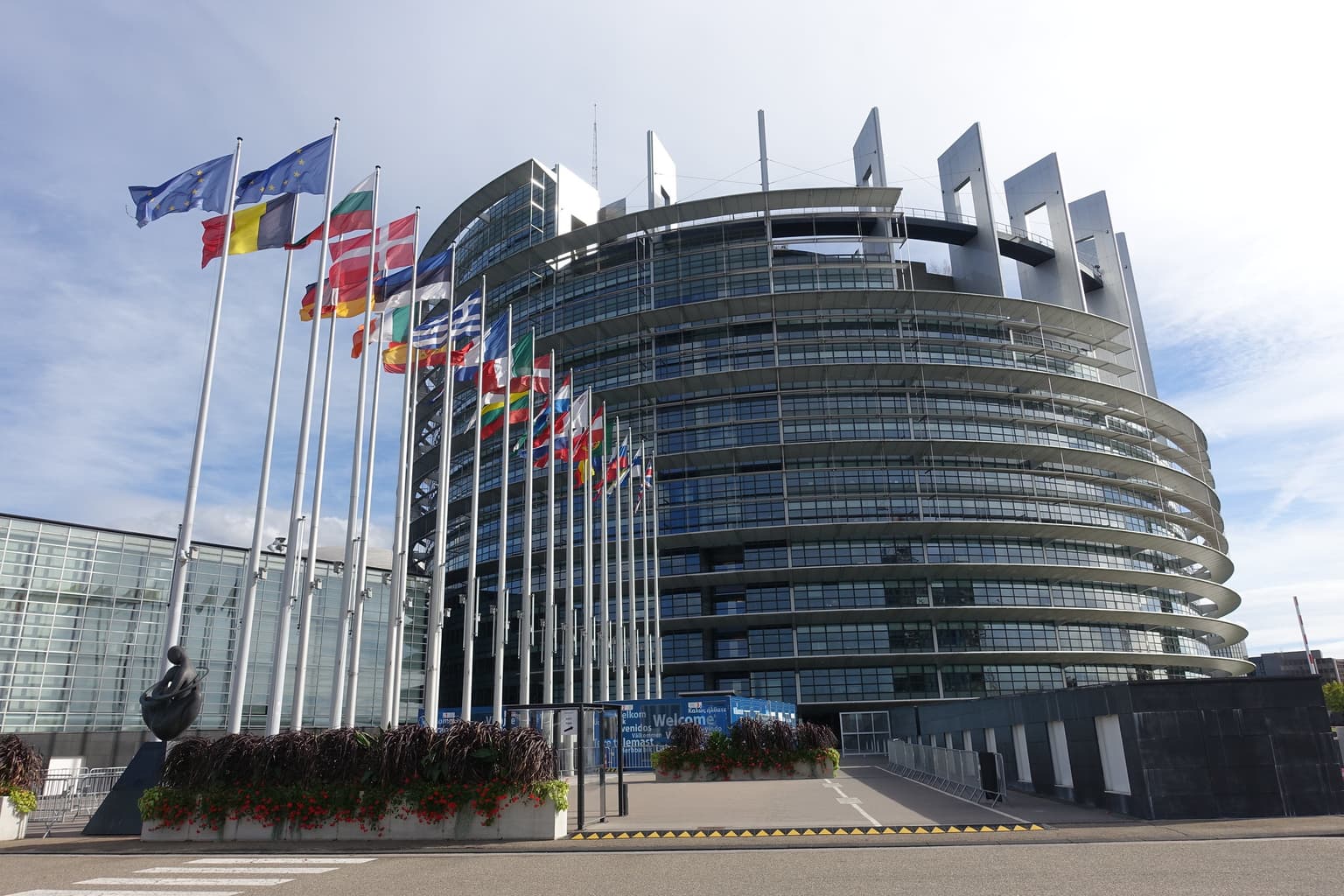
The European Parliament elections, which take place on 7 and 8 June, are likely to have a major impact on the future of Europe’s climate targets. In light of the recent proposal put forward by the Commission to set climate targets for 2040, however, these more ambitious plans seem rather unfeasible. News outlet Euractiv offers a brief overview of what to expect after the June elections and what the implications may be for the new climate targets.
According to opinion polls, Europe as a whole is leaning towards right-wing ideals represented by nationalist parties. Their growth is also expected to come at the expense of the Greens, socialists and the left more broadly. This could slow the momentum of the green transition, which has significantly shaped trends in climate ambition over the past five years.
7. OMV and Transpetrol definitively halt Schwechat–Bratislava oil pipeline project
Austrian oil company OMV and Slovakia’s Transpetrol have definitively halted their long-running oil pipeline project between Schwechat and Bratislava. OMV planned to build the pipeline as early as 2003 to secure long-term oil supplies to Austria, but the project has now been scrapped due to the energy transition and Russia’s invasion of Ukraine. The APA news agency reported the news today, citing the Lower Austrian trade press service.
The original plan envisaged a 62-kilometre pipeline connecting Austria directly to the Druzhba pipeline. OMV operates one of Europe’s largest refineries in Schwechat. It is now supplied via the Adria pipeline, which runs from Croatia’s Adriatic coast, and the TAL pipeline from Trieste, Italy.
8. Germany looks to hydrogen from Algeria

In the coming years, the German government is looking to secure hydrogen supplies from outside Europe. Economy and Climate Minister and German Vice-Chancellor Robert Habeck, as part of a business delegation, has agreed with Algeria to establish a working group to facilitate the framework for imports.
The German government estimates that hydrogen import demand will reach 45 to 90 TWh a year by 2030. This is slightly less than half of projected domestic production, meaning imports could play a more significant role than expected.
9. Italy to support agrivoltaics, with almost 2 billion euros available for projects

This week, the Italian government unveiled a new decree paving the way for further support for solar power development. It has earmarked 1.7 billion euros for new projects with a combined installed capacity of more than 1 GW, including agrivoltaics. The European Commission had previously approved the support for Italy.
The Italian government is launching further support for renewable energy development, this time including agrivoltaics. Italy’s Ministry of the Environment and Energy Security is expected to announce the detailed rules for approving support and allocating funds within 14 days. An auction for support through contracts for difference should then take place within 30 days.
10. Westinghouse agrees to supply small reactors for privately funded UK project

Westinghouse has signed an agreement with Community Nuclear Power. The aim of the partnership is to deploy the UK’s first fleet of privately funded small modular reactors. Westinghouse plans to deploy four AP300 small reactors, based on its conventional AP1000 reactors. Construction is expected to begin after 2027, with operations slated to start in the early 2030s.
US company Westinghouse announced that it had signed an agreement with Community Nuclear Power Limited (CNP) to build four AP300 small modular reactors in the North Teesside region of northeast England. CNP aims to generate electricity within ten years, relying on private financing. This makes the project unusual in Europe.
Topic
Akkuyu nuclear power plant: A key part of Turkey’s energy sector

The Akkuyu nuclear power plant, located in Turkey’s southern province of Mersin, is a major energy project for the country. As Turkey’s first nuclear power plant, Akkuyu marks a key step towards diversifying energy sources and increasing the country’s energy independence. With a planned installed capacity of 4×1200 MWe, the plant aims to meet around 10% of Turkey’s electricity consumption.
Technical milestones and construction progress
In December, the Turkish Nuclear Regulatory Authority granted permission to commission the first reactor unit. At the time, Rosatom, the plant’s general contractor, announced that the area around the first unit had been cleared of construction materials and was ready for controlled personnel movement—the standard arrangement throughout the plant’s lifetime, ensuring the highest possible level of safety.
Opinion
Fukushima I on the threshold of 2024
Approval and the start of discharging tritiated water into the ocean are crucial to the next steps in cleaning up the aftermath of the Fukushima I accident. This will help empty and decommission the wastewater storage tanks, freeing up space for facilities needed to begin dismantling the damaged reactors. Knowledge of the conditions inside their containments is gradually improving. This is helping to clarify the sequence of events during the first hours and days of the accident and develop a plan for dismantling the reactors’ damaged cores.
The latest update on the Fukushima I cleanup was published in the middle of last year. As part of our long-running series tracking the accident and efforts to address its consequences, let’s look at how the cleanup has progressed.
Energostat: electricity generation in the Czech Republic
Energostat: electricity generation in Germany
Translation disclaimer
This article is a machine translation of the Czech original and has not yet been fully reviewed. In case of any doubt, please refer to the Czech version.
Sdílejte článek prostřednictvím:
Topics:Energy Weekly
You might also like

1 November 2026, 16:09
1 November 2026, 07:59

31 October 2026, 12:55

31 October 2026, 08:21