
25 October 2026, 08:20
Loading...
Top 10 energy stories from the past week
oEnergetice.cz
30 June 2024, 21:07

1. Battery storage in Spain could face cannibalization in 10 years

Spain’s battery storage market could face the so-called cannibalization effect within 10 to 15 years as these facilities are expected to expand rapidly. Experts discussing the issue at a conference organized by El Economista in Madrid agreed.
The cannibalization effect in electricity generation usually occurs when power from these sources is generated at the same time, driving down electricity prices in the hours concerned. It typically affects solar and wind power plants, but experts discussing the issue at a recent conference in Madrid say it could also emerge in Spain’s battery storage sector within 10 to 15 years.
2. Subsidy cuts cool interest in solar, but customers are more concerned about export limits

February’s subsidy cuts temporarily dampened demand for new solar installations. But people are even more concerned that they can feed only half of their surplus electricity back into the grid.
The changes have deterred households with low consumption from buying solar PV systems. Installation companies, however, assure customers that solar power plants are still worth it for households, as they cost up to one hundred thousand less than a year ago and electricity prices are unlikely to fall much further.
3. Russia was Europe’s second-largest gas supplier in May
Russia ranked second in gas supplies to the European market in May, the Financial Times reports, for the first time since 2022. Russia accounted for just under 15% of the EU market last year, compared with more than 40% in 2021. Norway was the EU’s largest gas supplier last year, followed by the US. Lower gas consumption across Europe is helping to fill storage facilities, leaving stocks at very healthy levels.
Russia became Europe’s second-largest gas supplier on a monthly basis for the first time since September 2022, while Norway remains the largest supplier. This figure also includes deliveries to Switzerland, Serbia, Bosnia and Herzegovina and other countries, not just EU member states. In May, Russia accounted for 15% of total gas supplies. Although this is not a significant percentage increase compared with the whole of last year, the current situation has surprised some analysts.
4. Romania reopens mines in strategic move to extract critical materials
Romania will reopen non-energy mining operations to extract critical materials. This follows a change in legislation, with the Romanian government approving an ordinance amending the Mining Act, Euractiv reported. Critical materials are now a major commodity, and Romania is following its own strategy from last year while also aligning with the European proposal known as the “CRMA” (Critical Raw Materials Act), which addresses this issue.
Economy Minister Radu Oprea presented the changes to the public. Romanians expect significant mining potential, and demand for these rare earths is clearly set to continue growing. Oprea said, however, that this potential can be realized only if sufficiently environmentally friendly technologies are available that do not cause pollution. For now, it is not clear when mining could resume fully.
5. ČEPS commissions new V487/488 power line

The transmission system operator commissioned the new 400kV V487/488 power line in June this year, as planned. It connects the Vernéřov substation in the Ústí nad Labem Region with Vítkov in the Karlovy Vary Region, strengthening the reliability of electricity supplies in both regions.
The major investment project involved the construction of 248 new towers: 243 of the Dunaj type, one Delta-type tower and four lattice Portal-type towers. The double-circuit V487/488 line is 79.2 km long. Construction followed the corridor of the former 220kV V223/224 line as much as possible and cost approximately 4.4 billion Kč in total.
6. Construction of China’s Xudabao 4 nuclear unit reaches major milestone
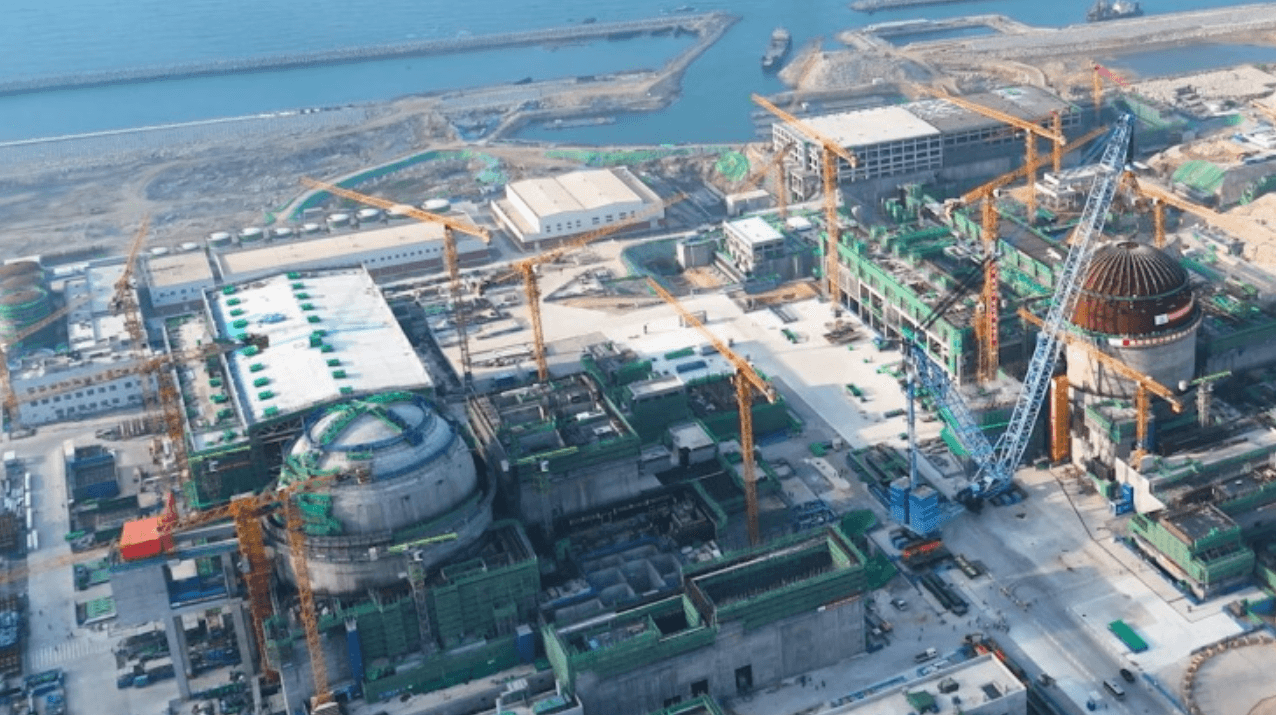
Construction of China’s Xudabao 4 nuclear unit has entered a new phase after workers successfully placed the reactor containment dome, weighing more than 650 tonnes. Like its sister unit Xudabao 3, both of which are VVER-1200 reactors, the unit will now undergo the installation of technology and equipment. Current plans are for Xudabao 3 and 4, in Liaoning Province, to begin commercial operation in 2027 and 2028.
China National Nuclear Corporation (CNNC) announced that construction of its nuclear unit reached an important milestone on 18 June. Technicians placed the VVER-1200 containment dome on the Xudabao 4 unit.
7. Another German auction for biomethane and biomass disappoints

Germany is still struggling to attract new projects to auctions supporting electricity generation from biomass and biomethane. The first of this year’s two auction rounds for these renewable sources took place in early April. The results, however, were similar to those of previous rounds, with existing facilities dominating the biomass auction almost entirely.
Germany holds a number of auctions each year to support renewable energy sources. Most rounds and most of the capacity on offer are for solar and wind power plants, but support is also available for other sources, including facilities that generate electricity by burning biomethane or biomass. In biomass auctions, existing facilities can also compete for support, not only newly built ones.
8. EU carbon border levy: European businesses face bureaucratic madness

The carbon border levy continues to raise many questions among businesses. Companies are already required to report the carbon footprint of imported goods this year.
The first-ever carbon border levy (known as CBAM) came into force on 1 October last year, and the first obligations have raised many questions, according to Euractiv. The system imposes charges on imports of a range of products, such as cement, steel, aluminium and fertilizers. The charges are based on their carbon footprint. The aim is to protect European production, which has to pay for its emissions, while competitors outside the EU often do not.
9. Czechia to receive more than 21 billion from Modernisation Fund; only Romania gets more
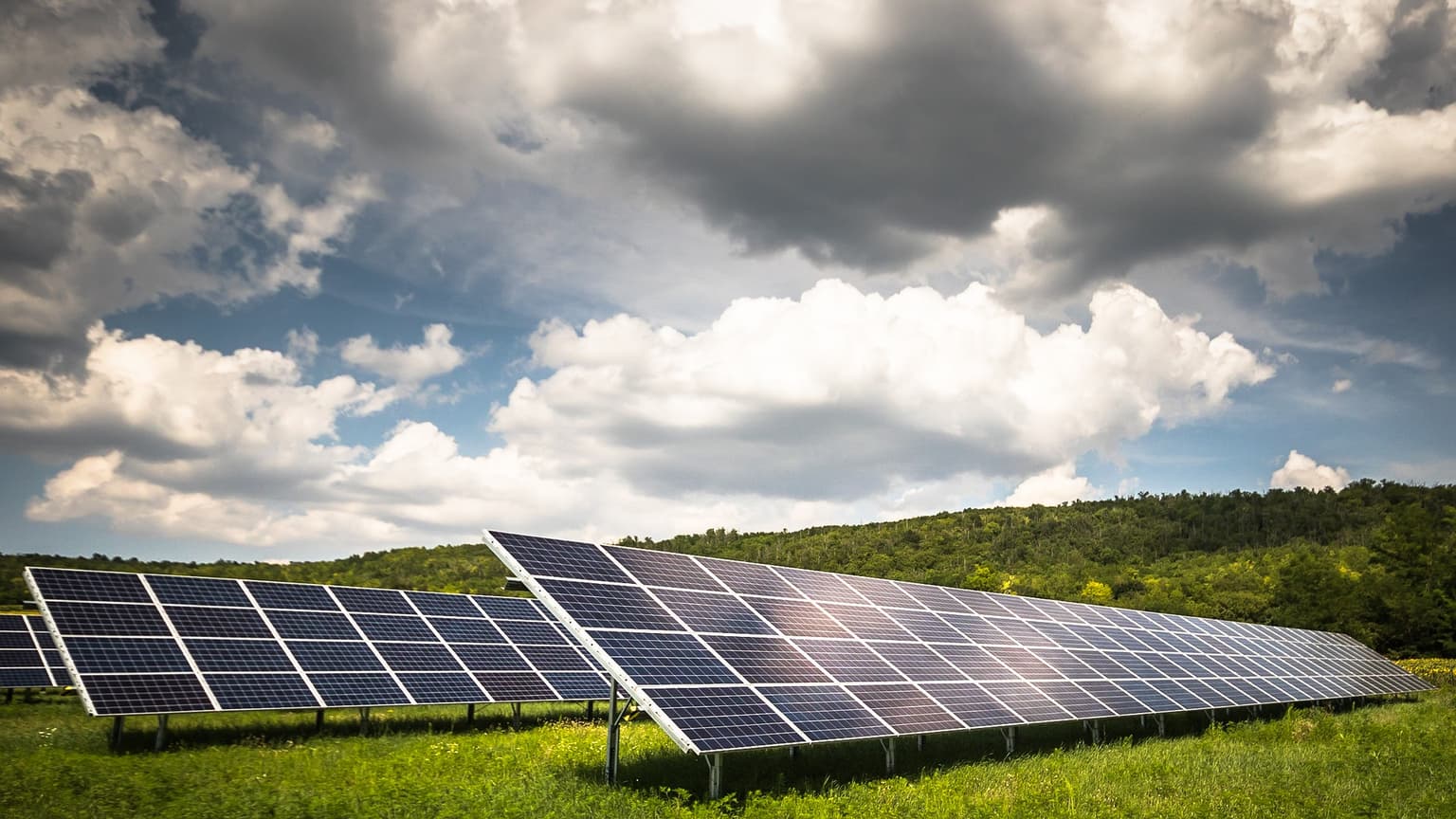
The European Commission paid a total of three billion EUR to member states at the start of the week to modernize their energy systems and support the shift to renewable energy sources. The funds came from the sale of emissions allowances deposited in the so-called Modernisation Fund. The European Union will send the Czech Republic a total of 835.2 million EUR, or more than 21 billion Kč.
Emissions trading is often criticized for driving up energy prices. This is certainly true for electricity prices, since the cost of emissions allowances is largely reflected in wholesale electricity prices.
10. BDEW: Overhead lines and more efficient wind farm connections could save Germany tens of billions of euros
Allowing several key transmission lines to be built overhead and better planning connections for offshore wind farms could significantly reduce Germany’s investment needs as it transforms its energy system. This was stated by the German energy industry association BDEW.
According to BDEW, decarbonizing Germany’s energy sector and reducing its reliance on fossil fuel imports will require 721 billion euros by 2030, including 131 billion euros to expand and modernize the transmission system. BDEW proposes two areas with significant potential for savings.
Energostat: electricity generation in Czechia
Energostat: electricity generation in Germany
Translation disclaimer
This article is a machine translation of the Czech original and has not yet been fully reviewed. In case of any doubt, please refer to the Czech version.
Sdílejte článek prostřednictvím:
Topics:Energy Weekly
You might also like

23 October 2026, 14:38