4 November 2026, 14:17
Loading...
Top 10 energy stories of the past week
oEnergetice.cz
11 September 2023, 10:47

1. Natural gas supplies to Europe are dwindling. LNG and Norwegian gas imports hit long-term lows
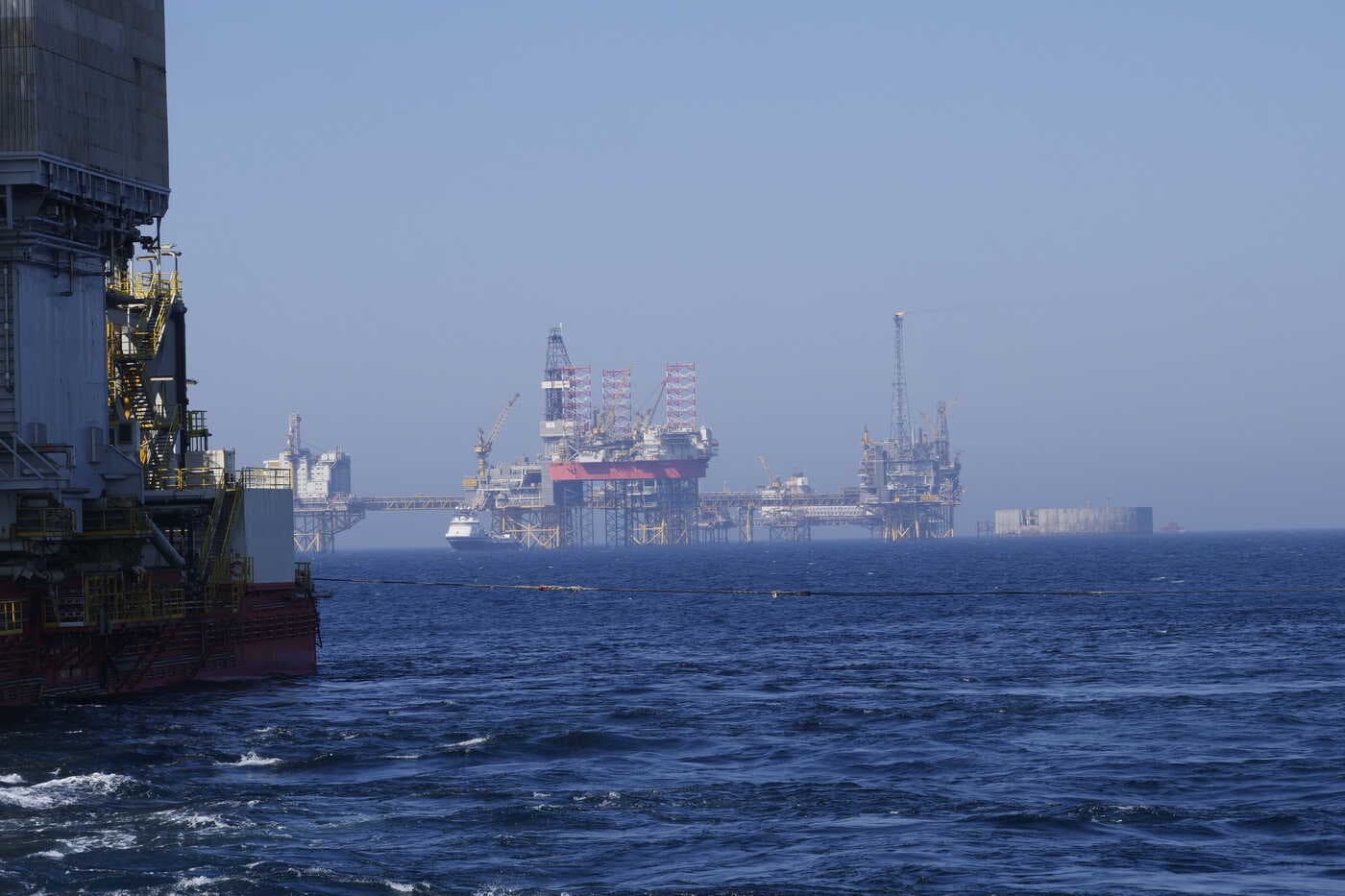
Supplies of liquefied natural gas (LNG) to European Union countries were at their lowest in August since last October. Including LNG imports to the United Kingdom, the figure was even the lowest since December 2021. Natural gas deliveries from the North Sea have also fallen due to planned and unplanned outages, according to statistics from gas transmission system operator Gassco.
High supplies of natural gas from the North Sea and liquefied natural gas helped the European Union fill its natural gas storage facilities rapidly this year. They were even filled more than two and a half months ahead of the deadline set by the European Union.
2. Energy Charter Treaty loses support. UK also considering withdrawal
UK Energy Minister Graham Stuart said the country could withdraw from the Energy Charter Treaty if it cannot be reformed. The international treaty, created to protect investment in the energy sector, is now seen as an obstacle to faster decarbonisation. The Guardian and Euractiv report.
The Energy Charter Treaty (ECT) is an international agreement that provides a legal framework for cross-border cooperation in the energy sector, primarily in fossil fuels. The treaty covers all aspects of commercial energy activities, including trade, transit, investment and energy efficiency. It sets out procedures for resolving disputes both between states that are parties to the treaty (in relation to other states) and between states and investors from other countries who have invested in the territory of the former.
Criticism comes from many quarters
Critics of the ECT include the European Union, which says that remaining in the treaty would “clearly undermine” climate goals. France, Germany, Spain and eight other countries have already announced that they will withdraw from the treaty, and the EU is also preparing to leave collectively. The United Kingdom and Japan are the only major economies that have not yet committed to withdrawing from the ECT.
3. US: Sanctions on Russian oil are working; Kremlin revenues halved in the first half of the year
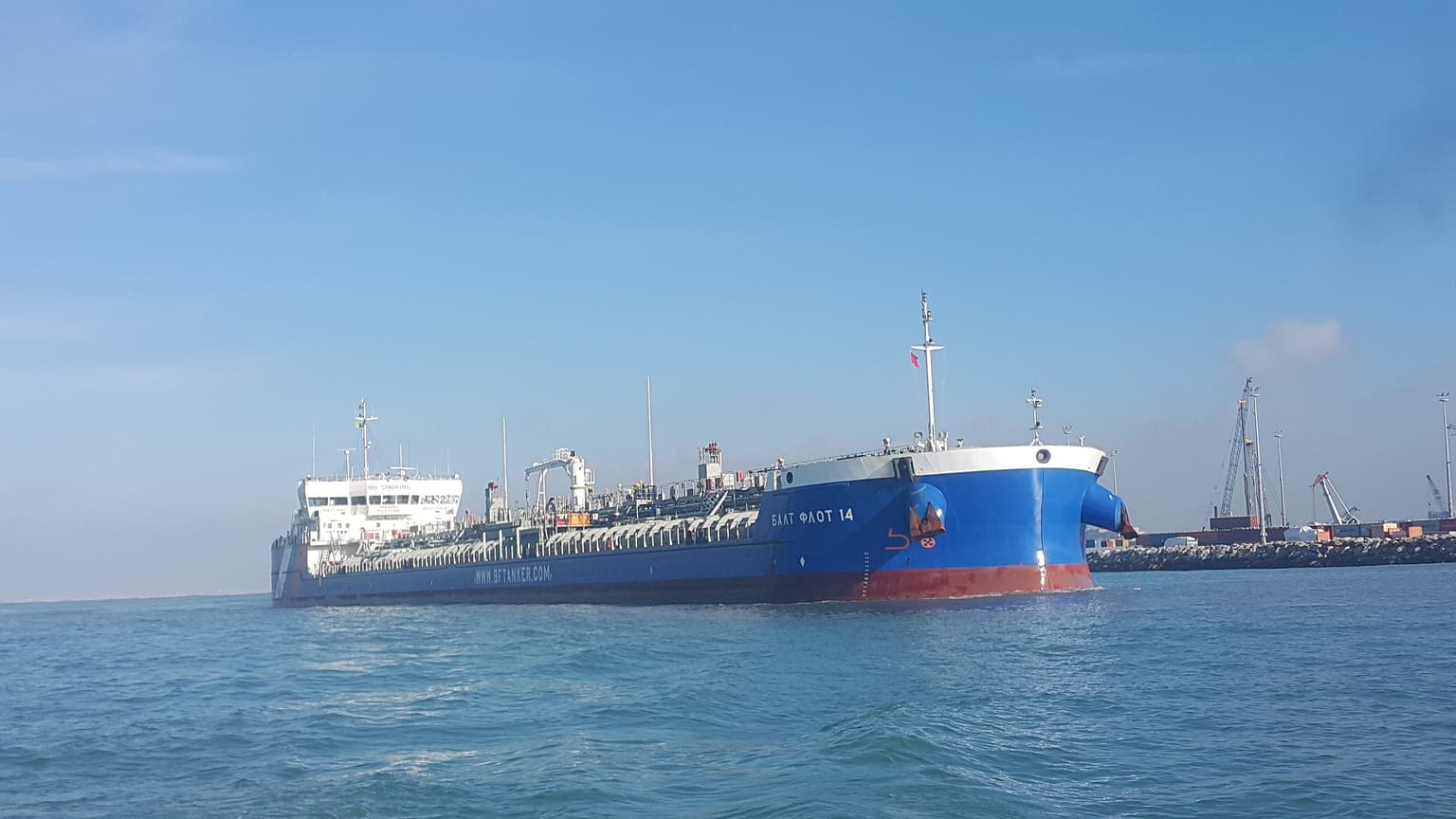
The price cap on Russian oil, agreed by G7 and EU countries at the end of last year, is helping to reduce not only Russia’s oil revenues but also its production, according to US government officials. Russia’s oil revenues in the first half of the year fell by half compared with last year, and Russia also has to invest more in ways to circumvent the sanctions.
Russian oil traders have faced sanctions from G7 and EU countries since the end of last year. These set a maximum price at which they can sell their oil. The price caps are enforced through shipping and insurance services, with Russian traders able to use the services of Western companies only if they comply with the cap.
4. European gas storage facilities are filling up; Spain’s are already full, while Czechia has 6% of capacity left
European natural gas storage facilities are currently 93% full, while those in Spain and Portugal are completely full, according to GIE data. Czech storage facilities have around 6% of capacity left before they are full. Full storage facilities are a positive sign for wholesale gas prices.
The European Union has met its gas storage target well ahead of schedule. It set the target after Russia’s invasion of Ukraine and the substantial reduction in Russian gas flows to Europe. Under the target, European storage facilities must be at least 90% full by the start of the heating season, i.e. 1 November 2023.
5. Poland sues the EU over recently adopted climate policies
Poland argues that the EU’s climate legislation was not properly assessed and that Brussels exceeded its powers. Warsaw says this threatens the Polish economy and energy security.
Poland published its lawsuit at the end of August, as reported by Euractiv. It is responding to legislation adopted by the EU in recent months to achieve its 2030 target of reducing greenhouse gas emissions by 55% compared with 1990 levels. Climate and Environment Minister Anna Moskwa said Warsaw would seek to have some of these measures overturned in court.
6. German state premiers call on the EU to allow electricity subsidies for industry

The European Commission should allow member state governments to subsidise electricity prices for industry. This is the demand of the premiers of Germany’s 16 federal states in the so-called “Brussels Declaration”. German newspaper Handelsblatt reported.
The premiers of Germany’s 16 federal states have called on the EU to allow electricity price subsidies to support industry. In a joint “Brussels Declaration”, they are asking the Commission to let national governments introduce a so-called bridging electricity price for industry, which is currently under discussion in Germany.
7. Josefov residents reject wind turbines in referendum
Residents of Josefov in the Sokolov region do not want wind turbines within the municipality. They decided this in a local referendum on Saturday. An investor had planned to build two turbines there. The municipality could have received contributions to its budget and carried out planned investments for which it would otherwise struggle to find funding. A total of 192 of the 327 eligible voters took part in the referendum; 141 voted against, representing 73.8 percent of valid votes cast. The referendum is valid under the law. The municipality published the results on its website overnight.
Meridian Nová energie s. r. o. wanted to build two turbines within the municipality. The company would have paid a one-off contribution as well as regular annual contributions to the budget of the municipality, which has around 400 residents. Sites for the turbines were selected last year and are about a kilometre from the nearest building, in the direction of Krajková. The sites are agricultural land owned by Agro&Kombinát Dolní Žandov, with which the investor had agreed to lease the land. The investor wanted to build two turbines near Josefov, each with a capacity of 6.2 MW and a total height of almost 250 metres. Under the law, there will be another opportunity to approve the construction in two years.
8. No offshore wind projects bid in UK auction

No new contracts for offshore wind power projects were awarded in a key government auction today. Companies involved in wind farm development said the price offered by the government did not reflect rising costs in the sector. The auction result dealt a major blow to the UK’s strategy for building up renewable energy, the BBC reported.
The auction result could also jeopardise the UK’s target of reaching net zero emissions by 2050. To meet the target, the country needs to increase offshore wind capacity to 50 gigawatts (GW) by 2030, from around 14 GW currently.
9. Sokolovská uhelná receives US grant to prepare for small modular reactors

Sokolovská uhelná and SUAS Group will commission a study into the possible siting of small modular nuclear reactors (SMRs) at their sites. A grant from the US State Department’s Phoenix programme will make this possible. The programme funds feasibility studies related to the siting of SMRs in Europe. The study could cost up to two million dollars (about 45 million crowns), with the grant amounting to 1.5 million dollars (about 34.1 million crowns). According to Sokolovská uhelná, the small reactors could be located at the Tisová power plant site and the Vřesová complex.
Mining and energy company Sokolovská uhelná, which is preparing for a gradual exit from coal mining and processing, can also prepare for the possibility of building modular reactors. SMRs could be an alternative to large nuclear power plants, as well as to other forms of electricity and heat supply.
10. Reward for cutting electricity use: UK households to help stabilise the grid again this winter
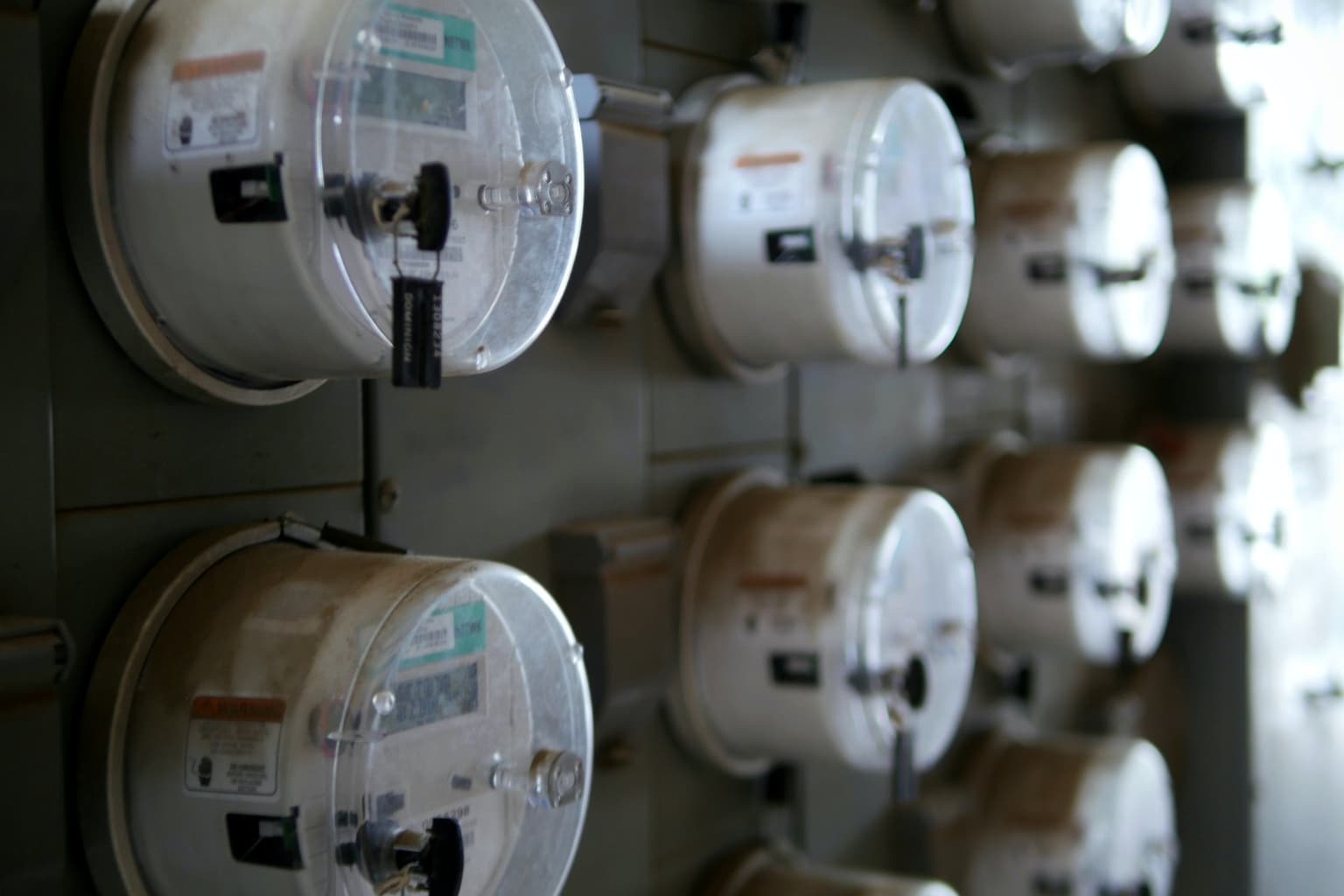
To ensure the reliable operation of the electricity system, supply and demand must be kept in balance at all times. System operators do not have to rely solely on electricity generators to achieve this; consumers can also help. UK households will once again have the opportunity to reduce their electricity use during the evening peak this winter. They are expected to receive a financial reward for doing so.
The operator of the UK electricity system will offer households the chance to actively help balance electricity supply and demand this winter. Households there first had this opportunity at the beginning of this year, when they could reduce their consumption during periods of peak demand and receive a financial bonus.
Topic
Energy savings are not just about solar power plants, says energy manager
For decades, he has advised towns and villages on how to save as much as possible on their electricity bills. Michal Svoboda sees the solution in comprehensive projects that include thorough insulation, replacing windows, light bulbs and appliances, or installing their own energy source. “We must approach green energy in a purely rational way, not emotionally, as we so often tend to do,” he warns.
How should we picture the work of an energy manager like you?
An energy manager is a strategic planner responsible for ensuring that a municipality does not spend more than necessary on energy. They take a holistic approach to energy: they understand the options for saving energy and generating it in-house, and they prioritise projects that are then assigned to the relevant energy specialists. They have to keep up with current trends—and that is no empty phrase, because the pace of innovation in the energy sector is dizzying and continues to accelerate. The role is strategic, not technical. It belongs in the strategic development department, not the facilities management department. An energy engineer may work there, and is often confused with an energy manager.
Energostat: electricity generation in Czechia
Energostat: electricity generation in Germany
Translation disclaimer
This article is a machine translation of the Czech original and has not yet been fully reviewed. In case of any doubt, please refer to the Czech version.
Sdílejte článek prostřednictvím:
You might also like

4 November 2026, 12:34

4 November 2026, 09:09