The ENERGY case in Ústí nad Labem: A harbinger of broader problems in district heating?

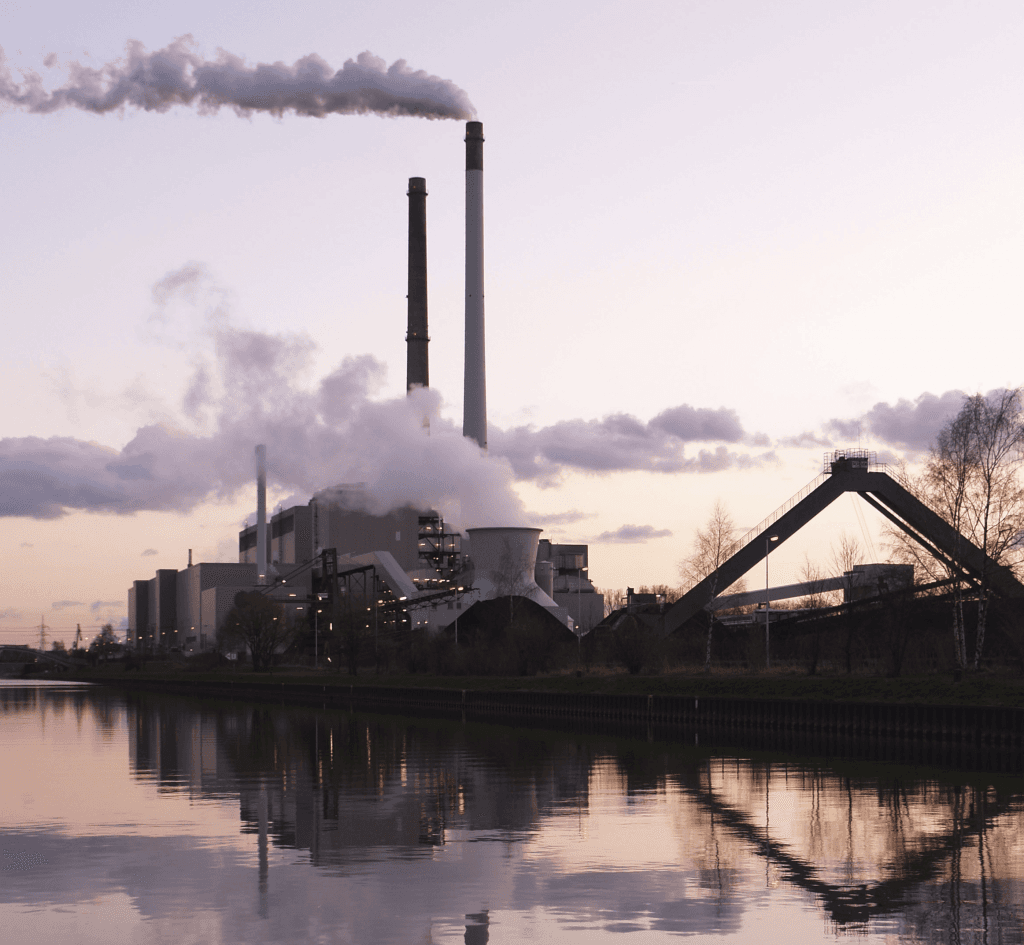
In recent weeks, Czech media have been reporting on the complicated situation at ENERGY Ústí nad Labem, which operates a heating plant on the left bank of the Elbe and supplies the Střekov district. The focus is not only on the plant's operations, but above all on the fact that the company owes the state hundreds of millions of Czech crowns for emission allowances. This case may serve as a warning for the Czech Republic's entire district heating system, which is facing mounting economic pressure in connection with the energy transition.
ENERGY previously came under the influence of a group of companies linked to businessman Tomáš Pitr, and already faced its first state asset seizure in 2023. According to available data, its current debt for emission allowances exceeds CZK 270 million.
Nevertheless, the heating plant continues to operate and, under an approved repayment schedule, is to settle its obligations by 2030. The Czech Tax Administration has secured some real estate assets, but enforcement proceedings have not yet begun. According to the city's statement, alternative scenarios are being prepared in case supplies are jeopardised, but the priority is to keep operations running without interruption.
According to data from the Energy Regulatory Office, the ENERGY heating plant has an installed thermal capacity of 82.8 MWt, meaning it is not a large source in the context of the Czech district heating system. Nevertheless, the case shows how vulnerable the economics of even relatively small heating plants can be when they are unable to meet their obligations under the emissions trading system.
Given that coal-fired heating plants will face rising allowance costs, declining demand for heat and often ageing infrastructure in the coming years, similar cases can be expected to become more common.
Is heat a commodity or a right?
One of the debated aspects of this case is whether a city or the state should intervene when a private operator is unable to run its business economically, while at the same time there is a risk of disruption to supplies for residents.
In this respect, the ENERGY case points to a dangerous situation: on the one hand, a legal framework already exists that allows the Energy Regulatory Office to require an operator to ensure heat supplies even beyond the scope of its licence. This instrument can be used in crisis situations for up to 12 months, with the possibility of an extension, while the operator is entitled to compensation from public funds for demonstrable losses. On the other hand, there remains a political dimension that is often associated with such cases. When household supplies are at risk of disruption, pressure may arise for exemptions, compensation or other extraordinary interventions, regardless of the operator's regulation or legal liability.
From a broader perspective, the Ústí case exposes a structural weakness in the system: many coal-fired heating plants are economically fragile, with low operating margins and limited investment capacity. Yet heat supply is crucial for the operation of many businesses and for residents' comfort.
Perhaps this is also why ENERGY was granted a repayment schedule for the aforementioned CZK 270 million, spread over 55 monthly instalments. The Ústí case may be only the first in a series that brings this issue more prominently to the attention of the public and political representatives.