12 August 2026, 16:29
Poles in Turów shut down largest excavator at night to reduce noise in Czechia

ČTK
1 July 2026, 15:34
This article is a machine translation of the Czech original and has not yet been fully reviewed. In case of any doubt, please refer to the Czech version.
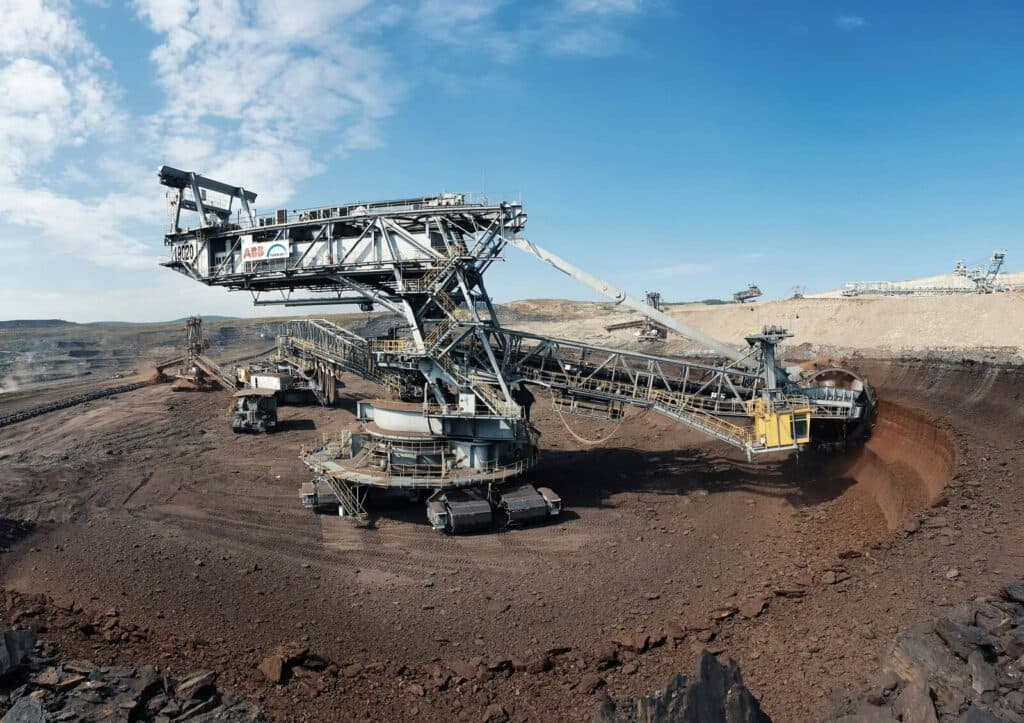
At the Polish lignite mine of Turów near the Czech border, miners have begun shutting down the largest K-22 excavator overnight. The main reason is to reduce noise on the Czech side. Although measurements showed that the mine does not exceed noise limits over the long term, the first measurements taken in Czechia this year again showed limits being exceeded at night, Martin Půta (Mayors for the Liberec Region), governor of the Liberec Region, told ČTK today.
According to Půta, noise is currently the most complicated issue in Czech-Polish relations concerning Turów. Measurements showed a one-off breach of the 40-decibel night-time health limit recommended by the World Health Organization, particularly in Uhelná in the Liberec Region. PGE, which owns the mine and the neighbouring power plant, has therefore been shutting down the excavator closest to the Czech border from 22:00 to 06:00 since the beginning of June, Půta said.
According to Půta, shutting down the excavator at night is a cheaper measure for the company than investing in noise barriers or embankments. "At the same time, PGE is currently testing its own noise monitoring systems, apparently with the aim of reducing the noise impact in neighbouring Bogatynia as well," the governor added. On the Czech side, noise monitoring is carried out by the Health Institute based in Ostrava, which conducted five week-long measurements last year and is continuing monitoring this year.
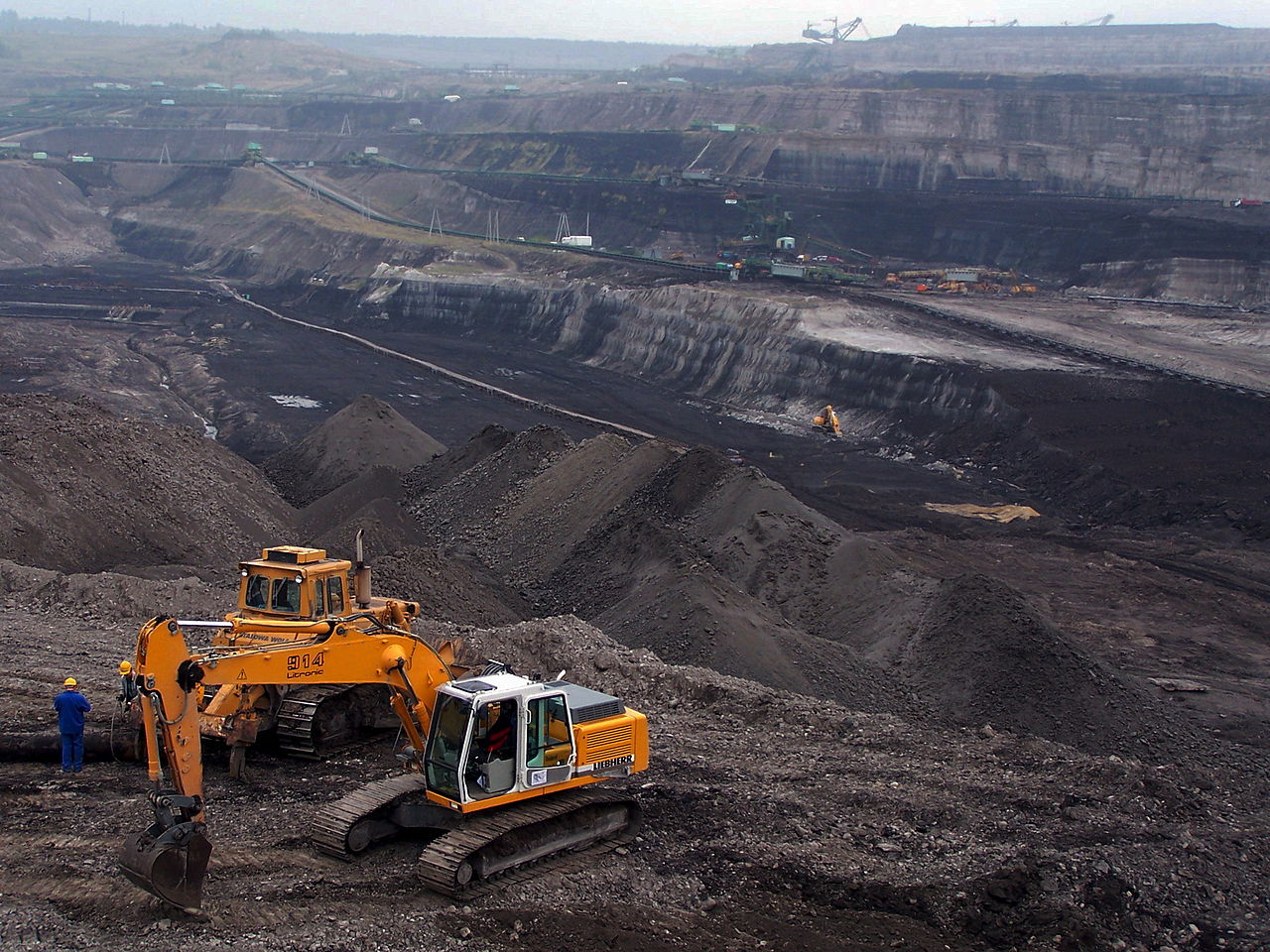
Turów lignite mine
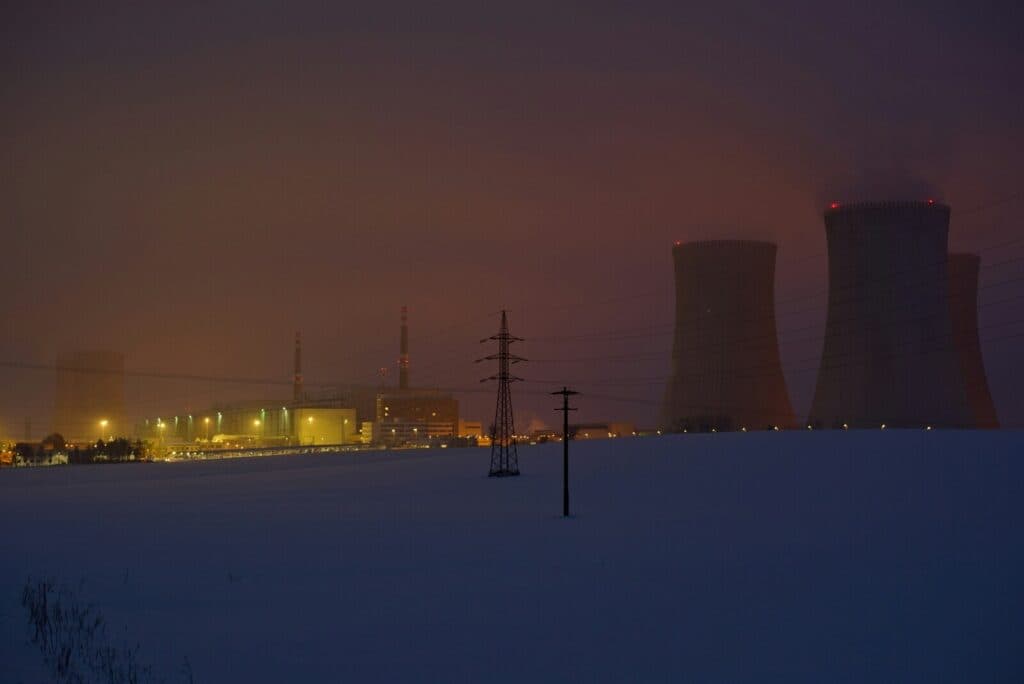
The Turów mine near the Czech-Polish border supplies coal mainly to the neighbouring power plant. PGE Group plans to mine there until 2044 and wants to expand the mine to 30 square kilometres along the road from Zittau to Bogatynia. Residents on the Czech side should be protected from noise and dust from the mine by a green-planted embankment. An underground barrier prevents water from flowing out of Czech territory. According to Půta, the measures are working: groundwater levels have stopped falling according to measurements, and sensors have not detected any ground subsidence either.
Monitoring the impacts of mining on Czech territory is part of an agreement on addressing the effects of mining, signed by the prime ministers of Czechia and Poland in February 2022. Poland subsequently paid Czechia EUR 45 million (CZK 1.1 billion) in compensation for the damage caused, of which EUR 35 million (CZK 849 million) went to the Liberec Region's Turów Fund for measures intended to secure drinking water in the border area. However, according to Greenpeace, Bund Sachsen and the local Uhelná Neighbourhood Association, the negotiated agreement is insufficient.
Sdílejte článek prostřednictvím:
You might also like

12 August 2026, 05:30