
30 July 2026, 14:01
Czech consumers to foot the bill for capacity mechanisms, paying up to CZK 150 billion

Martin Voříšek
30 July 2026, 06:49
This article is a machine translation of the Czech original and has not yet been fully reviewed. In case of any doubt, please refer to the Czech version.
Under the European Commission’s approval, the Czech capacity mechanism will be fully financed by electricity consumers. The European Commission approved the scheme with estimated costs of CZK 75 to 150 billion. However, this is not an amount for a single year, but the total support spread over the duration of the contracts awarded, up to fifteen years for new fossil-fuel plants. Capacity mechanism payments will gradually replace part of the fees supporting renewable energy sources, whose support will expire after 2030.
The European Commission approved the Czech capacity mechanism in a decision issued in mid-July. The Czech Republic notified it in April this year with the aim of ensuring sufficient dispatchable capacity during the rapid phase-out of coal-fired power plants. The Commission concluded that the proposed support was compatible with the internal market.
On Wednesday, the Commission published further details of the Czech plan and its assessment. The capacity mechanism, approved under the rules of the Clean Industrial Deal State Aid Framework (CISAF), is intended primarily to support the construction of new gas-fired generation. These plants are particularly sought after for their flexibility and ability to respond quickly to capacity shortages or surpluses in the system.
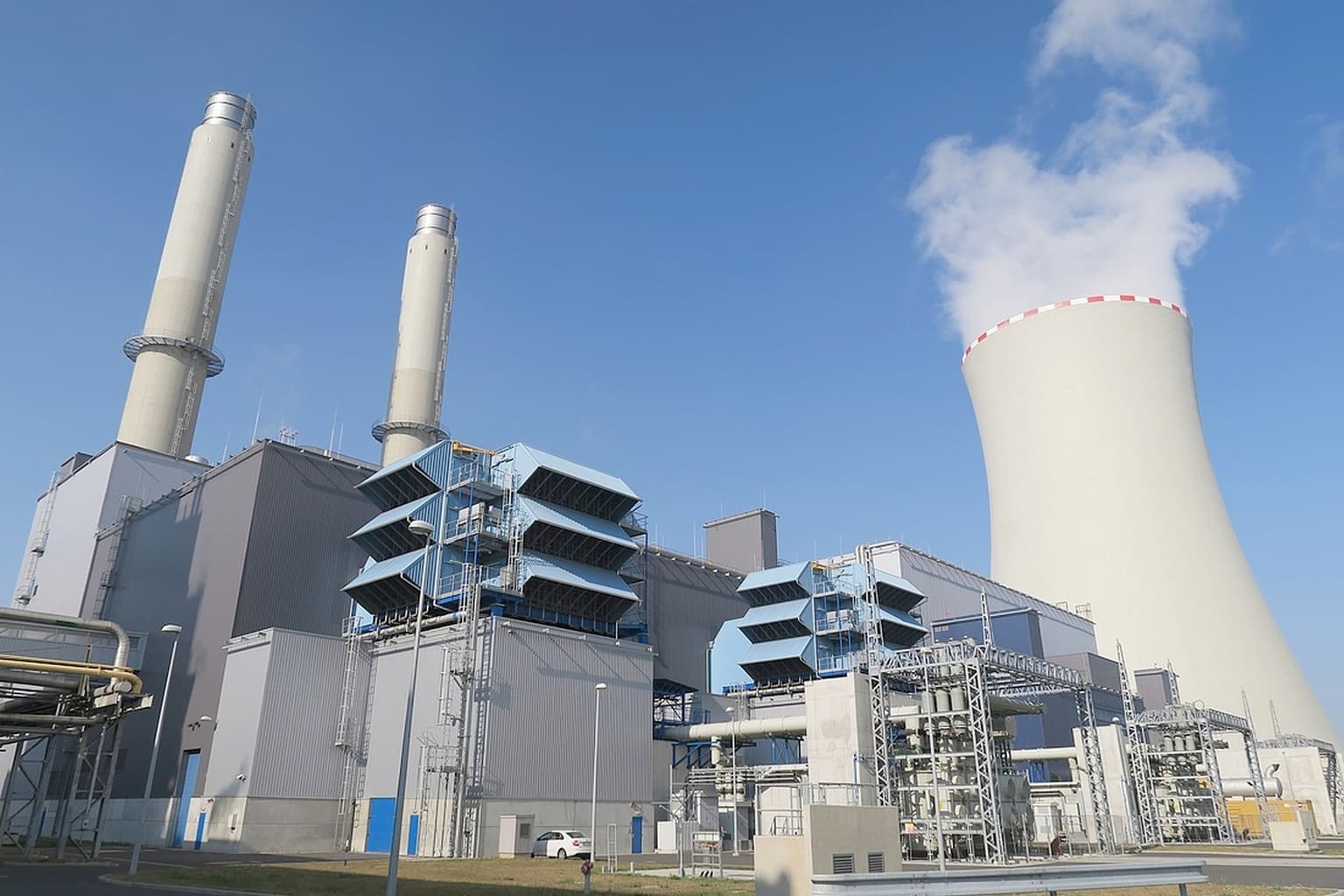
Počerady combined-cycle gas power plant. Source: ČEZ
ČEPS will procure capacity through regular auctions, which must be available during the specified period. Capacity providers will remain active in the electricity market, while the capacity payment will represent additional revenue for availability.
The first period covered by the capacity mechanism will run from 1 November 2030 to 31 October 2031. The main auction is to take place four to six years before this period and cover 75 to 90 % of expected demand. The remaining capacity may be procured in later adjustment auctions, opening up opportunities for technologies with shorter lead times, particularly batteries and demand-side management.
The timetable therefore corresponds to the plan to announce the first auction in autumn this year. The Ministry of Industry has already published a measure of general nature setting out further details of the capacity mechanism for public consultation.
Total costs are not yet known and could reach CZK 150 billion
The Czech Republic estimates the mechanism’s total budget at CZK 75 to 150 billion, or approximately EUR 3.1 to 6.2 billion. The final amount is not yet known, as it will depend on the volume of capacity procured, the final auction prices and the duration of individual contracts.
Contracts will generally cover one annual delivery period. Longer contracts will be awarded to projects requiring investment, with an additional year of support available for every EUR 25,000 invested per MW of available capacity. For fossil-fuel-fired plants, contract duration may not exceed fifteen years.
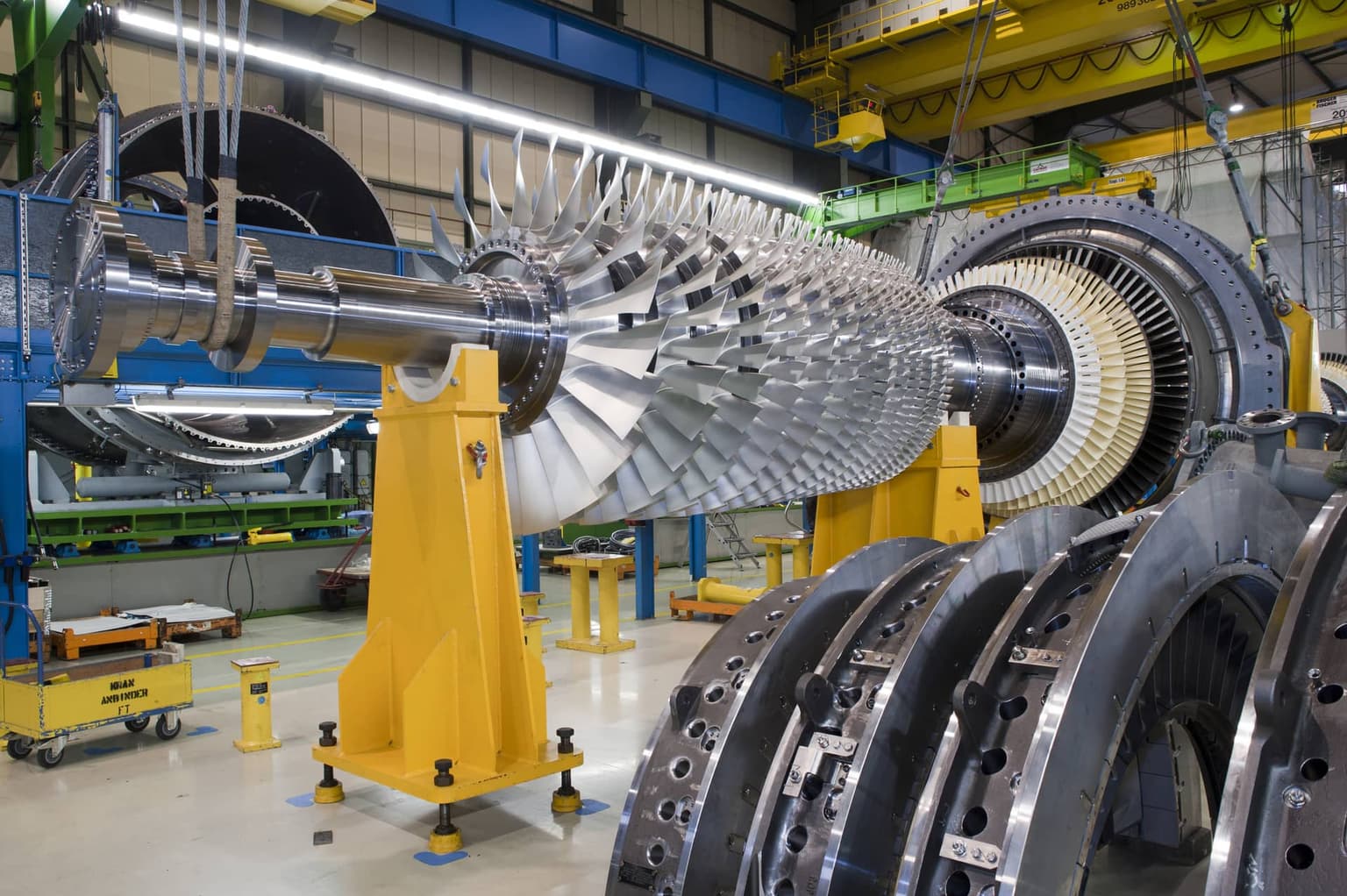
Gas turbine. Source: Siemens Energy
The Commission authorised the provision of support for ten years from the date of its decision, although contracts concluded during that period may continue for longer. The upper estimate of CZK 150 billion therefore cannot be interpreted as an annual cost. Expenditure will be spread across a number of years according to the auction timetable and agreed commitments.
Costs will be reflected in electricity payments
The mechanism will be fully financed through mandatory payments by electricity consumers. ČEPS will collect the fees, while the Energy Regulatory Office will set their level. At least 90 % of costs are to be allocated according to consumers’ consumption during the hours with the highest electricity prices in the given year or delivery period.
Steel production. Source: Unsplash
This design is intended to create an incentive to reduce consumption at peak times. The practical impact on individual customer groups will depend on the implementing rules and on the extent to which suppliers incorporate time-differentiated costs into their products. Industrial customers with interval metering and the ability to manage production will have the strongest incentive to adjust their consumption profile.
One fee will recede, while others will be added
For Czech consumers, it will be important that the introduction of capacity payments around 2030 will come at a time when support for older renewable energy sources should gradually decline. A significant share of the costs of the current system stems from solar power plants commissioned around 2010, whose operating support was generally set for twenty years.
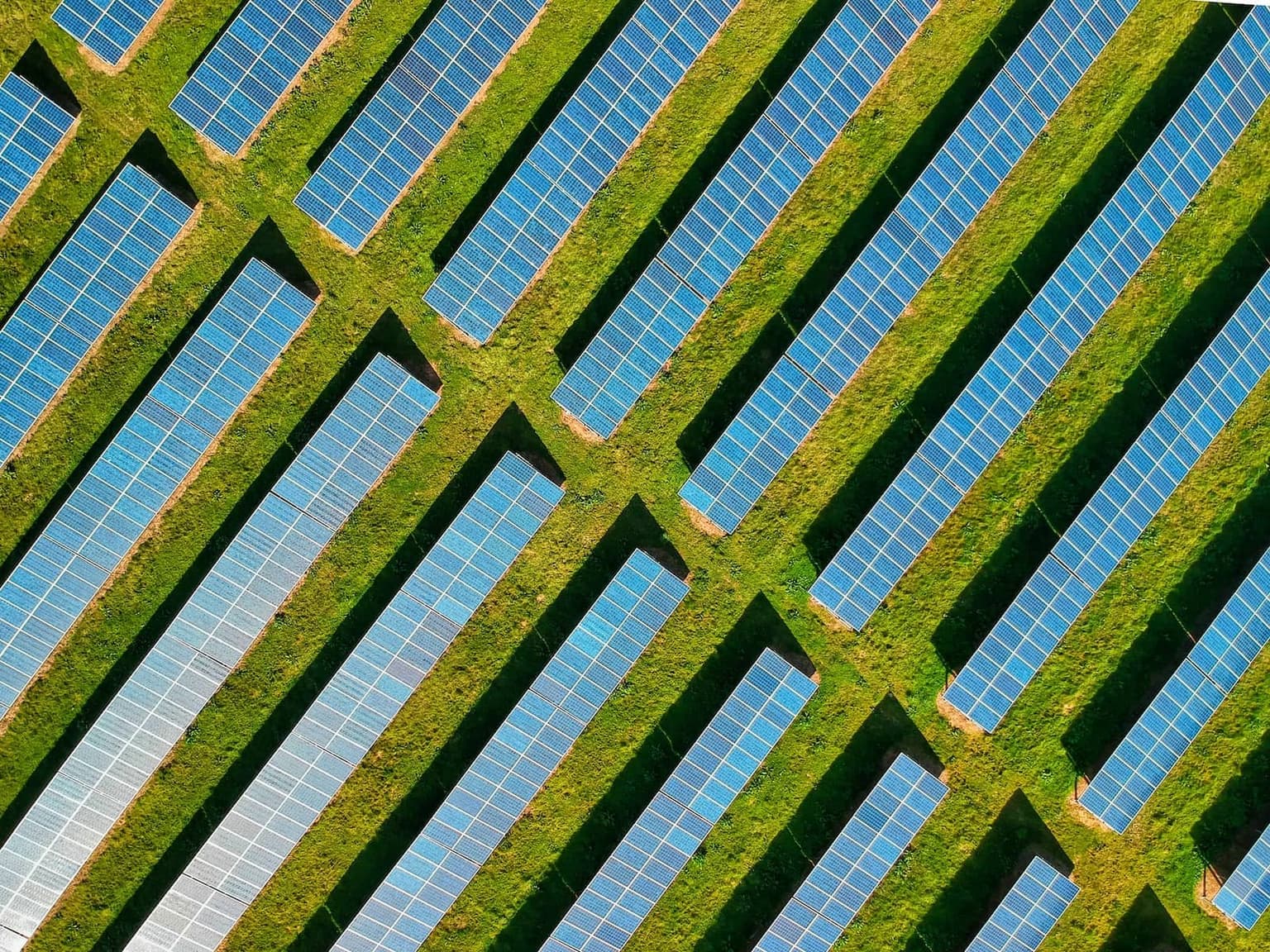
Solar power plant. Source: Pexels
However, a decline in this item does not automatically mean lower final bills. In addition to the capacity mechanism, customers may also finance a contract for difference for new nuclear units at Dukovany. If their strike price is higher than the reference market price of electricity, the difference will have to be paid; if the opposite occurs, money will be returned. The structure of regulated payments will therefore change substantially over the next decade. Costs for older supported sources will decline, while payments for available capacity and, potentially later, for new nuclear units will be added.
Sdílejte článek prostřednictvím:
You might also like
29 July 2026, 16:38